
The Libyan Desert — History & Facts
In the stark embrace of a vast, arid landscape, one can sense the throbbing pulse of ecstasy beneath the surface stillness. Here, every grain of sand seems to shimmer with untold stories, inviting the viewer to lose themselves in its unending expanse. Look to the horizon, where the sun hangs low and casts a warm, golden hue across the undulating dunes. Notice how the painter employs broad strokes to capture the texture of the sand, each wave and ripple rendered with careful precision.
The interplay of light and shadow creates a delicate dance, breathing life into this desolate terrain. The subtle gradations of ochre and burnt sienna create an almost hypnotic quality, drawing your gaze deeper into the scene. Beneath the surface, there lies a tension between isolation and freedom, as the endless desert can feel both confining and liberating. The vastness of the landscape hints at the potential for exploration, while the warm colors evoke a sense of warmth and comfort, contrasting with the harshness of the environment.
The absence of life is palpable, yet this void allows for a profound contemplation of existence and the ecstasy found in solitude. Carl Hasch created this evocative piece during a time when he was deeply influenced by the Romantic movement, embracing the sublime qualities of nature. Active in the late 19th century, his works often reflected a fascination with exotic locales and the emotions they stirred in the observer. As the world was expanding through discovery and exploration, Hasch's engagement with landscapes like this reflected not only personal journeys but also a collective yearning for connection with the earth's raw beauty.
More Artworks by Carl Hasch
Browse all →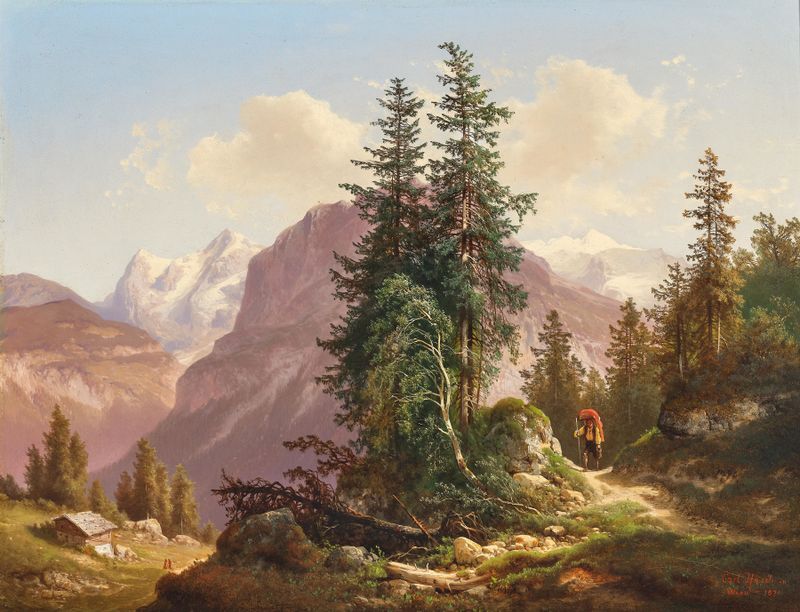
Der Eiger, der Mönch und der Silberhorn in der Schweiz
Carl Hasch

Gebirgsbach in der Ramsau
Carl Hasch

Jäger im Hochgebirge
Carl Hasch
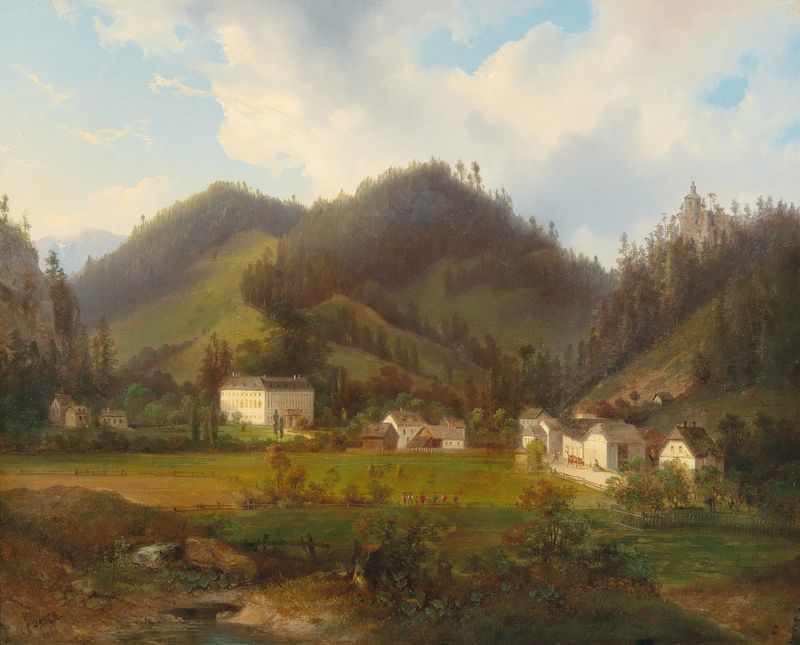
View of Schloss Gutenstein
Carl Hasch
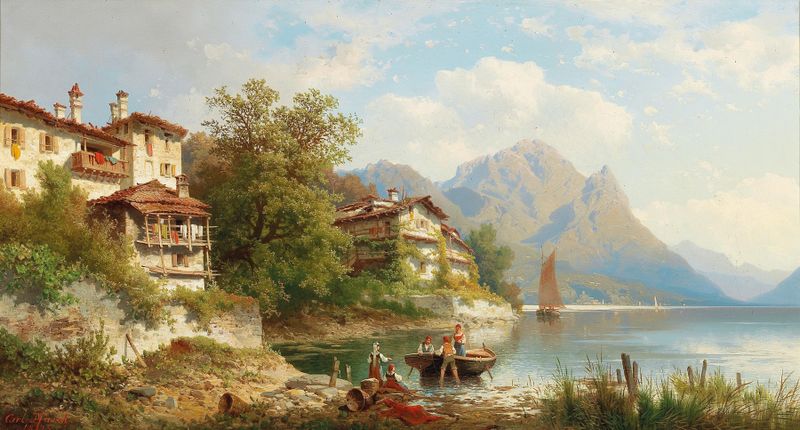
Motiv aus Gandria am Lago di Lugano
Carl Hasch

Waldmühle bei Windischgarsten
Carl Hasch

Waterfall
Carl Hasch

Am Seebach in Prag
Carl Hasch
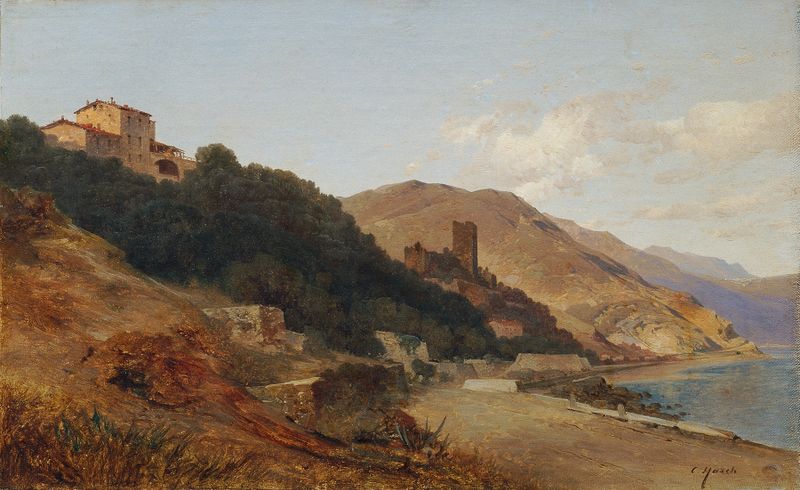
Italienische Abendlandschaft
Carl Hasch
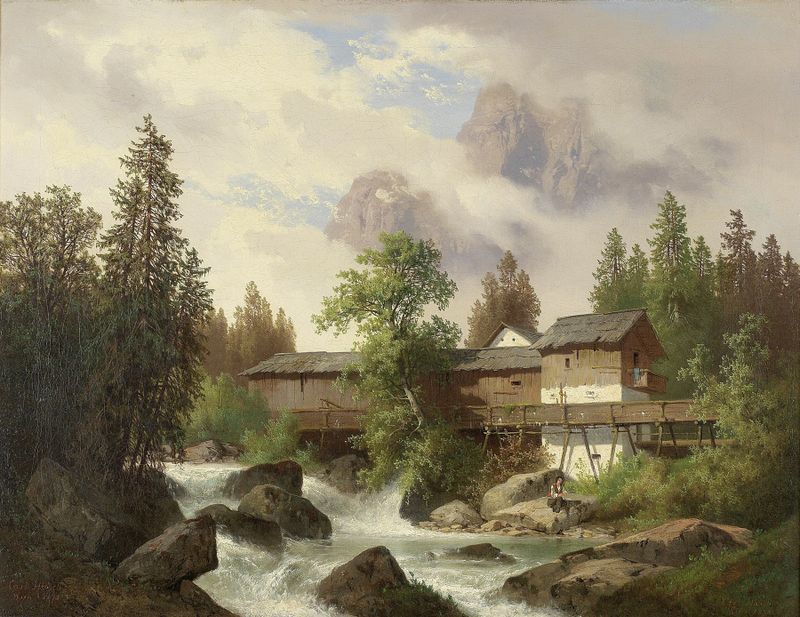
Landschaft mit Sägemühle
Carl Hasch





