
The Lido — History & Facts
What if silence could speak through light? In The Lido, the quietude of a tranquil moment contrasts profoundly with the undercurrents of tension that surge beneath the surface. The painting invites viewers to ponder the invisible forces at play amidst the serene beauty of the scene. Look to the left at the sun-drenched figures lounging along the water’s edge, their bodies relaxed yet alert against a backdrop of gentle waves. The artist employs a warm palette of yellows and blues that blend seamlessly, capturing the shimmering play of sunlight on the water.
Notice how the composition is anchored by the horizon, drawing your gaze beyond the stillness to the potential turmoil hidden in the depths below. Within this idyllic setting, subtle contradictions emerge: the bucolic leisure of the bathers juxtaposed with the looming sense of unease reflected in their gazes. Each figure seems enveloped in their own thoughts, suggesting unspoken stories of longing or disquiet. This contrast hints at a violent rift between appearance and reality, a reminder that beneath the calm exterior, life's turbulence often brews unseen. In 1880, Otto Henry Bacher painted this work during a time when he was influenced by the artistic currents of realism and impressionism, striving to capture both beauty and truth.
Working in Venice, he was inspired by the city's enchanting landscapes while grappling with his own artistic identity. This artwork reflects his ability to distill moments of serenity yet imbue them with a sense of underlying tension, mirroring the complexities of human experience in a rapidly changing world.
More Artworks by Otto Henry Bacher
Browse all →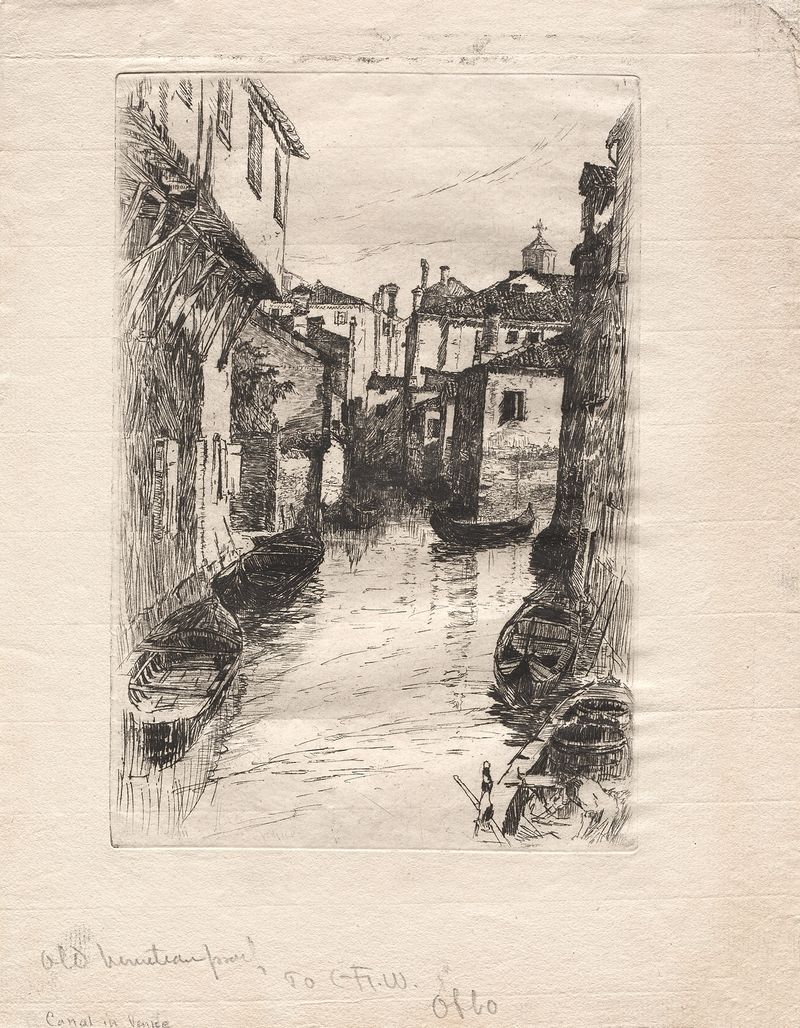
Canal in Venice
Otto Henry Bacher
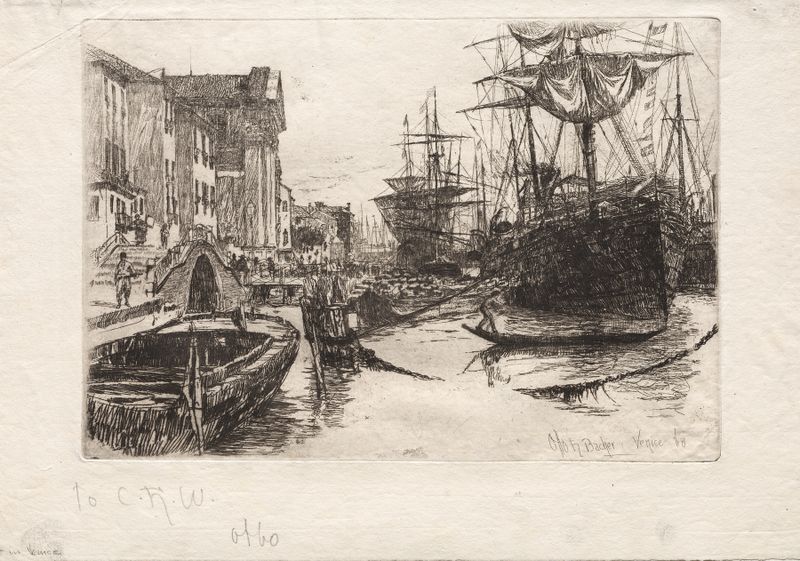
View in Venice
Otto Henry Bacher
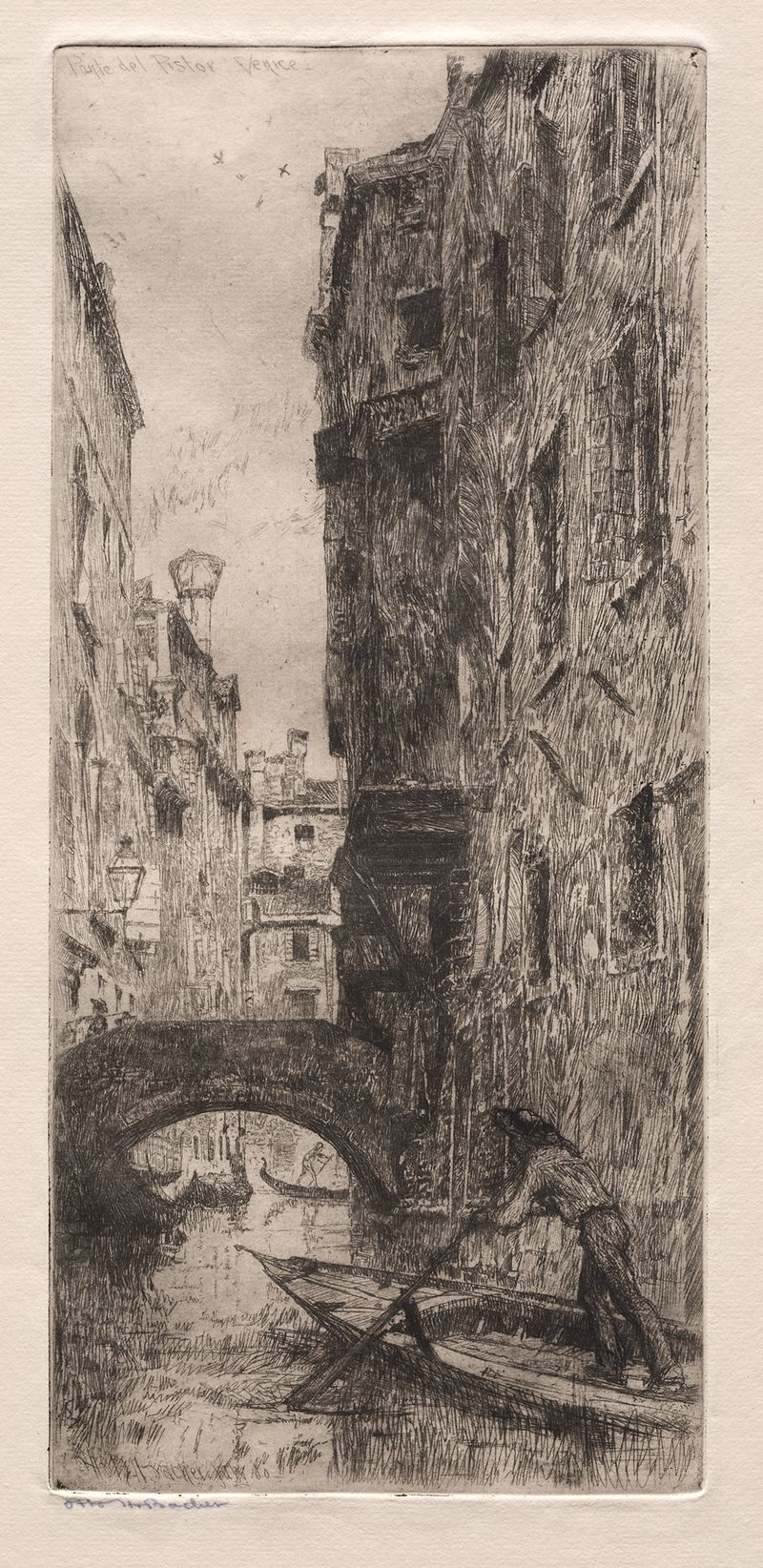
Ponte del Pistor, Venice
Otto Henry Bacher
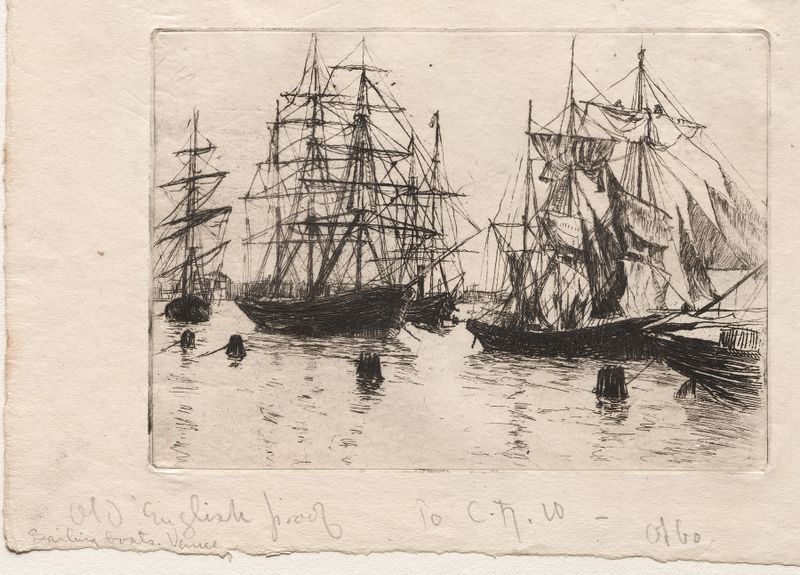
Sailing Boats, Venice
Otto Henry Bacher
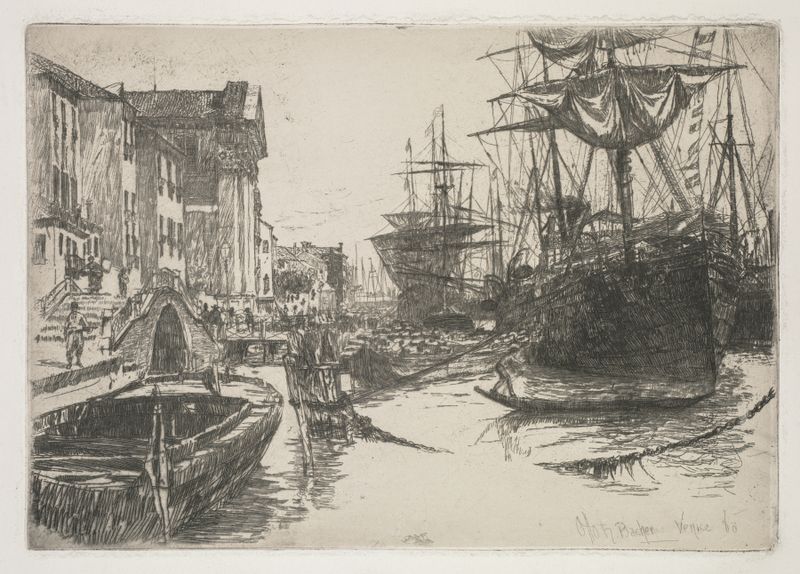
Fondamenta della Zattere
Otto Henry Bacher
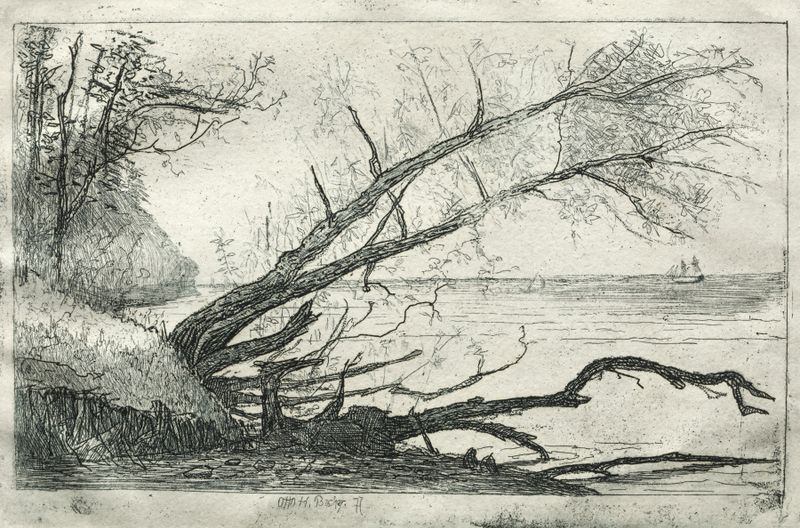
Old Sycamore
Otto Henry Bacher
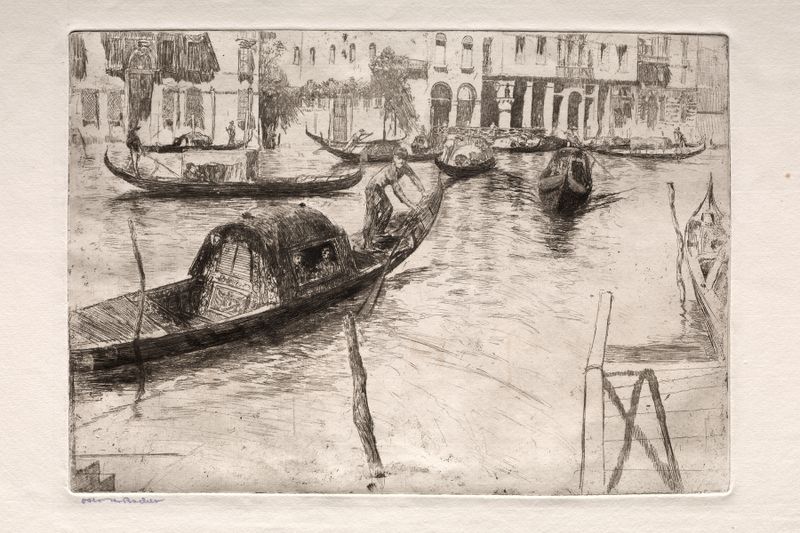
Traghetto San Felice
Otto Henry Bacher
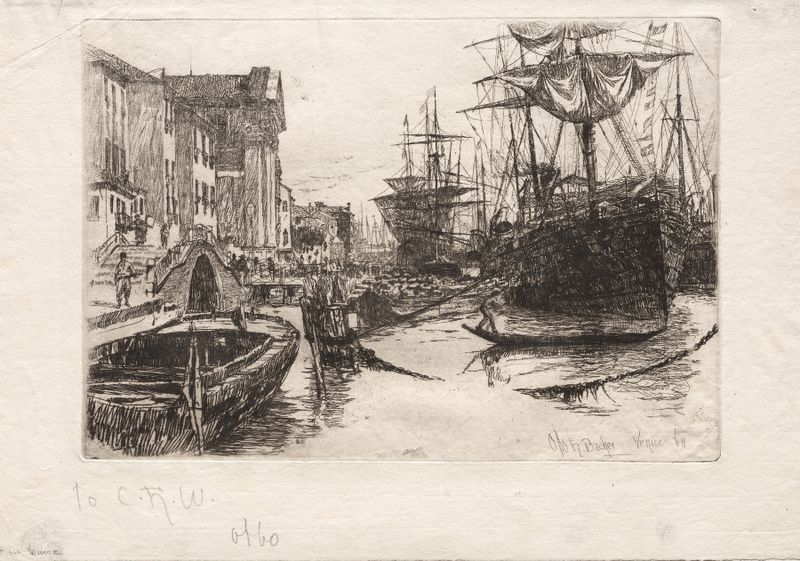
View in Venice
Otto Henry Bacher
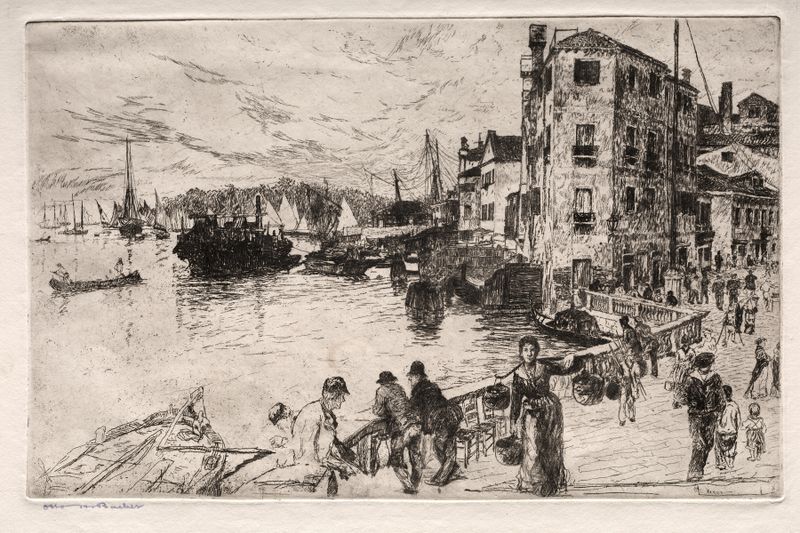
Castello Quarters, Riva
Otto Henry Bacher
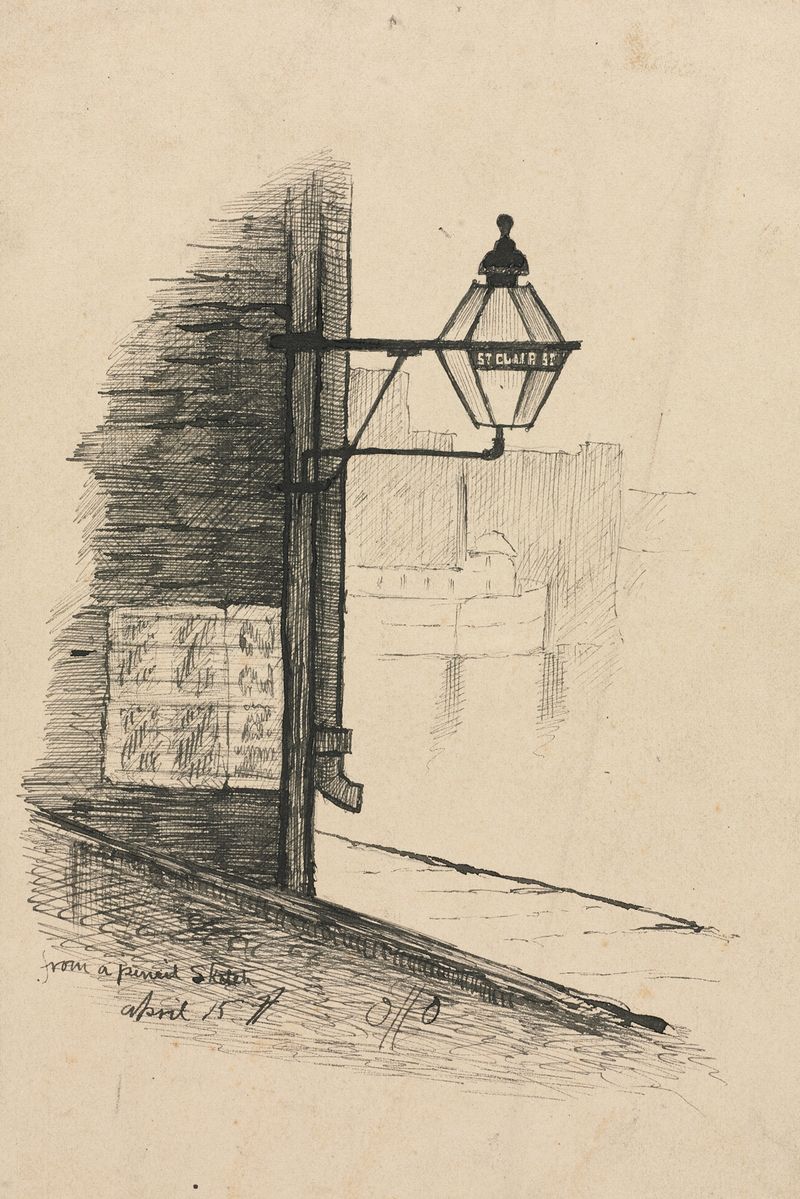
St. Clair Street, Cleveland
Otto Henry Bacher





