
The Loing River at the Edge of the Forest of Fontainebleau — History & Facts
Is this a mirror — or a memory? The delicate interplay of light and shadow beckons the viewer to ponder the depths of nostalgia, revealing a world that lingers on the edge of recollection. Look to the center of the canvas, where the gentle flow of the Loing River glistens under dappled sunlight. Notice how the water reflects the lush greens and warm browns of the forest, creating a symphony of color that draws the eye into its tranquil embrace. The artist’s brushstrokes breathe life into the foliage, while the soft gradient of the sky hints at the fleeting passage of time, suggesting both harmony and transience. As you take in the details, consider the contrasts present in the composition.
The robust trees stand as silent guardians of the river, their towering presence juxtaposed with the serene water below, evoking a sense of stability amidst the flux of nature. The soft ripples in the water symbolize the whispers of memories, inviting contemplation of what has been lost or cherished. Each element resonates with a deeper emotional tension, evoking both peace and longing. In 1830, Rousseau was part of a burgeoning movement toward realism, capturing landscapes with an authenticity that transformed the genre.
He painted this piece in the Forest of Fontainebleau, a sanctuary that nurtured many artists of his time. Struggling with personal challenges, Rousseau sought solace in nature, allowing its beauty to inspire his work and reinforce his deep connection to the world around him.
More Artworks by Théodore Rousseau
Browse all →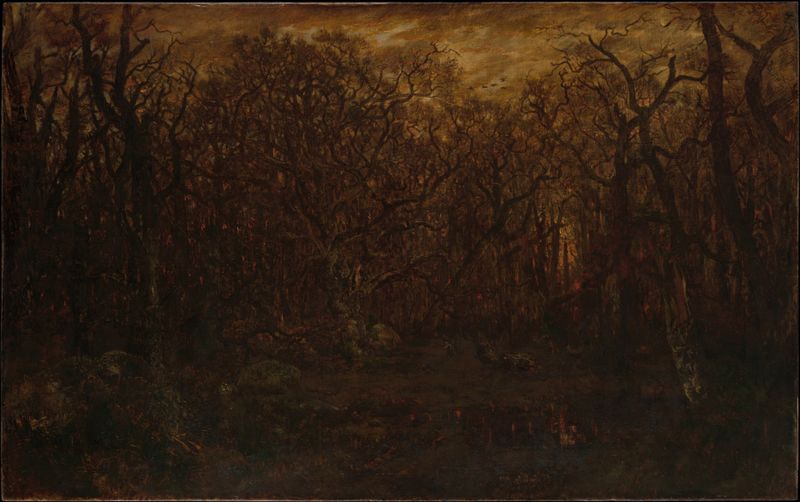
The Forest in Winter at Sunset
Théodore Rousseau
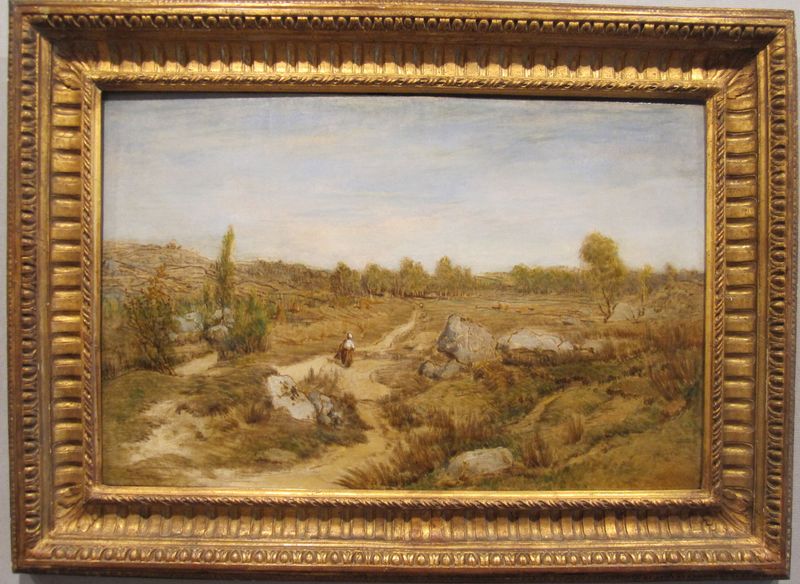
Valley of the Rouars in the Gorges d’Apremont
Théodore Rousseau
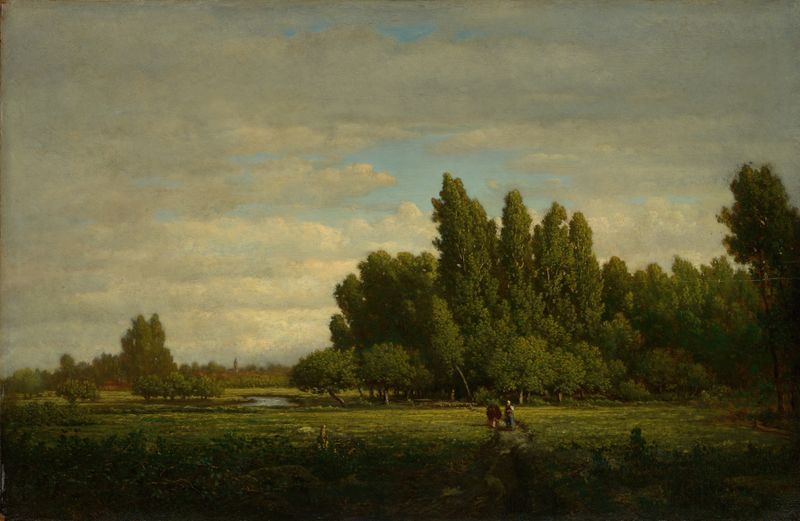
A Meadow Bordered by Trees
Théodore Rousseau
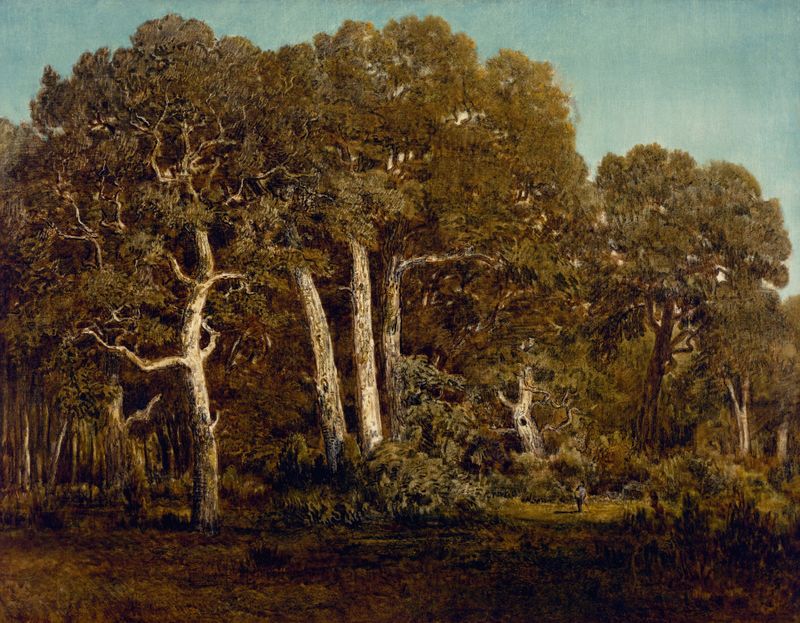
The Great Oaks of Old Bas-Bréau
Théodore Rousseau
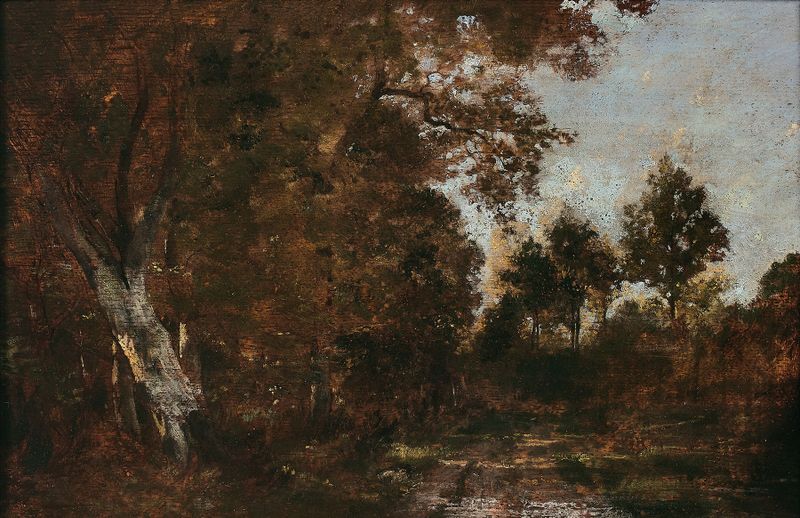
Paysage de sous-bois
Théodore Rousseau
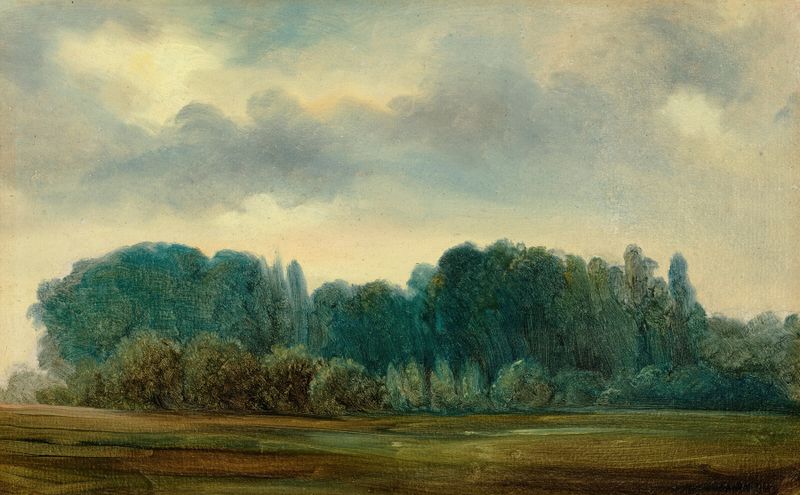
Paysage
Théodore Rousseau
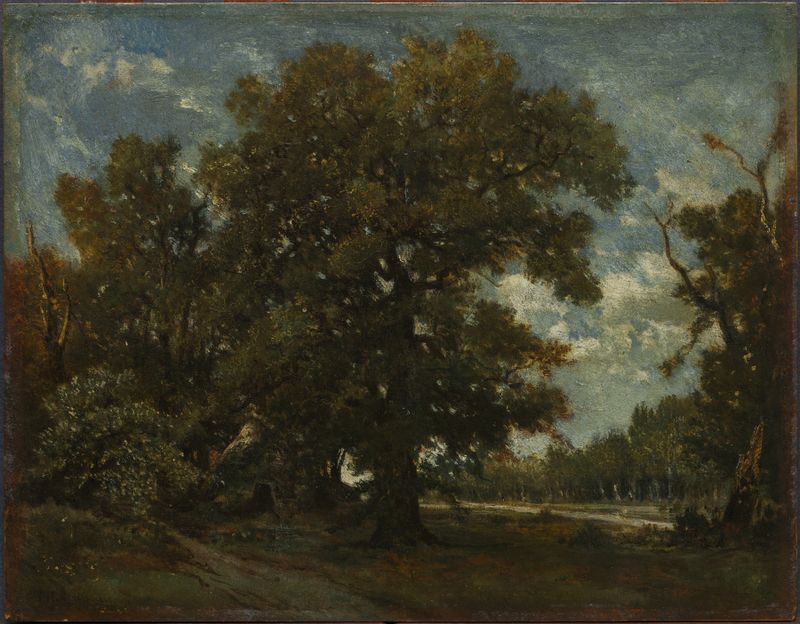
The Oak Tree
Théodore Rousseau
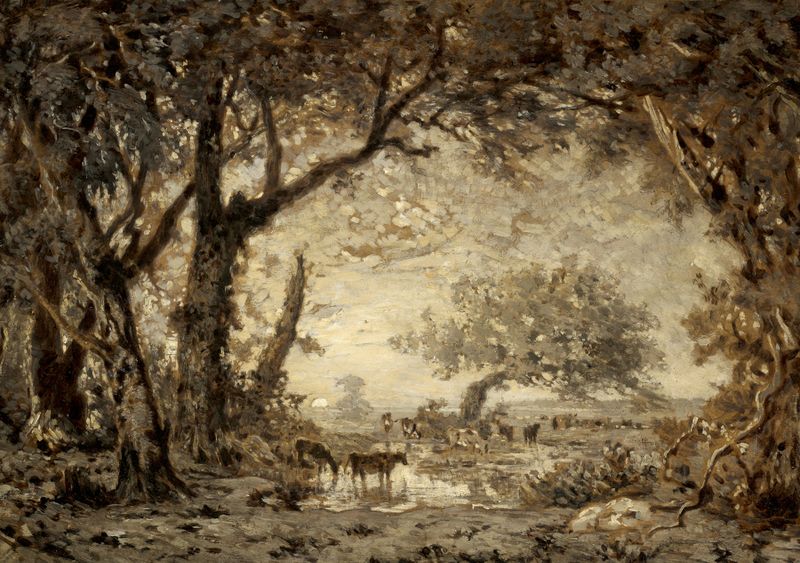
Sunset from the Forest of Fontainebleau
Théodore Rousseau
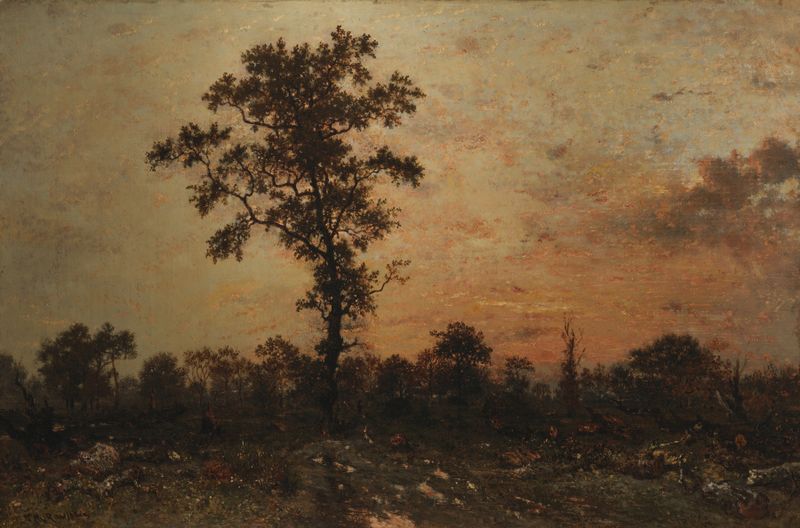
Edge of the Forest, Sun Setting
Théodore Rousseau
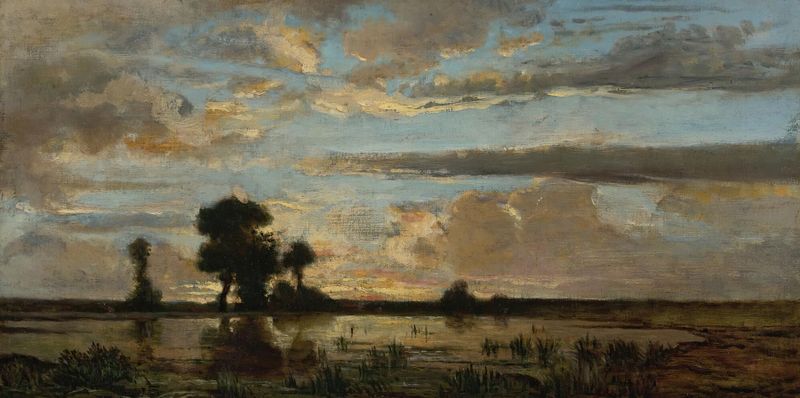
Soleil Couchant
Théodore Rousseau





