
The Madonna of the Carnation — History & Facts
What draws the viewer in first is the unwavering, almost startling directness of the Madonna’s gaze. Unlike the distant, idealized Madonnas of earlier centuries, here the mother meets our eyes with a gentle steadiness, her features rendered with a precision that speaks to the Northern Renaissance’s fascination with individuality and presence. The child, too, is no mere symbol—his chubby hand clutches both a delicate red carnation and a small apple, each detail painted with the same loving attention as the Madonna’s softly curling hair.
The flower, a carnation, carries centuries of meaning: a sign of love, but also a subtle foreshadowing of sacrifice. The world that produced this painting was one of transformation and curiosity. By 1516, artists in the German-speaking lands were absorbing Italian innovations while fiercely holding to their own traditions of minute observation and symbolic layering. Works like this, showing the Madonna and Child, were typically commissioned for private devotion—objects meant to bring the holy close, to make the mysteries of faith tangible in the intimacy of the home.
Though history has kept few traces of this particular Madonna and Child beyond its date and inclusion in The Yorck Project’s collection, its vivid humanity and careful symbolism invite us to linger, searching for echoes of the world that shaped it in every brushstroke.
More Artworks by Albrecht Dürer

Melancholia
Albrecht Dürer

St. George and the dragon.
Albrecht Dürer
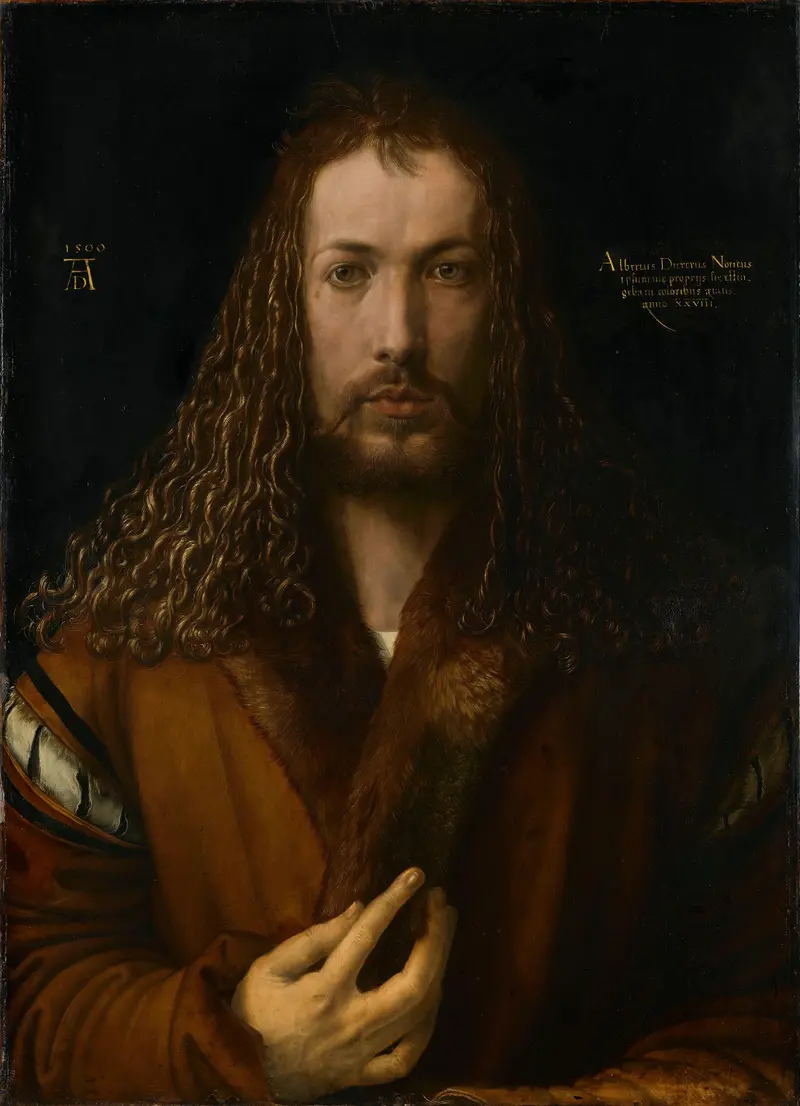
Self-Portrait with Fur-Trimmed Robe
Albrecht Dürer

Wing of a European Roller
Albrecht Dürer

Iris
Albrecht Dürer

The Great Piece of Turf
Albrecht Dürer
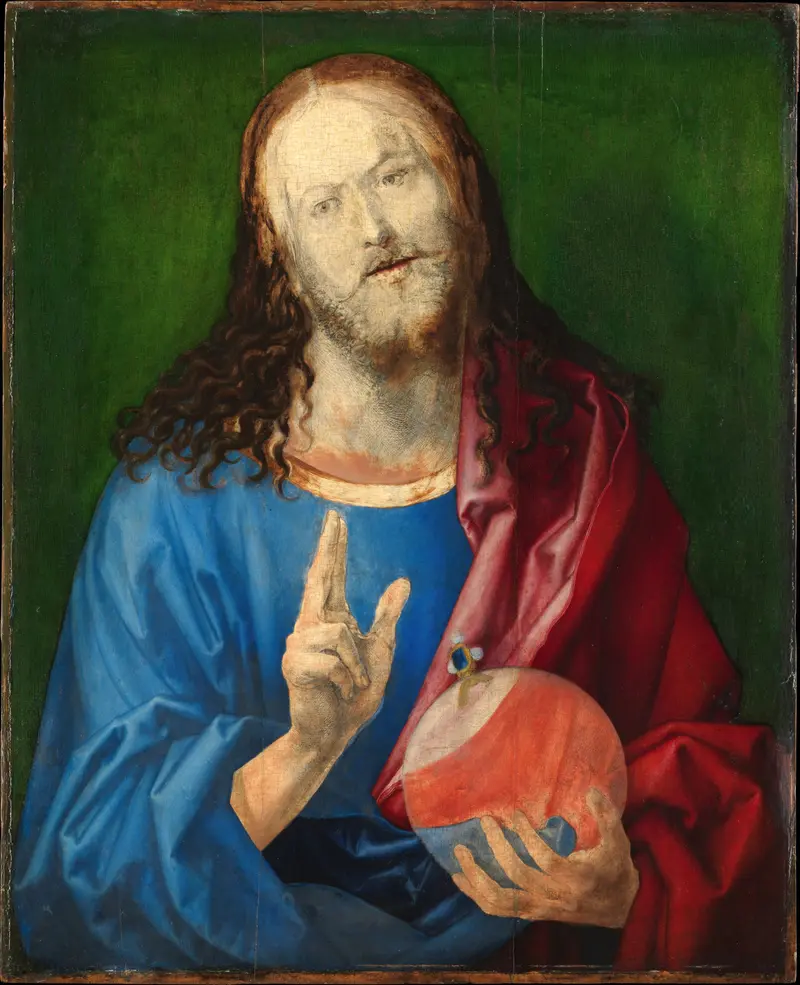
Salvator Mundi
Albrecht Dürer
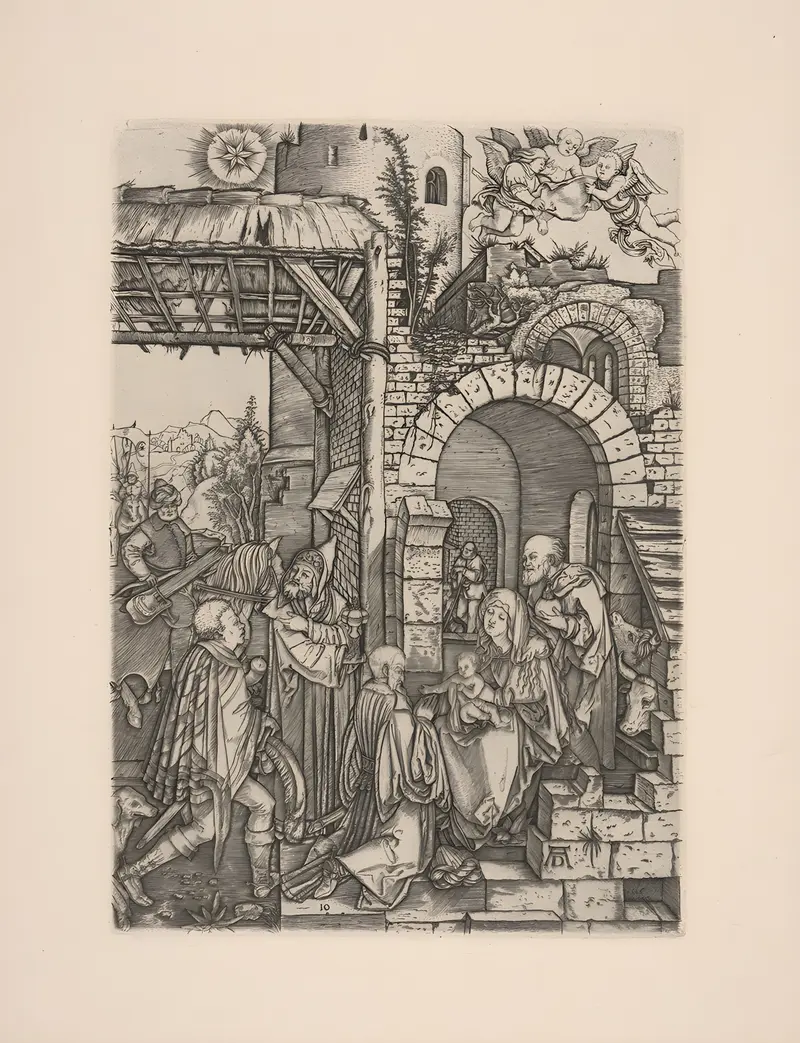
The Adoration of the Magi
Albrecht Dürer
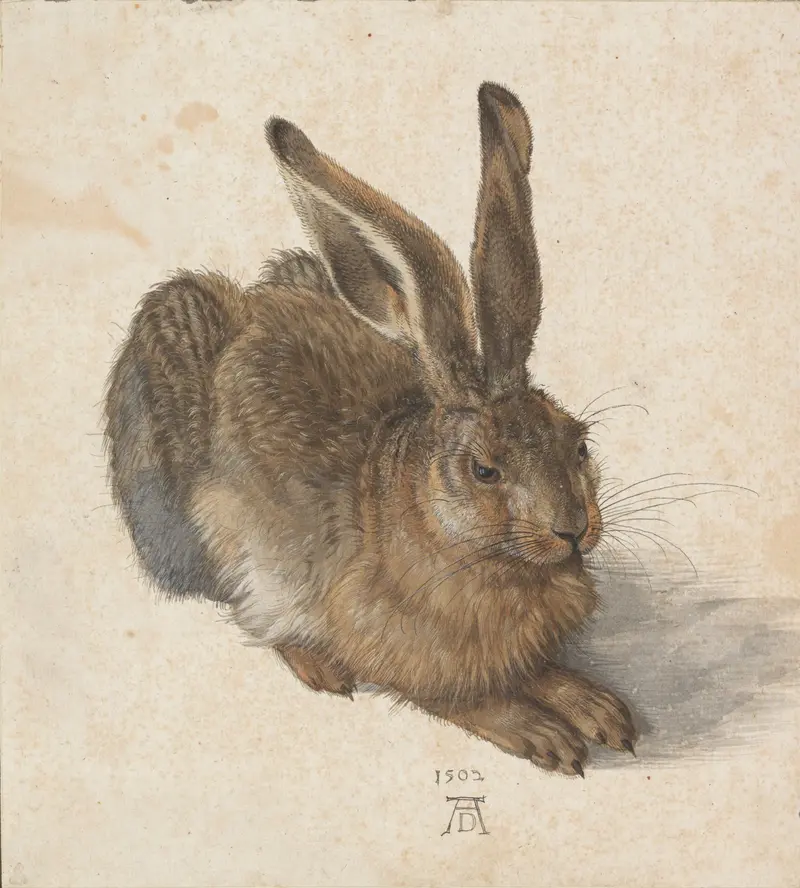
Young Hare
Albrecht Dürer
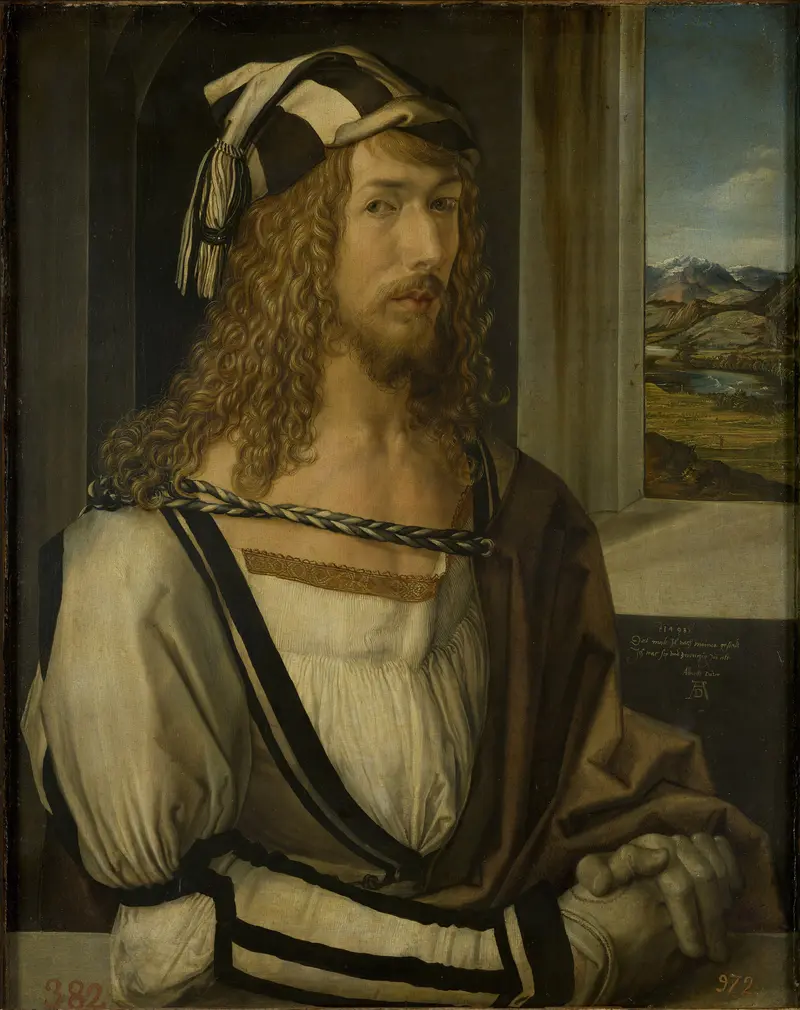
Self-portrait
Albrecht Dürer





