Discover insights about this artwork
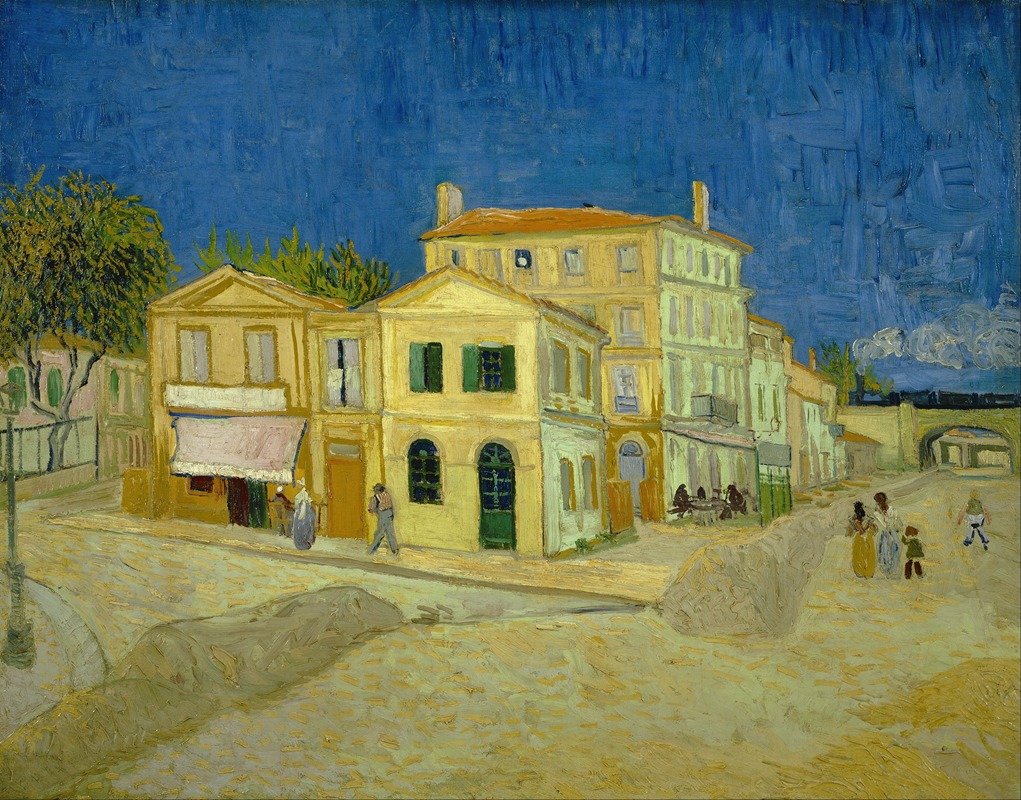
The Magrot House, Cuesmes — History & Facts
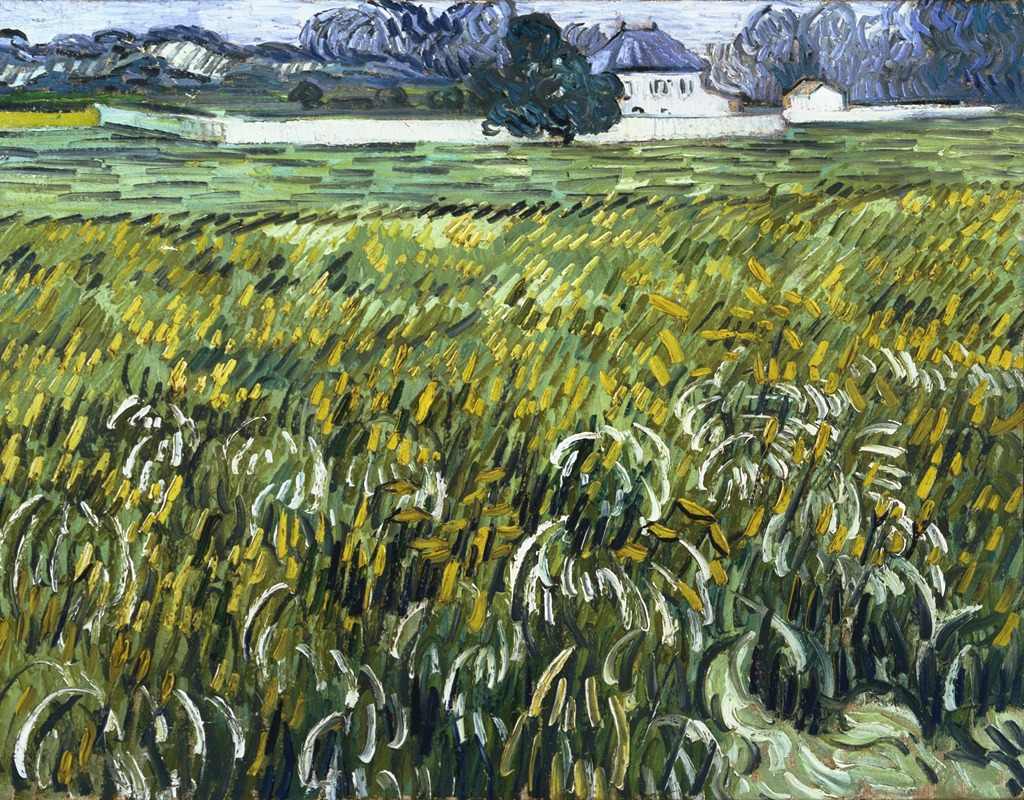
In The Magrot House, Cuesmes, Vincent van Gogh presents a rural scene dominated by earthy tones and vibrant colors. The house itself is depicted with a warm palette, reflecting the sunlight as it casts shadows on the surrounding landscape. The lush greenery and the blue sky create a serene atmosphere, inviting viewers into this tranquil setting.
The composition is balanced, with the house as the focal point amidst the natural surroundings. The painting is executed in oil on canvas, a medium that allows for rich texture and depth. Van Gogh's characteristic brush strokes are evident, with thick applications of paint that create a tactile quality. The colors are applied in a way that enhances the emotional resonance of the scene, typical of the Post-Impressionism movement.
The dimensions are approximately 60 x 80 cm, making it a medium-sized work that draws the viewer in. Vincent van Gogh painted The Magrot House, Cuesmes during his time in Belgium, where he sought inspiration from the rural landscape. This work reflects his fascination with the interplay of light and color, which became a hallmark of his style. An interesting fact about this painting is that it captures the essence of Van Gogh's early exploration of color, before he fully developed his iconic techniques in later works.
Today, it is housed in the Van Gogh Museum, celebrating his contributions to art.
More Artworks by Vincent van Gogh
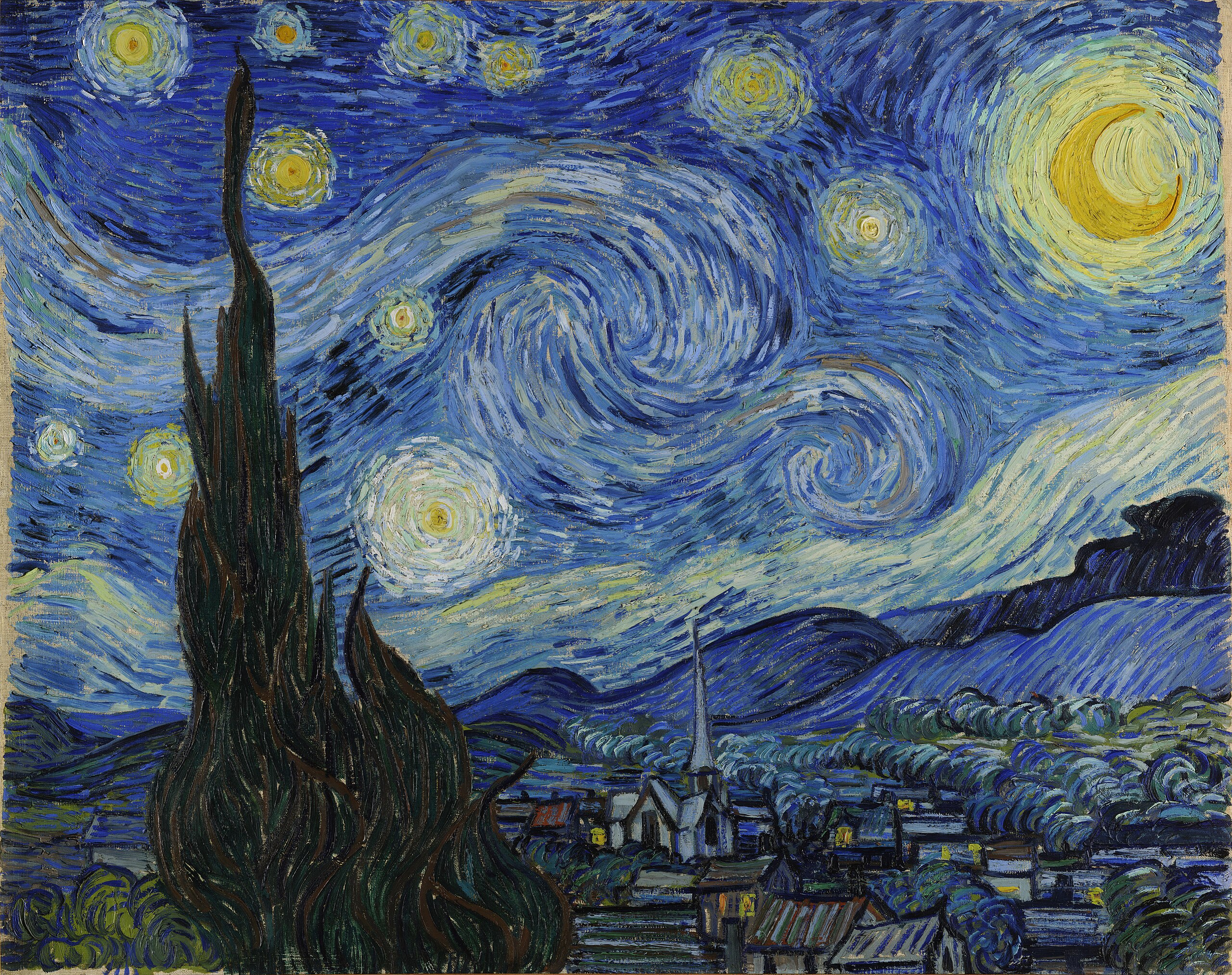
Starry Night
Vincent van Gogh
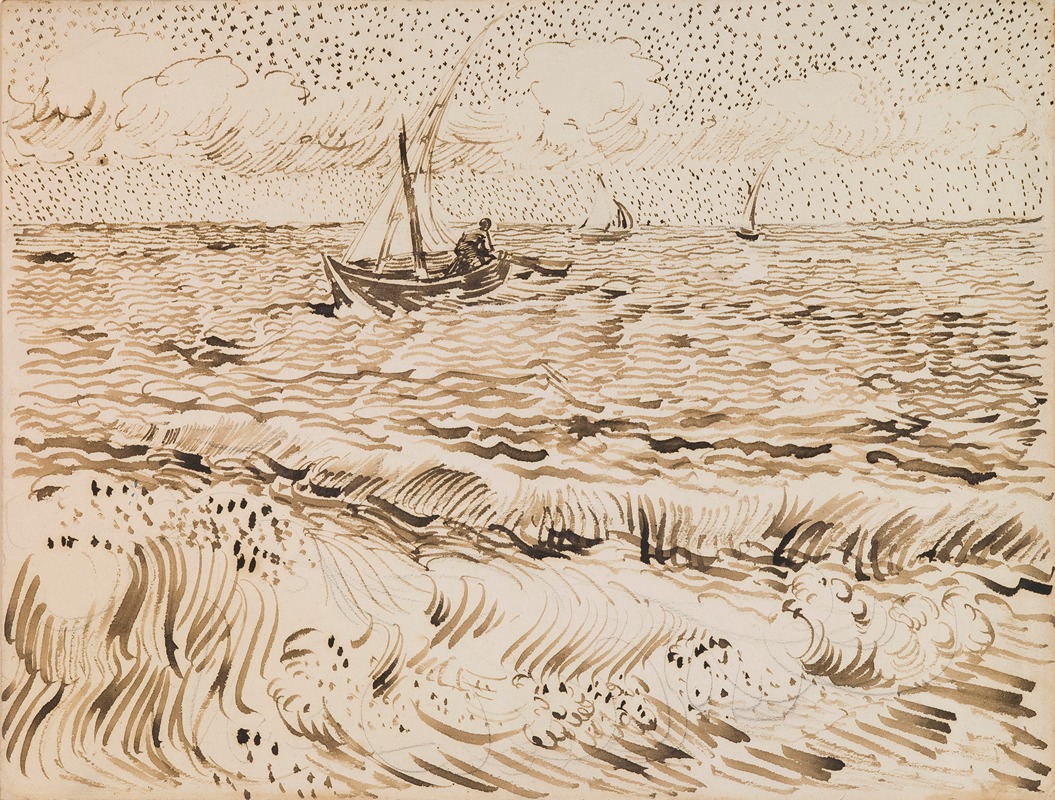
Fishing Boats at Saintes-Maries-de-la-Mer
Vincent van Gogh
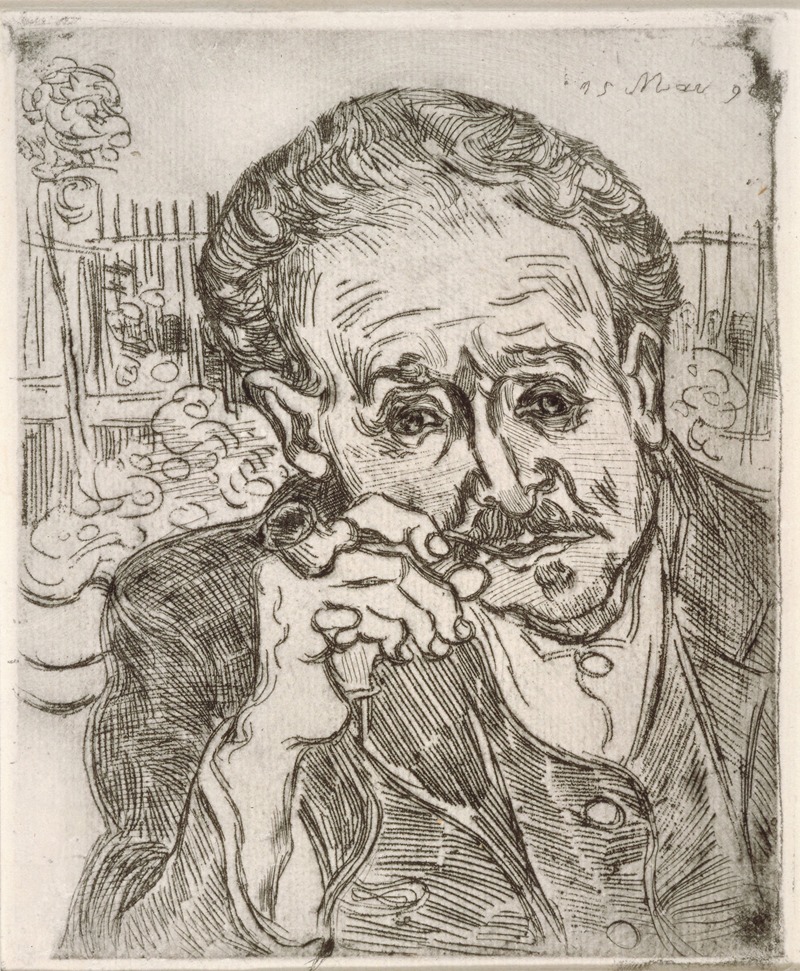
Portrait of Dr. Gachet (Auvers-sur-Oise)
Vincent van Gogh
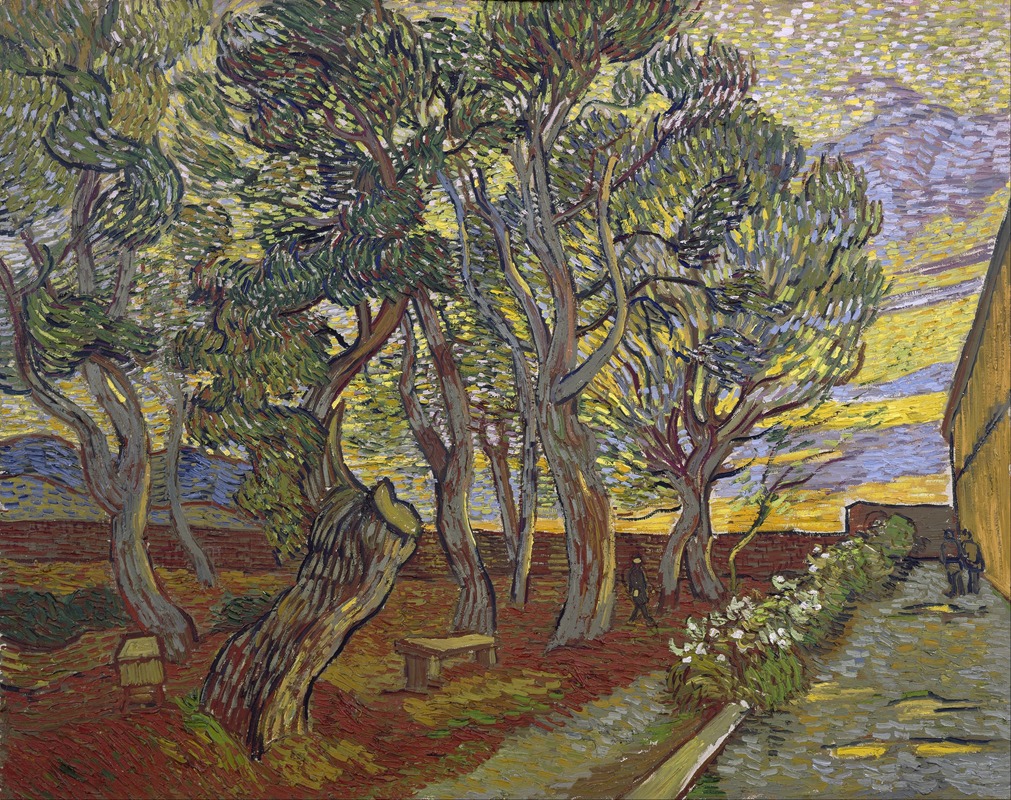
The garden of Saint Paul’s Hospital
Vincent van Gogh
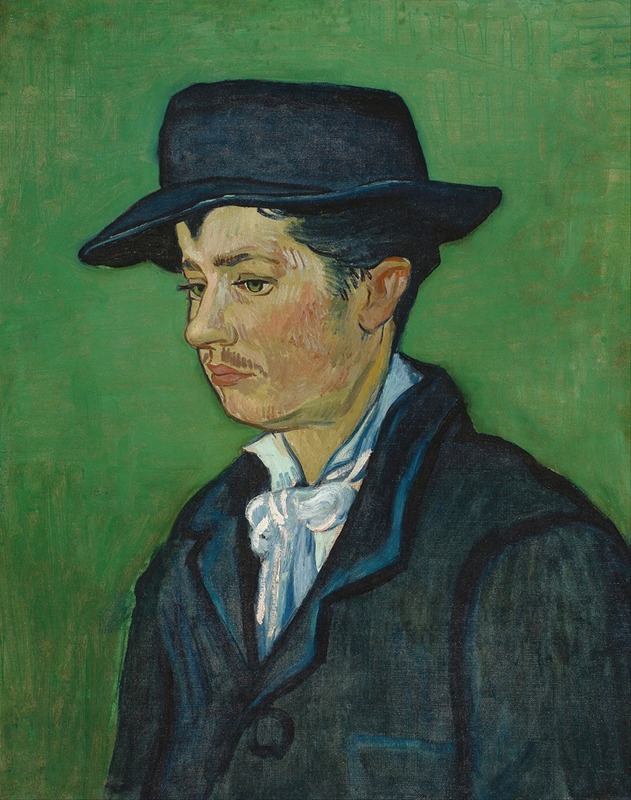
Portrait Of Armand Roulin
Vincent van Gogh
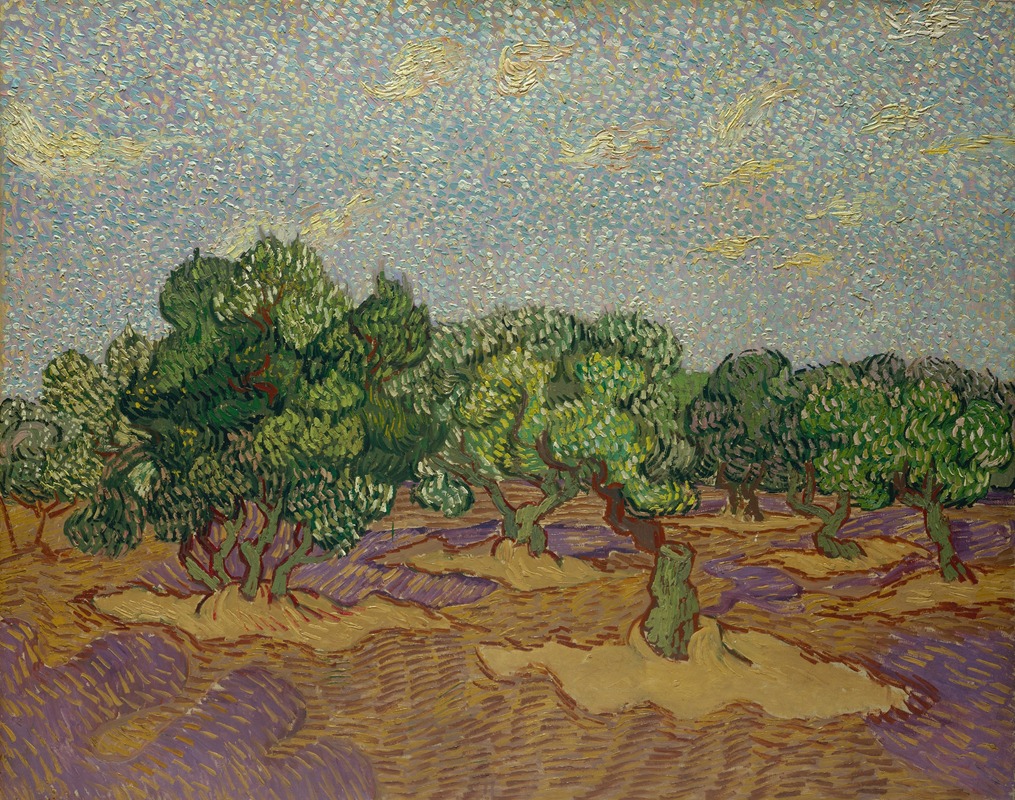
Olive Trees
Vincent van Gogh
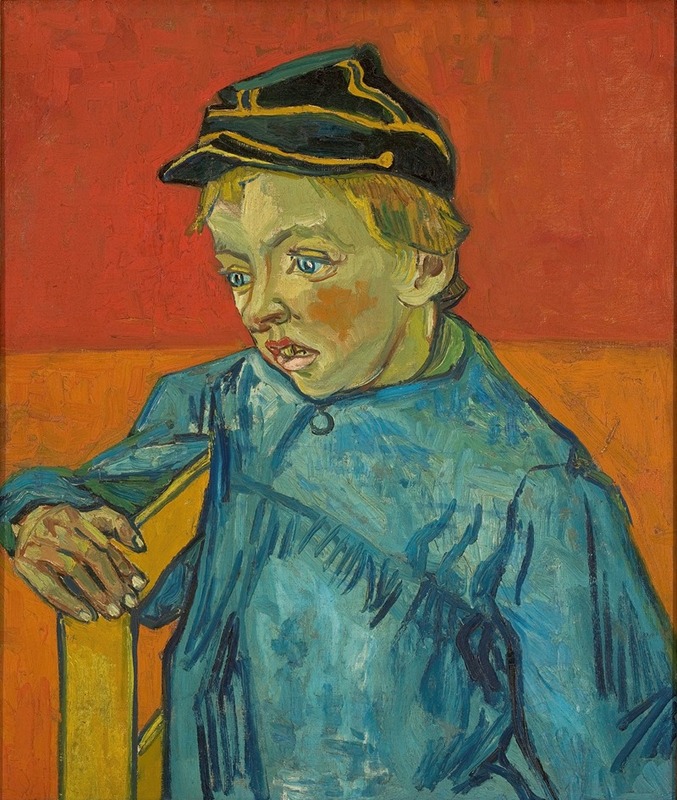
The Schoolboy (Camille Roulin)
Vincent van Gogh
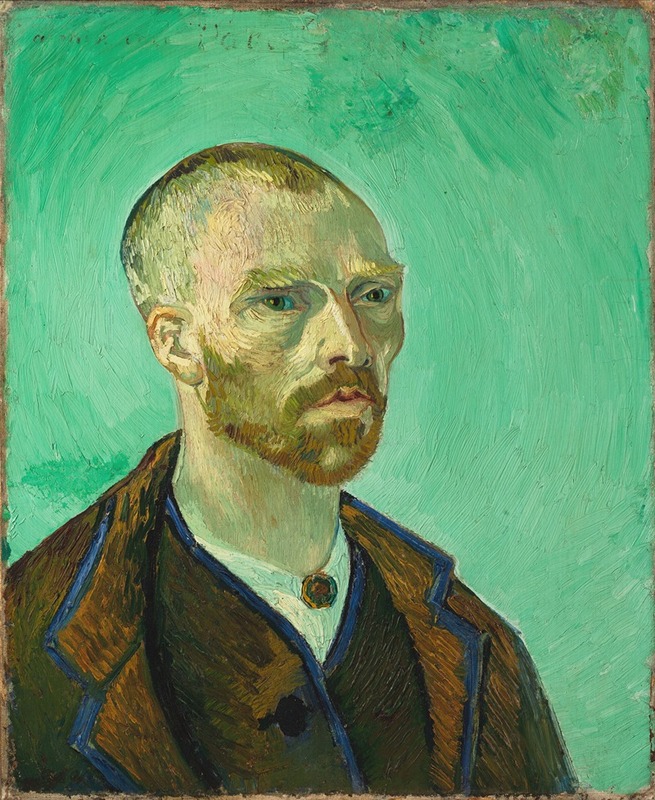
Self Portrait (dedicated to Paul Gauguin)
Vincent van Gogh
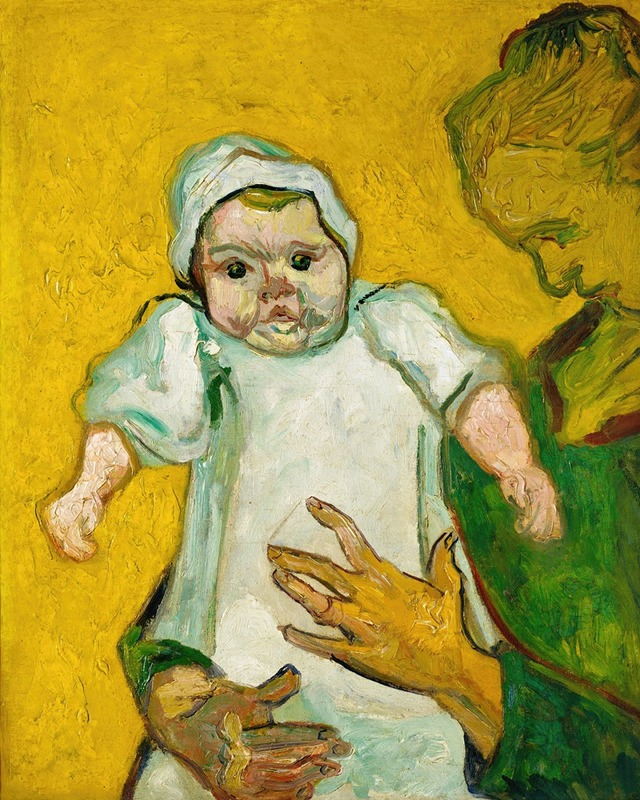
Madame Roulin and Her Baby
Vincent van Gogh
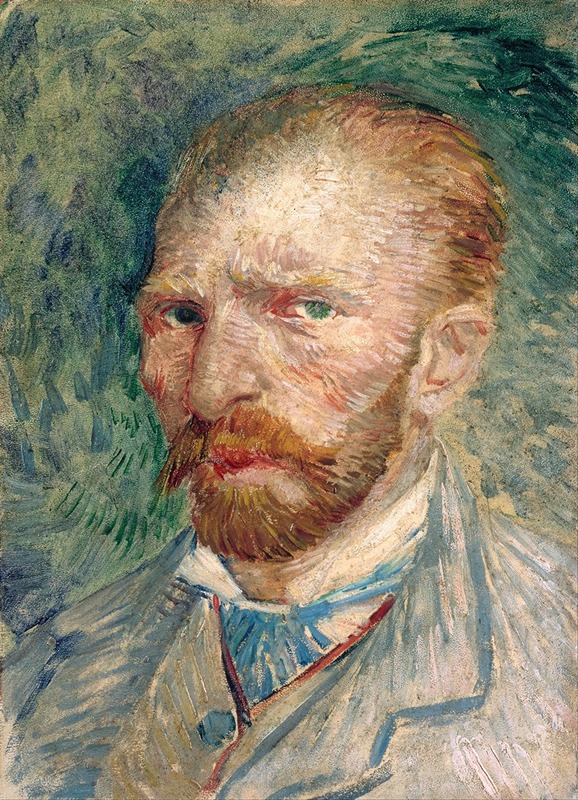
Self-Portrait
Vincent van Gogh