
Discover insights about this artwork
House at Auvers — History & Facts
In House at Auvers, Vincent van Gogh presents a rural scene dominated by a quaint house. The colors are vibrant, with bold yellows and greens contrasting against the blue sky. The setting is peaceful, surrounded by fields and trees, evoking a sense of tranquility.
The brushwork is expressive, typical of van Gogh's style, creating a lively atmosphere. This painting is executed in oil on canvas, measuring 60.3 x 73.0 cm. The brushstrokes are thick and textured, a hallmark of Post-Impressionism. The composition focuses on the house, which is slightly tilted, adding a dynamic quality to the scene.
The use of color is striking, with van Gogh's characteristic palette enhancing the emotional impact. House at Auvers was painted in June 1890, shortly before van Gogh's death. This work reflects his deep connection to the rural landscape of Auvers-sur-Oise, where he spent his final days. Interestingly, this painting is one of the last works he created, showcasing his evolving style.
Van Gogh's fascination with the countryside is evident, as he captures the essence of his surroundings with passion.
More Artworks by Vincent van Gogh
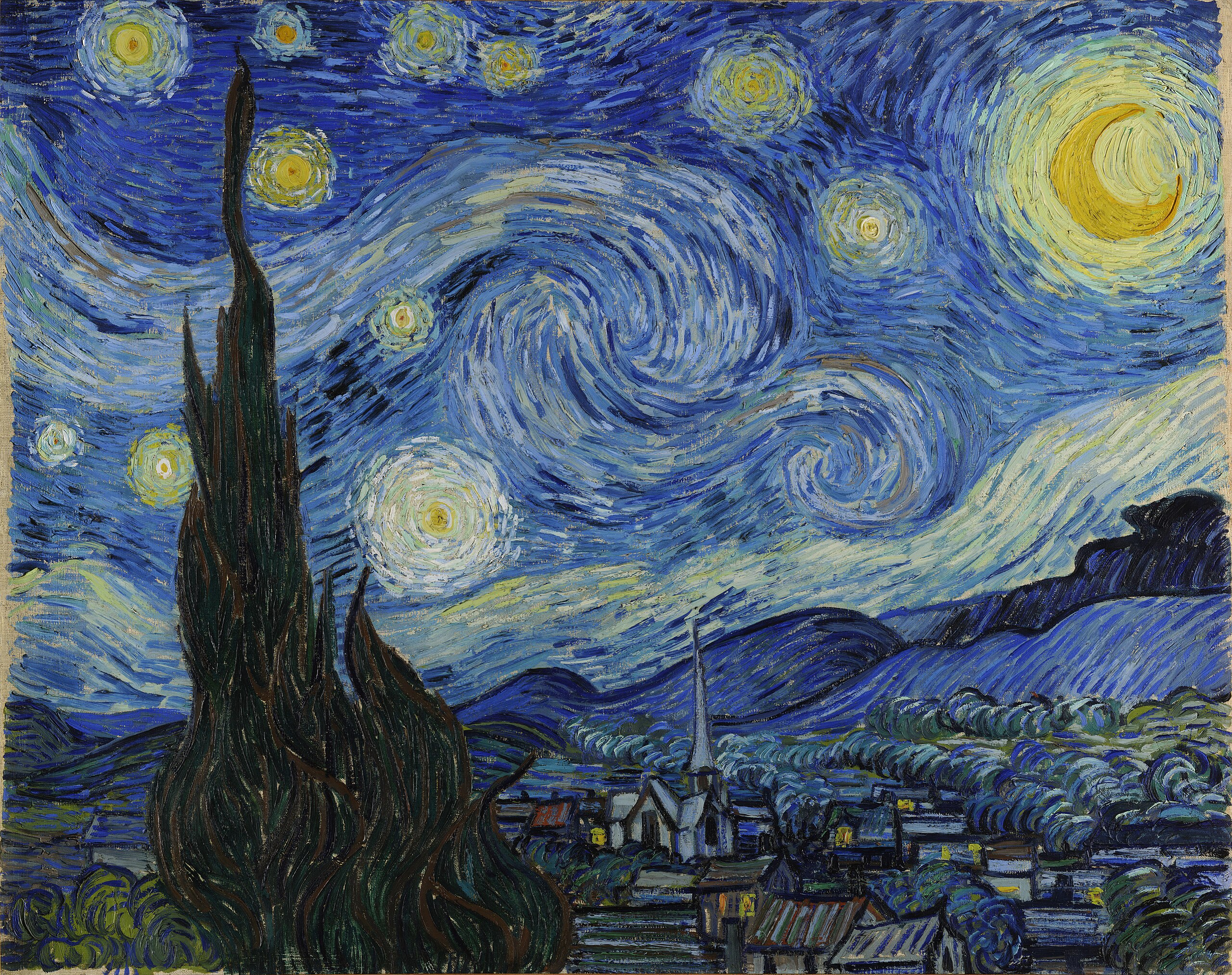
Starry Night
Vincent van Gogh
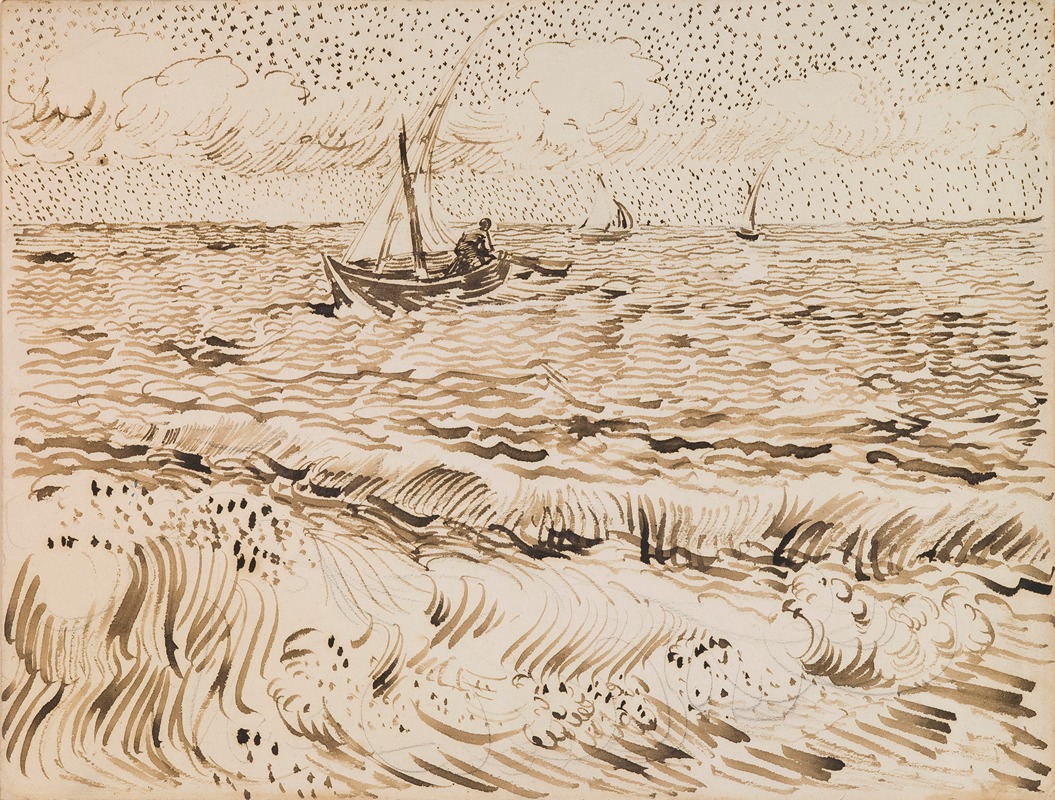
Fishing Boats at Saintes-Maries-de-la-Mer
Vincent van Gogh
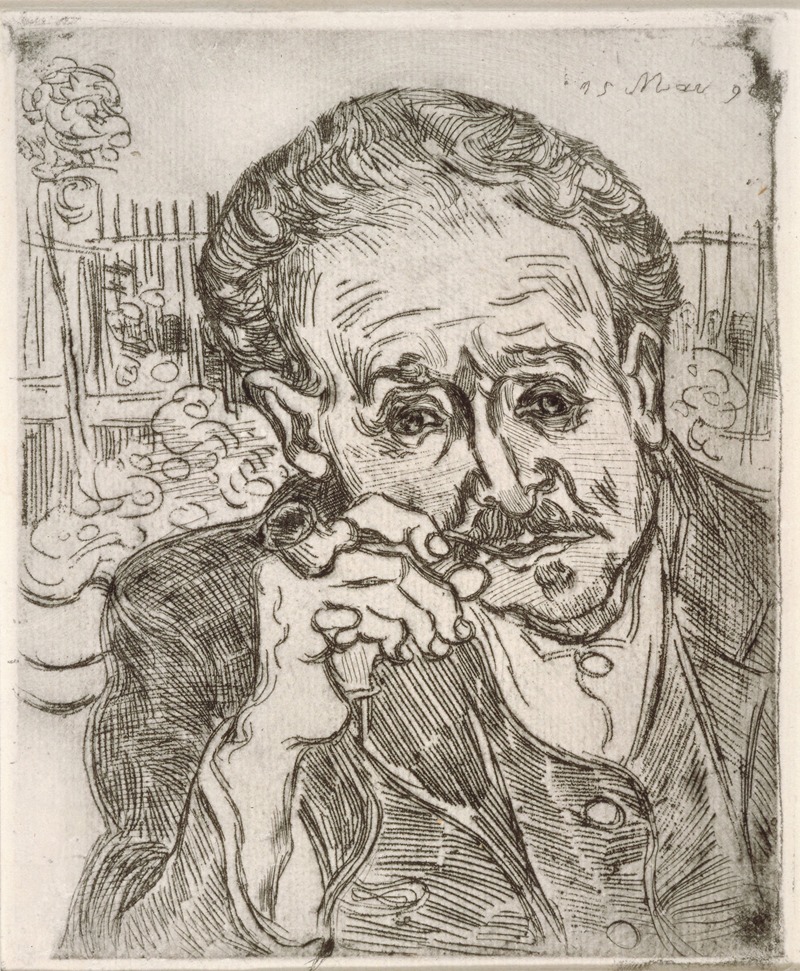
Portrait of Dr. Gachet (Auvers-sur-Oise)
Vincent van Gogh
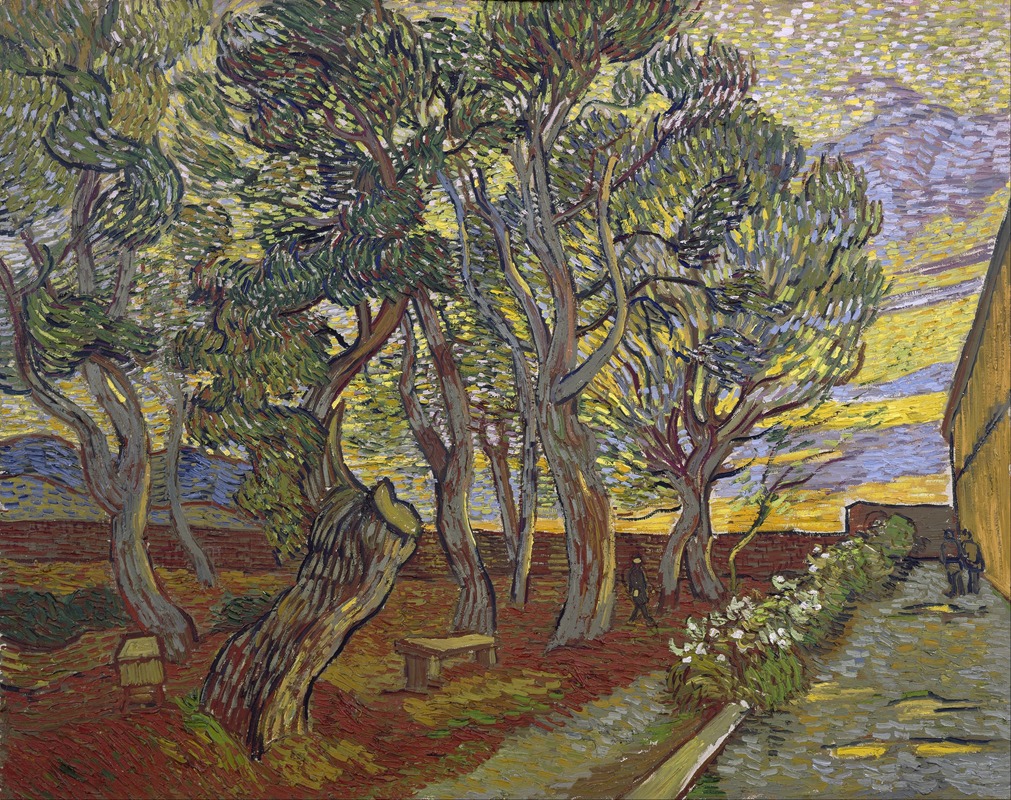
The garden of Saint Paul’s Hospital
Vincent van Gogh
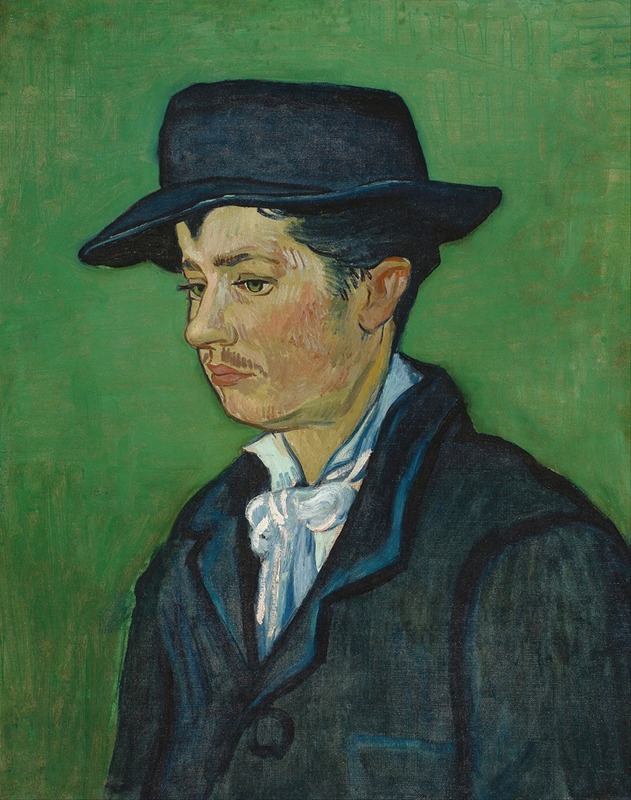
Portrait Of Armand Roulin
Vincent van Gogh
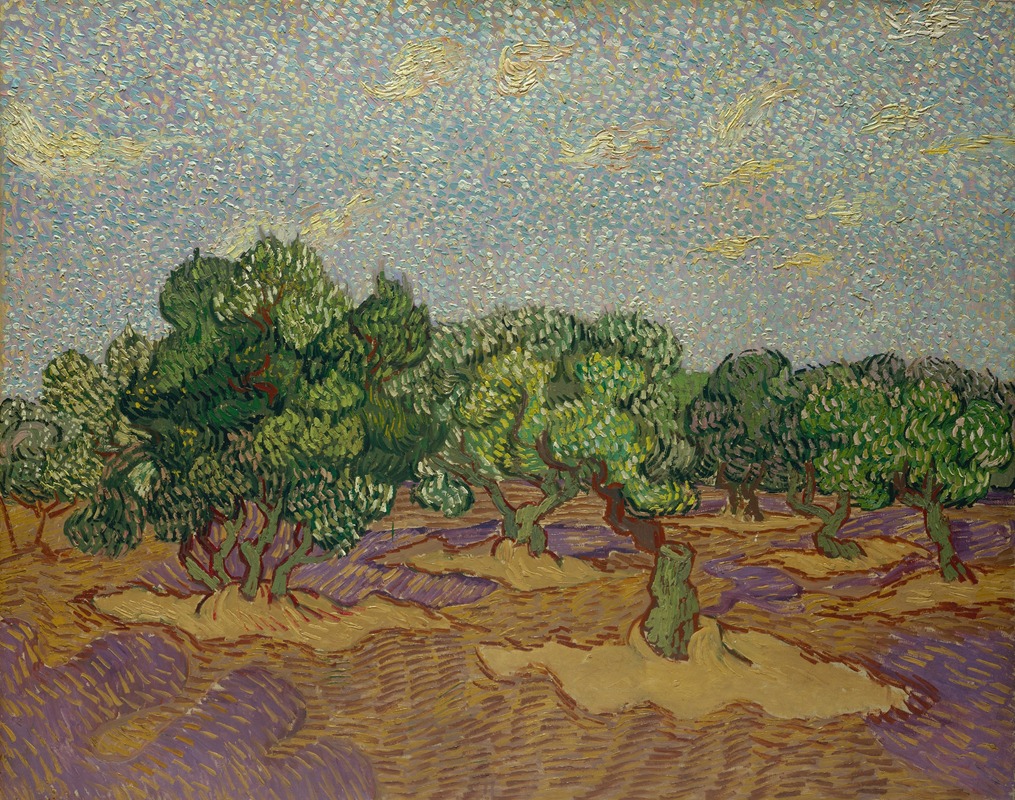
Olive Trees
Vincent van Gogh
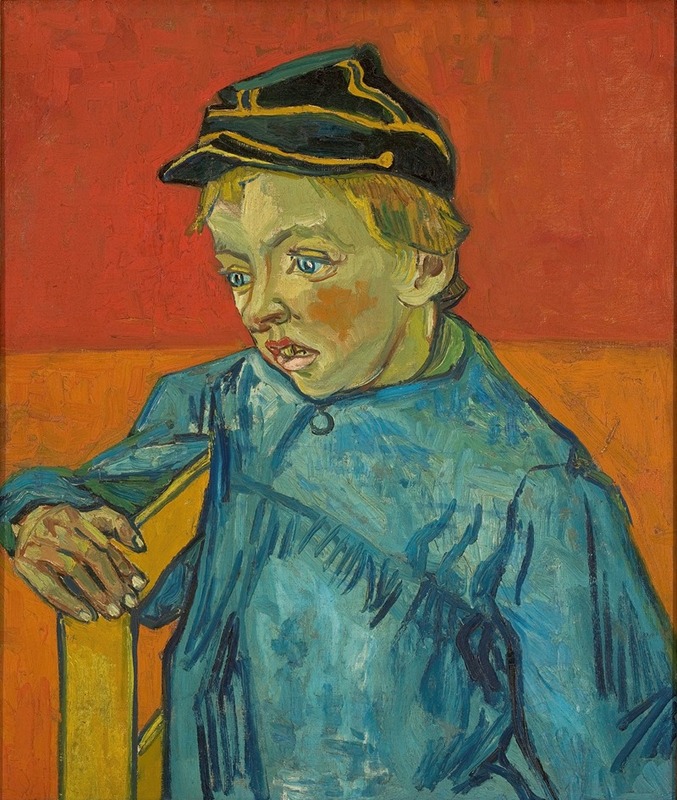
The Schoolboy (Camille Roulin)
Vincent van Gogh
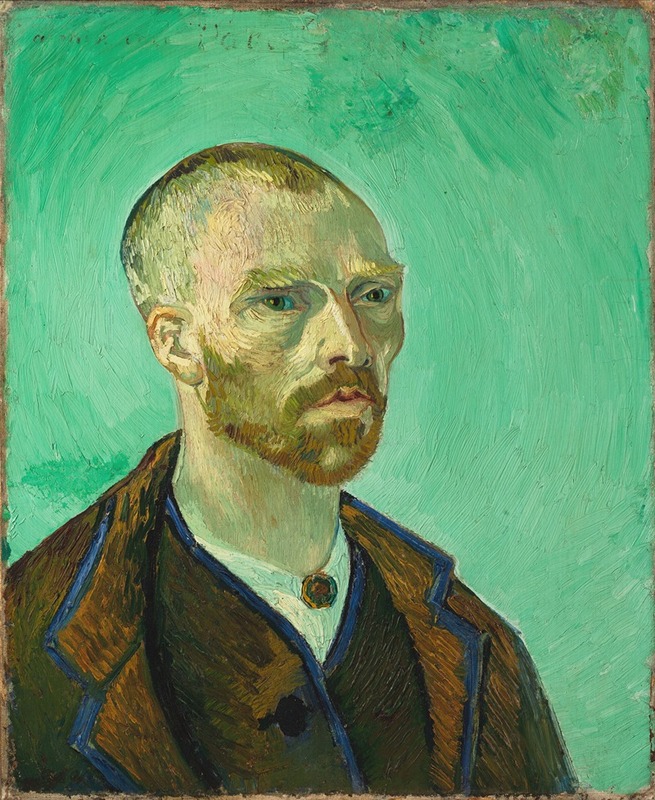
Self Portrait (dedicated to Paul Gauguin)
Vincent van Gogh
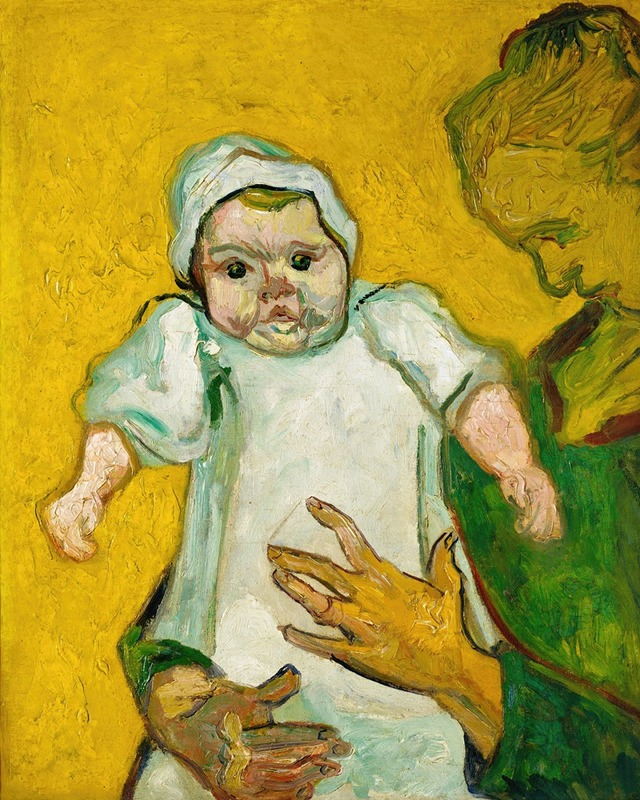
Madame Roulin and Her Baby
Vincent van Gogh
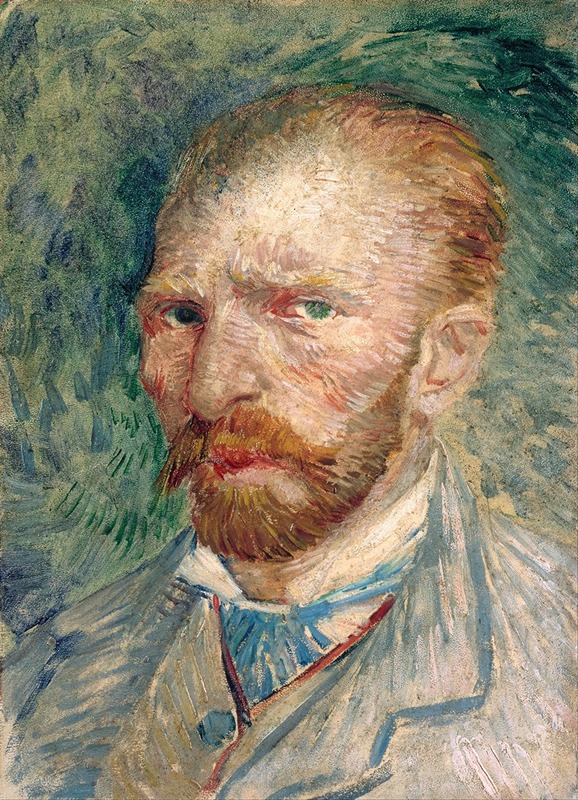
Self-Portrait
Vincent van Gogh
More Architecture Art
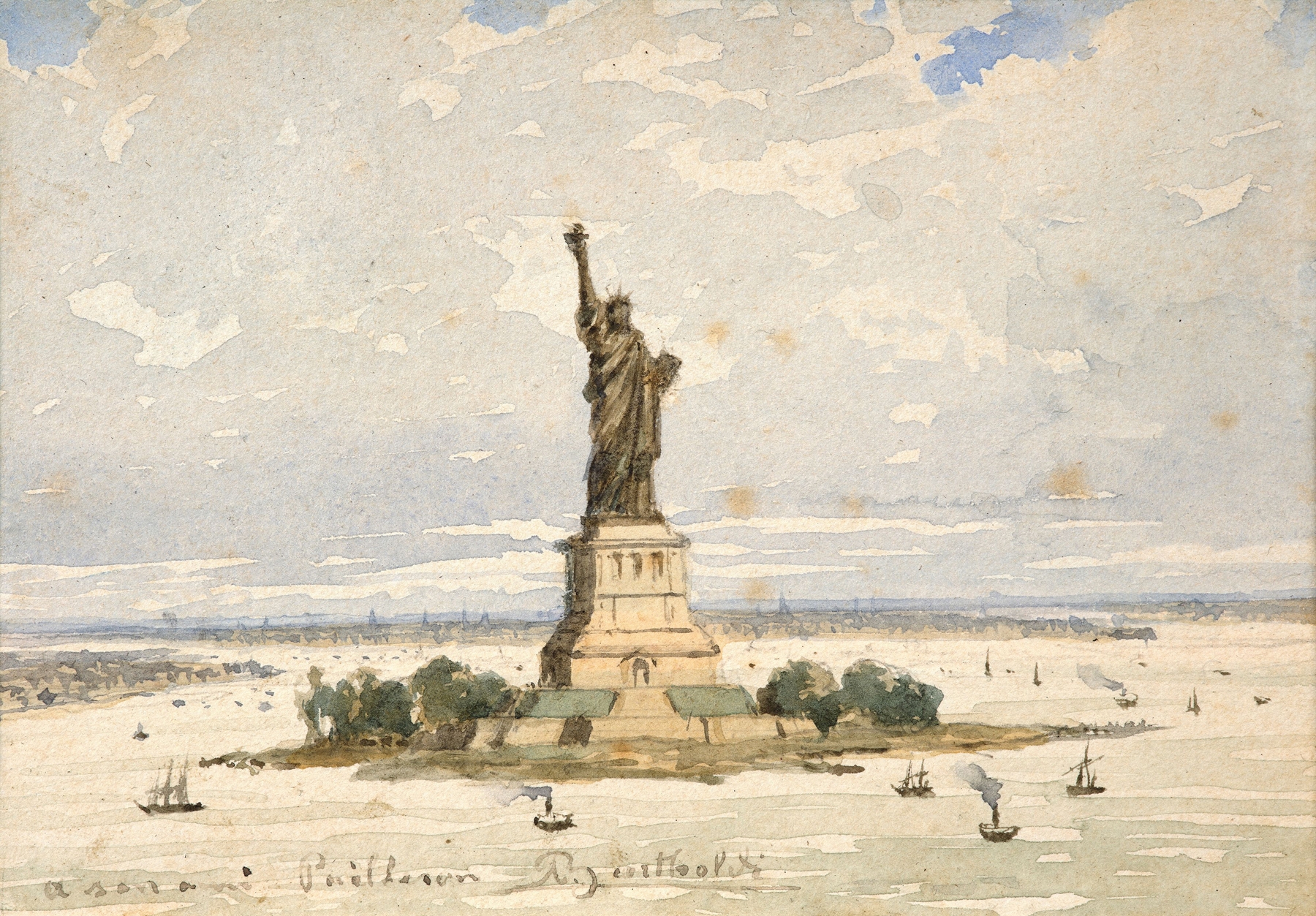
The statue of Liberty
Frédéric Auguste Bartholdi
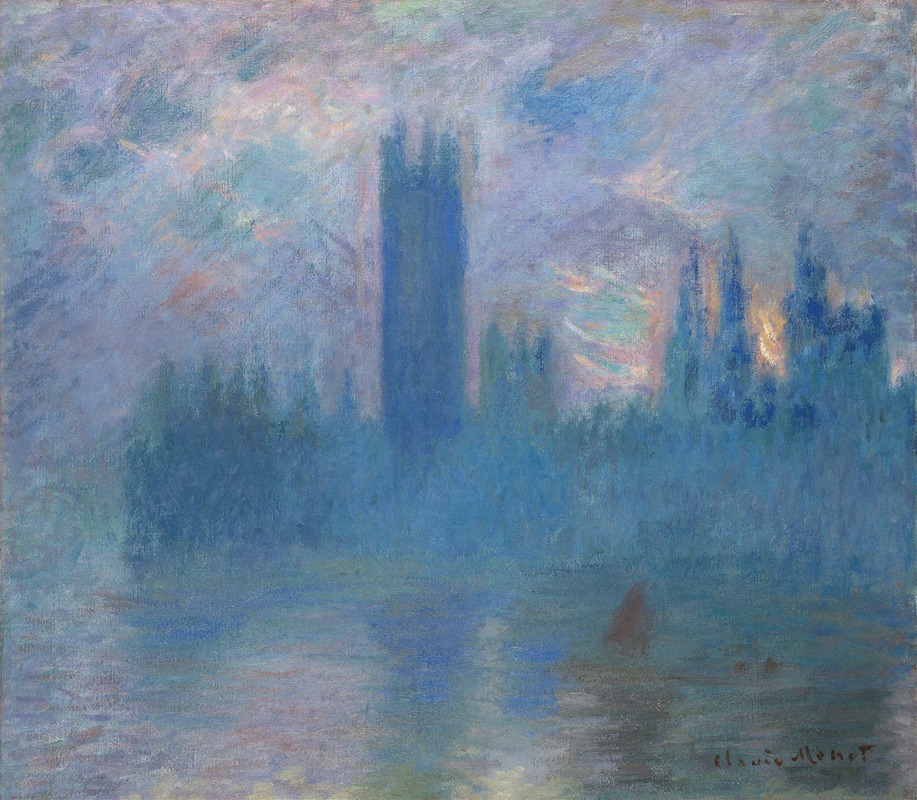
Houses of Parliament, London
Claude Monet
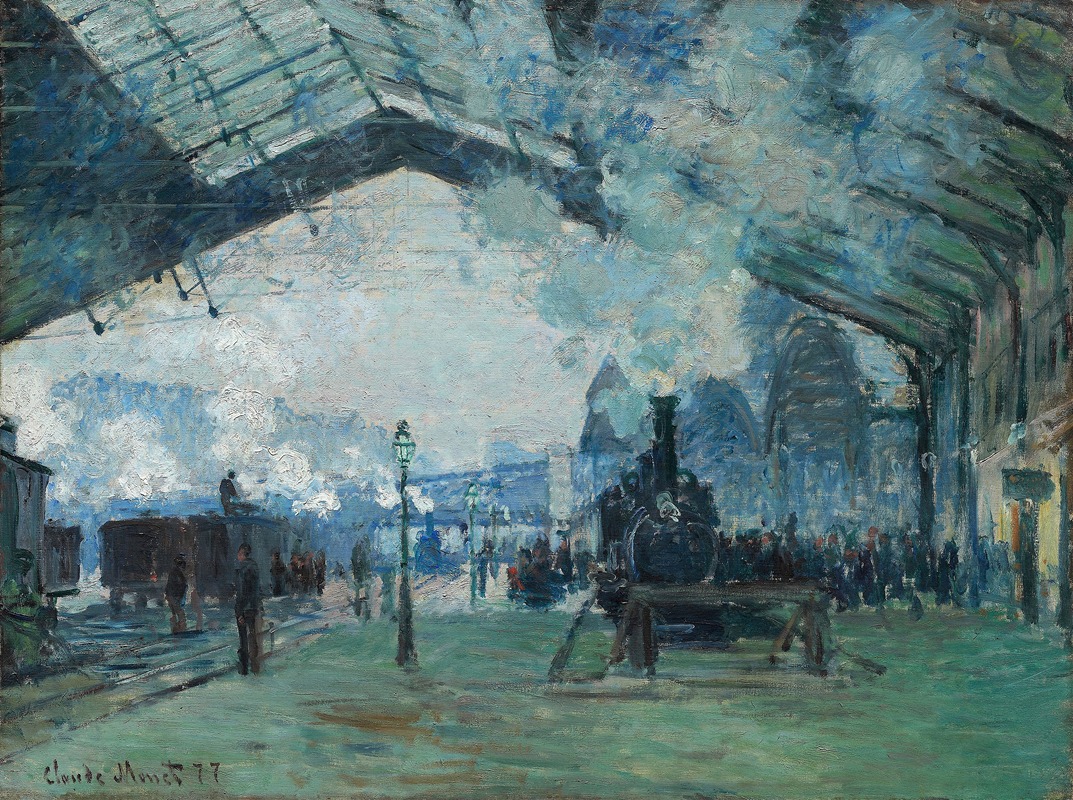
Arrival of the Normandy Train, Gare Saint-Lazare
Claude Monet
Houses of Parliament, London
Claude Monet
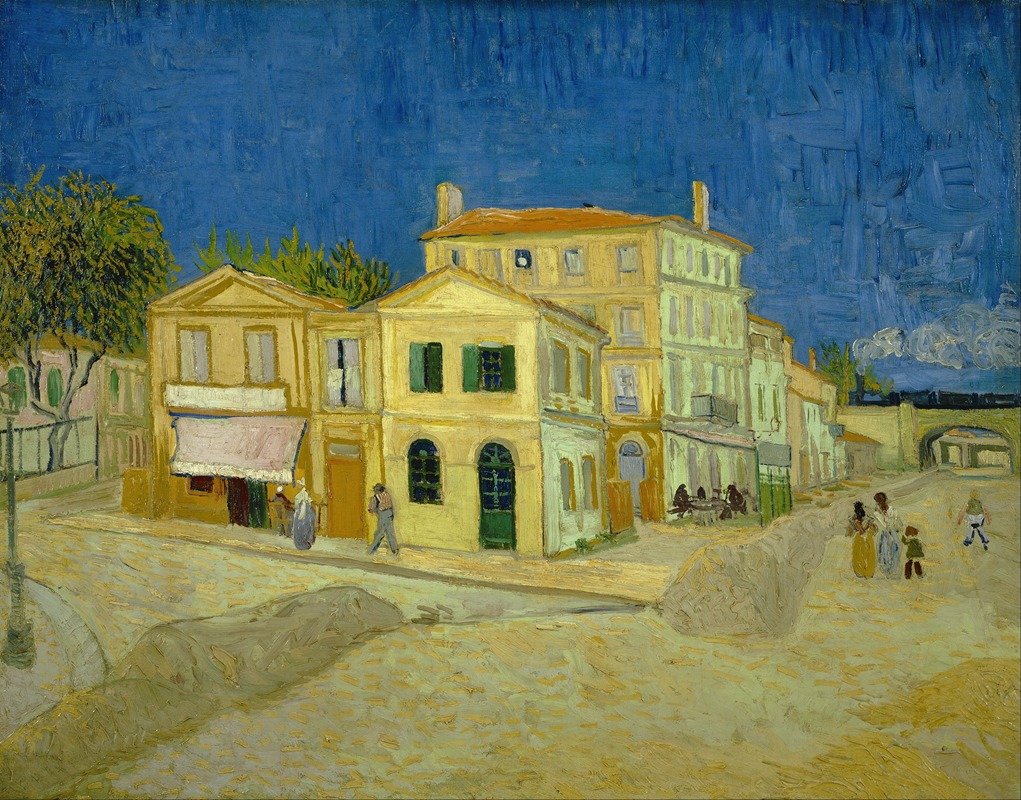
The yellow house (`The street’)
Vincent van Gogh
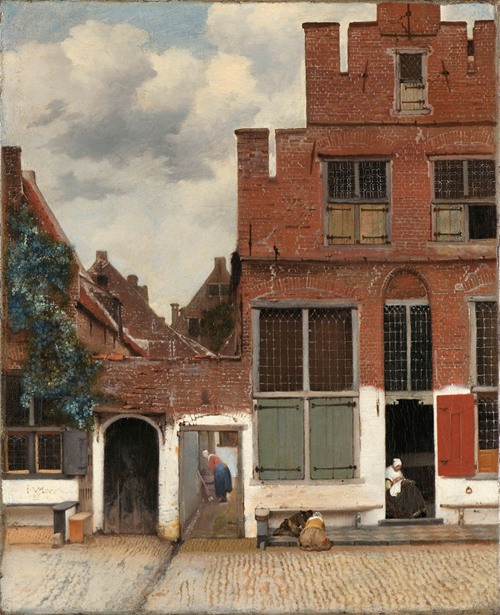
View of Houses in Delft, Known as ‘The Little Street’
Johannes Vermeer