Discover insights about this artwork
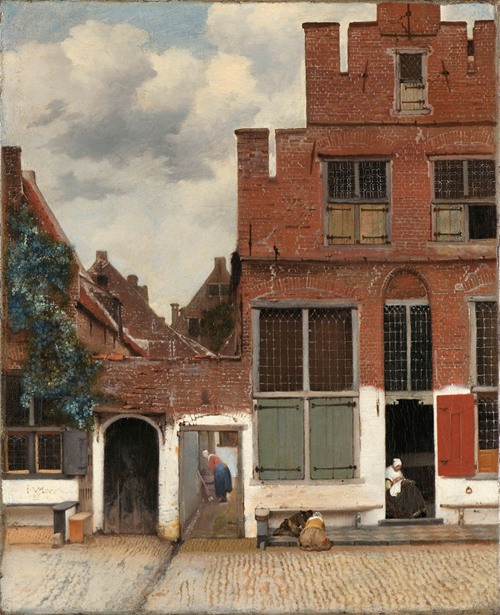
The yellow house (`The street’) — History & Facts
In The Yellow House, Vincent van Gogh uses bright yellows and blues to depict his residence in Arles. The house stands out against a vibrant sky, surrounded by lush greenery. The composition is lively, with dynamic brushstrokes that convey movement and energy.
Figures can be seen in the foreground, adding a sense of life to the scene. This painting is an oil on canvas, measuring 73.7 x 92.1 cm. Van Gogh's characteristic thick application of paint, known as impasto, is evident throughout the work. The bold colors and expressive forms are typical of his Post-Impressionist style.
The painting captures the essence of his time in Arles, where he sought inspiration and community. The Yellow House was painted in 1888, during Van Gogh's time in Arles, where he envisioned creating an artist community. This work is significant as it represents his desire for connection and collaboration with fellow artists. Interestingly, the house itself became a symbol of his aspirations, although it was later destroyed.
Today, the painting is housed in the Van Gogh Museum in Amsterdam.
More Artworks by Vincent van Gogh
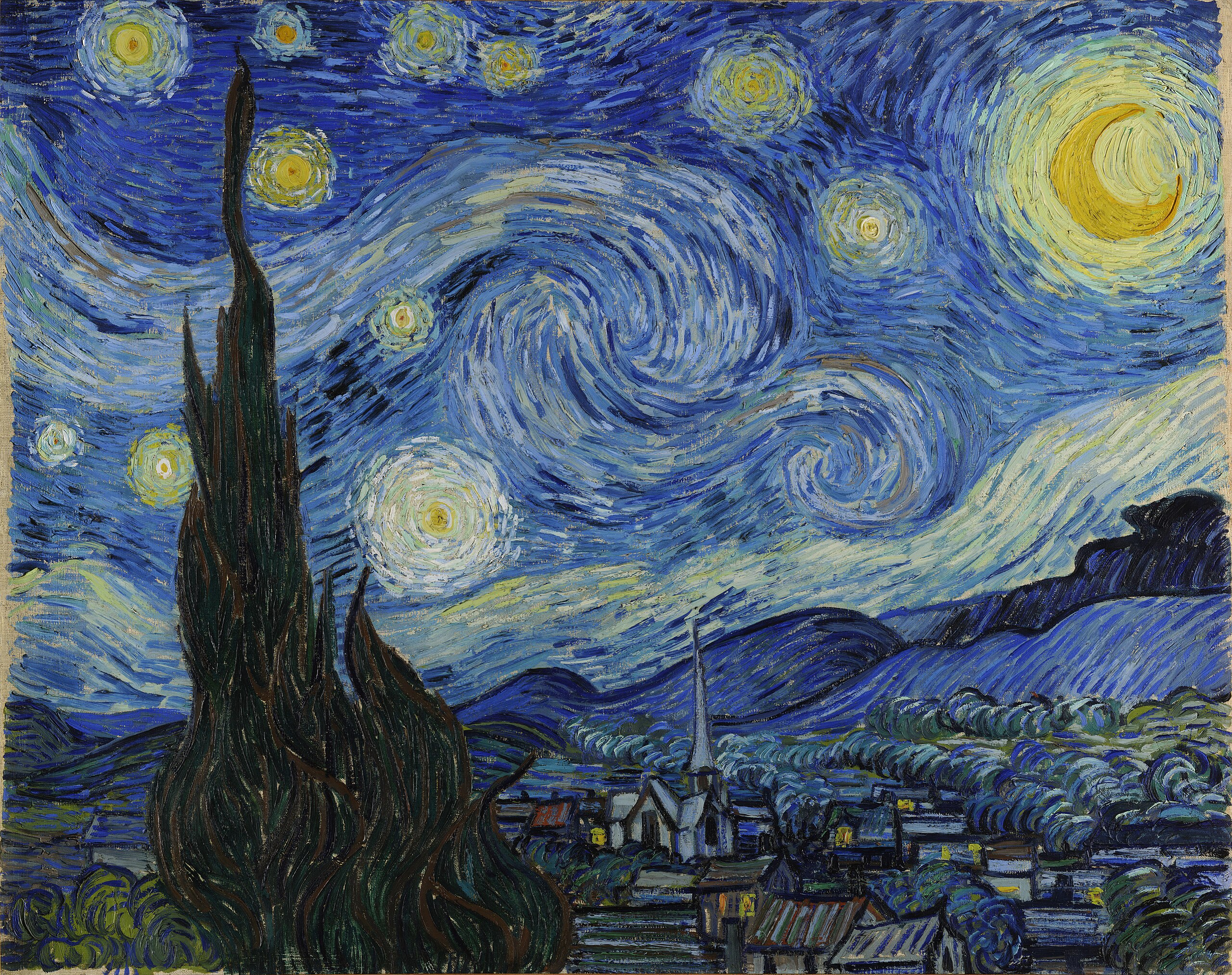
Starry Night
Vincent van Gogh
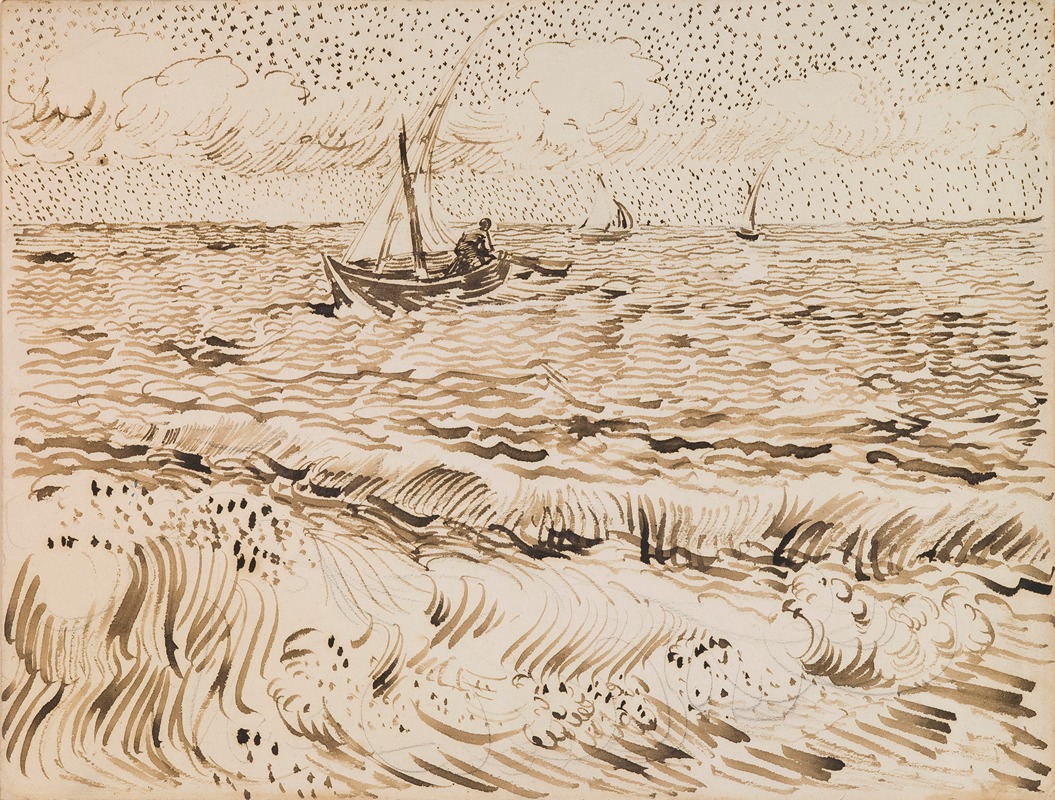
Fishing Boats at Saintes-Maries-de-la-Mer
Vincent van Gogh
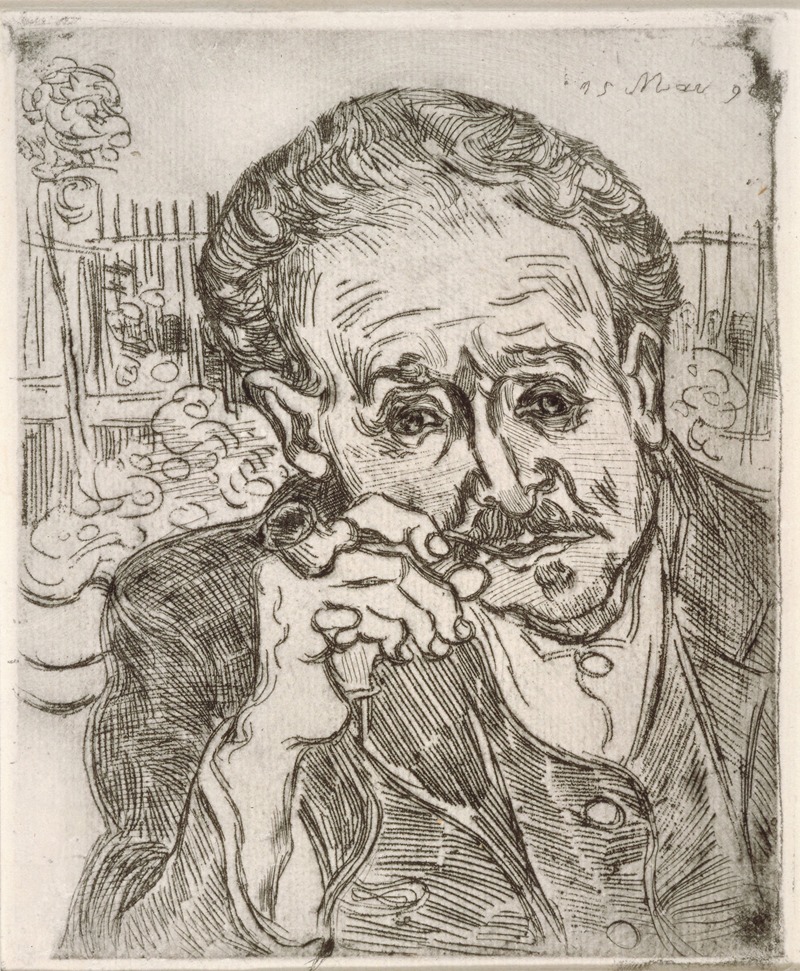
Portrait of Dr. Gachet (Auvers-sur-Oise)
Vincent van Gogh
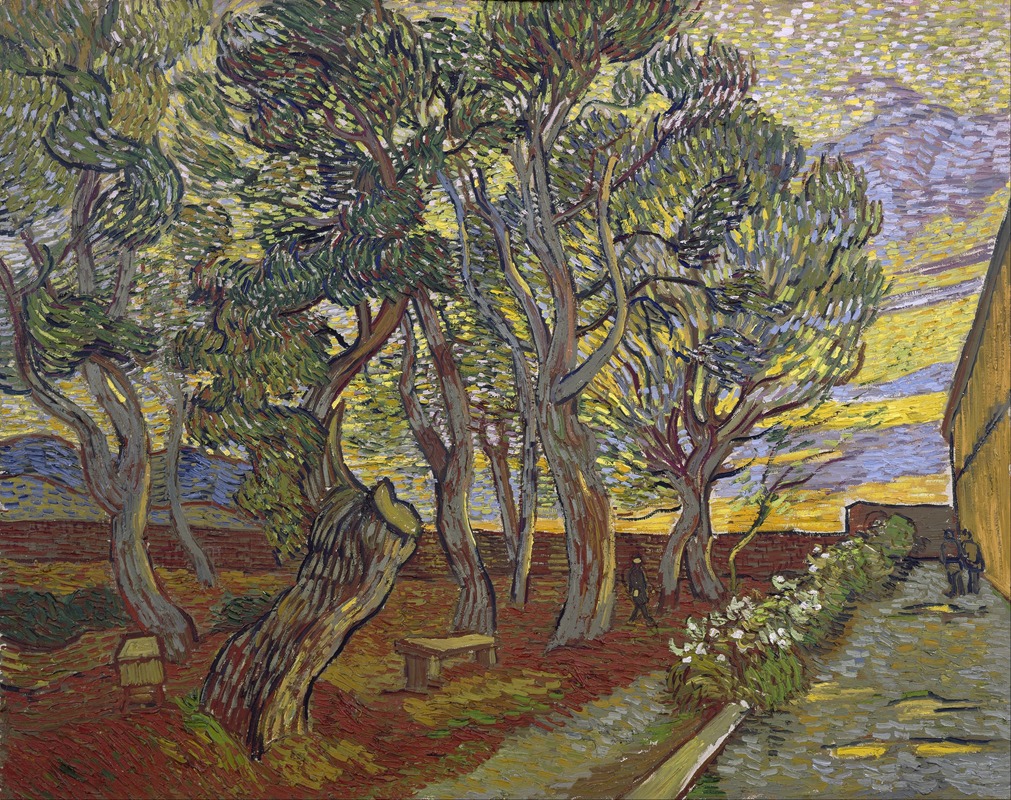
The garden of Saint Paul’s Hospital
Vincent van Gogh
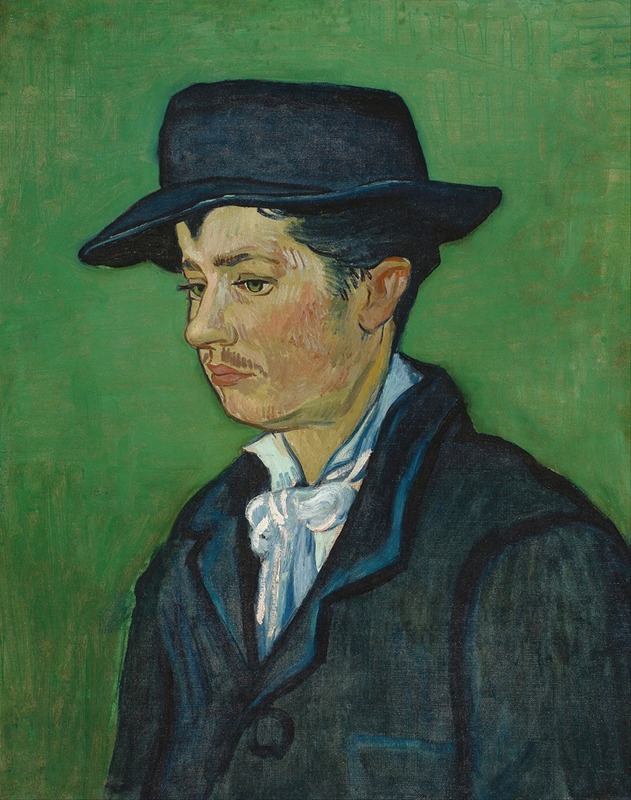
Portrait Of Armand Roulin
Vincent van Gogh
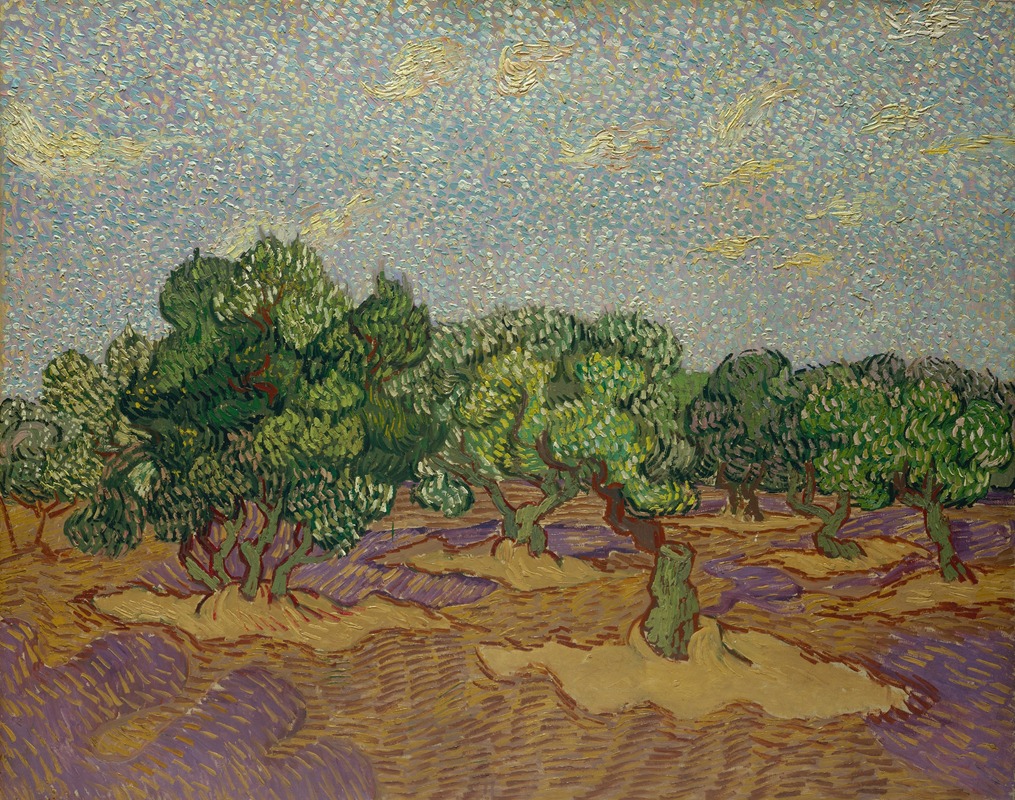
Olive Trees
Vincent van Gogh
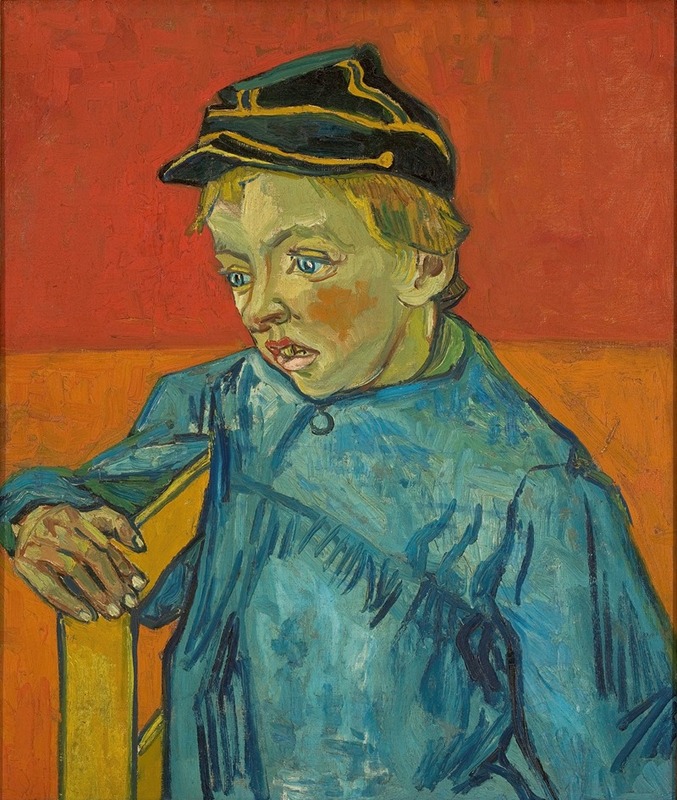
The Schoolboy (Camille Roulin)
Vincent van Gogh
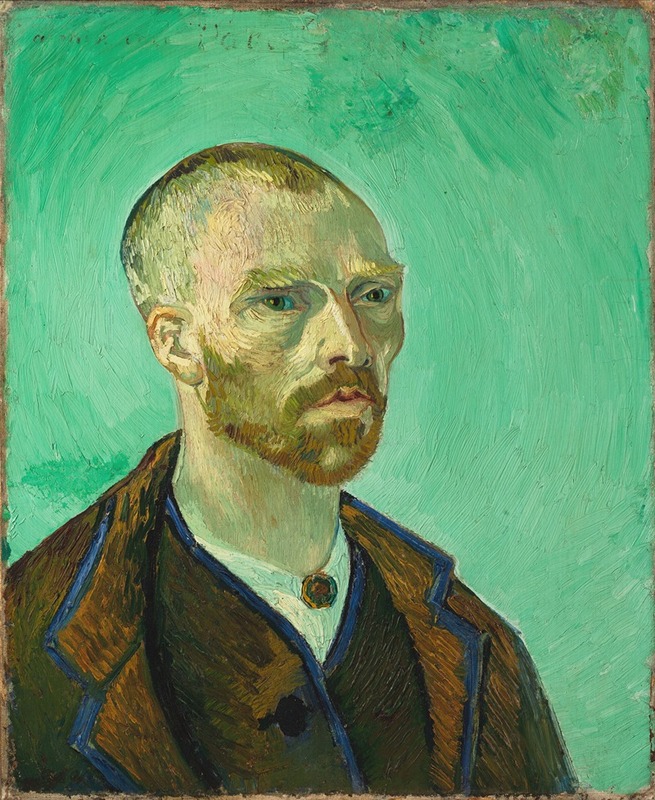
Self Portrait (dedicated to Paul Gauguin)
Vincent van Gogh
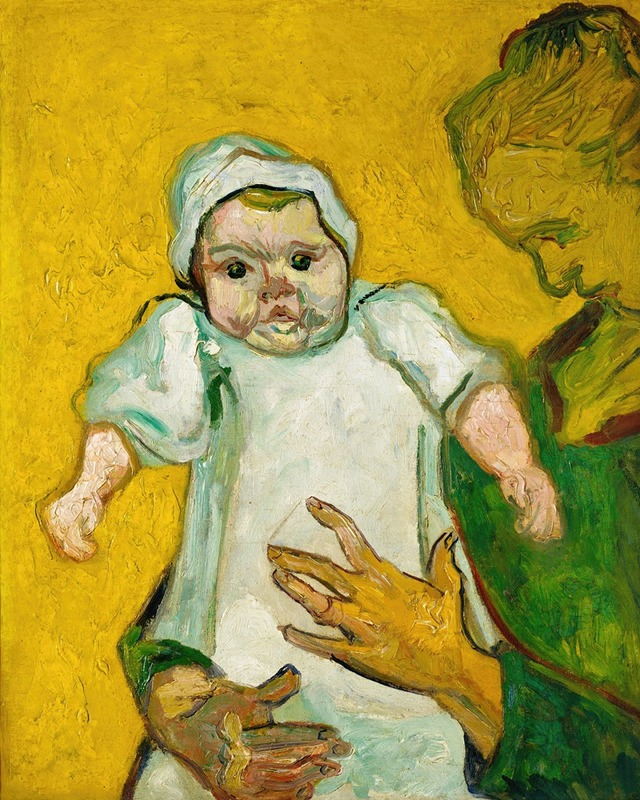
Madame Roulin and Her Baby
Vincent van Gogh
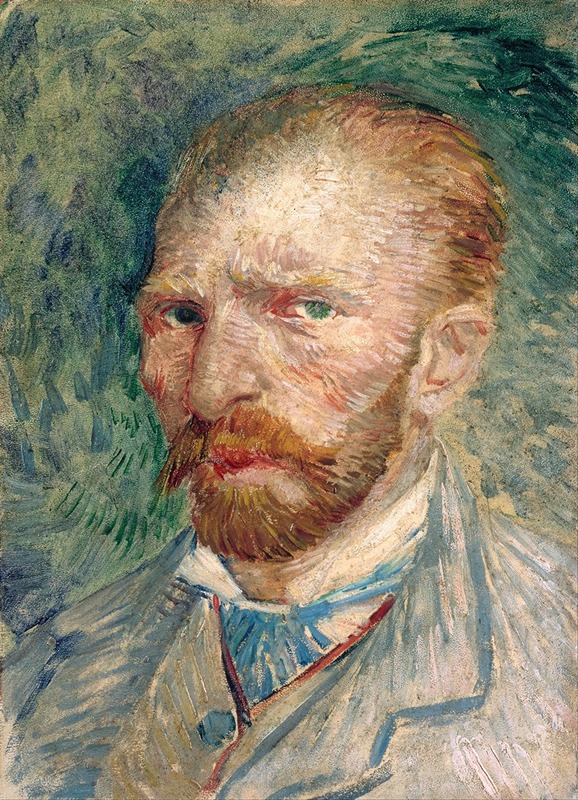
Self-Portrait
Vincent van Gogh