
The Maypole Inn — History & Facts
In a world where fleeting moments are lost to time, art becomes a vessel carrying the weight of legacy, inviting each viewer to reflect on the stories etched within. Focus first on the serene landscape that spreads across the canvas, where the quaint Maypole Inn stands resolute against a backdrop of gently rolling hills. Notice how the warm, golden hues of the sunlight bathe the inn’s façade, creating an inviting atmosphere. Look closely at the intricate detailing of the structure; the windows reflect a playful dance of light and shadow, drawing the viewer's eye to the delicate contrast between the rustic charm of the inn and the lush greenery that envelops it.
The composition, balanced yet dynamic, beckons you to step into this idyllic scene. Beneath the surface, the painting captures a dialogue between permanence and transience. The inn represents a sanctuary of human experience—its sturdy walls shelter countless stories, laughter, and perhaps heartaches. The surrounding landscape, with its ephemeral quality, symbolizes the passage of time, reminding us of what is lost and what remains.
This juxtaposition evokes a sense of nostalgia, urging the viewer to consider their own legacies and the spaces that have shaped their lives. During the period when this piece was created, the artist, active in the early 20th century, sought to meld the boundaries of realism and impressionism. Living in England, he was influenced by a burgeoning appreciation for pastoral themes amidst urbanization. Though the exact date of this particular work remains uncertain, it reflects the artist's dedication to capturing the essence of English countryside life at a time when such places were becoming increasingly rare in the modern world.
More Artworks by Frederick Landseer Maur Griggs
Browse all →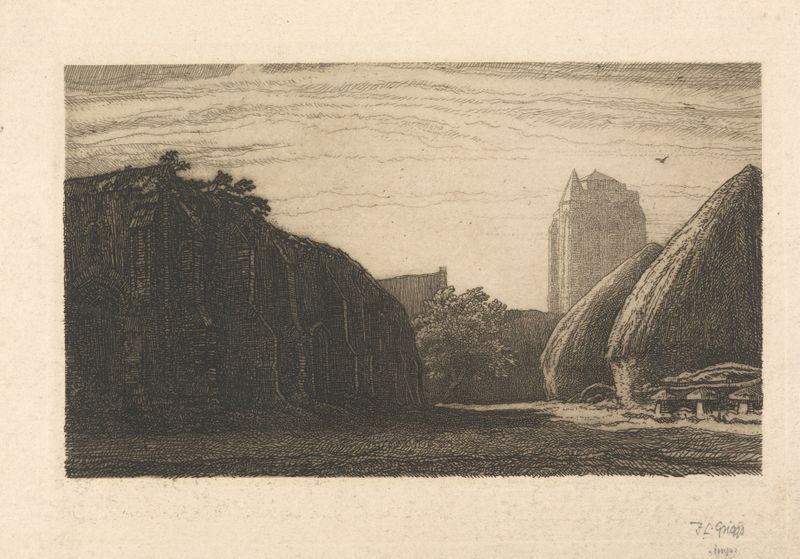
Maur’s Farm
Frederick Landseer Maur Griggs
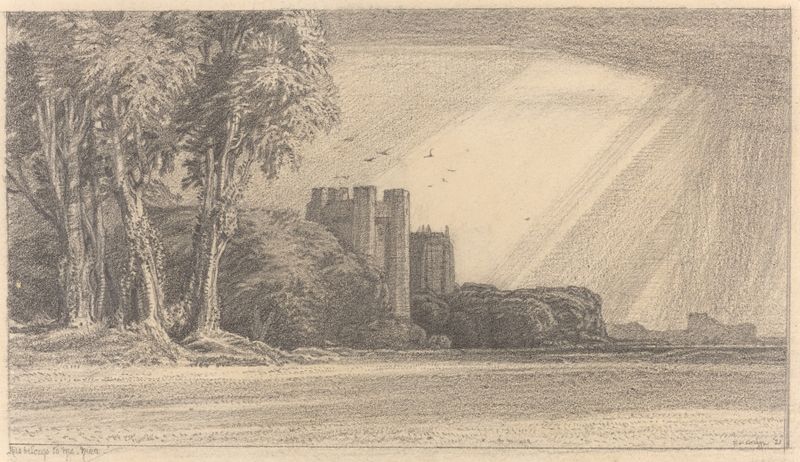
Landscape with Castle
Frederick Landseer Maur Griggs
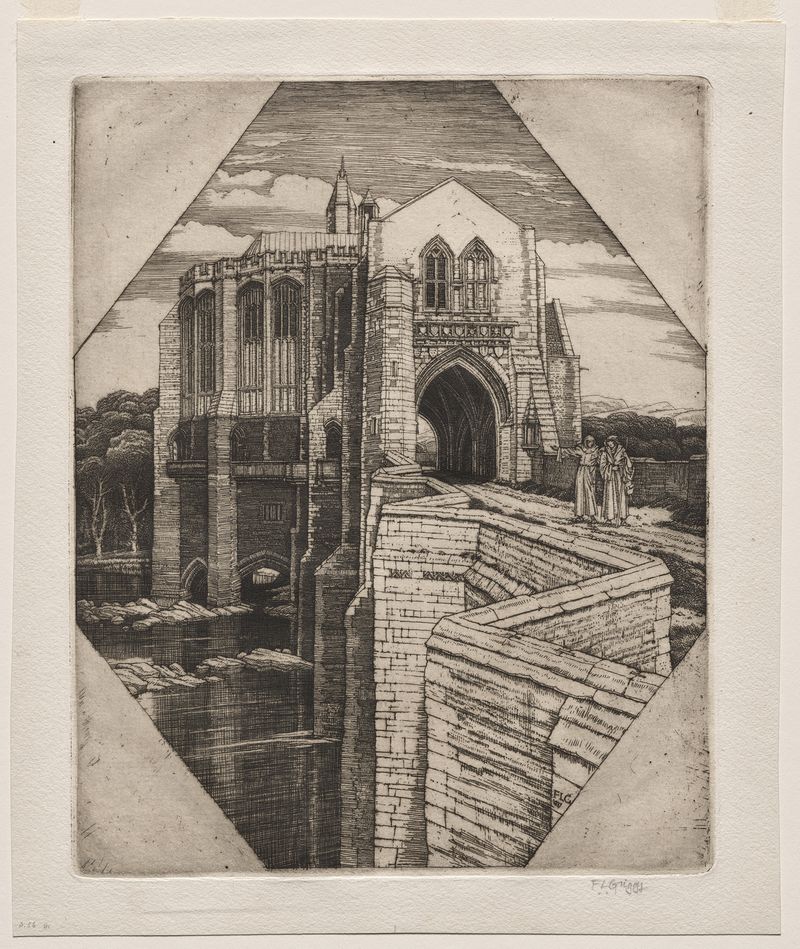
St. Botolph’s Bridge No. 2 1937
Frederick Landseer Maur Griggs
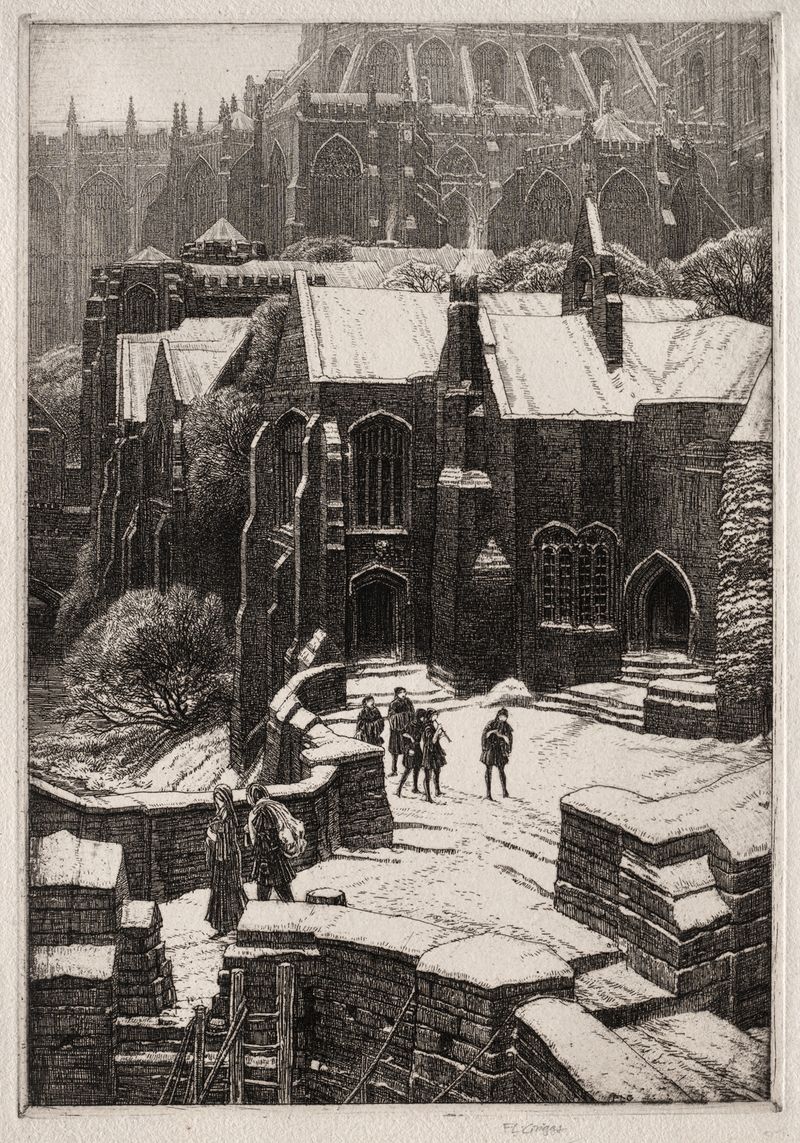
The Almonry
Frederick Landseer Maur Griggs

The Cresset
Frederick Landseer Maur Griggs
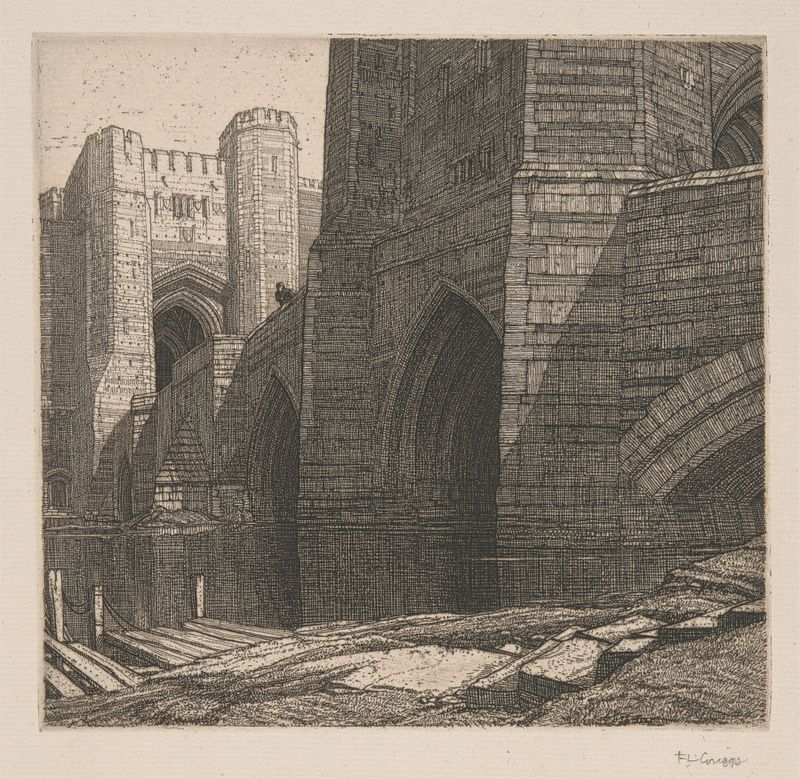
The Barbican
Frederick Landseer Maur Griggs

Maur’s Farm
Frederick Landseer Maur Griggs
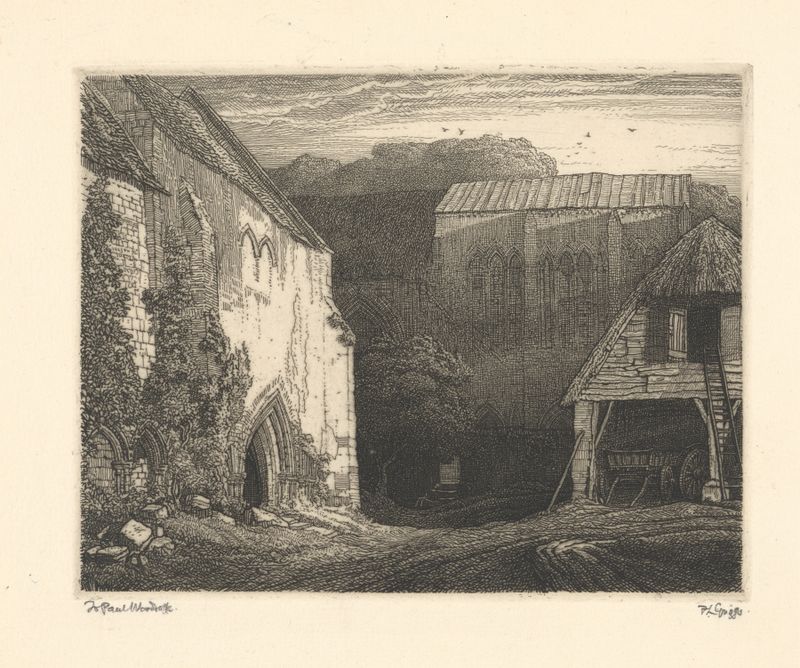
Priory Farm
Frederick Landseer Maur Griggs

St. Wendred’s March
Frederick Landseer Maur Griggs
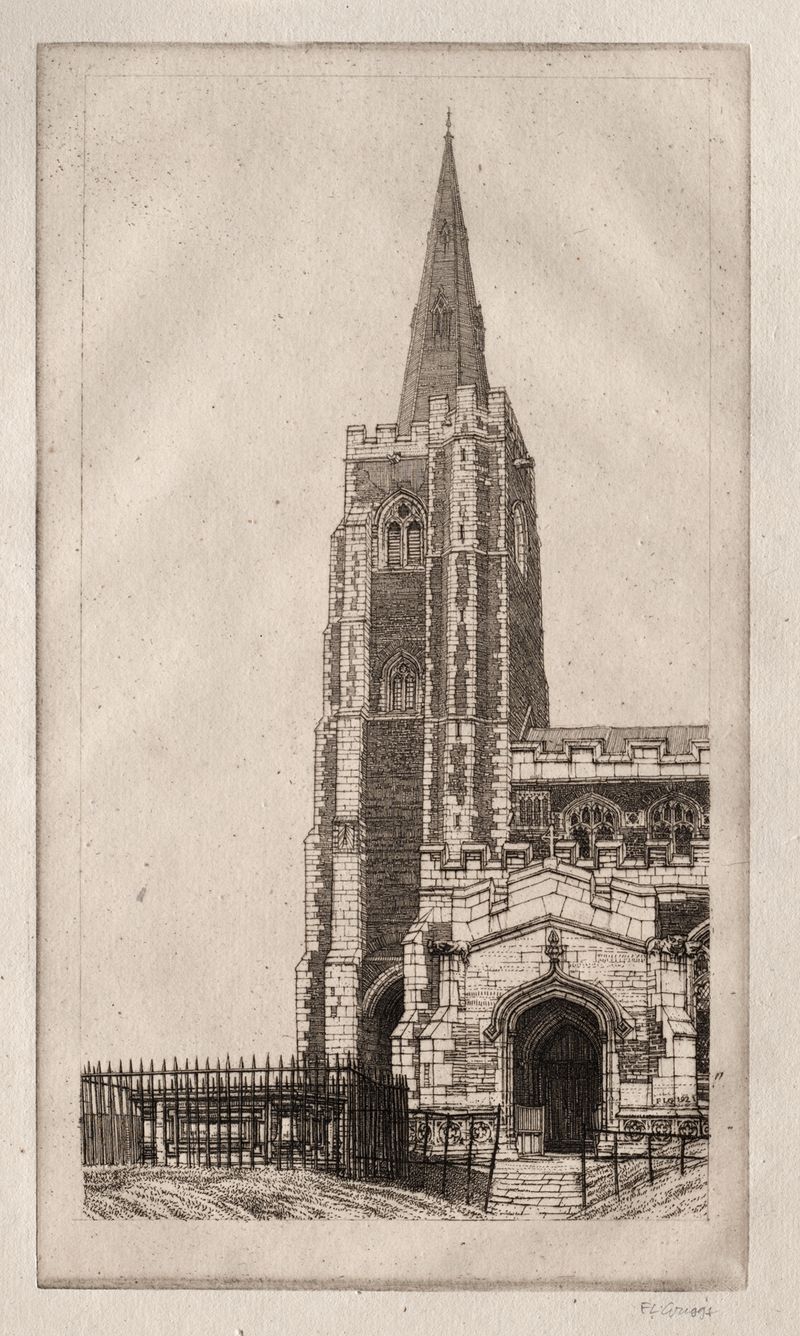
St. Wendred’s, March
Frederick Landseer Maur Griggs





