
The Mirror — History & Facts
A quiet spell of concentration draws us into The Mirror by Gabriel von Max. The young woman’s gaze is fixed, not on us, but on her own reflection, her features caught in that fleeting instant between self-examination and self-acceptance. The silver hand mirror she holds is not just a prop; it becomes a silent partner in her ritual, its ornate handle echoing the delicate care with which she tucks a red ribbon behind her ear.
The soft, almost ethereal light falls across her face and hair, highlighting the gentle transitions of color in her skin and the subtle sheen of her golden locks, while the lush green drapery behind her sets her figure in quiet relief. Works like this, with their focus on private, introspective moments, flourished in the late nineteenth century, when artists across Europe turned away from grand historical narratives to capture the subtleties of everyday life. Gabriel von Max, known for his interest in psychology and the inner world, often painted figures caught in thought or reverie. The painting’s presence in the Dorotheum collection (Lot No.
530) is a reminder of how such intimate scenes were prized by collectors who sought not just beauty, but a glimpse into the mysteries of the self. Look again at the girl’s expression—there is a whole world of questions and quiet discoveries in that small, silent moment.
More Artworks by Gabriel von Max

The Sisters
Gabriel von Max
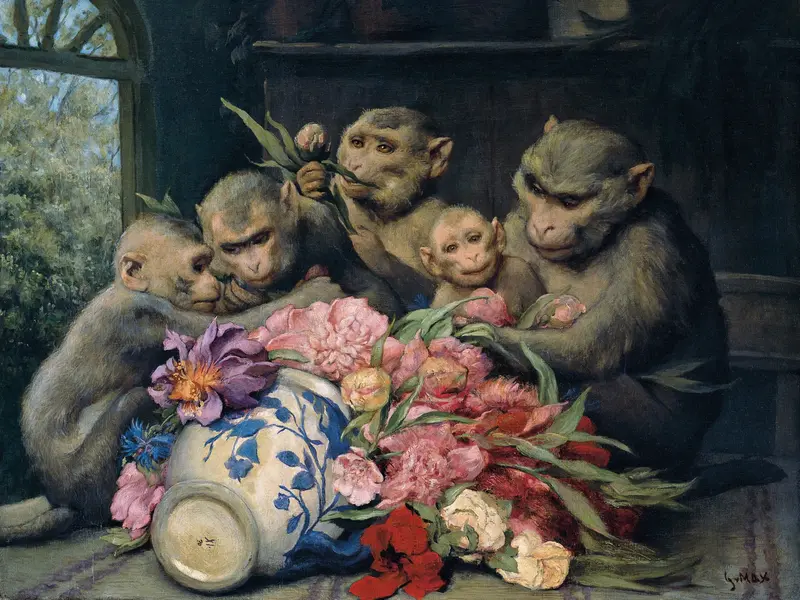
The Botanists
Gabriel von Max
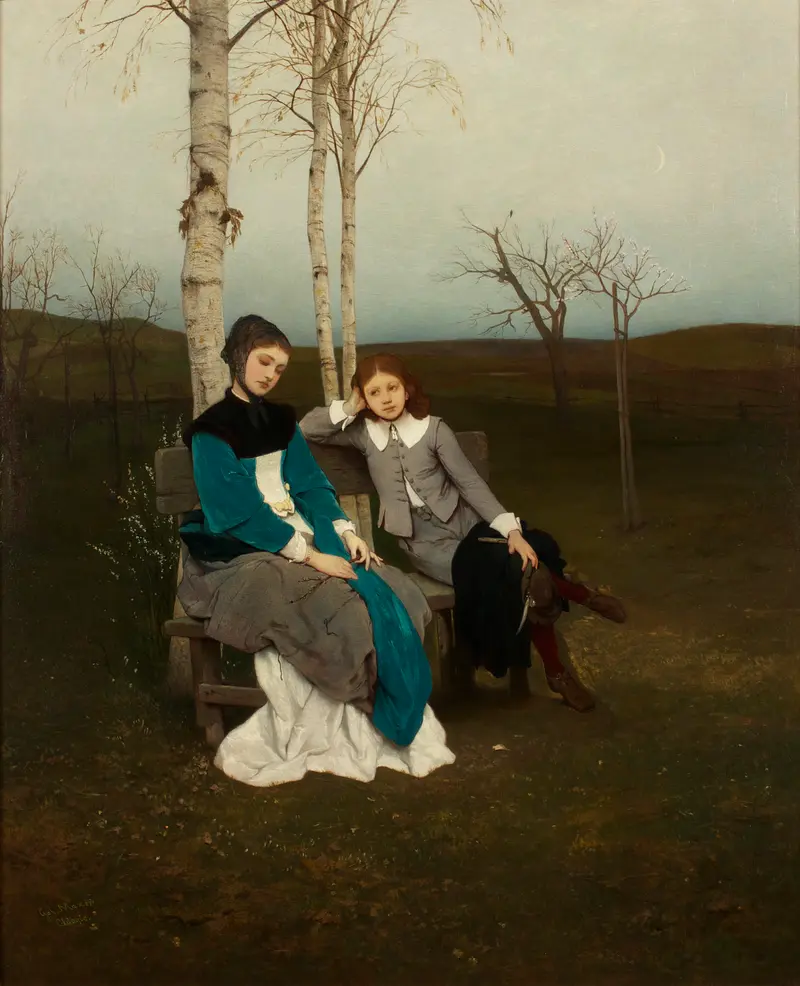
Adagio 4653 Österreichische Galerie Belvedere
Gabriel von Max
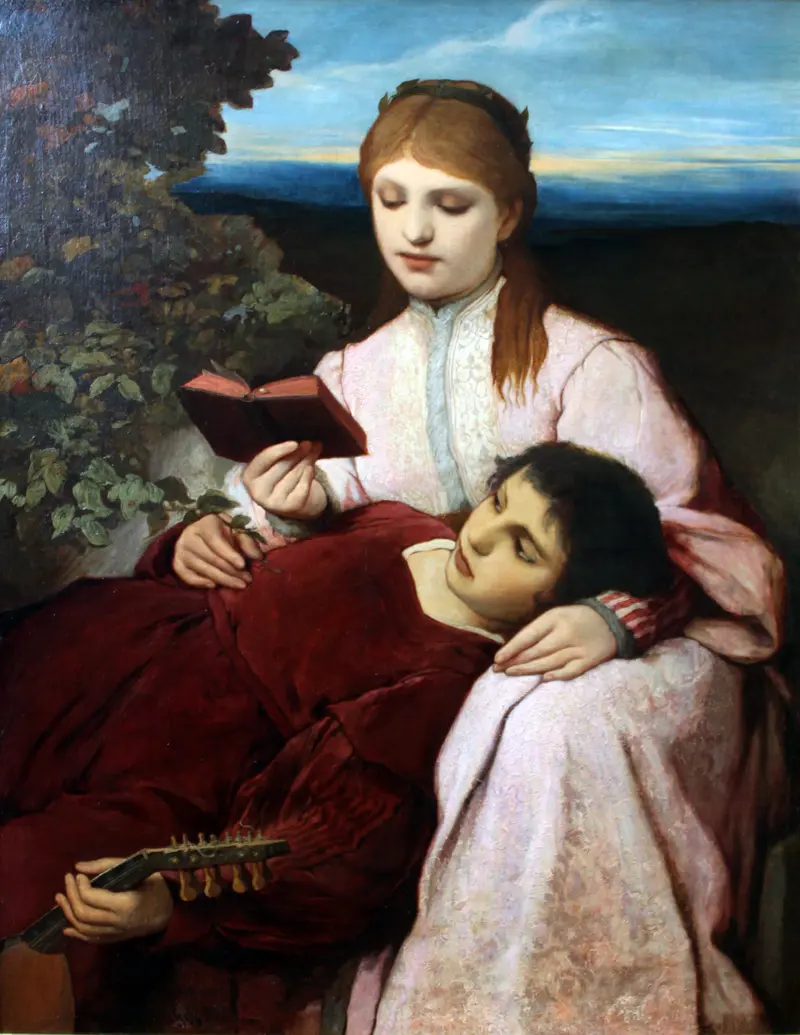
Leisure Hour (Scene from "Tannhäuser")
Gabriel von Max
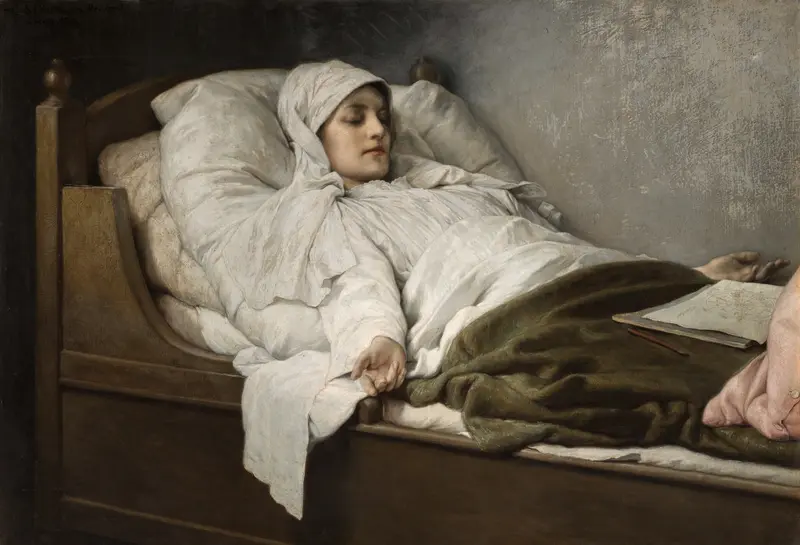
The Seeress of Prevorst
Gabriel von Max
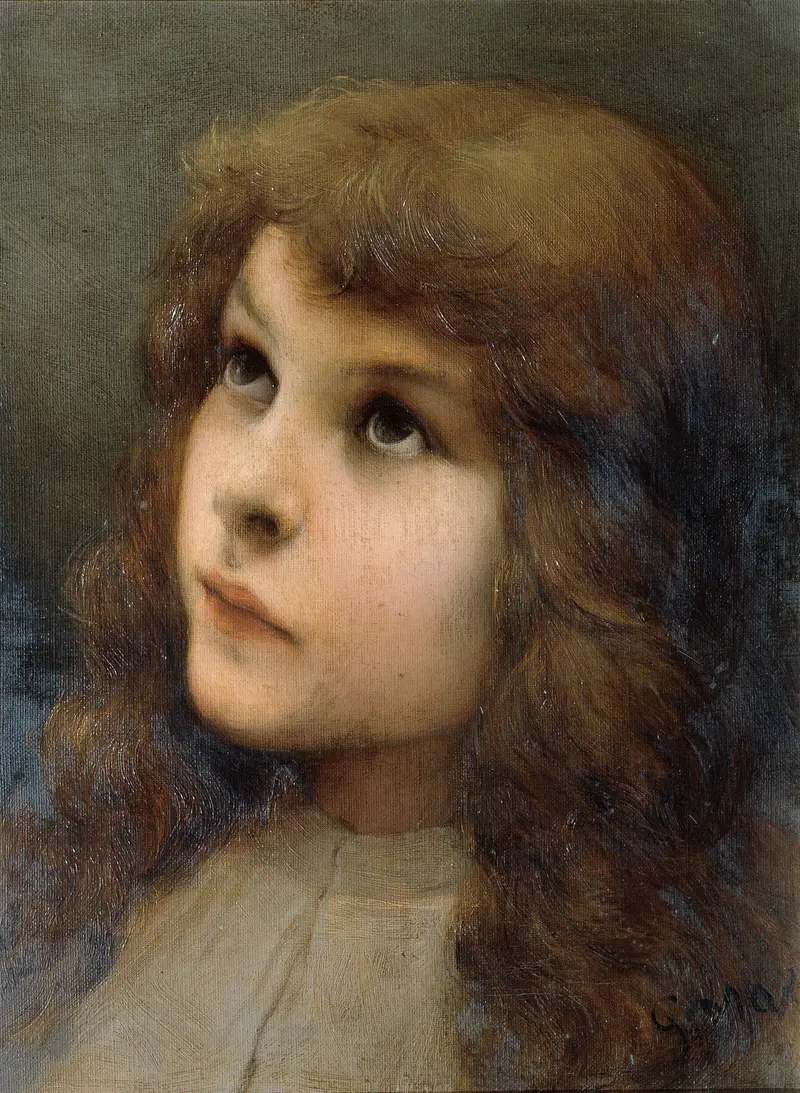
Studienkopf 3866 Österreichische Galerie Belvedere
Gabriel von Max
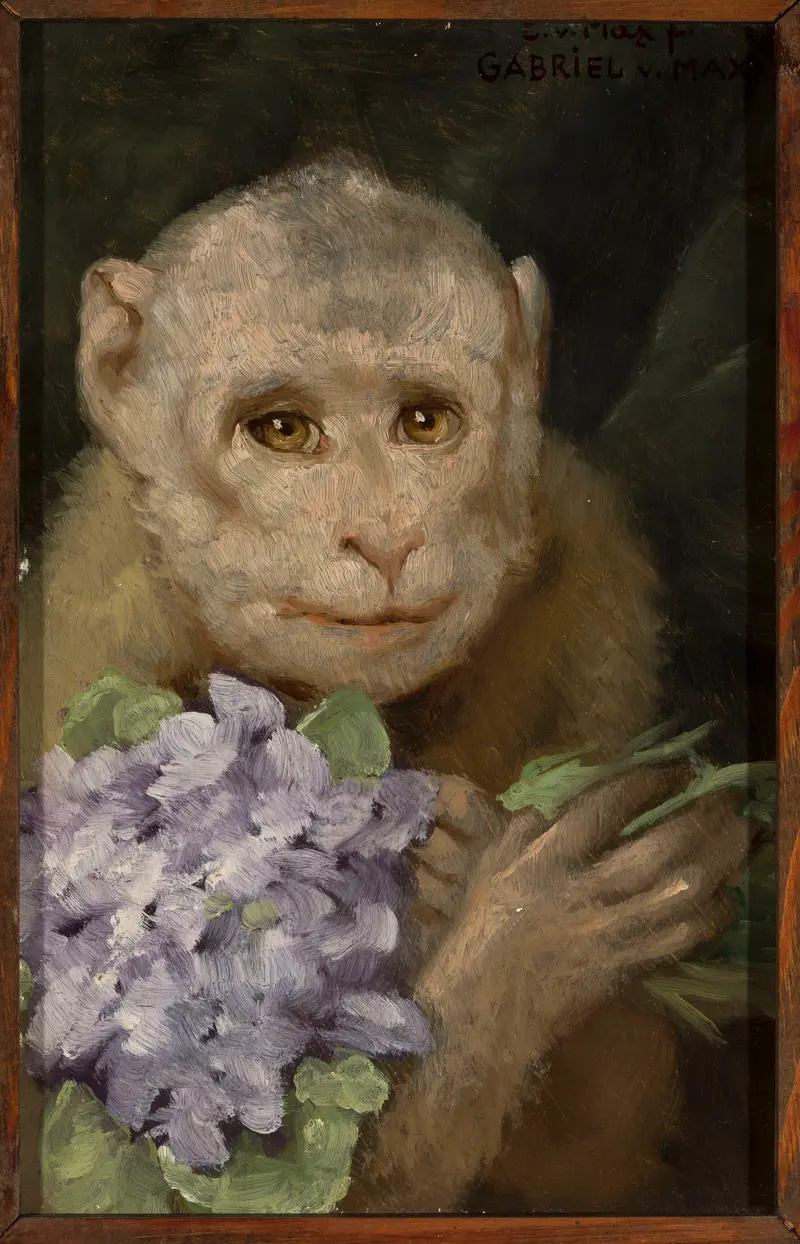
Monkey with violets.
Gabriel von Max
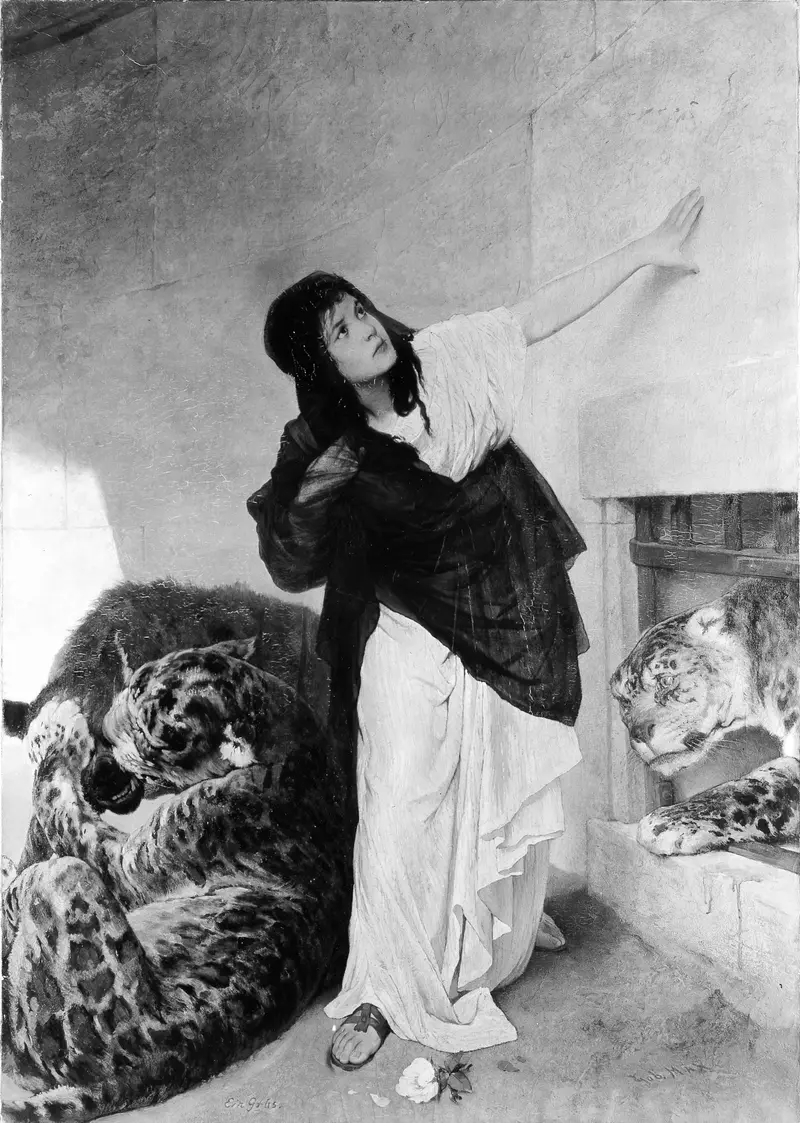
The Last Token: A Christian Martyr
Gabriel von Max
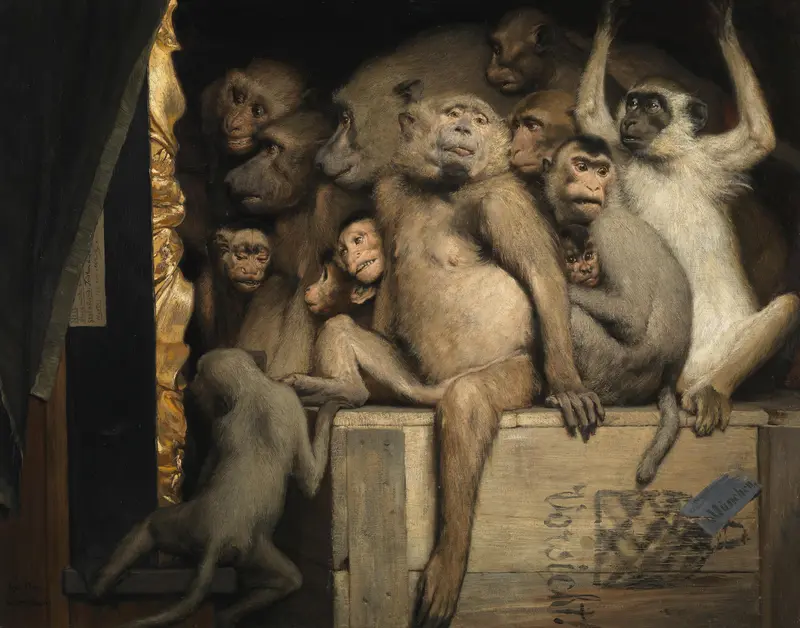
Monkeys as Judges of Art
Gabriel von Max
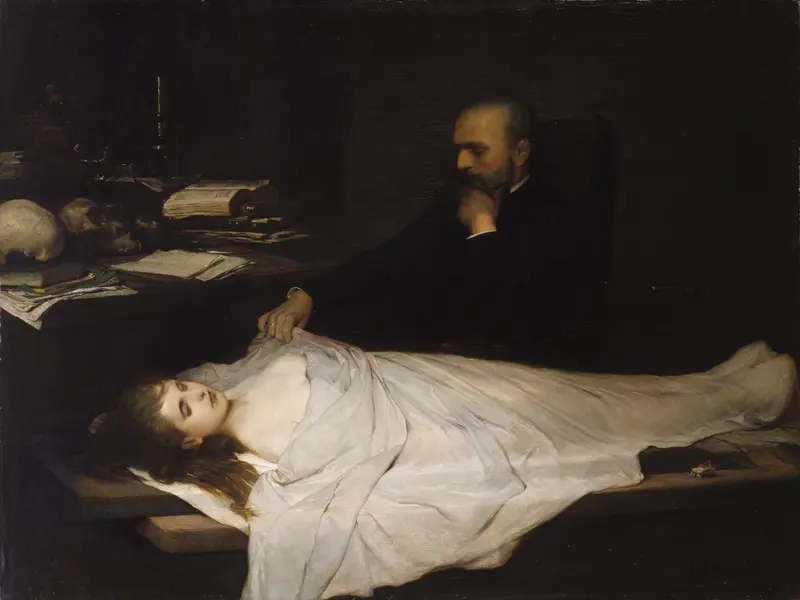
The Anatomist
Gabriel von Max





