
The Monument, Bromsgrove, Lickey — History & Facts
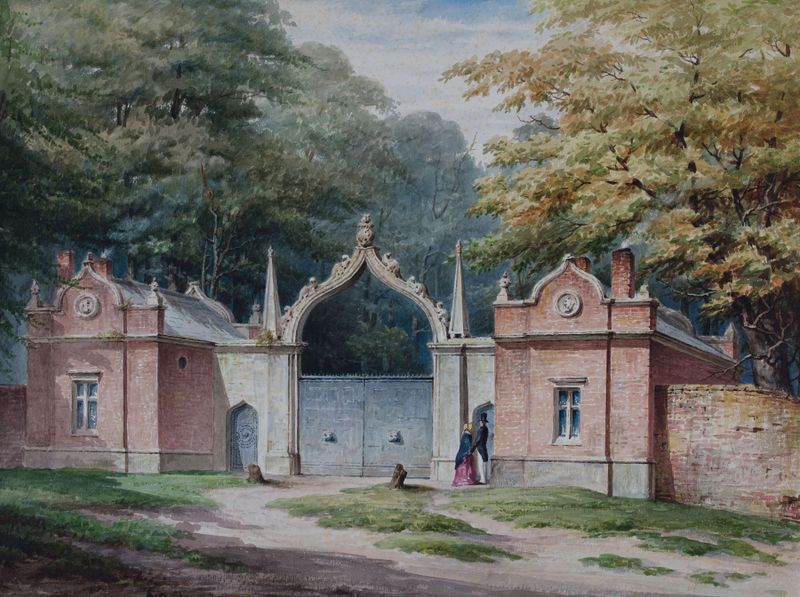
Did the painter know this moment would outlive them? In The Monument, Bromsgrove, Lickey, every brushstroke seems to whisper secrets about time, memory, and the pursuit of reverence. Look to the left at the imposing granite monument, the centerpiece of this serene landscape. Notice how the light casts elongated shadows, accentuating the weathered textures of the stone while softening the surrounding greenery. The contrast between the rigid monument and the gentle, rolling hills invites contemplation, drawing the viewer's gaze upward toward the vast sky, which swirls with soft blues and whites, hinting at the fleeting nature of existence. As you explore further, consider the juxtaposition of permanence and transience presented in this work.
The monument stands unwavering against the ephemeral clouds, symbolizing human aspiration amidst the relentless passage of time. The choice of muted earth tones enhances the somber yet reverent atmosphere, evoking a sense of nostalgia for moments lost. Each detail—be it the delicate blooms at the base or the distant figures observing the landmark—holds deeper significance, reflecting the shared human experience of seeking meaning in remembrance. Elijah Walton painted this scene in 1852, a time marked by his deepening interest in capturing the essence of the English countryside.
Living in a period of artistic transition, he was influenced by the romantic landscape movement while striving for a unique voice. Throughout this era, the relationship between nature and humanity became a poignant theme, encapsulated in his works that often celebrated the monumental beauty of the natural world alongside the enduring markers of human endeavor.
More Artworks by Elijah Walton
Browse all →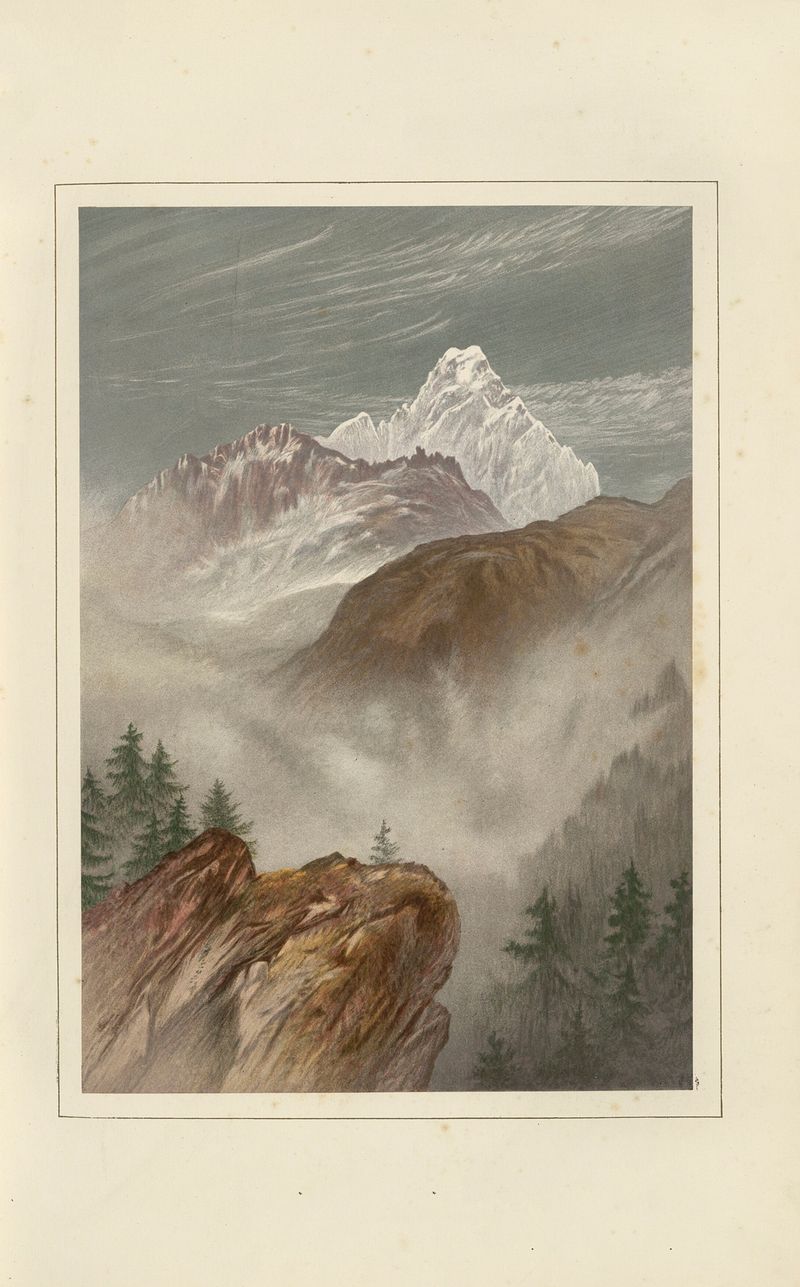
Monte Viso, from the south
Elijah Walton

The Matterhorn
Elijah Walton

The Gorner glacier
Elijah Walton

The Cascade de Roget and the Pointe de Salles
Elijah Walton
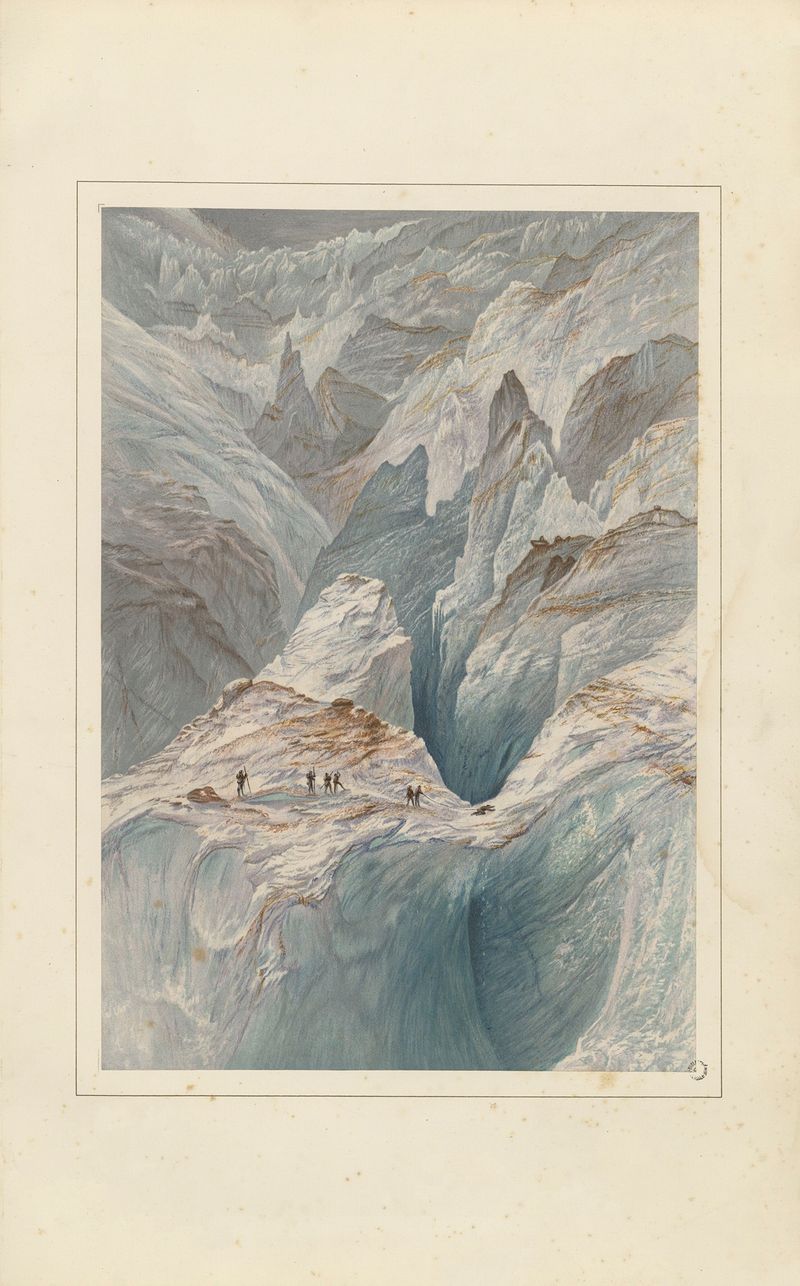
Crevasses on the Mer de Glace
Elijah Walton
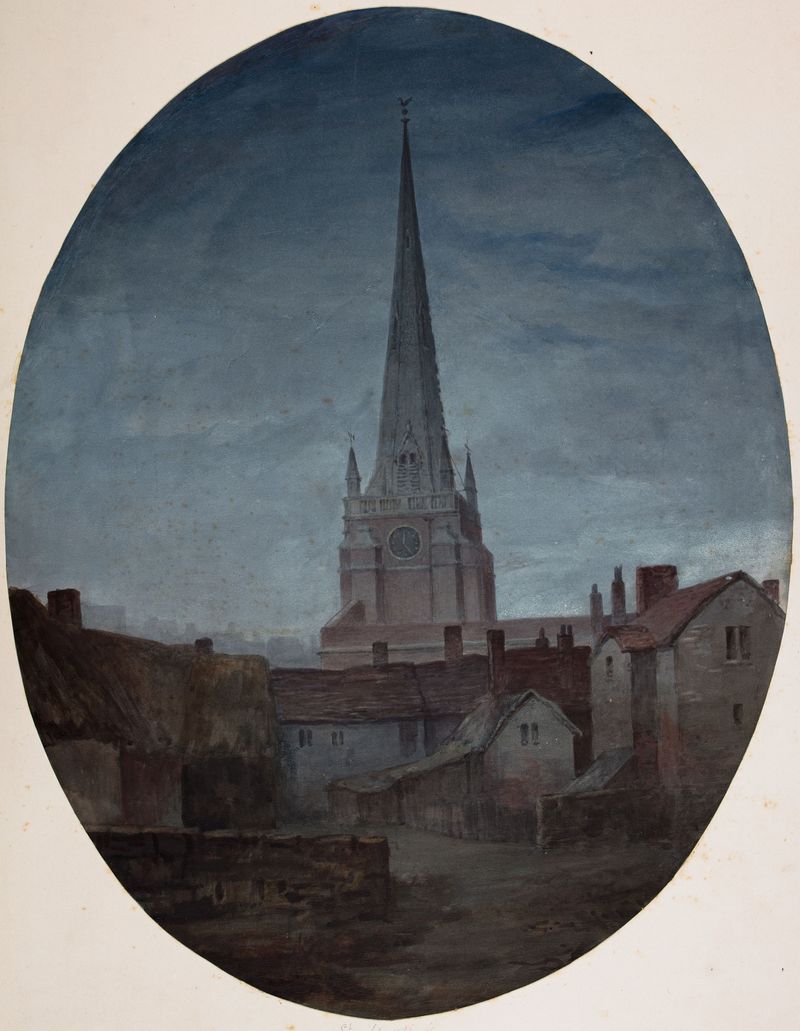
St Martin’s Church Birmingham, By Night
Elijah Walton

The Weisshorn, from near St. Niklaus
Elijah Walton

Monte Viso, from the Col de La Croix
Elijah Walton
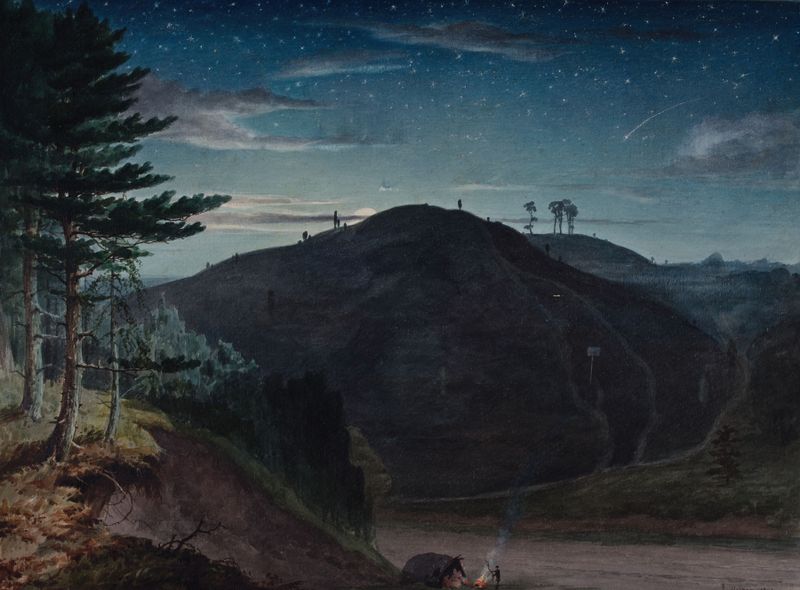
Cofton From Rednal, Moonlight
Elijah Walton
Lodge Gates, Entrance To Aston Hall
Elijah Walton





