
The Moss Trees — History & Facts
In moments of profound loss, the brushstroke can speak where words fail, reaching into the depths of the human experience. Look closely at the textured canvas, where muted greens and browns swirl like whispers of memory entwined in the gnarled branches. Focus on the intricate details of the moss, its vibrant yet subdued hue a stark contrast against the dark, looming trunks. The gentle play of light filtering through the leaves ignites a sense of melancholy, guiding your eye to the haunting interplay between the natural and the decayed. As you absorb the essence of the work, consider the emotional weight that clings to each leaf and shadow.
The moss, both a symbol of vitality and a reminder of decay, embodies the duality of life and loss. The sprawling trees, stoic yet vulnerable, evoke a sense of time long passed, capturing the poignant tension between resilience and fragility that echoes through the ages. In 1915, Haskell created this piece during a period marked by his personal struggles and a world grappling with the onset of the First World War. The emerging modernist movement influenced him as artists began to explore deeper emotional realms, and his work reflects a poignant response to the challenges of his time, signaling a shift from mere representation to an exploration of feeling and memory.
More Artworks by Ernest Haskell
Browse all →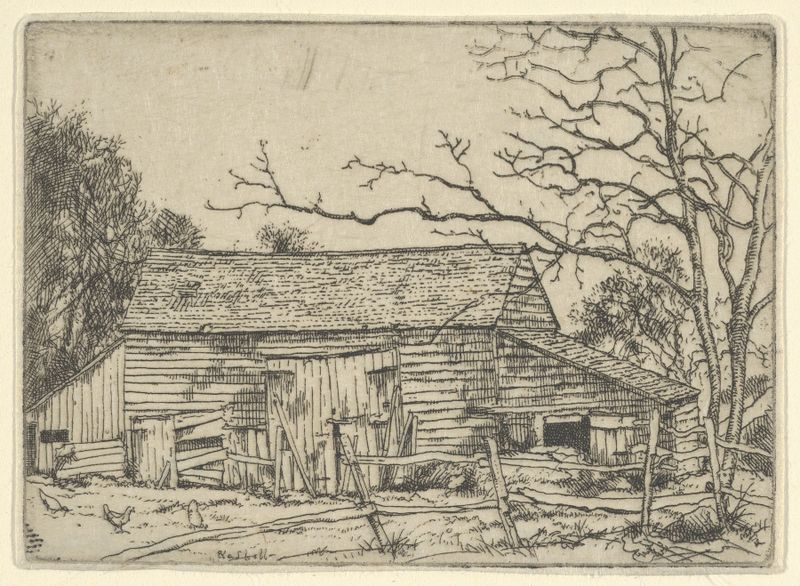
The Barn–Staten Island, N.Y.
Ernest Haskell

Four Live Oaks
Ernest Haskell
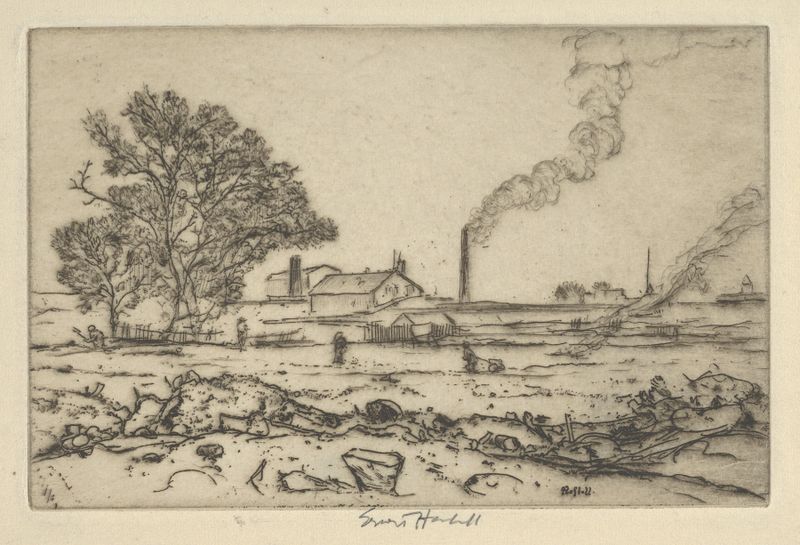
Outskirts of Boston
Ernest Haskell
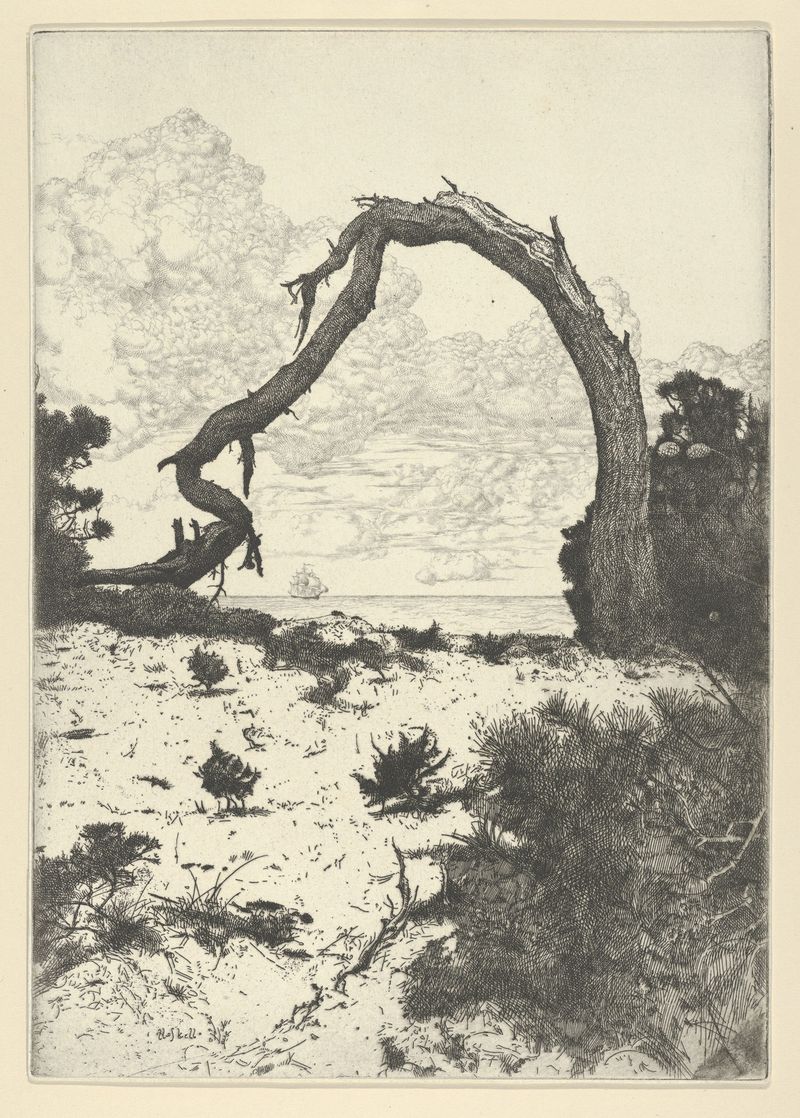
Pine Arch
Ernest Haskell

General Sherman
Ernest Haskell
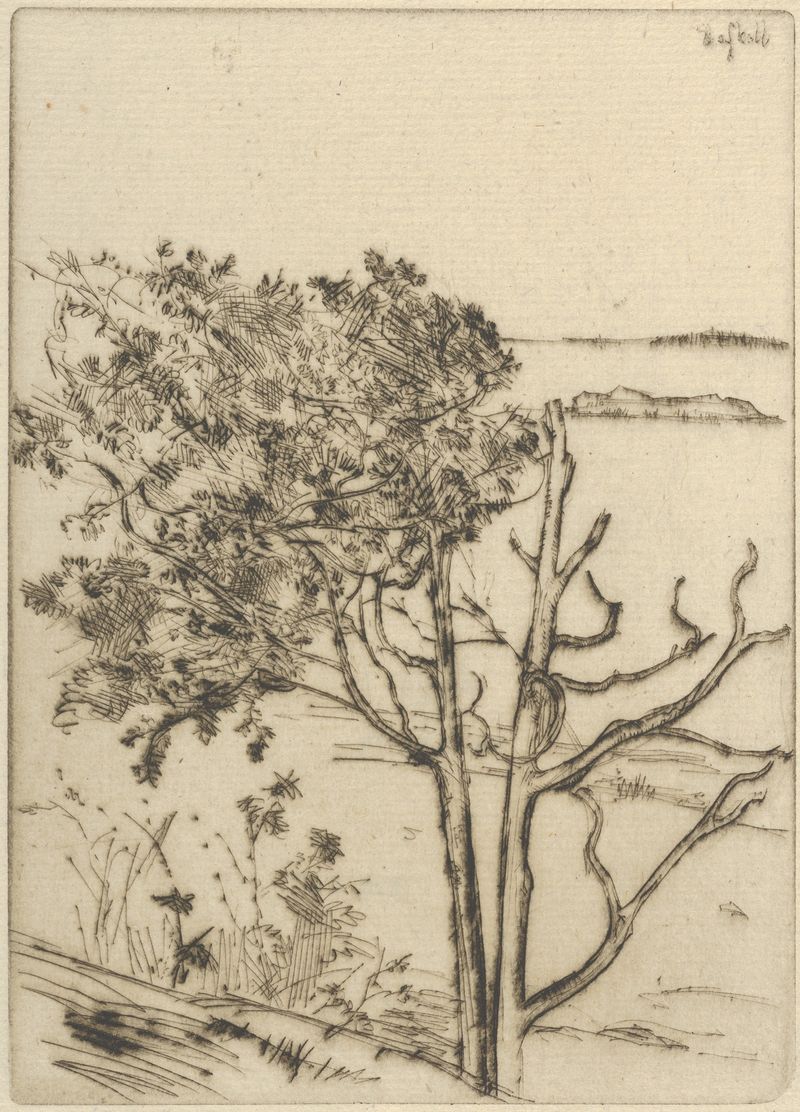
Ragged Tree – Maine
Ernest Haskell

Tide Mill
Ernest Haskell

Ship Building
Ernest Haskell
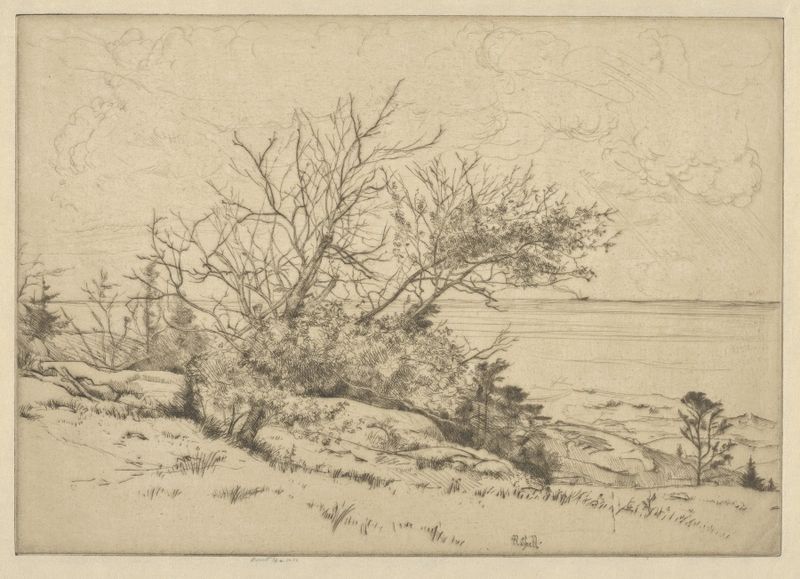
To the Southward – Ragged Island, Me.
Ernest Haskell
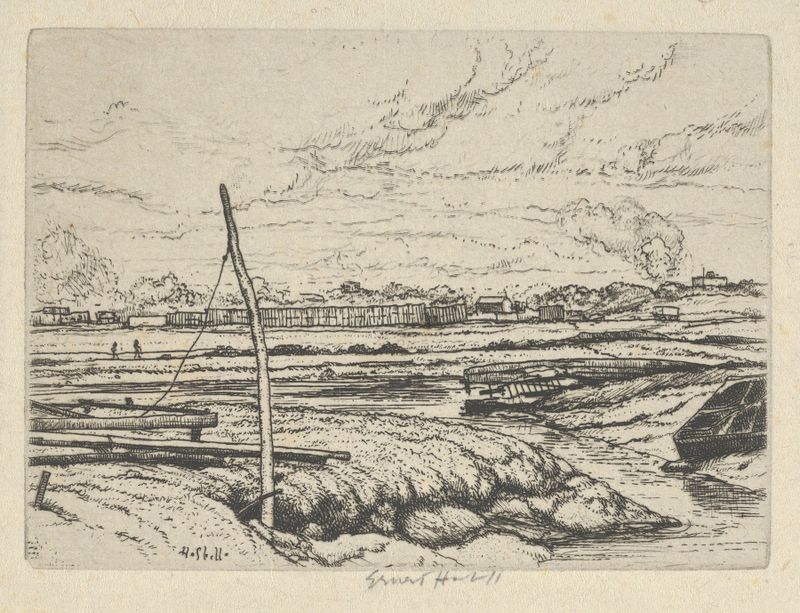
Long Island Marshes
Ernest Haskell





