
The Muse (Philomèle) — History & Facts
In The Muse (Philomèle), William Bouguereau presents a striking figure of a woman, embodying the essence of inspiration. The painting is rich in color, with soft pastels and warm tones that create a harmonious atmosphere. The figure is adorned with flowing garments, and her expression conveys a sense of deep thought and creativity.
The background features a serene landscape, enhancing the overall sense of tranquility. Bouguereau's technique is evident in the meticulous attention to detail and the smooth application of paint. The use of light and shadow adds depth to the figure, making her appear almost lifelike. The artist employs a realistic style, characteristic of the Academic movement, which emphasizes clarity and precision.
Viewers can appreciate the intricate textures of the fabric and the delicate features of the woman's face. William Bouguereau, a prominent French painter of the 19th century, was known for his academic style and focus on the human figure. The Muse (Philomèle) reflects his fascination with mythology and the role of women as sources of inspiration. An interesting fact about this work is that it showcases Bouguereau's ability to blend classical themes with contemporary techniques, making it a notable piece in his oeuvre.
More Artworks by William Bouguereau

A Study For The Secret
William Bouguereau
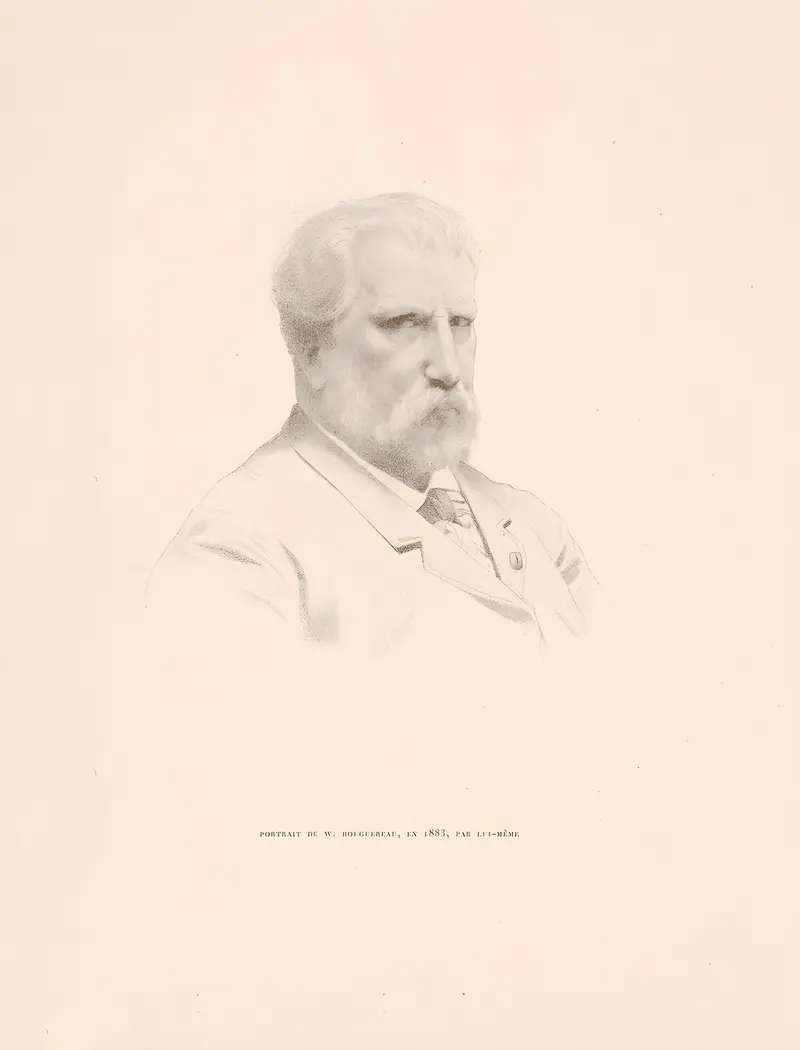
Portrait de W. Bouguereau, en l899
William Bouguereau
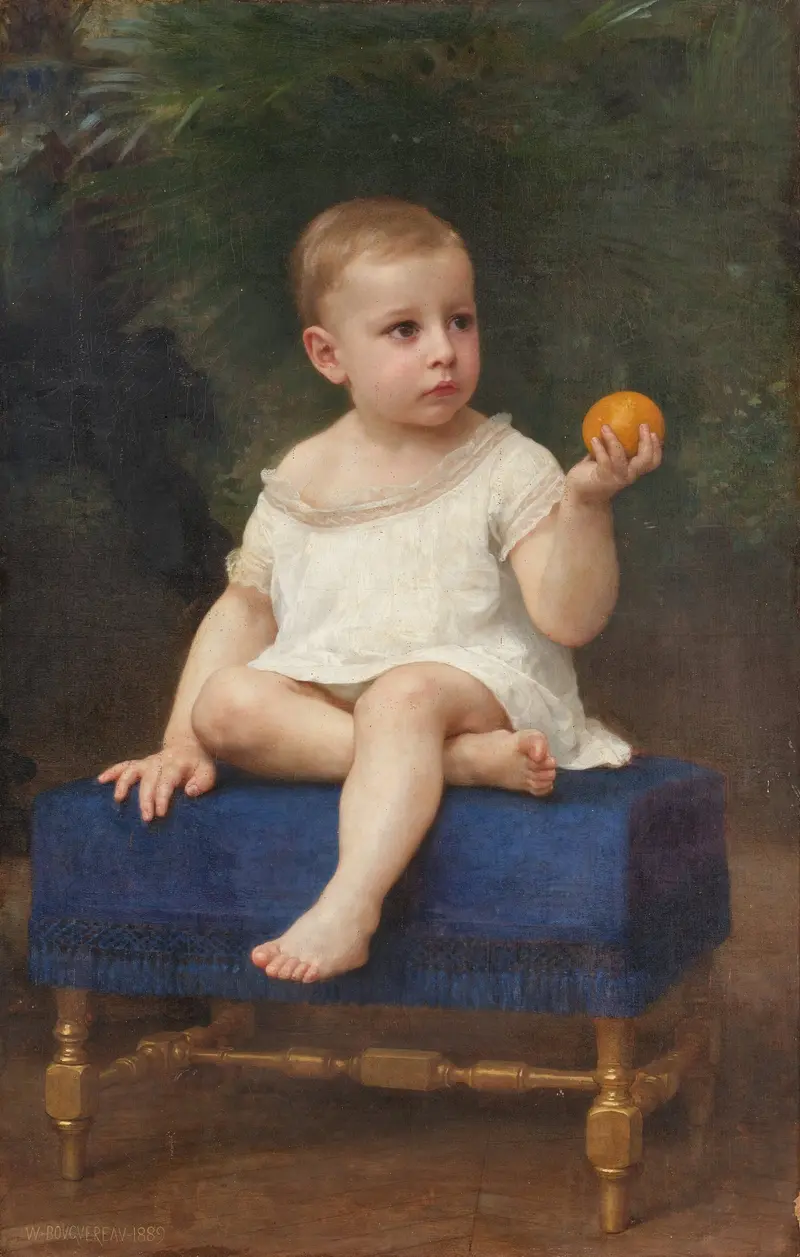
Portrait of a Child of Madame Porter
William Bouguereau
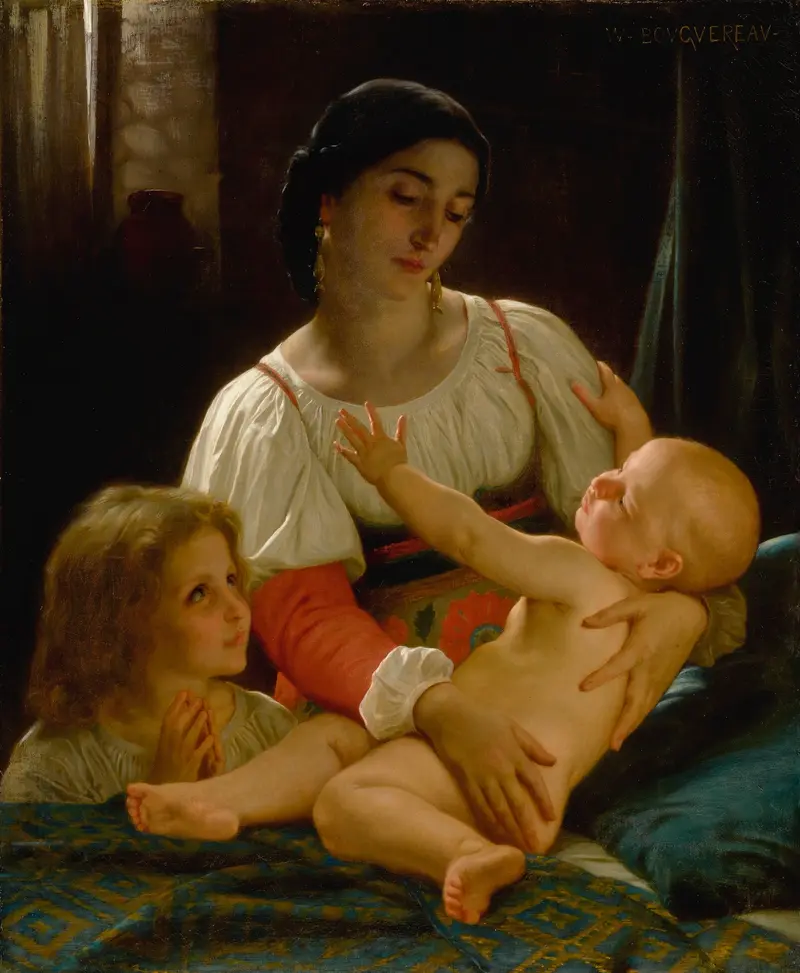
Le Réveil
William Bouguereau
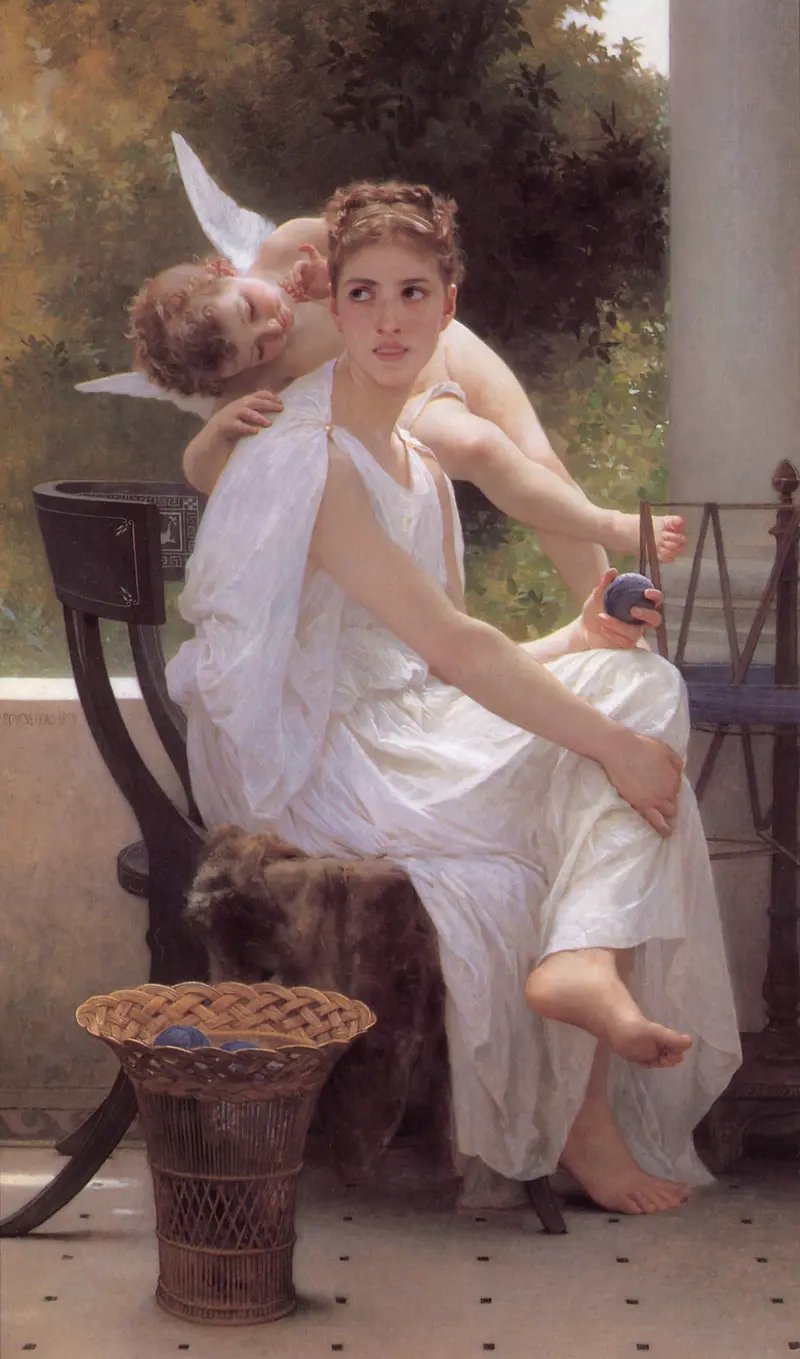
Le travail interrompu
William Bouguereau
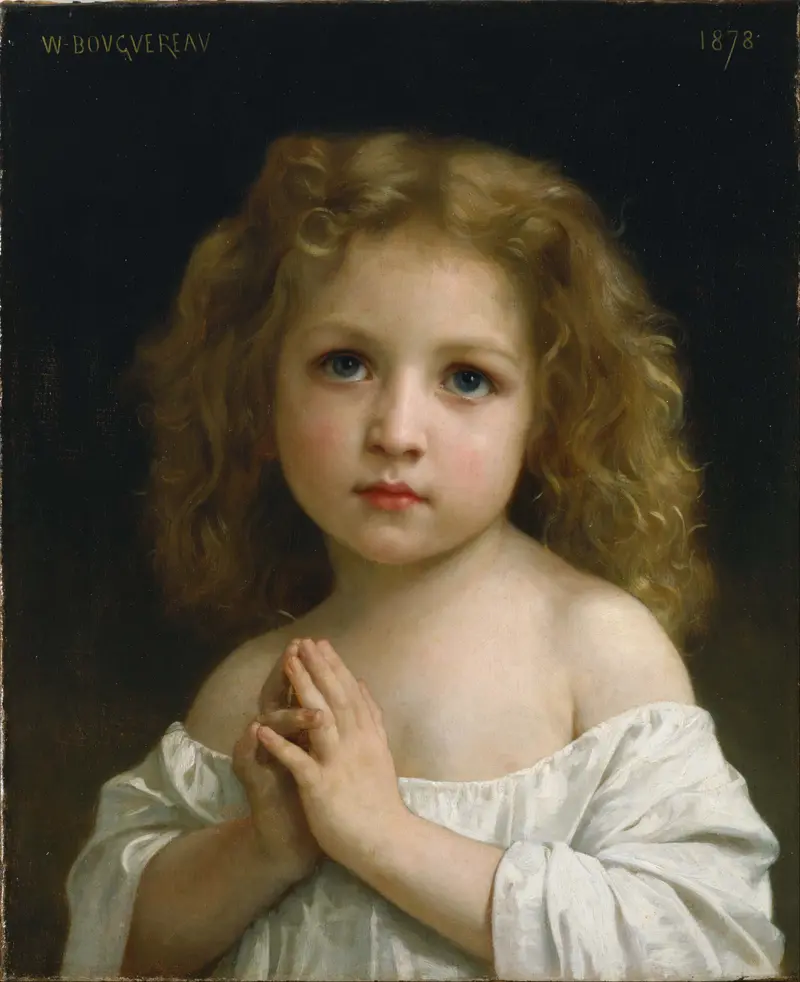
Little Girl
William Bouguereau
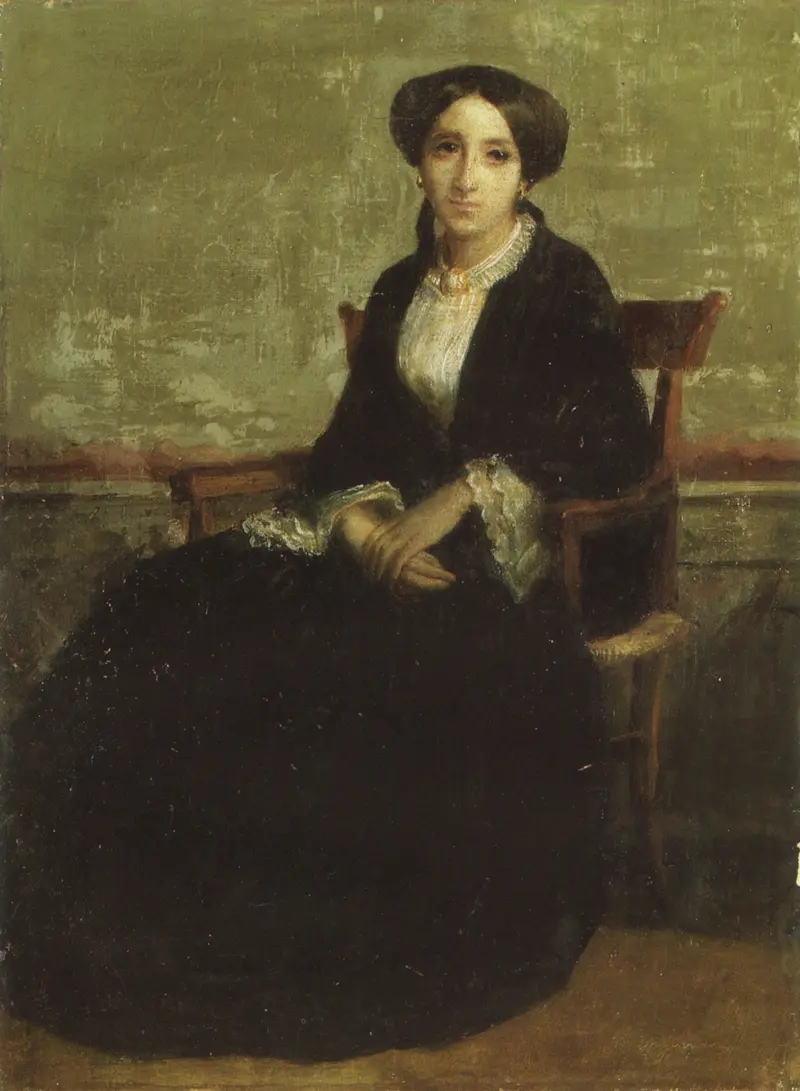
Portrait of Céline Geneviève
William Bouguereau

Bohémienne Au Tambour De Basque
William Bouguereau
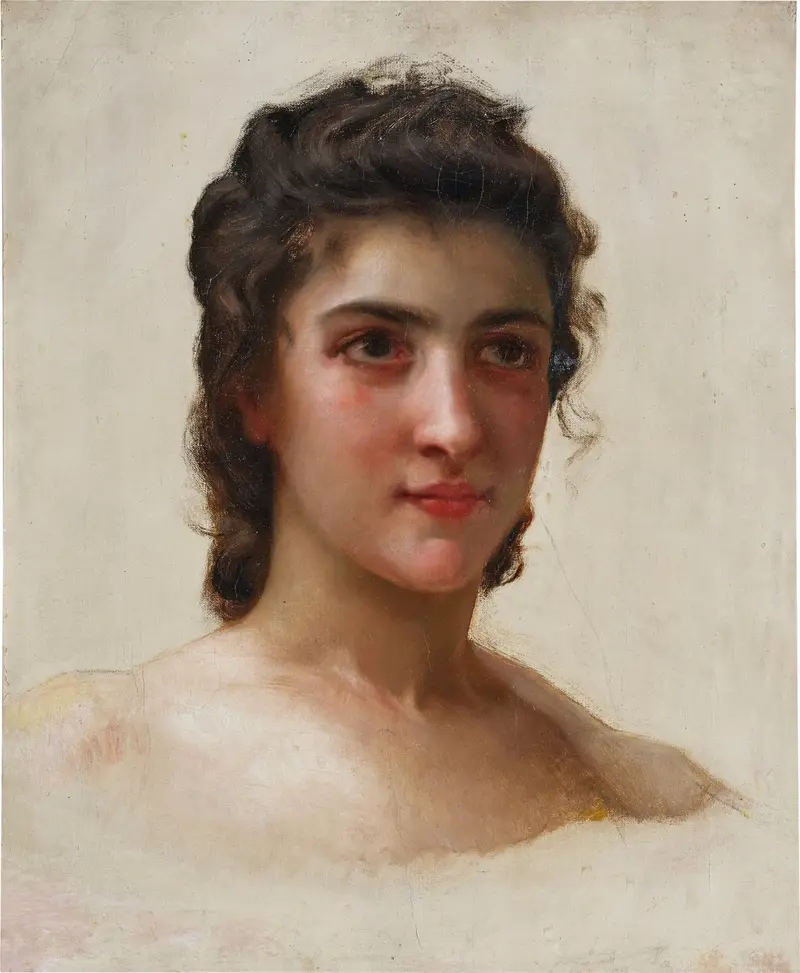
Portrait Study of Gabrielle Drunzer
William Bouguereau
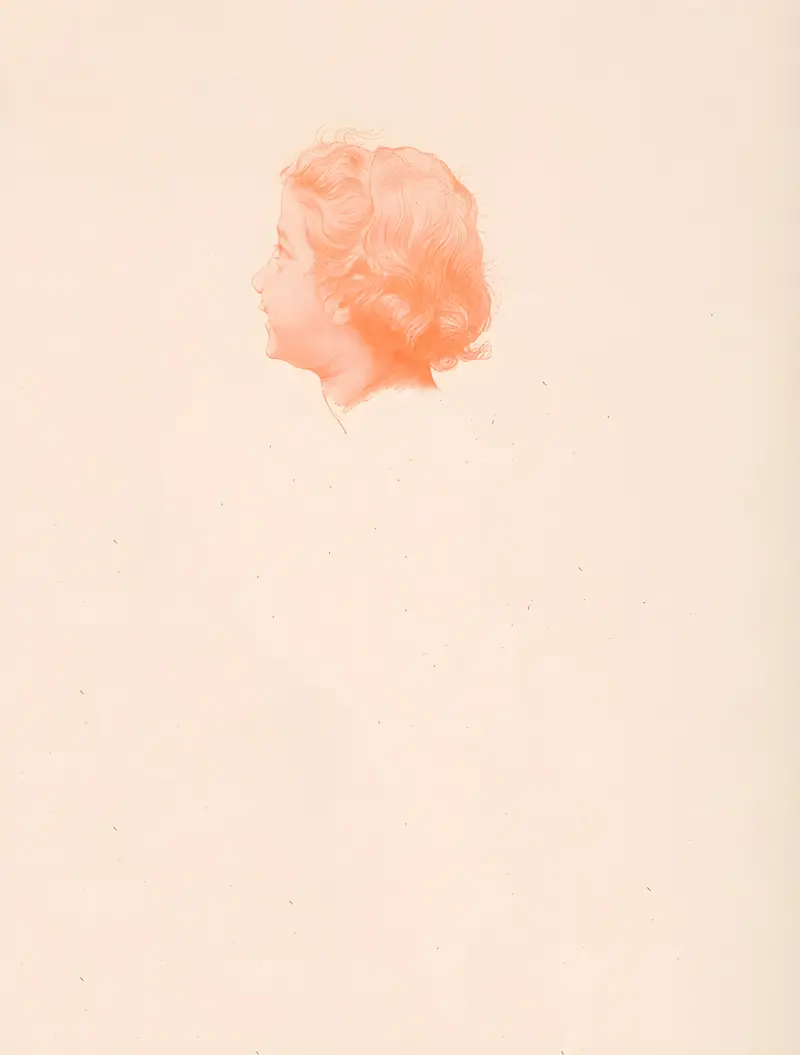
Tête d’enfant
William Bouguereau





