
The Neri — History & Facts
In a world that often overlooks fleeting beauty, the act of capturing it becomes a profound rebellion against the mundane. Look to the center of the canvas, where the figures emerge with a delicate grace, enveloped in a soft palette of muted hues. The subtle interplay of light and shadow breathes life into their expressions, inviting viewers to linger on the nuances of each character's demeanor. Notice how the artist's brushwork creates a tapestry of texture, echoing the gentle caress of fabric against skin, while the ethereal play of light accentuates the serene ambiance of the moment. Behind the beauty lies a deeper narrative, one woven with threads of tension and longing.
The juxtaposition of stillness and movement captivates the viewer, as if the figures are caught in a suspended moment before an unspoken farewell. Each gaze, poised on an invisible horizon, speaks to the transience of love and time, echoing a universal truth that resonates beyond the canvas. The painting invites contemplation on what remains unsaid between souls intertwined in shared solitude. In 1838, the artist worked during a period marked by burgeoning Romanticism, a movement that celebrated emotion, nature, and the sublime.
Frank Howard found inspiration in the beauty of human connections, striving to depict the essence of fleeting moments. Amidst the evolving art world of his time, he sought to preserve the ephemeral through his brush, affirming the importance of beauty in an ever-changing society.
More Artworks by Frank Howard
Browse all →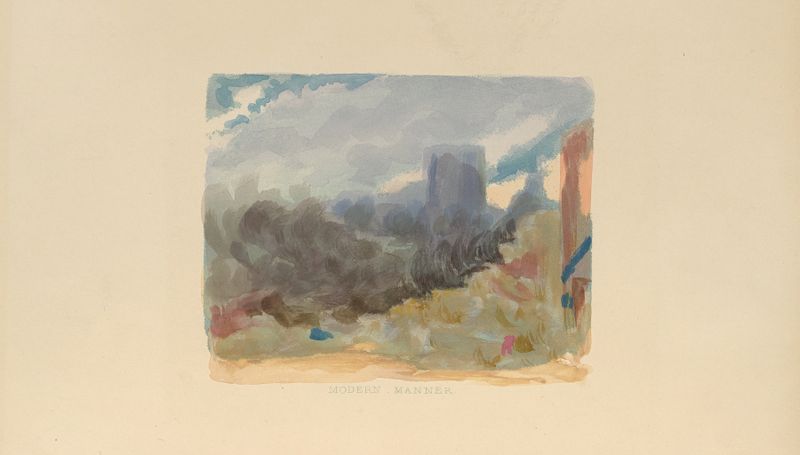
Modern Manner
Frank Howard
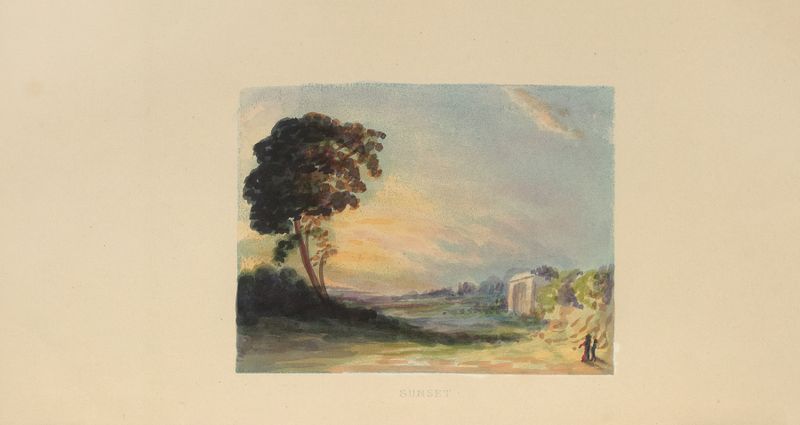
Sunset
Frank Howard
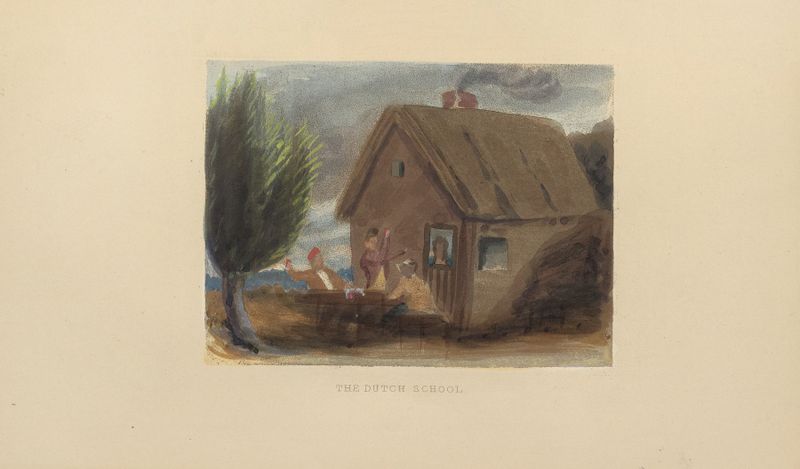
The Dutch School
Frank Howard
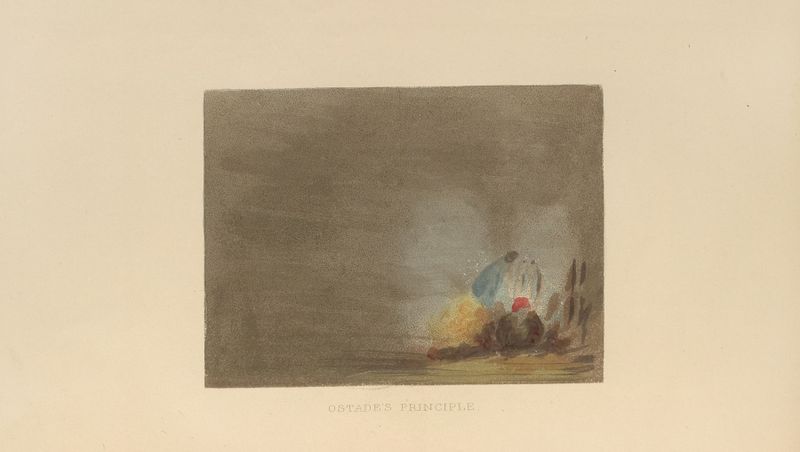
Ostade’s Principle
Frank Howard
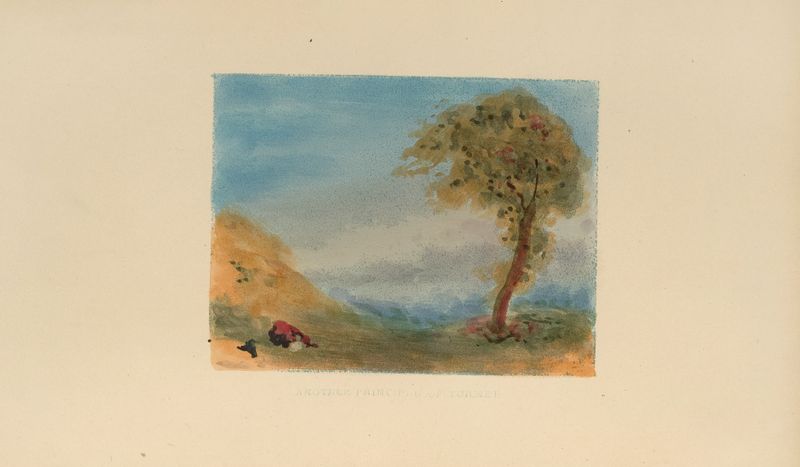
Another Principle of Turner
Frank Howard
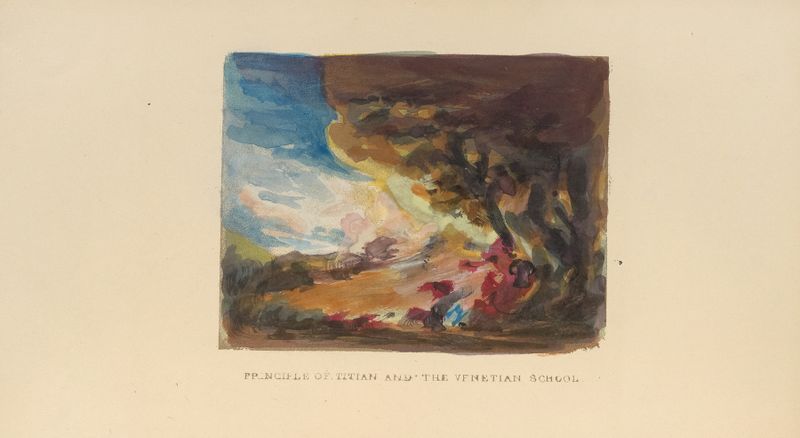
Principle of Titian and the Venetian School
Frank Howard
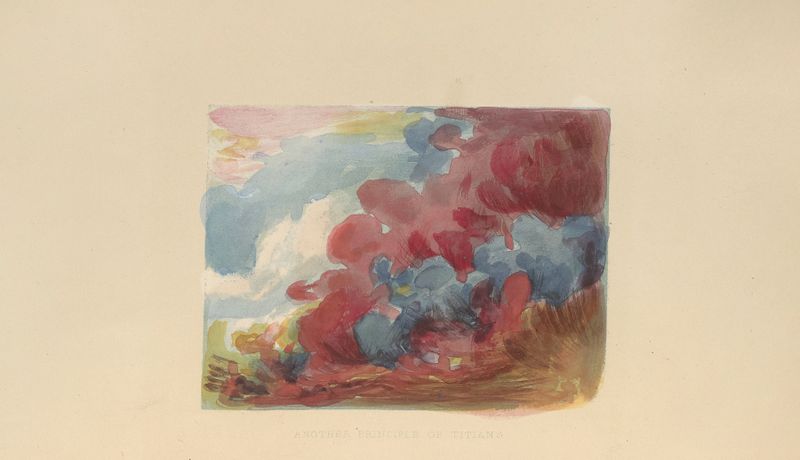
Another Principle of Titian
Frank Howard
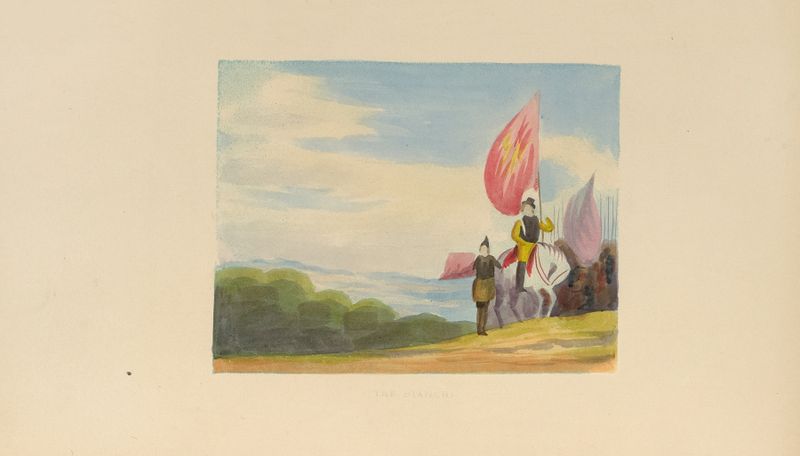
The Bianchi
Frank Howard
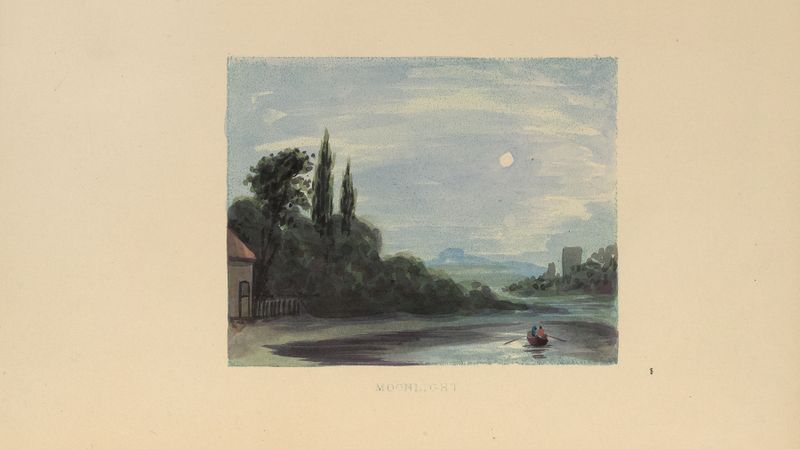
Moonlight
Frank Howard
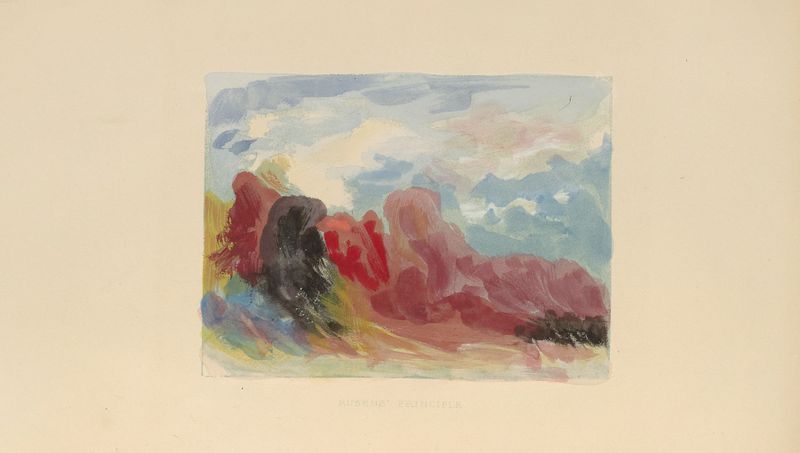
Ruben’s Principle
Frank Howard





