
The Oak and the Adobe — History & Facts
In The Oak and the Adobe, the interplay of nature and architecture reveals a poignant narrative, reflecting the hope and hardship entwined in the human experience. Look to the center where the sturdy oak stands resolute against the backdrop of a sunlit adobe structure. The bold strokes of green and brown offer a rich contrast to the warm earth tones, drawing the eye from the textured bark of the tree to the smooth surfaces of the building. Shadows dance delicately across the scene, suggesting the passage of time and the enduring strength of both nature and human creation. Delve deeper, and notice the subtle tensions within the composition: the oak, a symbol of endurance, juxtaposed against the adobe, a representation of human craftsmanship.
Together, they speak of faith—the unwavering belief in growth and survival amidst adversity. The way light filters through the leaves, casting dappled patterns, suggests moments of clarity that punctuate the complexities of life, hinting that beauty often hides deeper stories of struggle beneath its surface. In 1919, during the aftermath of World War I, an artistic shift was unfolding, and Ernest Haskell was embracing themes of resilience and renewal. Living in New England, he was influenced by the changing landscape and the return to normalcy following the war.
This painting emerged from a desire to explore the connections between humanity and nature, reflecting a time of healing and reflection as society sought to rebuild.
More Artworks by Ernest Haskell
Browse all →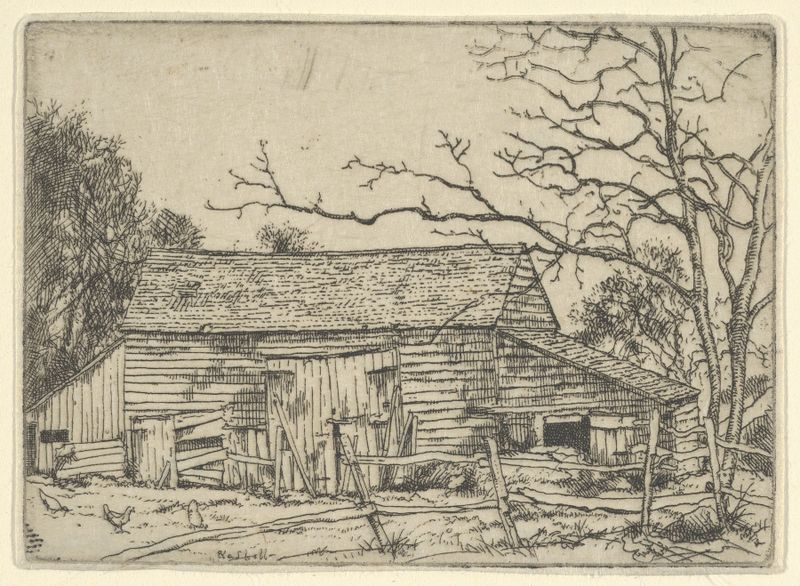
The Barn–Staten Island, N.Y.
Ernest Haskell

Four Live Oaks
Ernest Haskell
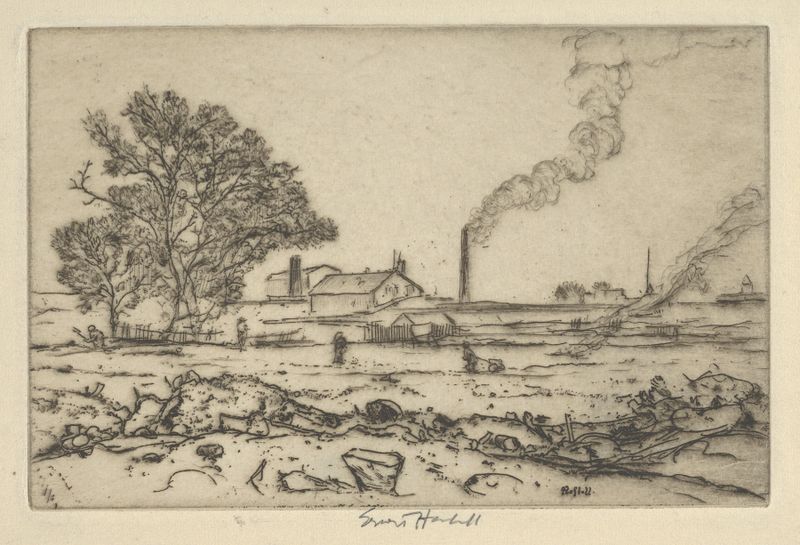
Outskirts of Boston
Ernest Haskell
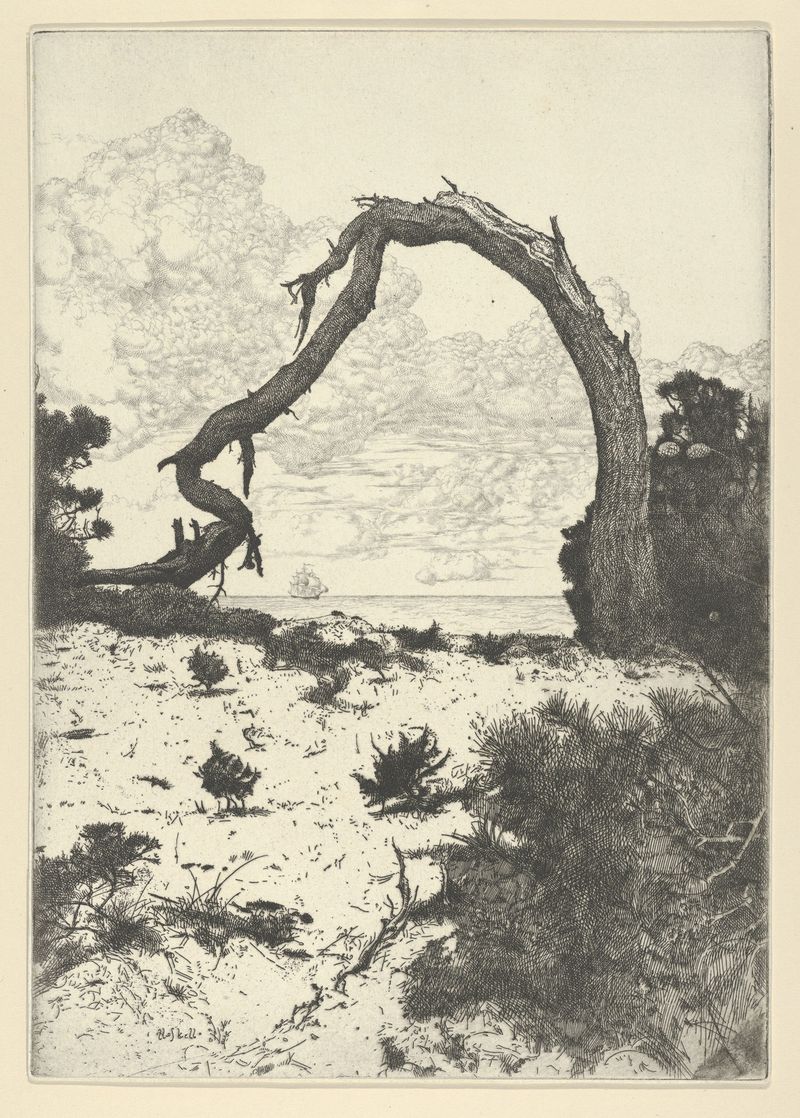
Pine Arch
Ernest Haskell

General Sherman
Ernest Haskell
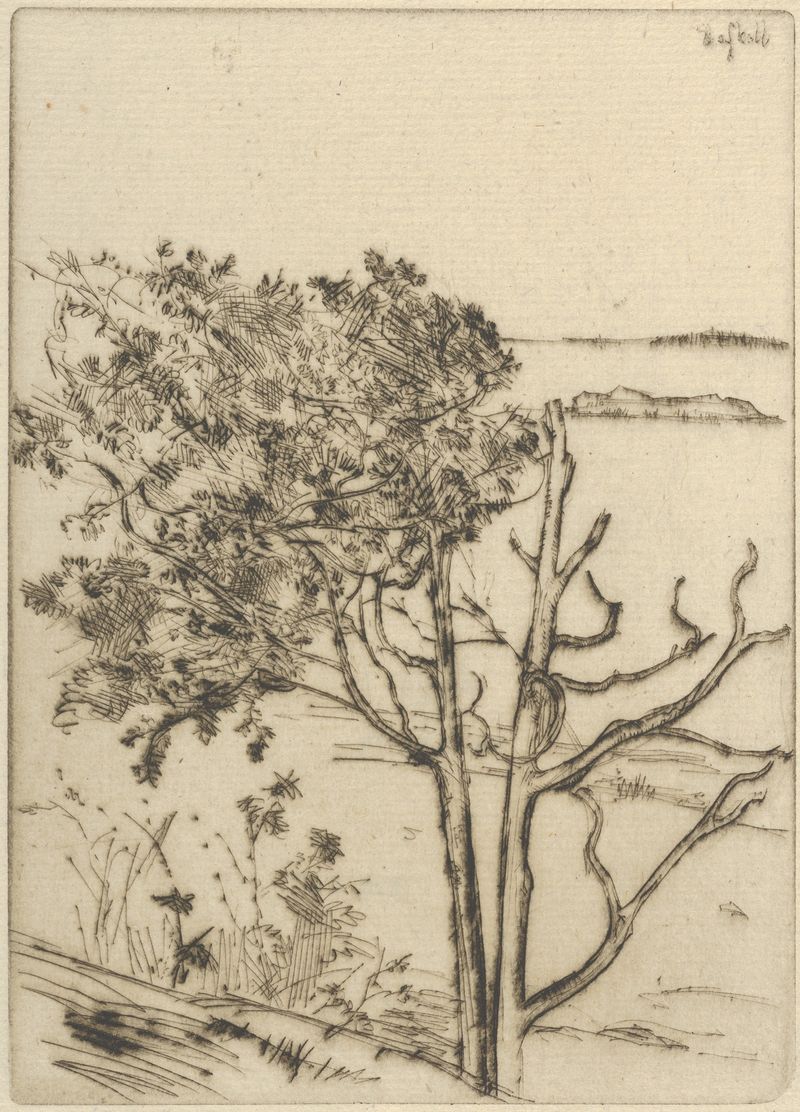
Ragged Tree – Maine
Ernest Haskell

Tide Mill
Ernest Haskell

Ship Building
Ernest Haskell
To the Southward – Ragged Island, Me.
Ernest Haskell
Long Island Marshes
Ernest Haskell





