
The Oaktree in the Snow — History & Facts
A single, ancient oak stands rooted in a wintry field, its twisted limbs reaching into a pale sky brushed with the faintest blush of dawn or dusk. The tree is battered, its trunk scarred and hollowed, yet it commands the scene with a kind of stubborn dignity. Snow dusts every branch and fallen limb, highlighting the wild geometry of its form, while the surrounding landscape recedes quietly into shadow.
The painter draws the viewer’s gaze upward from the tangled roots and broken boughs, through the intricate latticework of branches, to the open, limitless sky—a journey from earthbound struggle to airy expanse. The palette is cool and restrained, yet the careful placement of warm ochres among the grasses and the soft pinks in the clouds hint at life persisting amid apparent stillness. Painted in 1829, The Oaktree in the Snow belongs to a world in which the landscape was more than background—it was a stage for the inner life of the viewer and the artist alike. In the early nineteenth century, painters such as Caspar David Friedrich transformed the genre of landscape into a vehicle for reflection and spiritual searching, often working for private patrons who sought images that invited contemplation rather than celebration of property or power.
The oak, a symbol deeply rooted in German Romanticism, stands here as a monument to endurance and memory, its stark presence inviting us to linger, to look again, and to find meaning in the silent dialogue between nature and the self.
More Artworks by Caspar David Friedrich
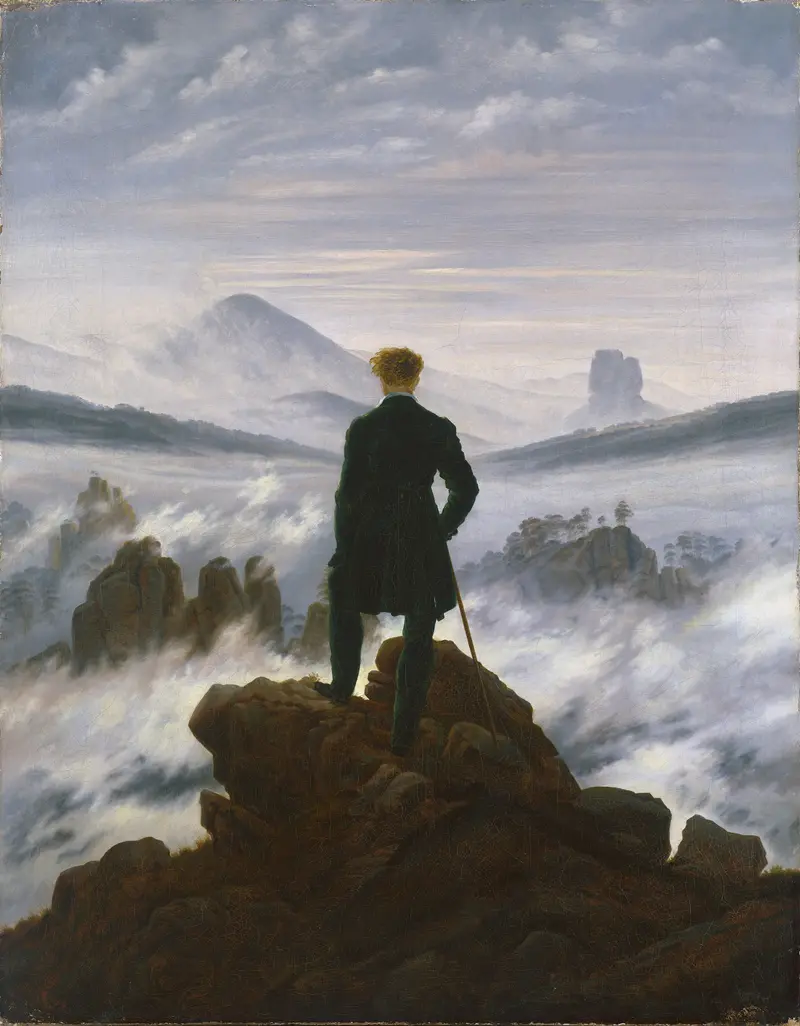
Wanderer above the Sea of Fog
Caspar David Friedrich

The Sea of Ice
Caspar David Friedrich
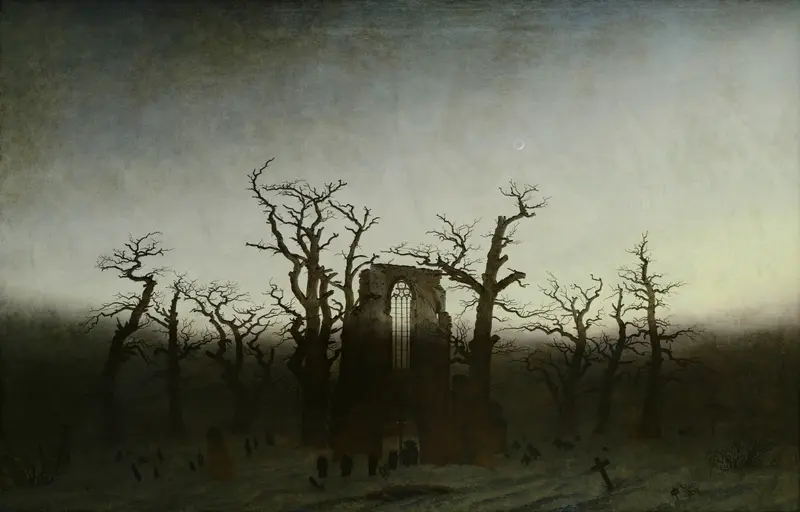
The Abbey in the Oakwood
Caspar David Friedrich
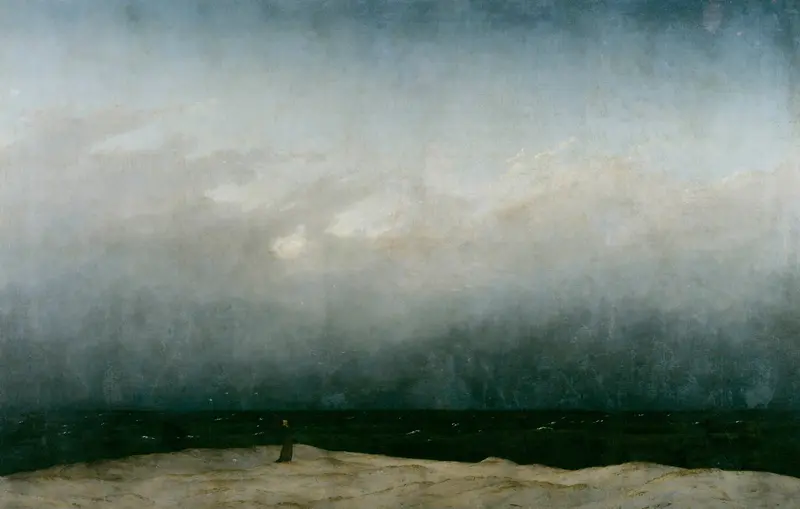
The Monk by the Sea
Caspar David Friedrich
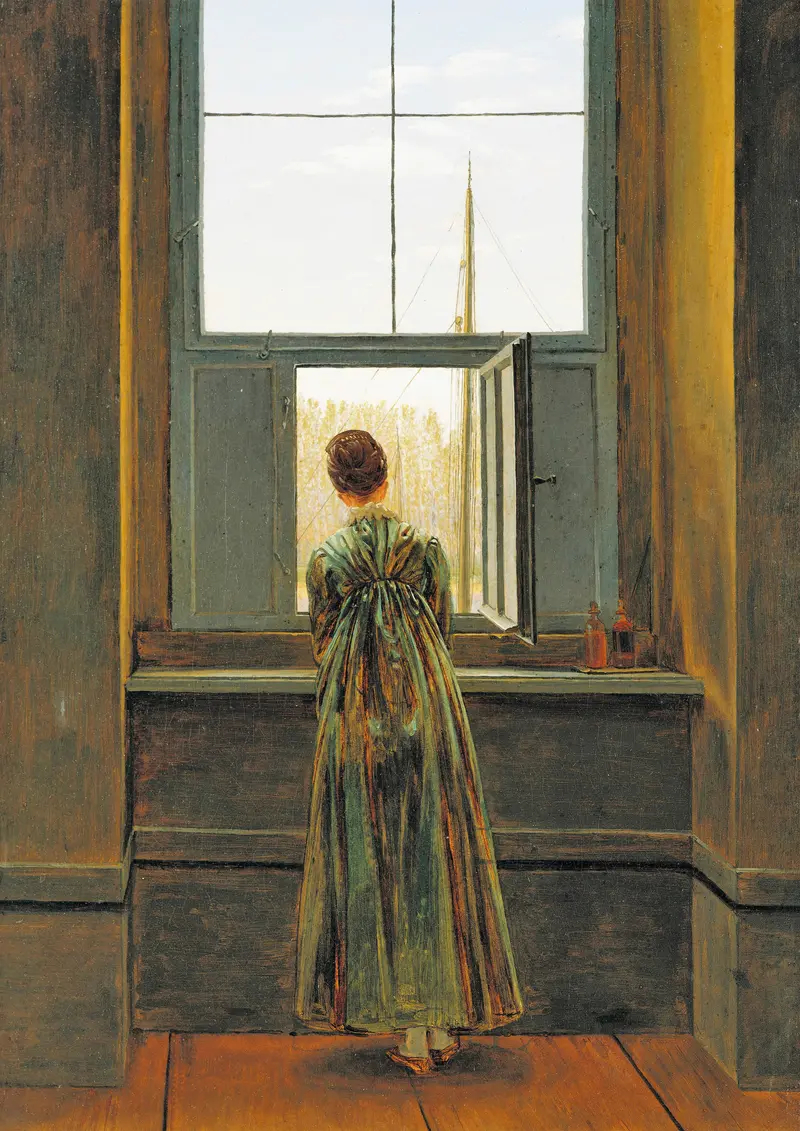
Woman at a Window
Caspar David Friedrich
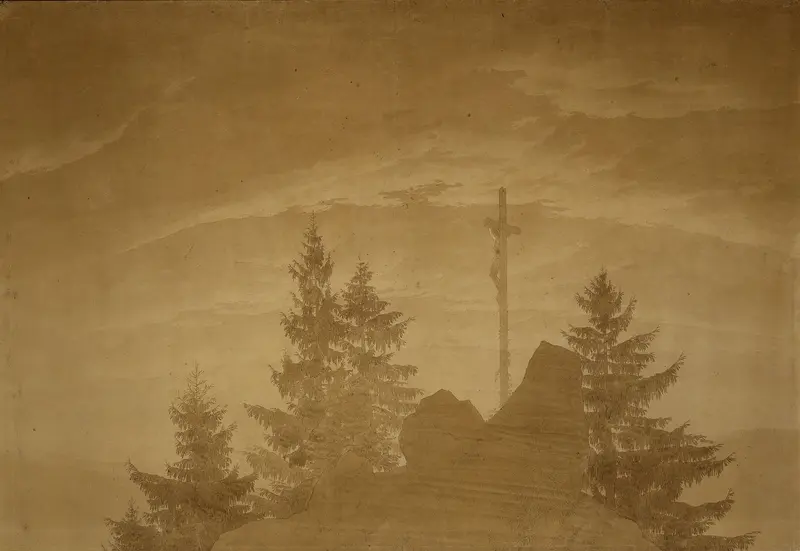
Cross in the Mountains
Caspar David Friedrich
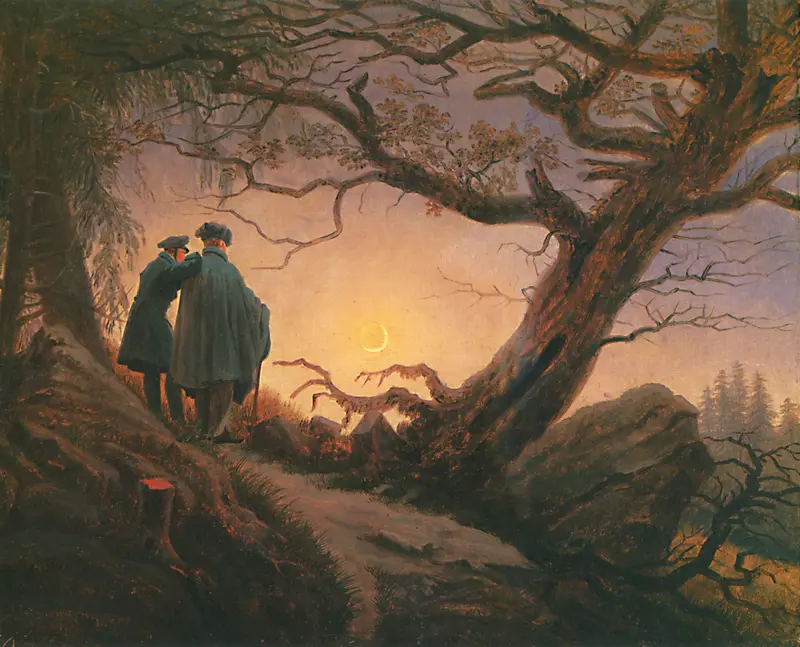
Two Men Contemplating the Moon
Caspar David Friedrich
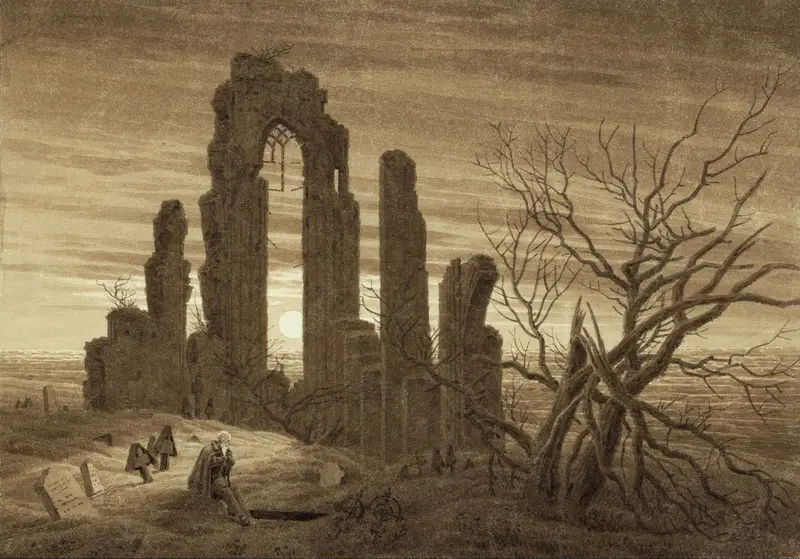
Winter – Night – Old Age and Death (from the times of day and ages of man cycle of 1803)
Caspar David Friedrich
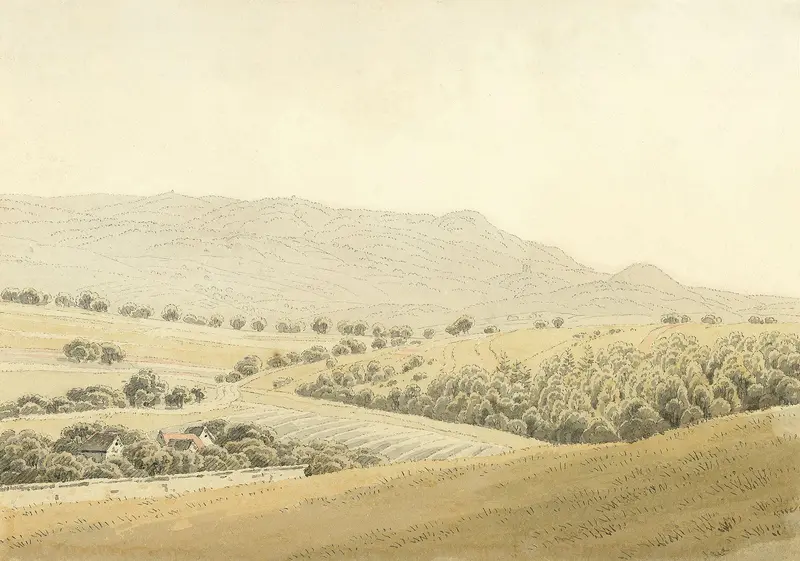
Mittelgebirgslandschaft
Caspar David Friedrich

Landschaft mit gebirgsee, morgen
Caspar David Friedrich
More Landscape Art

The Starry Night
Vincent van Gogh

View of Delft
Johannes Vermeer

Water Lilies
Claude Monet

The Grand Canal, Venice, looking north-west from the Ca' Corner to the Ca' Contarini degli Scrigni, with the campanile of Santa Maria della Carità
Canaletto

Windsor Castle
Canaletto

The Grand Canal looking North-East from the Palazzo Dolfin-Manin to the Rialto Bridge
Canaletto