
The Old Lyman House at Waltham — History & Facts
In a fleeting glance, the beauty of a simple house can awaken a deep, almost ecstatic longing for connection — to the past, to nature, and to ourselves. Look to the left of the canvas, where the old Lyman house stands resolutely amidst the verdant embrace of overgrown foliage. The weathered shingles, painted in soft, muted hues of blue and gray, seem to sigh with stories untold, while splashes of sunlight filter through the leaves, casting playful patterns on the worn wooden porch. The artist's brushwork captures the gentle decay of time, creating an interplay of texture and light that invites the viewer to linger and ponder. The bold contrasts between the lively greens of nature and the soft pastels of the structure evoke a sense of harmony and nostalgia.
The house, a relic of history, hints at the transience of existence, while the encroaching wilderness symbolizes nature's eternal claim over man-made constructs. Each detail, from the curled edges of the shingles to the wildflowers dotting the foreground, resonates with a quiet ecstasy, reminding us of the fleeting beauty that can often be overlooked. During the late 19th to early 20th century, the artist found himself immersed in a time of great change and artistic exploration. Living in America, where he was influenced by both Japanese traditions and Western artistic movements, he painted The Old Lyman House at Waltham as a testament to the interplay between civilization and nature.
This era was marked by a burgeoning appreciation for the sublime beauty of the ordinary, reflecting a world in flux and the artist's own search for beauty amidst the chaos.
More Artworks by Kanji Nakamura
Browse all →
Courtyard of an Old Palace, Palermo
Kanji Nakamura
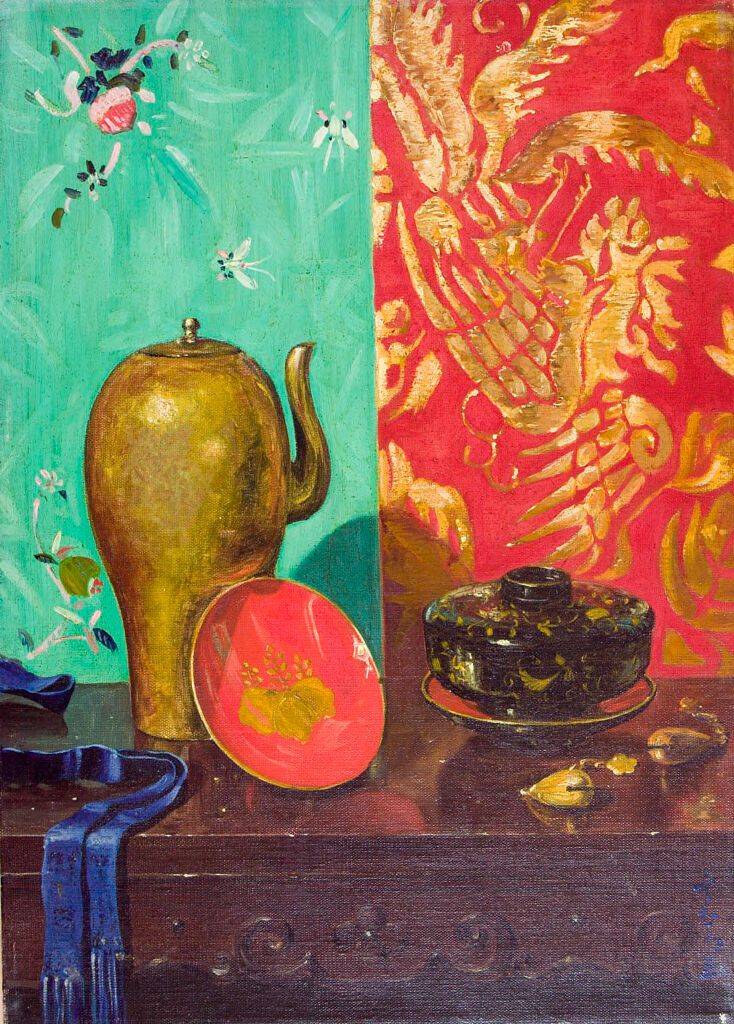
Still Life with Vessel, Plate and Ink Jar
Kanji Nakamura
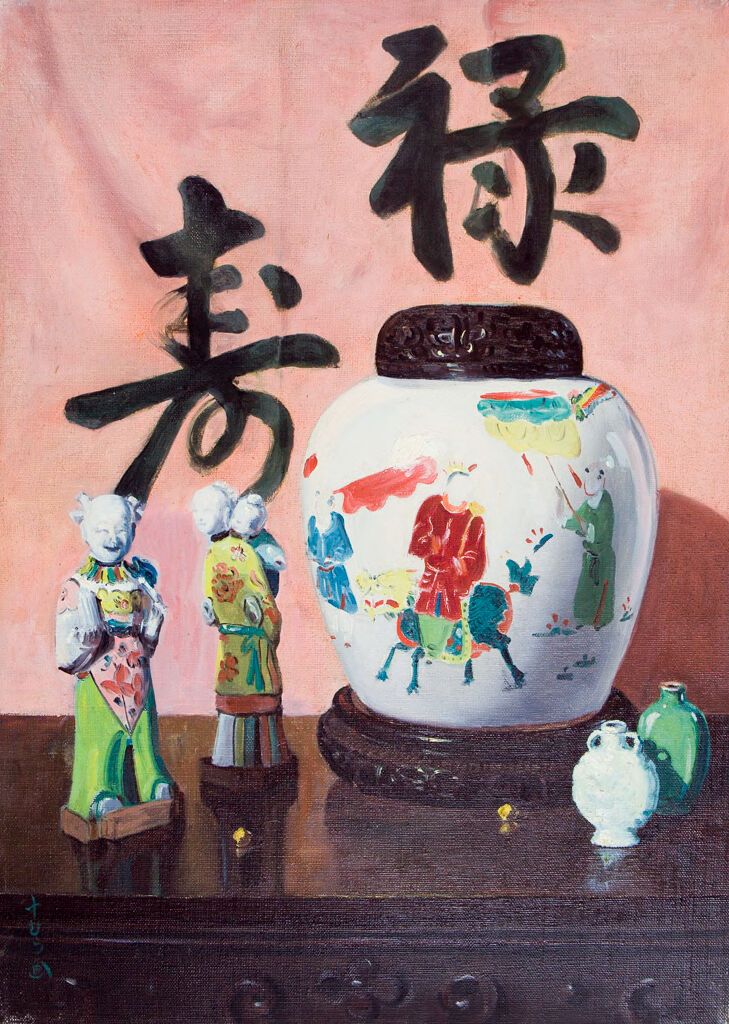
Still Life with Jars and Figurines
Kanji Nakamura
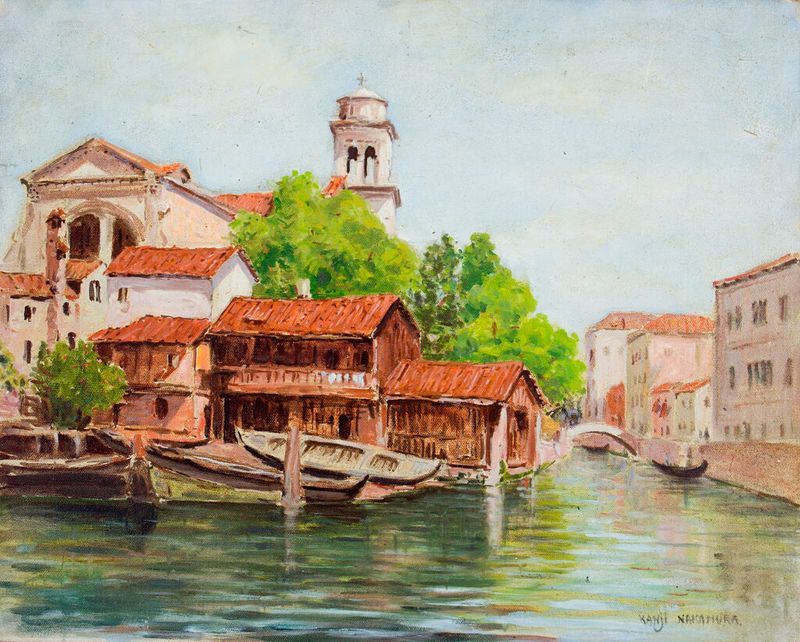
Canal Scene with Buildings and Steeple
Kanji Nakamura

Flowers
Kanji Nakamura

Orizaba, Mexico
Kanji Nakamura

Self-Portrait
Kanji Nakamura

Still Life with Oriental Head
Kanji Nakamura
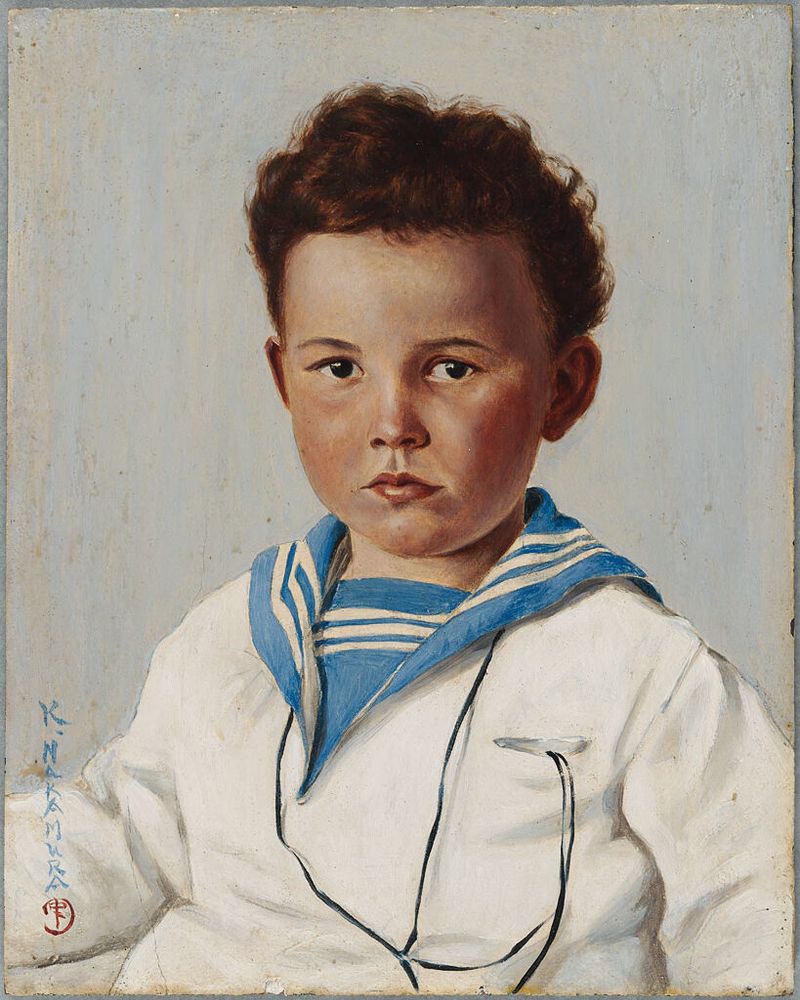
Portrait of a Boy
Kanji Nakamura

Still Life with Grapes and Pomegranates
Kanji Nakamura





