
The Old Mill (Vieux Moulin) — History & Facts
In The Old Mill, the impermanence of nature is beautifully captured, reminding us that decay is a form of artistry itself. Look to the left at the gently arching willow, its drooping branches reaching out as though to cradle the forlorn structure. The mill stands worn and weary, yet alive in its quiet dignity; its muted, earthy tones evoke the passage of time. Notice how the light plays upon the weathered wood and crumbling stone, creating a soft embrace that contrasts with the harshness of decay.
The brushwork oscillates between fluid and textured, guiding the eye along a path from the mill to the lush greenery that surrounds it. There’s an emotional tension inherent in this scene—a dialogue between vitality and deterioration. The vibrant foliage hints at renewal, even as the mill signifies loss and history. The juxtaposition of life and decay invites the viewer to reflect on the cyclical nature of existence, where every ending harbors the seeds of a new beginning.
Each stroke of the brush vibrates with an understanding that beauty can be found even in the remnants of what once was. In 1892, Robinson painted this piece during a time when American Impressionism was thriving, and he was heavily influenced by the techniques and philosophies of French Impressionists. Living in Giverny, he immersed himself in a world where light and color danced, reflecting both personal introspection and the broader cultural shifts of the era, which celebrated nature in all its forms—flourishing and fading alike.
More Artworks by Theodore Robinson
Browse all →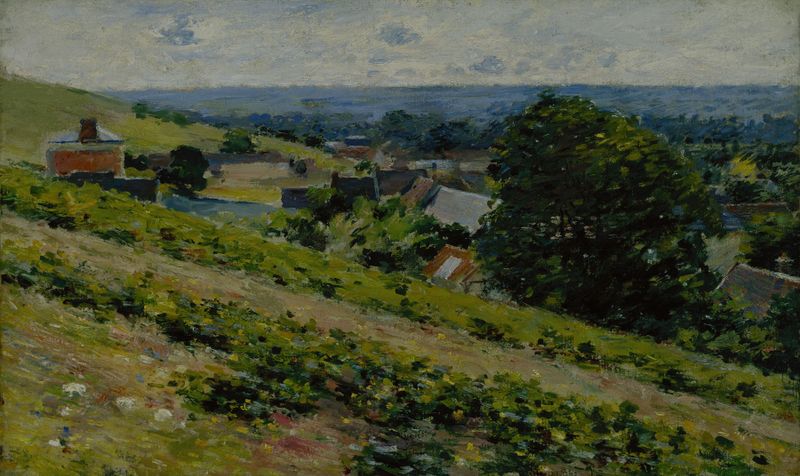
From the Hill, Giverny
Theodore Robinson

Giverny
Theodore Robinson

Old Church At Giverny
Theodore Robinson
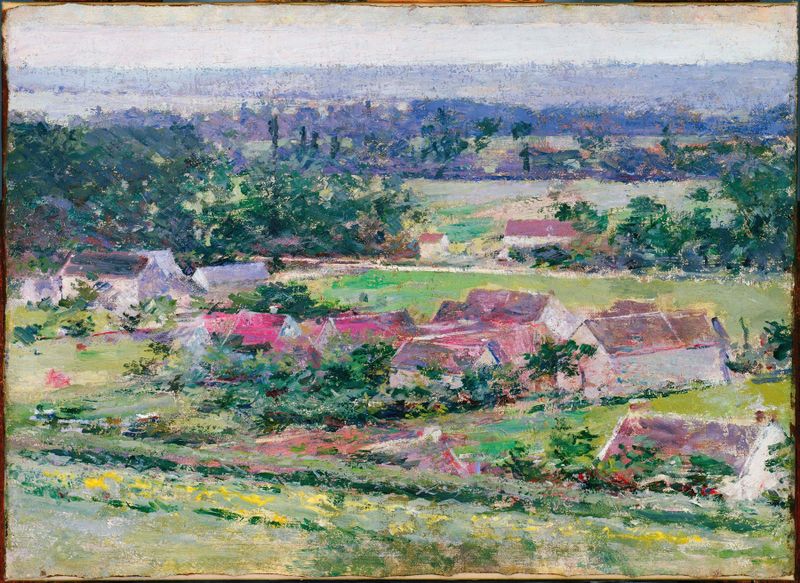
Giverny
Theodore Robinson
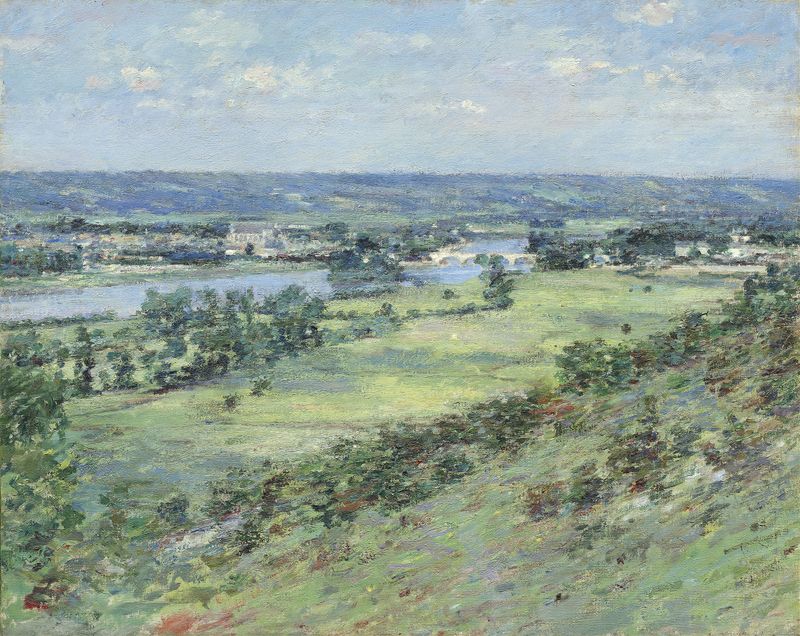
The Valley of the Seine,from the Hills of Giverny
Theodore Robinson
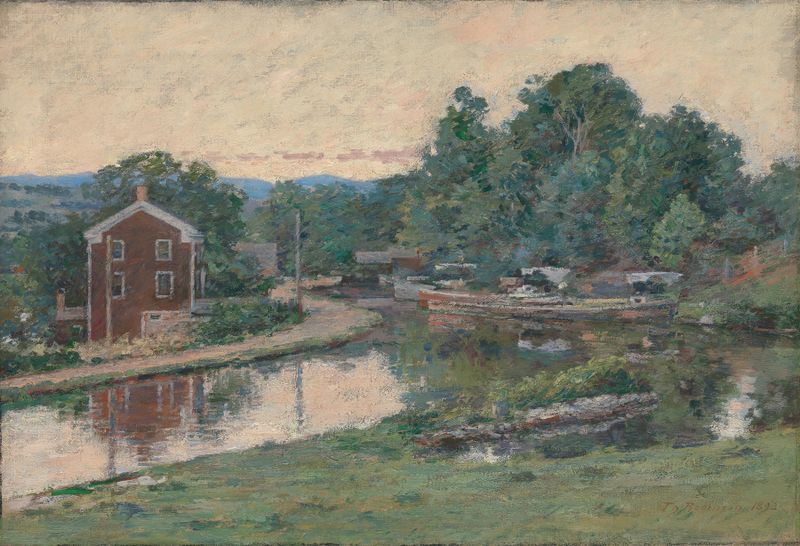
Evening at the Lock, Napanoch, New York
Theodore Robinson
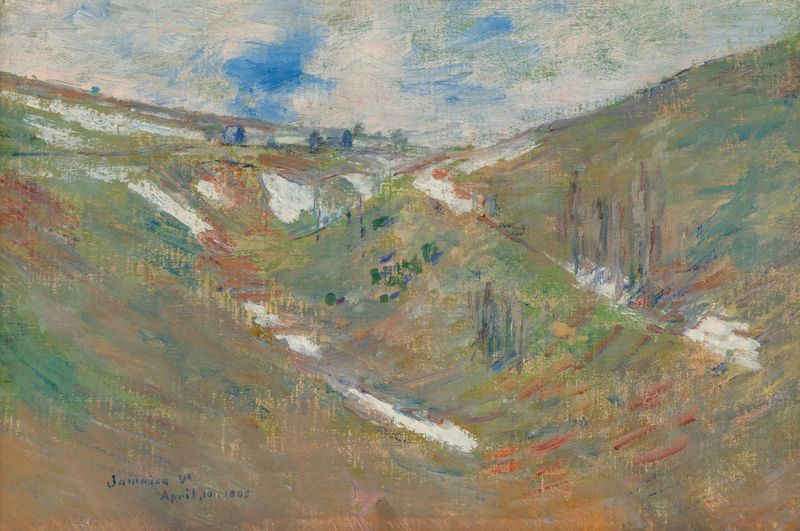
Jamaica, Vermont
Theodore Robinson
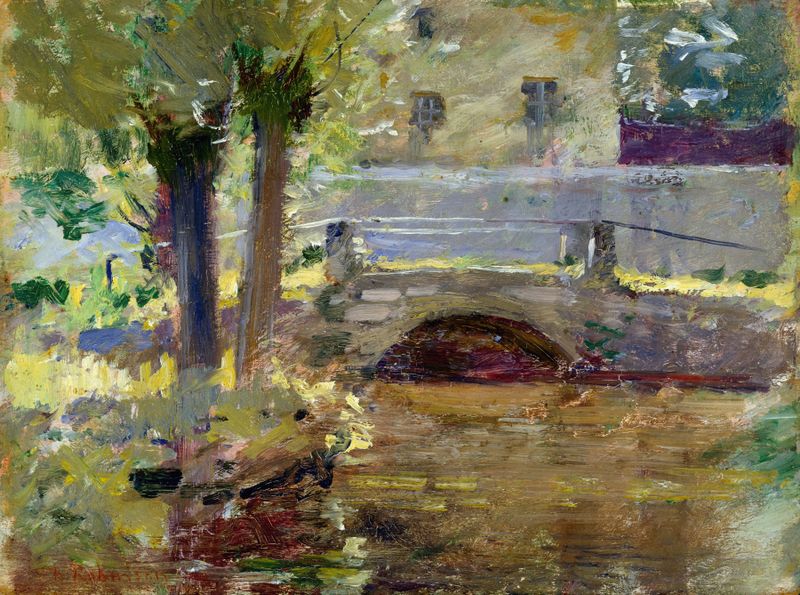
The Bridge at Giverny
Theodore Robinson

House In Virginia
Theodore Robinson
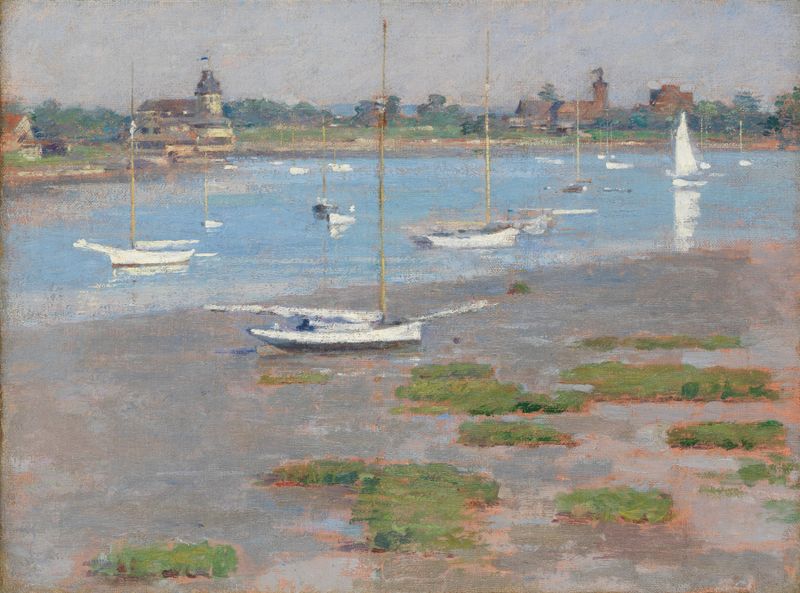
Low Tide, Riverside Yacht Club
Theodore Robinson





