
The opening of the Val de Tignes — History & Facts
Could beauty survive in a century of chaos? Nestled within the serene embrace of the Val de Tignes, a world almost untouched invites contemplation and dreams of tranquility amid life’s relentless tumult. Look to the foreground where gentle slopes rise softly, cradling a carpet of lush grasses. The artist’s deft brushwork captures the play of light, where radiant hues of green merge seamlessly into the distant lavender and gold of the mountains, suggesting a moment suspended in time. Notice how the clouds dance above, their wisps echoing the delicate strokes of paint, anchoring the composition with an ethereal balance.
The horizon stretches wide, presenting a canvas that beckons the viewer to step into this idyllic realm. Beyond the tranquil surface, emotional complexities lie hidden. The juxtaposition of the peaceful valley against the formidable peaks speaks to the duality of nature’s beauty and its unyielding power. Each stroke seems to breathe life, whispering a narrative of aspiration — a dream of harmony amidst chaos — as if the landscape is a sanctuary for the weary soul.
The cool palette invites introspection, while the sweeping lines evoke movement, compelling one to journey deeper into its serenity. In 1867, Elijah Walton painted this evocative landscape while residing in a period marked by artistic exploration and the burgeoning Impressionism movement. He was influenced by the Romantic ideals of the sublime, seeking to capture not just a scene, but the essence of emotional depth. It was a time when artists were grappling with new techniques and perspectives, striving to depict the beauty of the natural world in a way that resonated with the human experience.
More Artworks by Elijah Walton
Browse all →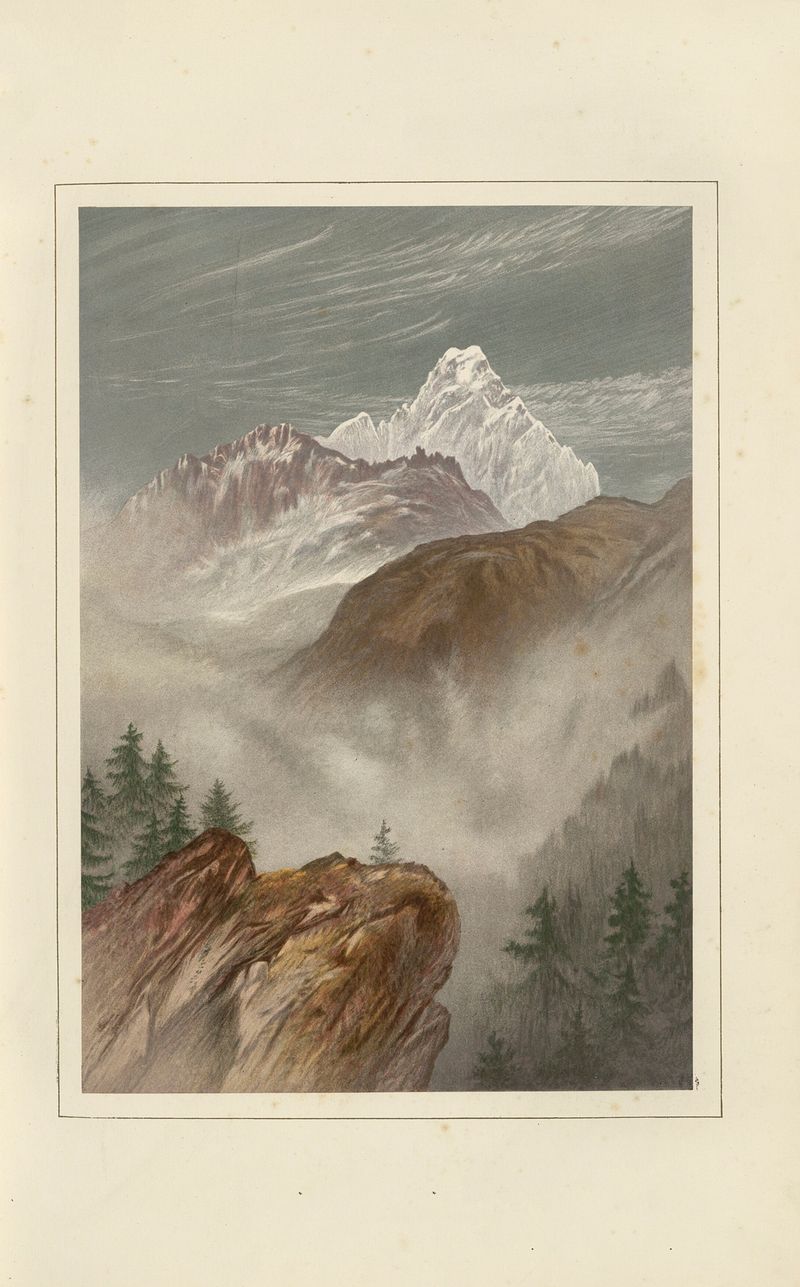
Monte Viso, from the south
Elijah Walton

The Matterhorn
Elijah Walton

The Gorner glacier
Elijah Walton

The Cascade de Roget and the Pointe de Salles
Elijah Walton
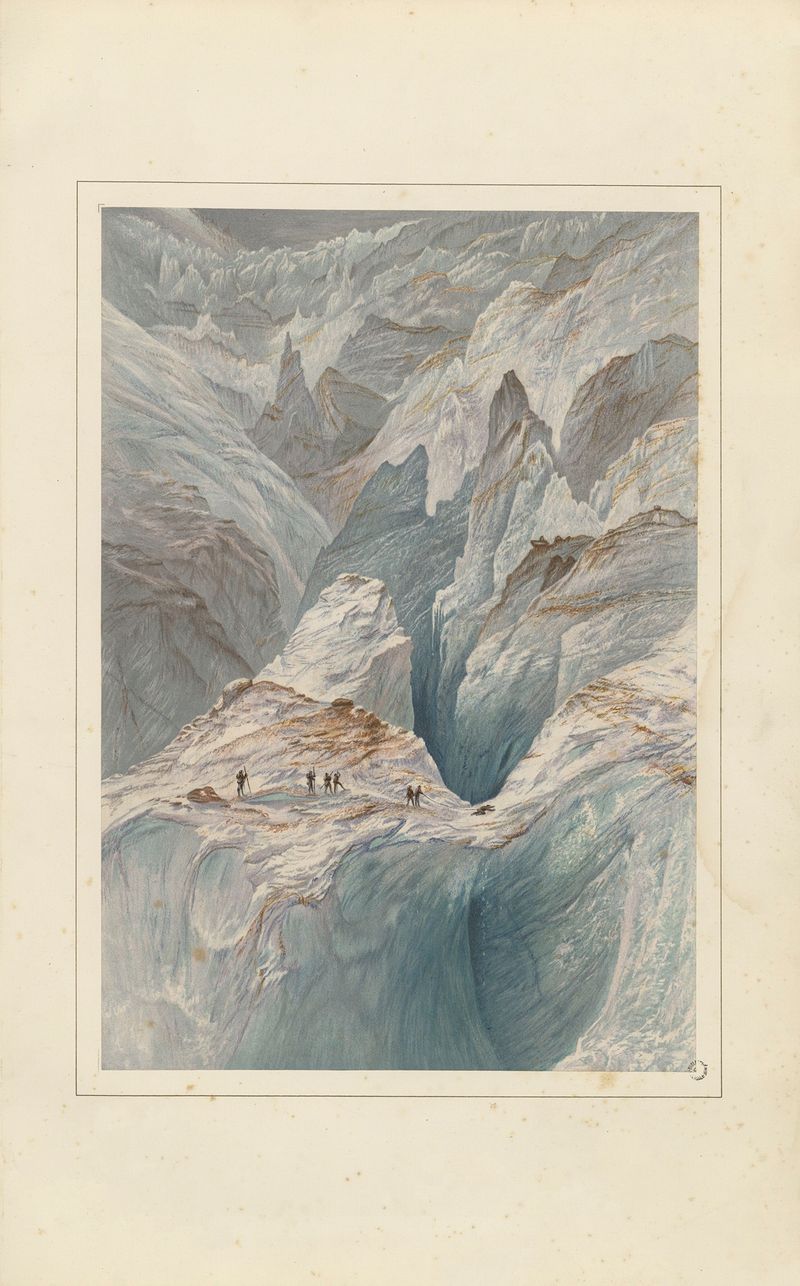
Crevasses on the Mer de Glace
Elijah Walton
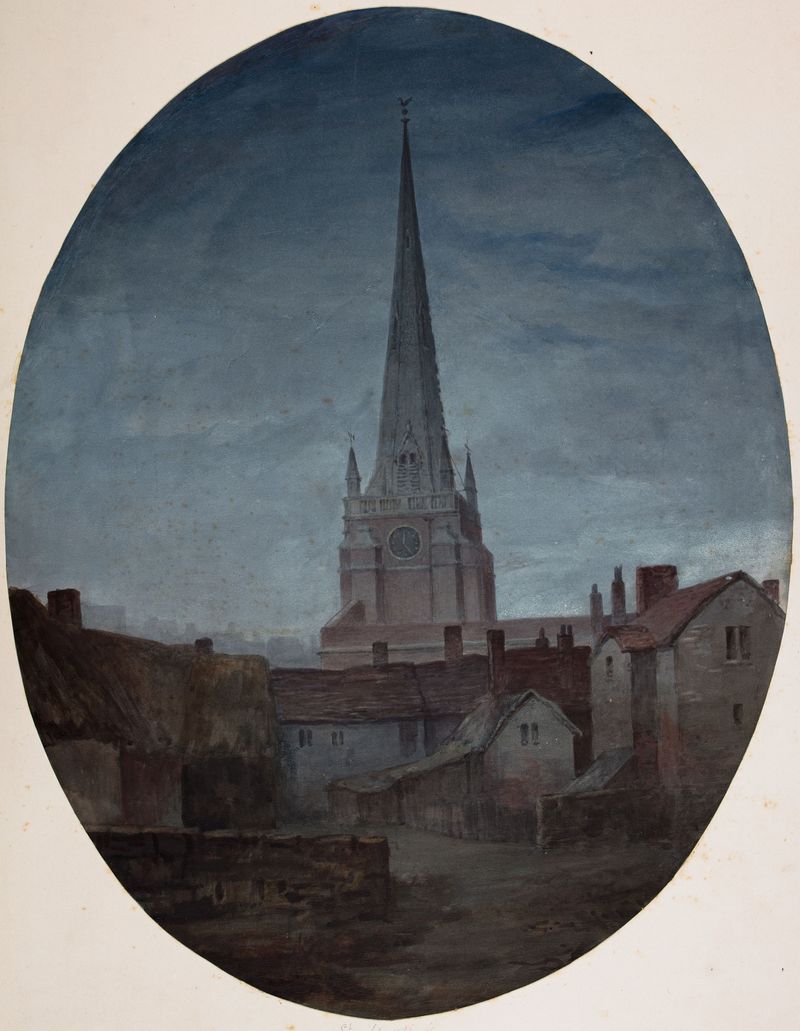
St Martin’s Church Birmingham, By Night
Elijah Walton

The Weisshorn, from near St. Niklaus
Elijah Walton

Monte Viso, from the Col de La Croix
Elijah Walton
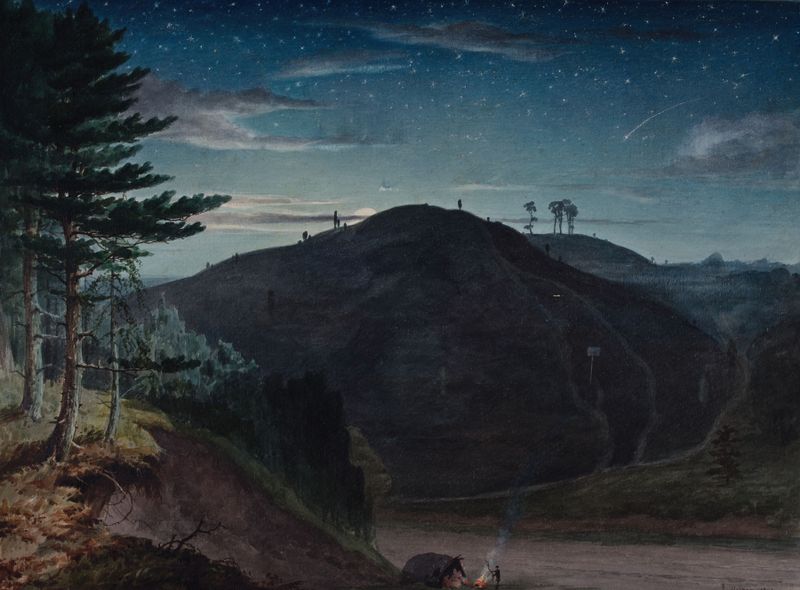
Cofton From Rednal, Moonlight
Elijah Walton
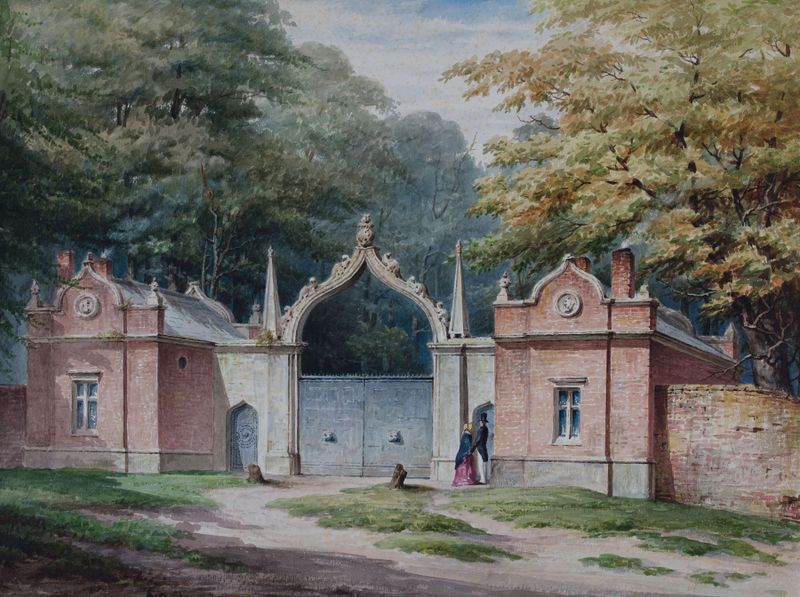
Lodge Gates, Entrance To Aston Hall
Elijah Walton





