The Ostrich — History & Facts
What secret hides in the quiet of the canvas? In The Ostrich, fear lies just beneath the surface, waiting to be unearthed. Look closely at the powerful, almost sentinel-like posture of the ostrich, dominating the canvas with its long neck extended into a watchful pose. The hues of browns and muted greens create a sense of earthy stillness, while the stark whites of the bird’s feathers draw your gaze upward. Notice how the brushstrokes are both deliberate and loose, capturing the essence of the creature while leaving a raw, unrefined texture that invites contemplation.
There’s an unsettling calm in the way the body blends with the background, almost as if the ostrich is both part of the landscape and an alien force within it. As you delve deeper into the painting, consider the symbolism of the ostrich itself—often associated with avoidance and burying one’s head in the sand. This tension resonates through the empty space surrounding it, hinting at loneliness and the unrevealed truths that lie just beyond sight. The contrast between the ostrich's confident stance and the encroaching shadows reinforces a deeper fear, suggesting that life may be more perilous than it appears. Haskell created this work in 1915 during a time marked by social and political upheaval.
The world was engulfed in the First World War, and artists were grappling with themes of conflict and introspection. Haskell, known for his unique blend of realism and abstraction, sought to capture not just the form of his subjects but the emotions they incited, reflecting the pervasive anxiety of an uncertain era.
More Artworks by Ernest Haskell
Browse all →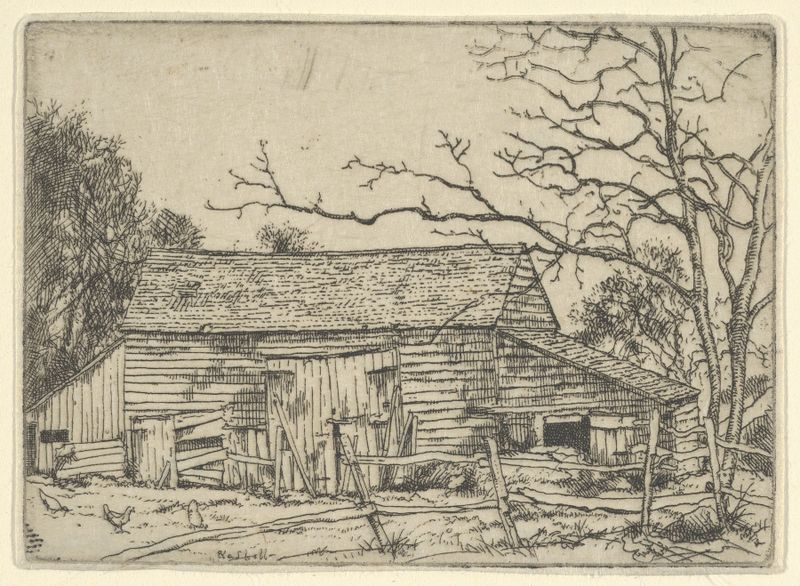
The Barn–Staten Island, N.Y.
Ernest Haskell

Four Live Oaks
Ernest Haskell
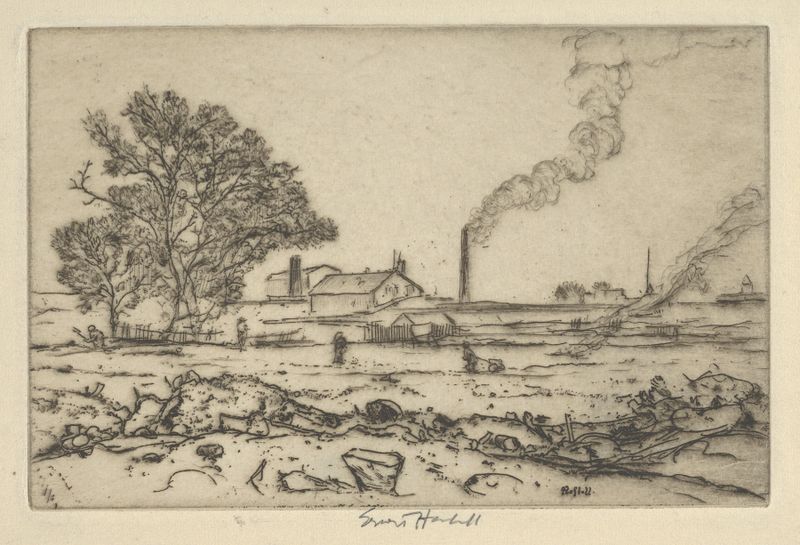
Outskirts of Boston
Ernest Haskell
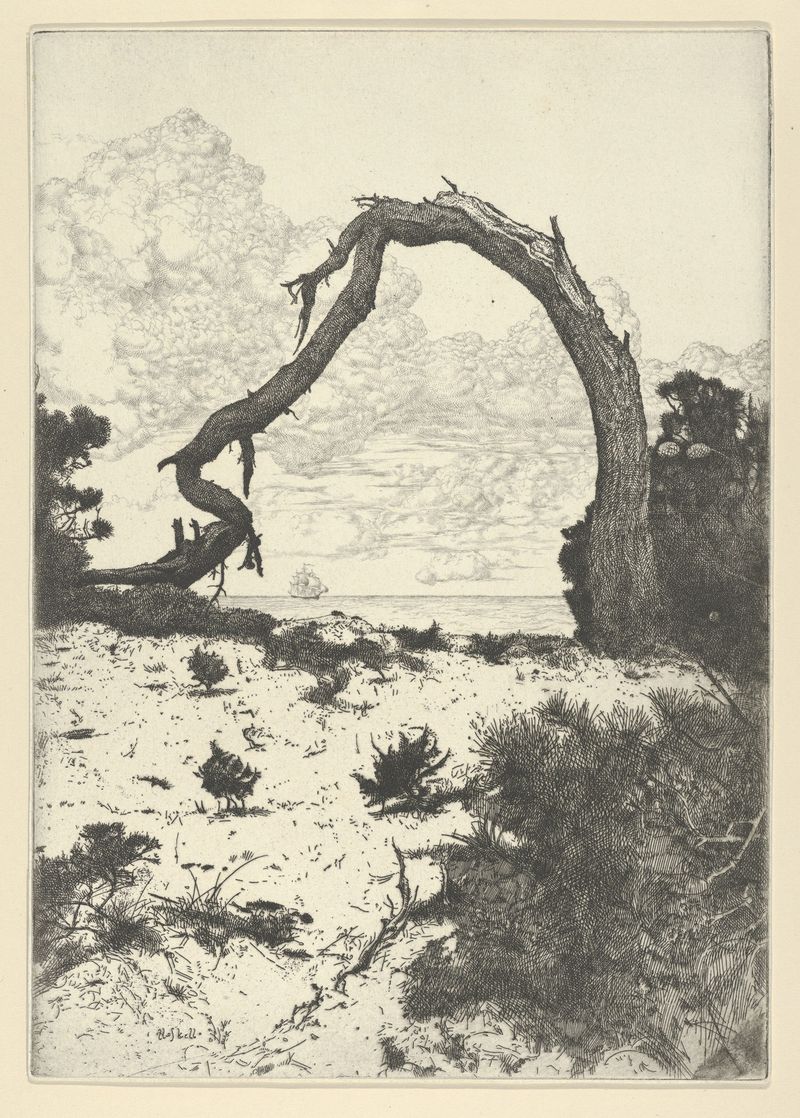
Pine Arch
Ernest Haskell

General Sherman
Ernest Haskell
Ragged Tree – Maine
Ernest Haskell

Tide Mill
Ernest Haskell

Ship Building
Ernest Haskell
To the Southward – Ragged Island, Me.
Ernest Haskell
Long Island Marshes
Ernest Haskell