Discover insights about this artwork
The Parade of Silenus — History & Facts
In The Parade of Silenus, vibrant colors dominate the scene, creating a lively atmosphere. The figures are dynamic, depicting a joyful procession of mythological characters. Silenus, the companion of Dionysus, is at the center, surrounded by satyrs and nymphs.
The lush greenery and flowing drapery enhance the sense of movement and celebration. The painting is executed in oil on canvas, a common medium for Peter Paul Rubens. The use of light and shadow adds depth, while the rich palette emphasizes the festive mood. The composition is carefully arranged, guiding the viewer's eye through the swirling figures and vibrant colors.
The scale of the work is impressive, measuring approximately 150 x 200 cm. Peter Paul Rubens was a leading figure in the Baroque movement, known for his energetic compositions and vivid colors. The Parade of Silenus showcases his ability to capture movement and emotion in a mythological context. An interesting fact about this work is that it reflects Rubens' fascination with classical themes and his skill in portraying the human form in a lively manner.
This painting is housed in the Museo del Prado, a testament to its significance in art history.
More Artworks by Peter Paul Rubens
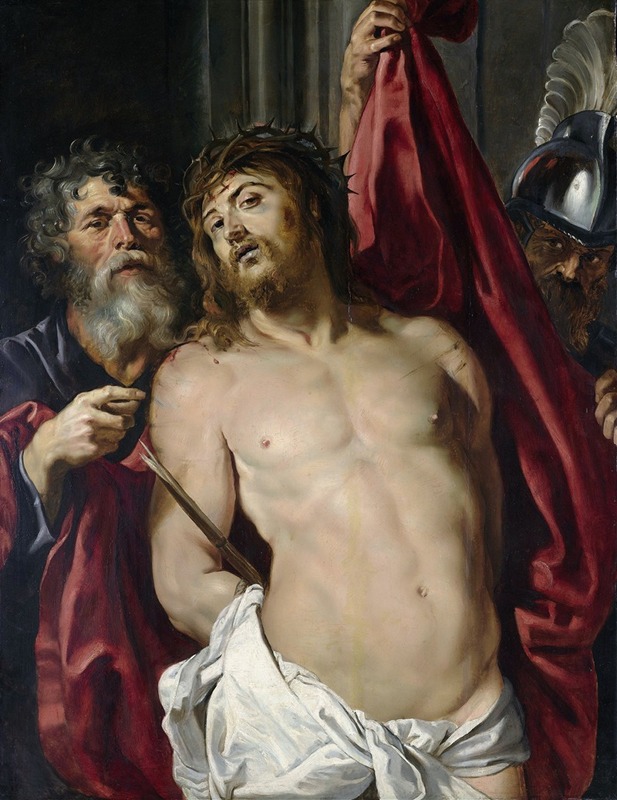
Ecce homo
Peter Paul Rubens
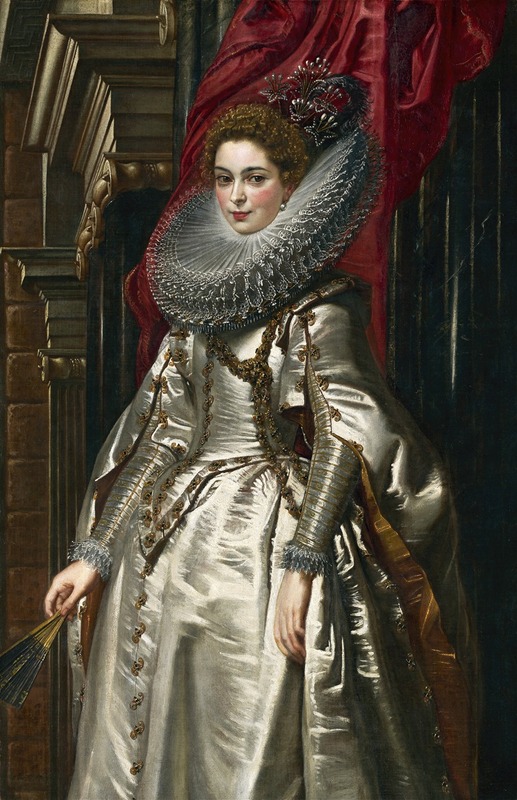
Marchesa Brigida Spinola Doria
Peter Paul Rubens
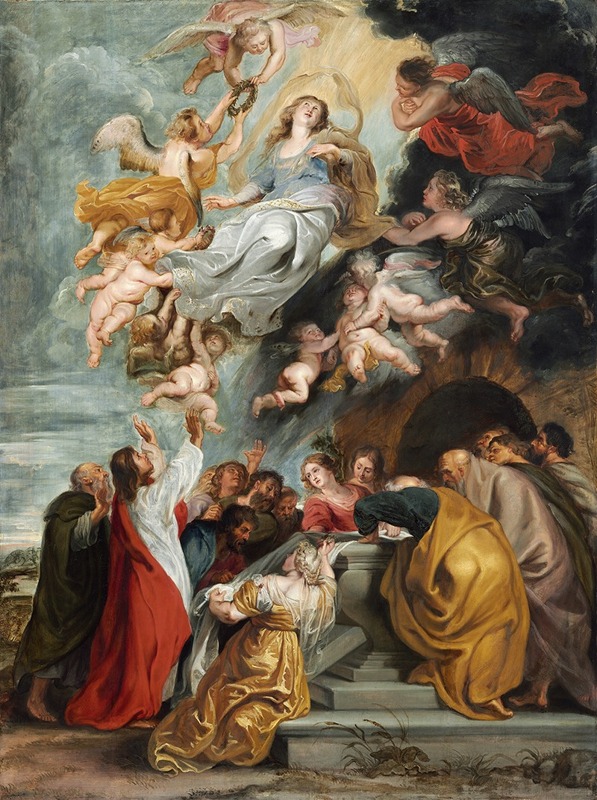
The Assumption of the Virgin
Peter Paul Rubens

Saint Teresa of Ávila Interceding for Souls in Purgatory
Peter Paul Rubens
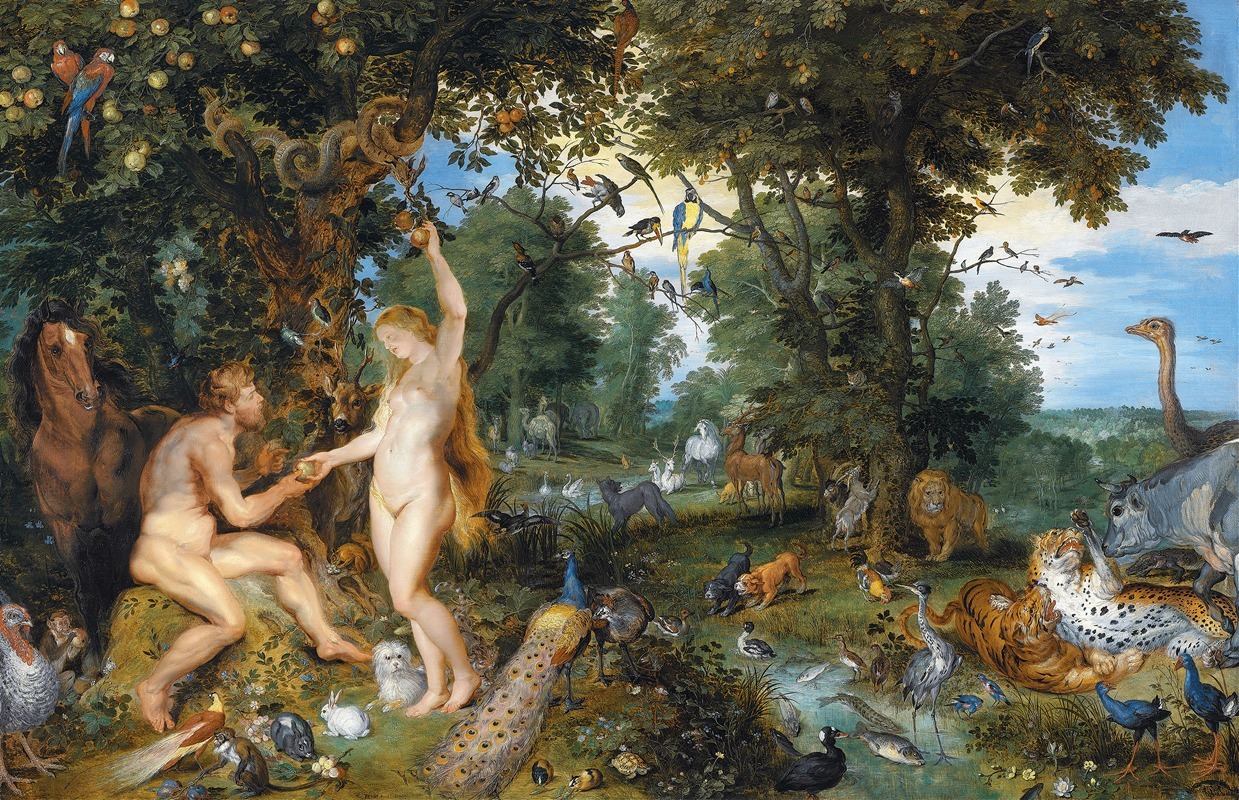
The Garden of Eden with the Fall of Man
Peter Paul Rubens
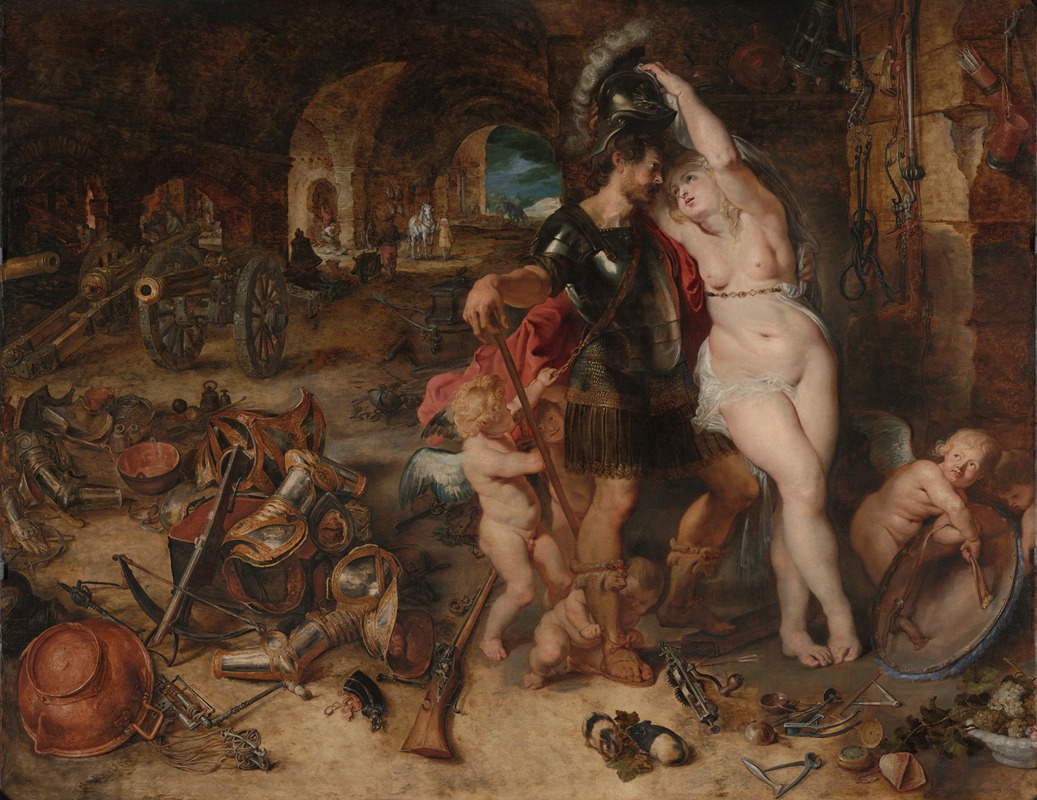
The Return From War,Mars Disarmed By Venus
Peter Paul Rubens
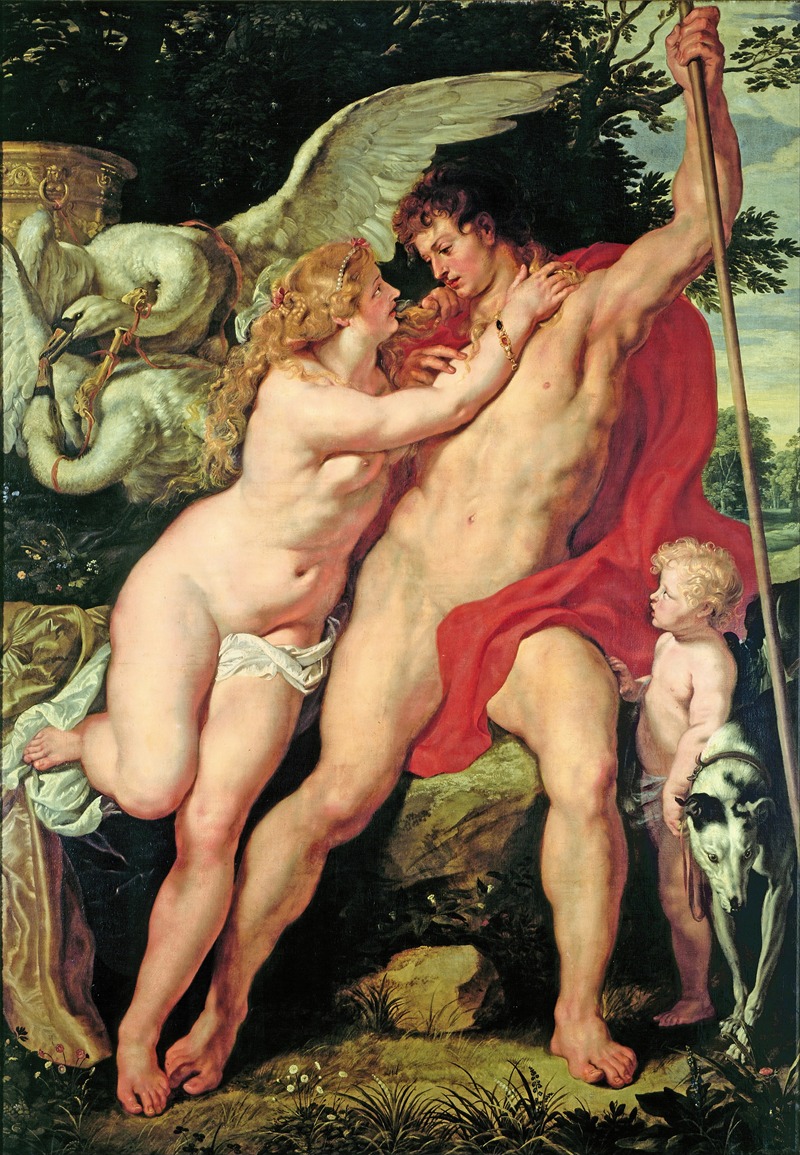
Venus and Adonis
Peter Paul Rubens
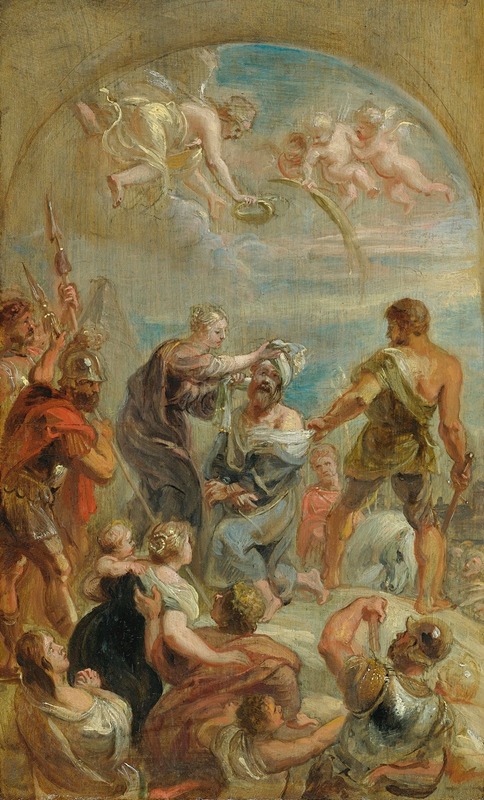
The Martyrdom Of Saint Paul
Peter Paul Rubens
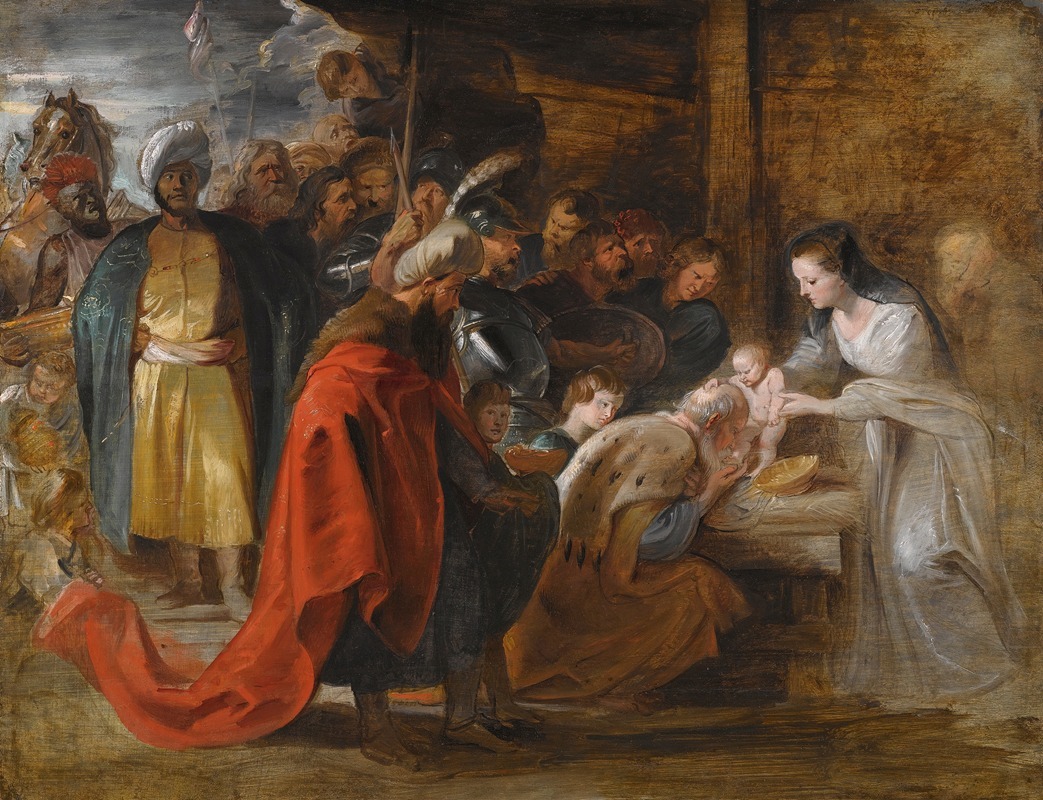
The Adoration Of The Magi
Peter Paul Rubens
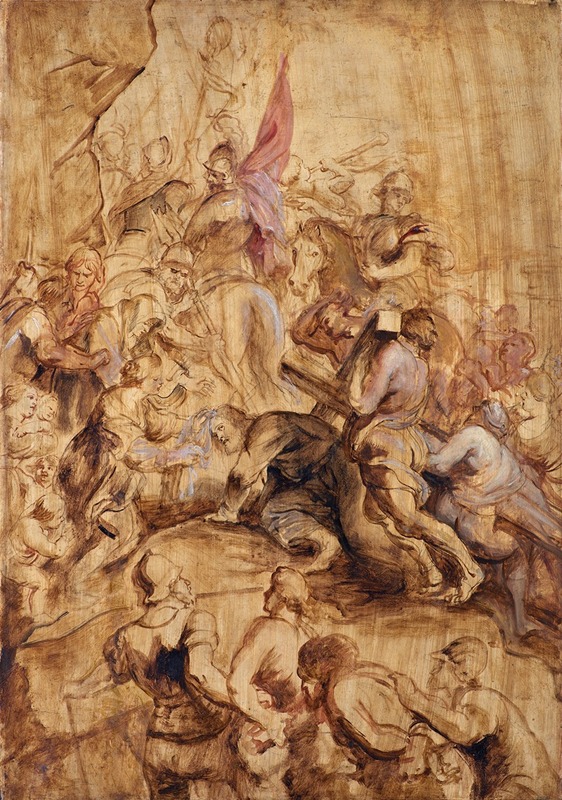
The Ascent to Calvary. The Bearing of the Cross
Peter Paul Rubens