
The Peacocks on the Embankment — History & Facts
What first catches the eye in The Peacocks on the Embankment is not just the riot of turquoise and emerald plumage, but the way the birds themselves seem to flow like water, their tails cascading in a living current. The artist, Warwick Goble, draws the viewer into a moment of quiet spectacle: a parade of peacocks, each feather meticulously rendered, advances along the embankment while two figures, half-concealed in the shadow of an ancient tree, look on. The composition leads the gaze from the dense, feathery mass at the right—almost abstract in its detail—down to the peacocks’ delicate heads and feet, and finally to the soft earth where they tread.
The palette is cool and misted, lending the scene an air of dusk or early morning, and the figures’ watchfulness hints at a story just beyond the visible. Created as an illustration for Folk-tales of Bengal by Lal Behari Dey, and published in 1912, this work belongs to a moment when British illustrators like Goble were bringing the stories of distant cultures to Western audiences, often with a sense of wonder and stylized beauty. Such images were commissioned to enchant readers, to turn the pages of a book into portals to other worlds. While little is recorded about the fate of this specific illustration outside its original volume, its lush detail and dreamlike mood speak of an era when book illustration was both art and adventure.
The longer you linger, the more the peacocks’ jeweled eyes and the hidden watchers seem to invite you into their secret—one that lives between the lines of story and image.
More Artworks by Warwick Goble
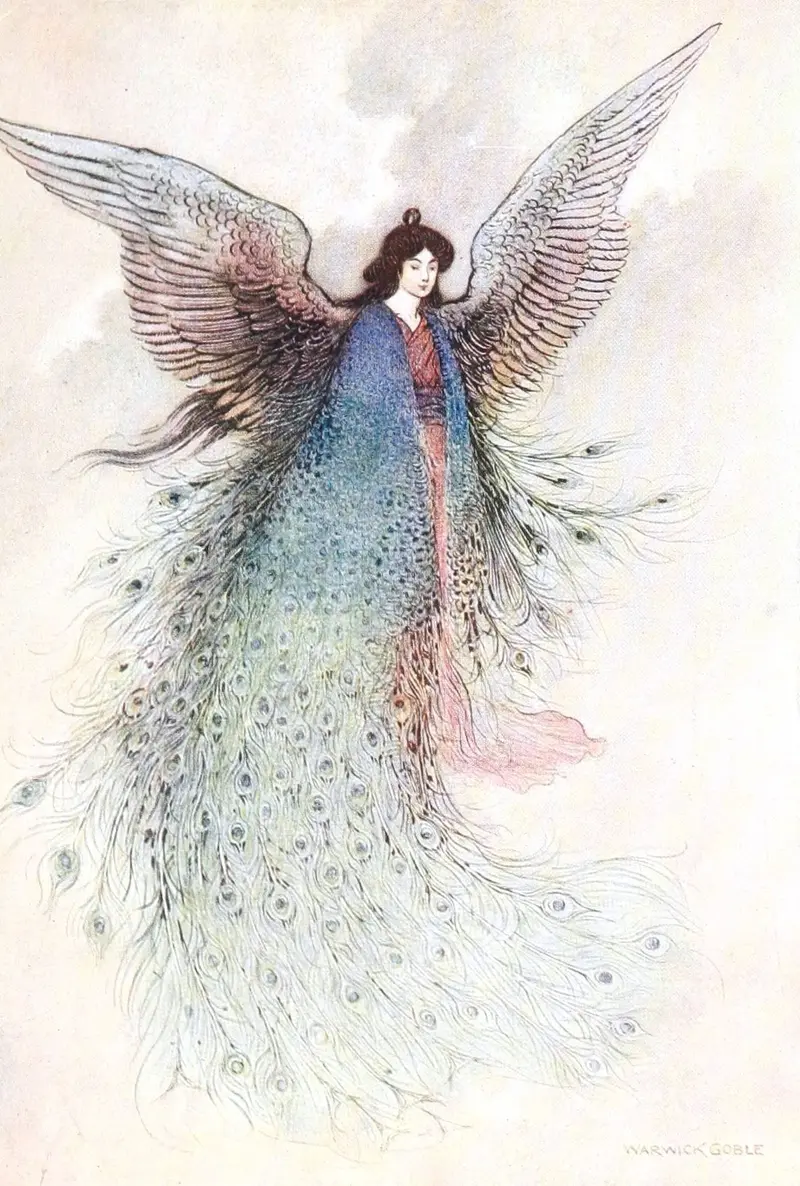
The Moon Maiden (Green Willow)
Warwick Goble
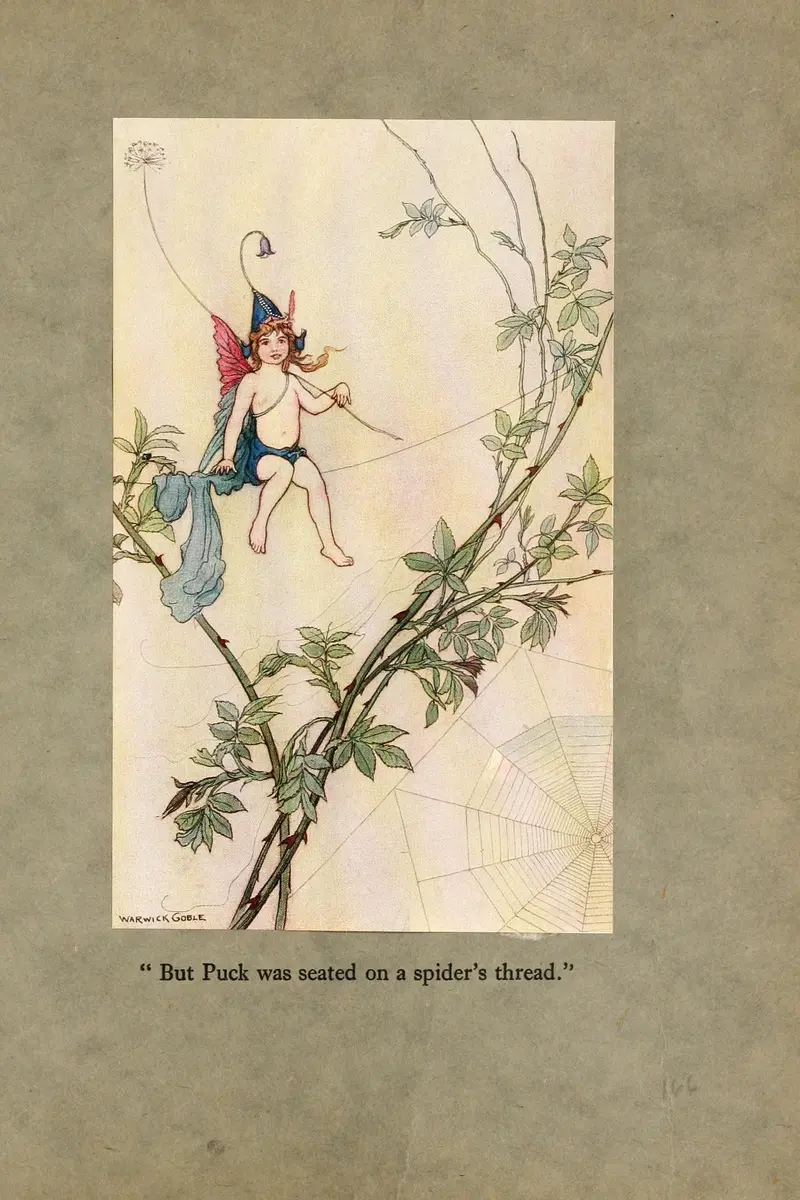
Puck
Warwick Goble

The Ordeal of Queen Draupadi
Warwick Goble

Momotaro
Warwick Goble
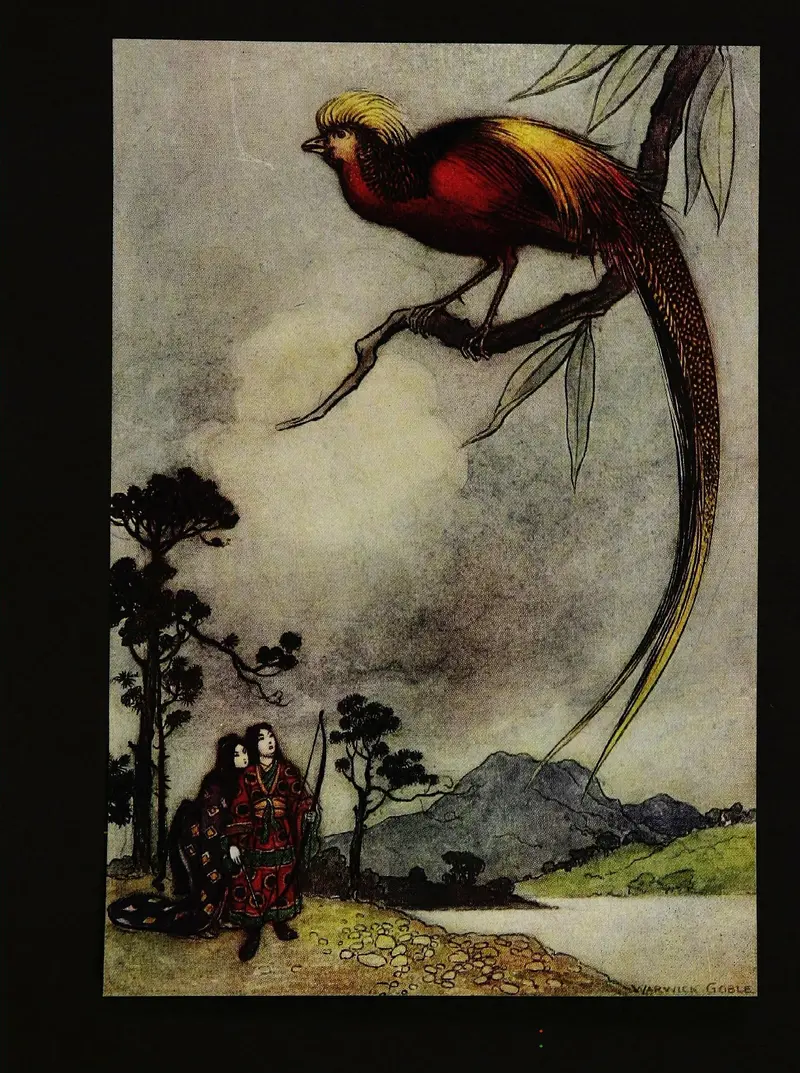
The Singing Bird of Heaven
Warwick Goble
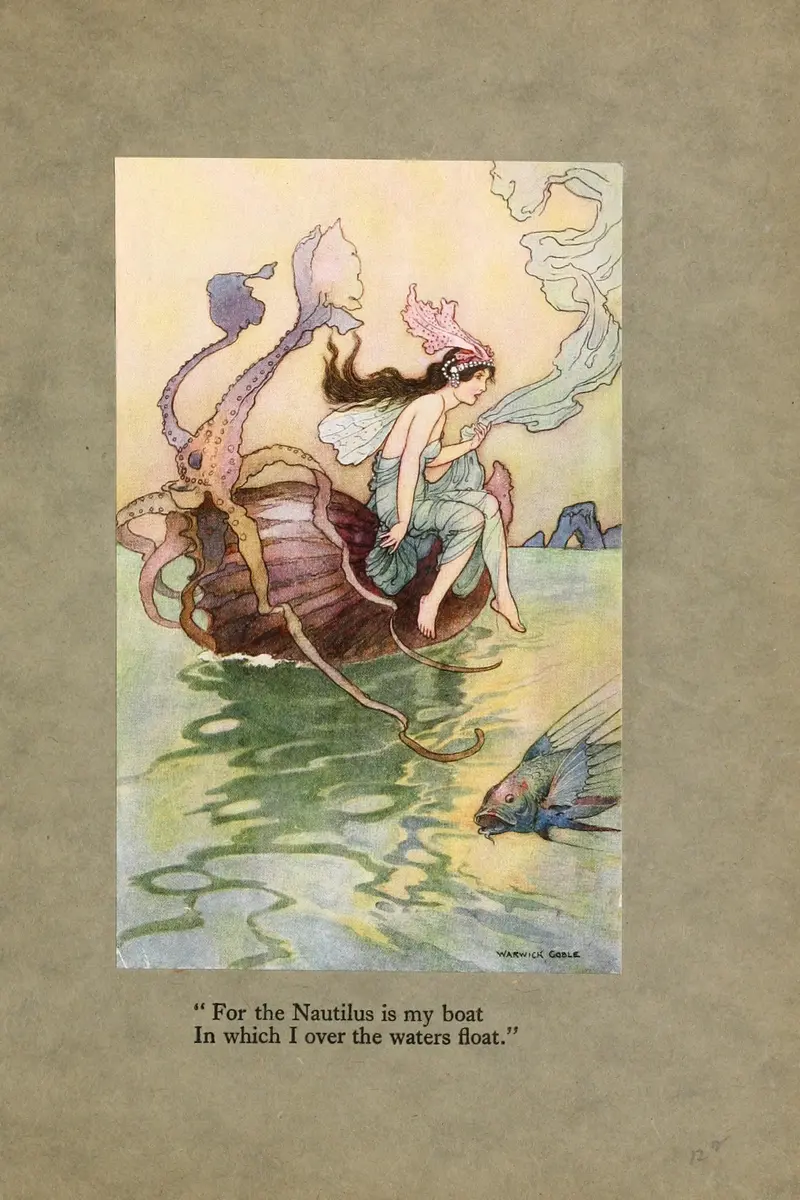
Fairies on the Seashore
Warwick Goble
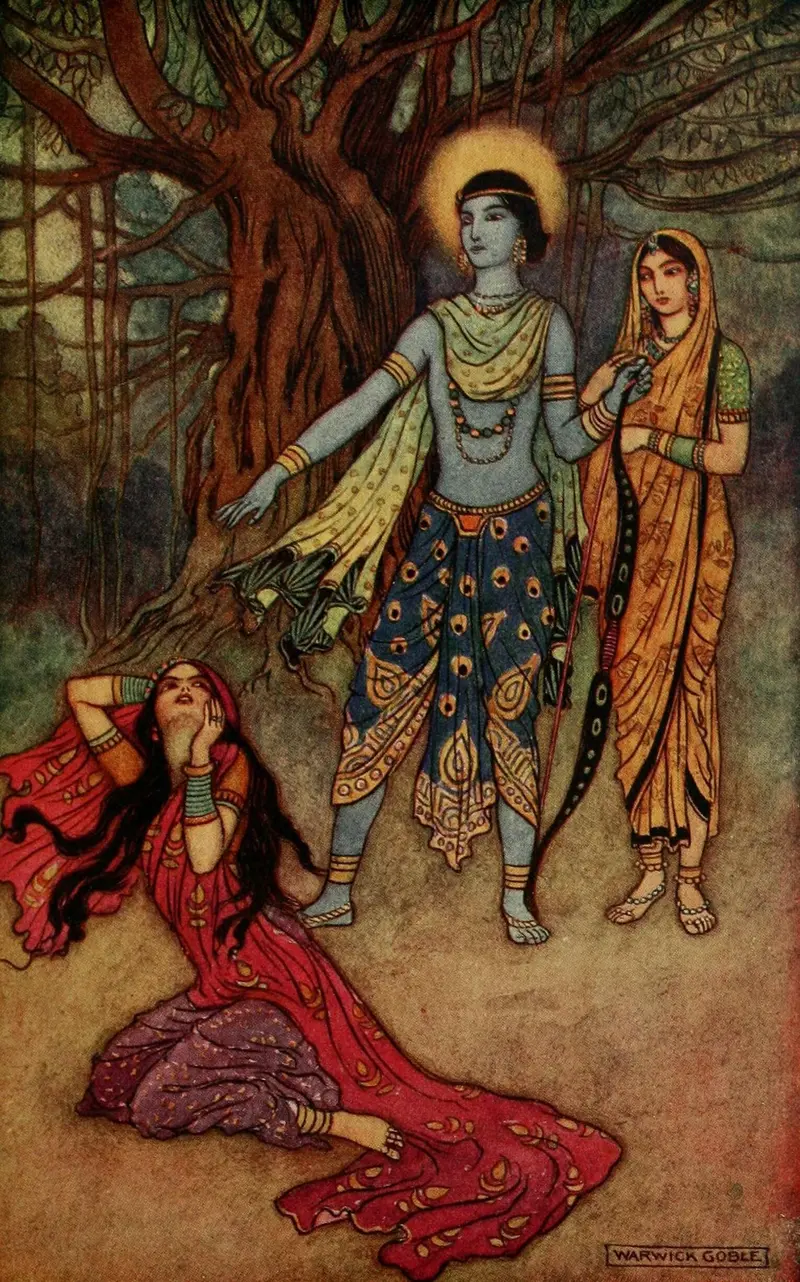
Rama Spurns the Demon Lover
Warwick Goble
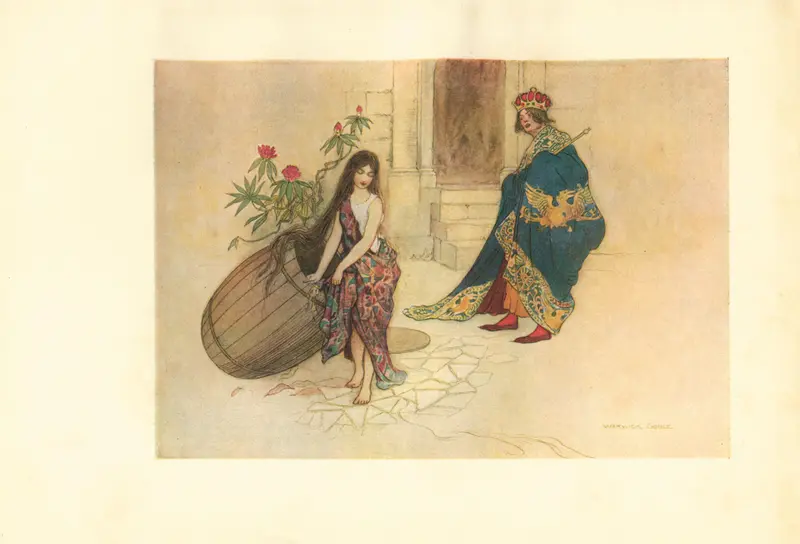
Cannetella Released from the Cask
Warwick Goble
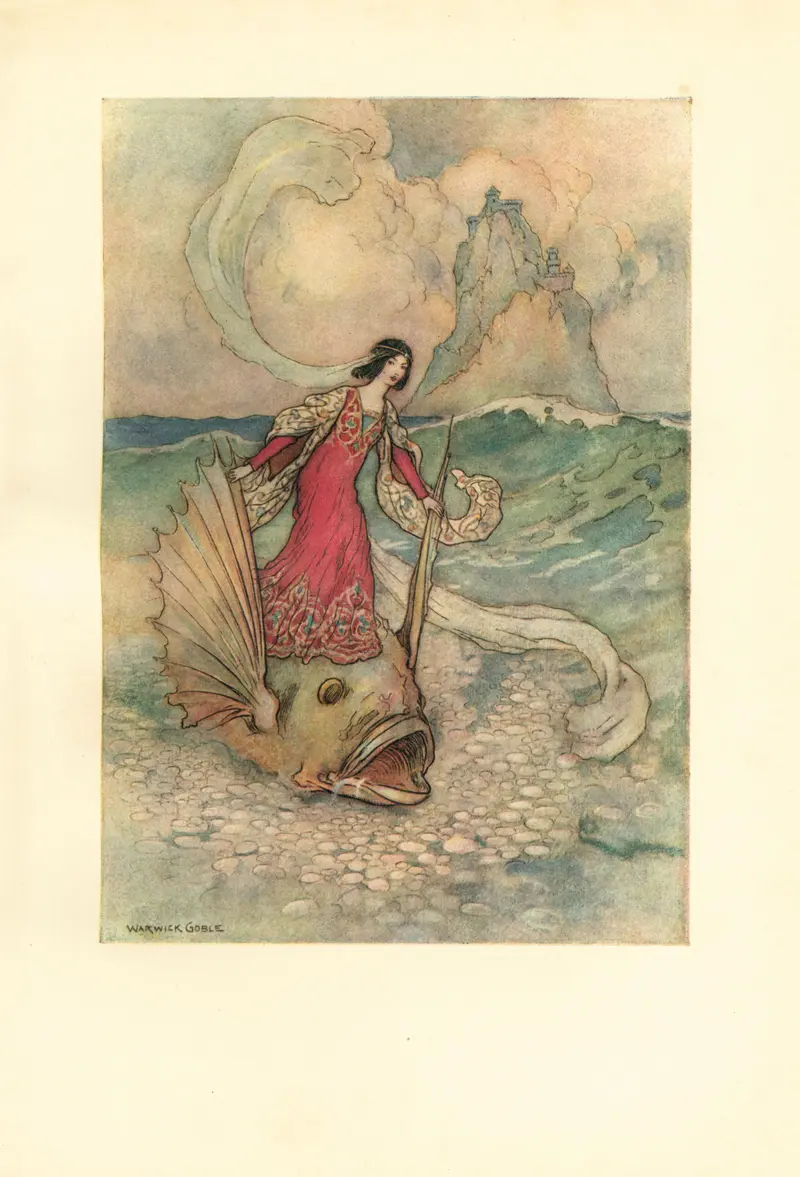
Rita Riding on the Dolphin
Warwick Goble
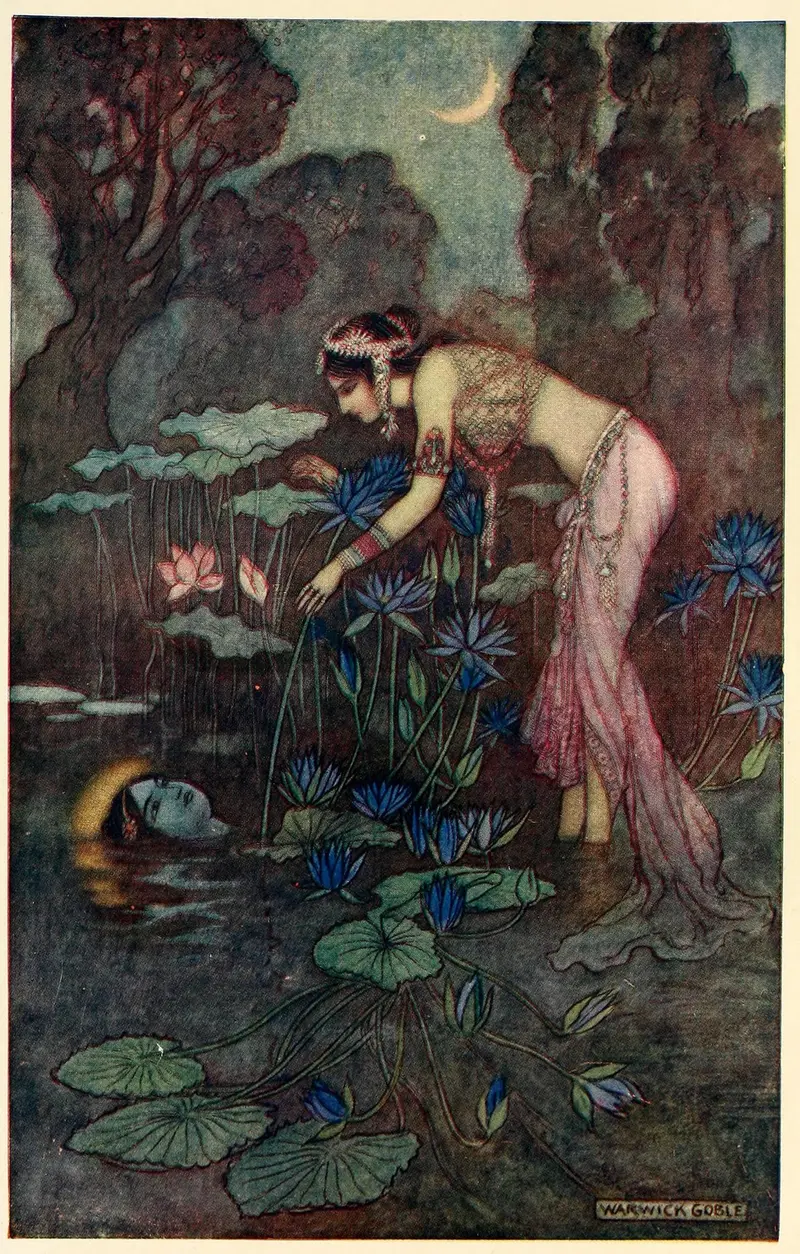
Sita Finds Rama Among Lotus Blooms
Warwick Goble





