
The Pennant — History & Facts
Is this a mirror — or a memory? In The Pennant, we are drawn into a world where the weight of destiny hangs in the air, echoing with the promise of unfulfilled dreams and the fleeting nature of time. Focus first on the central figure, standing resolutely amidst a backdrop of soft, muted colors. Notice how the light delicately caresses the fabric of their attire, drawing your eye to the pennant they hold aloft, a symbol of hope and aspiration. The gentle brushwork evokes a sense of movement, while the surrounding shadows create a contrast that emphasizes the figure's quiet determination, inviting contemplation about the journey ahead. Delve deeper into the subtleties of expression captured in the figure's visage, where a blend of joy and uncertainty resides.
The pennant itself flutters in an unseen breeze, representing both achievement and the unpredictability of fate. Each fold in the fabric evokes the complexities of choice, revealing how even the smallest decisions can shape our destinies in profound ways. During the years between 1900 and 1916, the artist was navigating the complexities of the early 20th century art scene, where traditional techniques began to collide with emerging modernist ideas. Haskell, working primarily in the realm of printmaking and painting, captured a moment that reflects personal aspiration against the backdrop of a rapidly changing world, offering a glimpse into the intertwined fates of individuals and their ambitions.
More Artworks by Ernest Haskell
Browse all →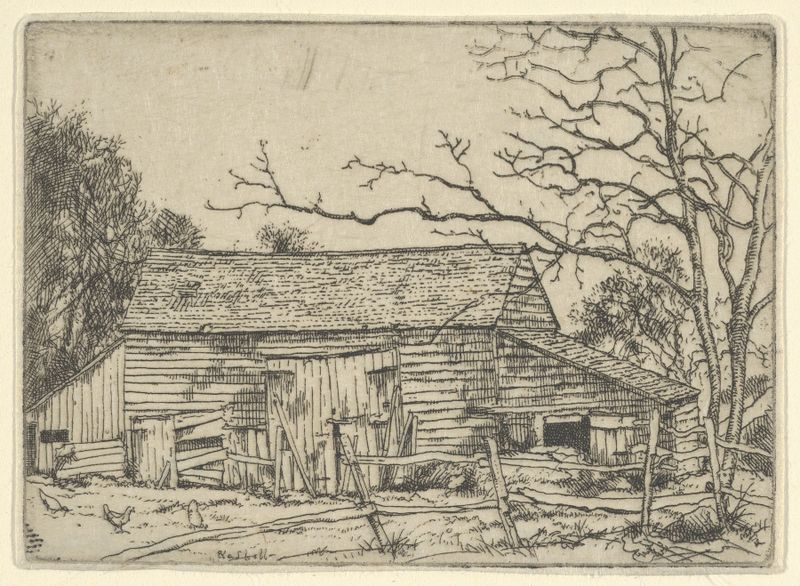
The Barn–Staten Island, N.Y.
Ernest Haskell

Four Live Oaks
Ernest Haskell
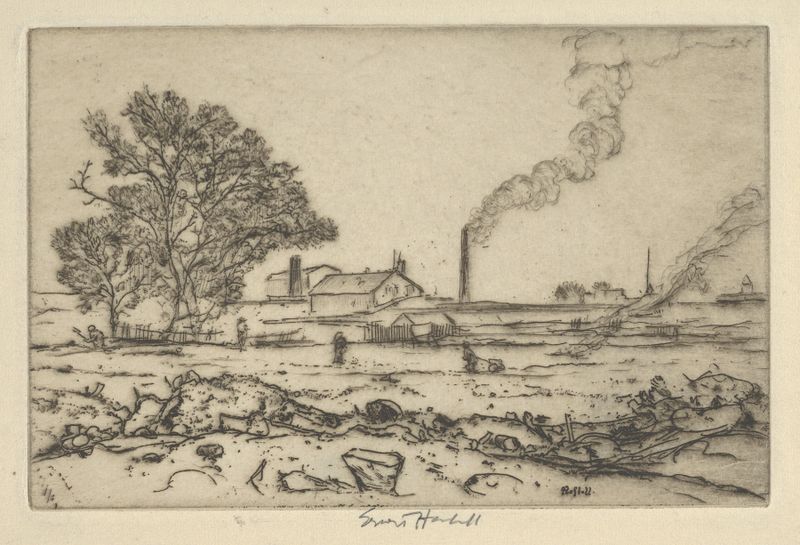
Outskirts of Boston
Ernest Haskell
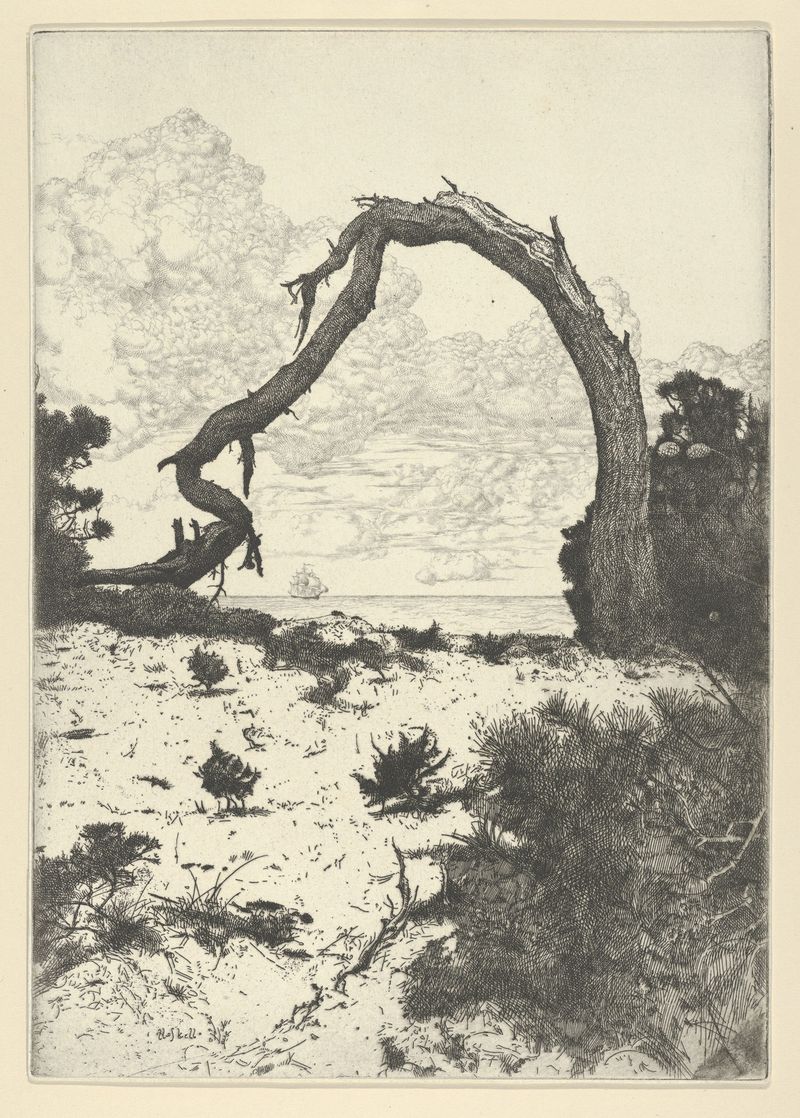
Pine Arch
Ernest Haskell

General Sherman
Ernest Haskell
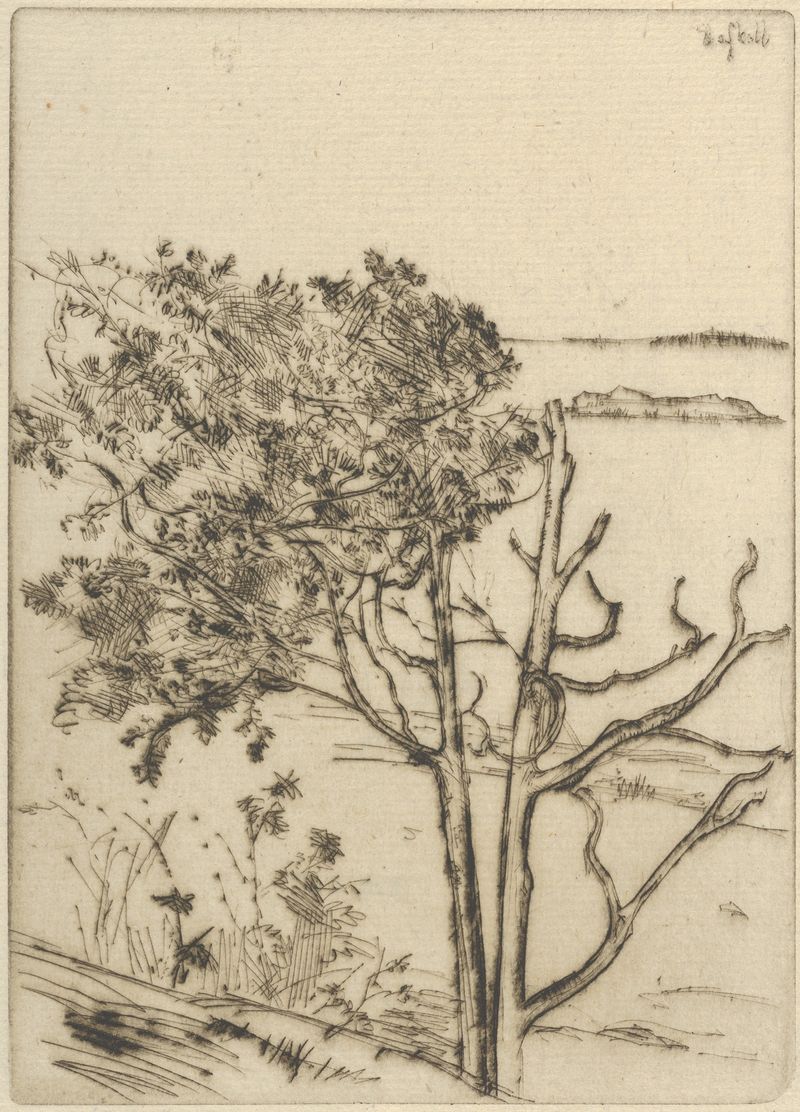
Ragged Tree – Maine
Ernest Haskell

Tide Mill
Ernest Haskell

Ship Building
Ernest Haskell
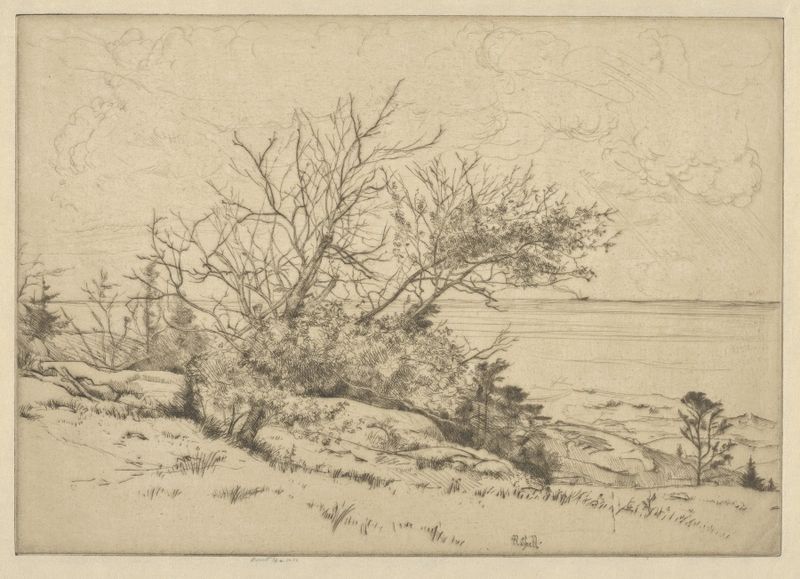
To the Southward – Ragged Island, Me.
Ernest Haskell
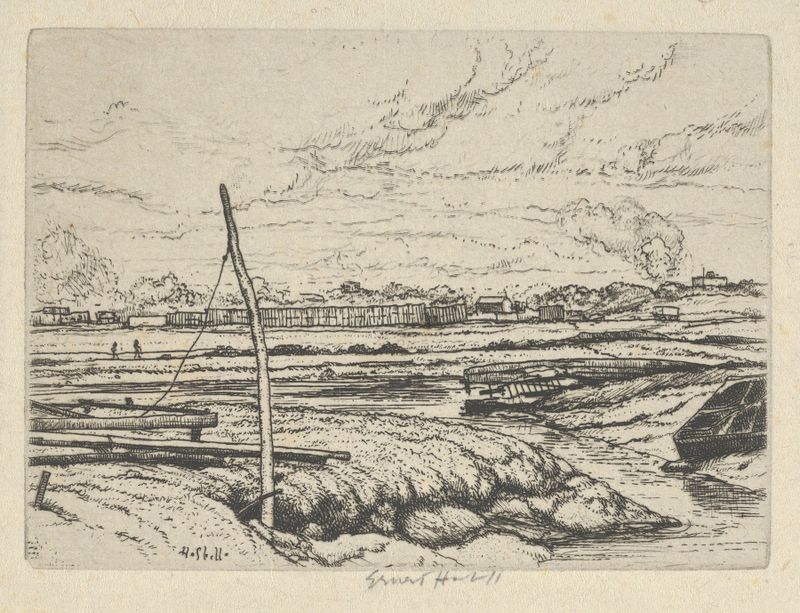
Long Island Marshes
Ernest Haskell





