
The Piazzetta — History & Facts
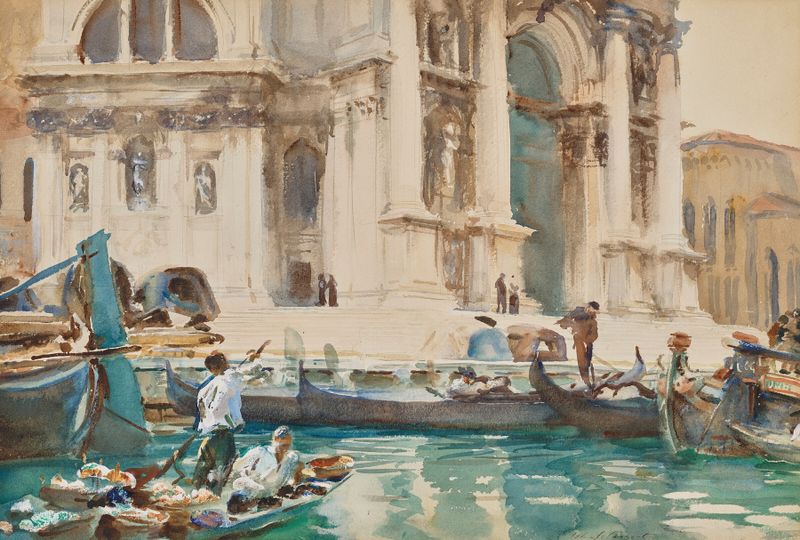
Did the painter know this moment would outlive them? As strokes of color froze a fleeting spectacle, the essence of life and illusion coalesced on the canvas, capturing the vibrancy of a world that dances in and out of reality. Focus on the sweeping expanse of the piazzetta, where sunlight spills across the cobblestones, illuminating figures as they engage in animated conversation. The rich palette of warm yellows and deep blues pulls the eye toward the vivid details—notice how the light catches the hats and garments, creating a bustling atmosphere. Sargent’s deft brushwork suggests movement and laughter, echoing the ephemeral quality of the scene he depicts, while the architectural details of the surrounding buildings frame the lively interaction. Yet, beneath this lively surface lies a profound exploration of illusion.
The shadows cast by the ornate columns hint at the transient nature of the moment, inviting contemplation about what is real and what is merely a reflection of life. The figures, caught in candid exchanges, evoke connections that resonate with the viewer, while also suggesting an underlying solitude present within the throng. The contrast between the vibrant scene and the ephemeral shadows prompts a deeper reflection on the nature of existence itself. In 1911, John Singer Sargent was living in Europe, transitioning from portraiture to more expansive scenes.
This painting reflects his mastery at that moment, as he sought to encapsulate the vibrancy of public life against a backdrop of changing social dynamics. The world was shifting, and so was the art, leaning toward Impressionist influences while still embracing the rich textures and contrasts that characterized Sargent's earlier work.
More Artworks by John Singer Sargent
Browse all →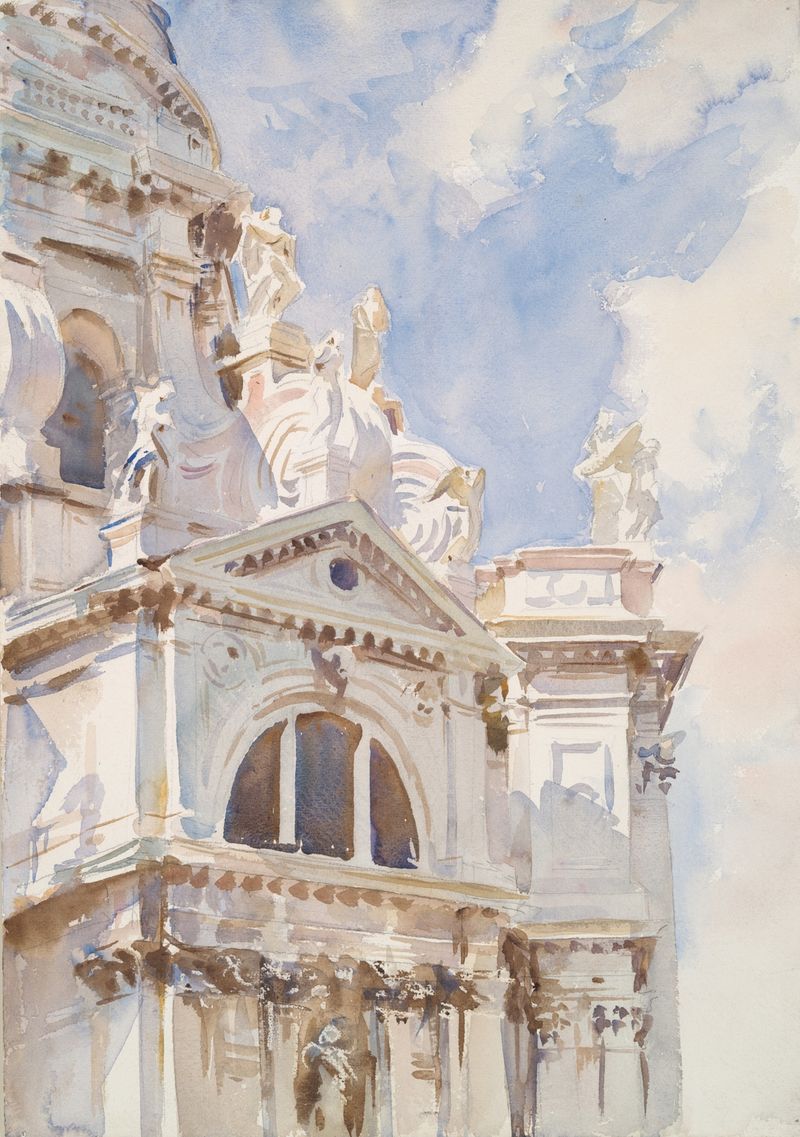
The Salute, Venice
John Singer Sargent

Mrs. Charles Deering (Marion Denison Whipple)
John Singer Sargent
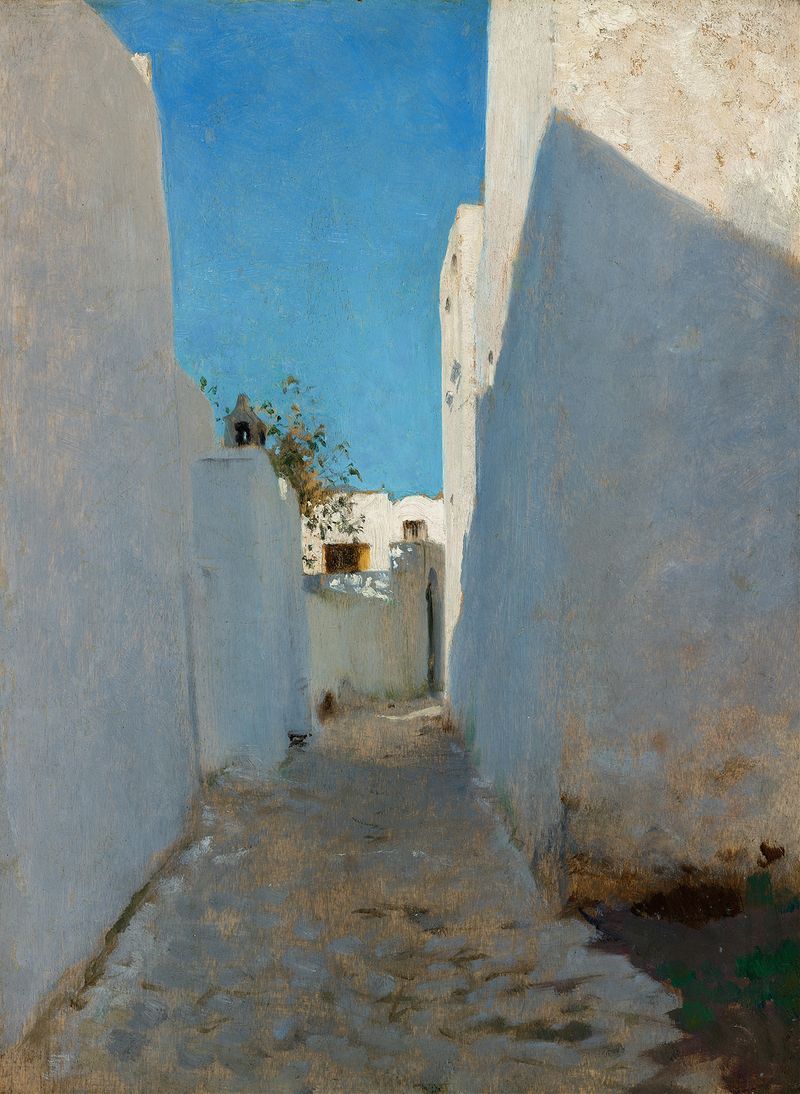
A Moroccan Street Scene
John Singer Sargent
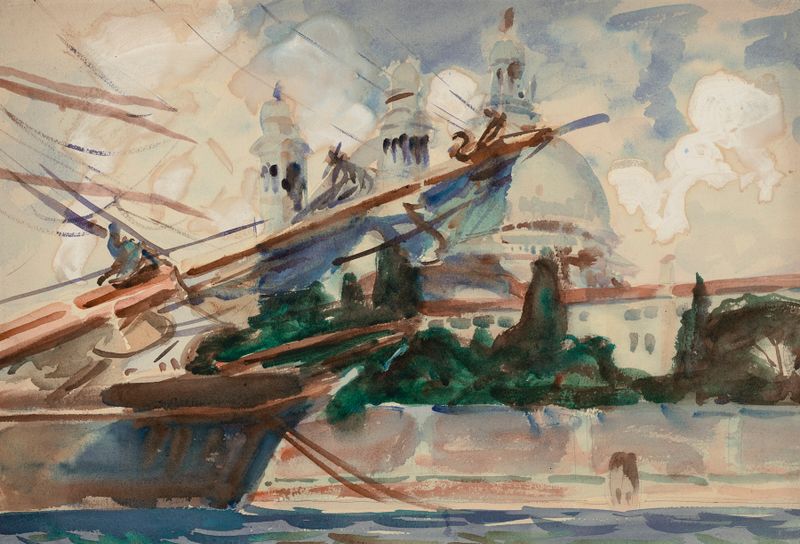
The Salute, Venice
John Singer Sargent
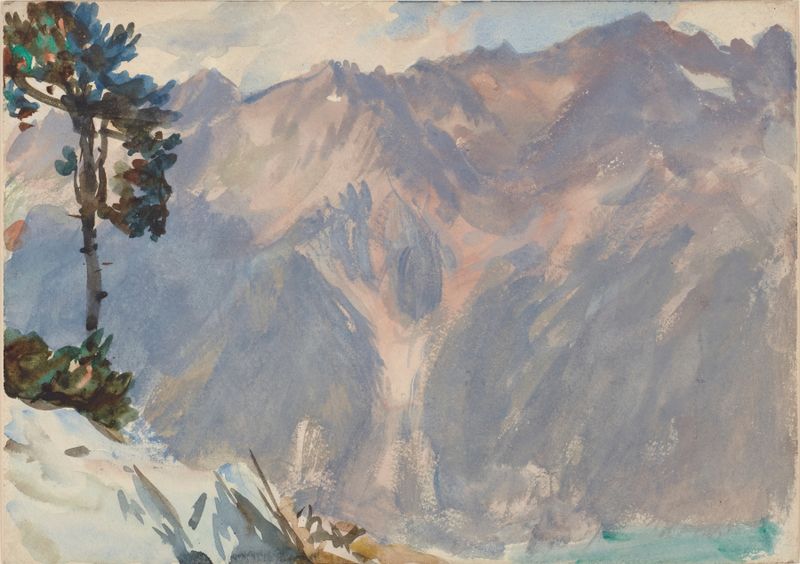
Tyrol
John Singer Sargent
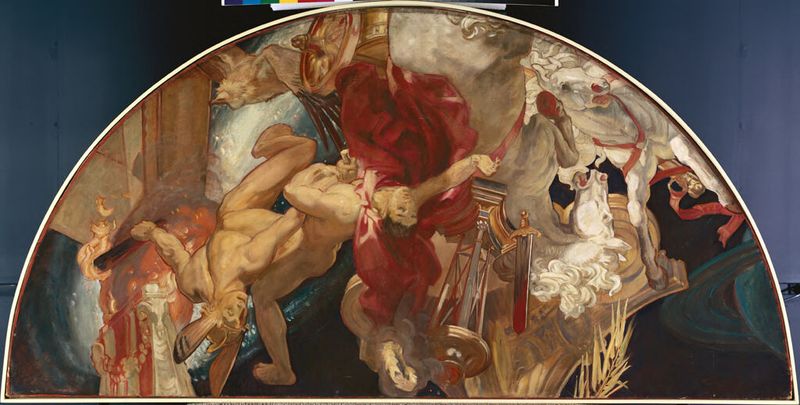
Study for "Gog and Magog," for the Boston Public Library
John Singer Sargent
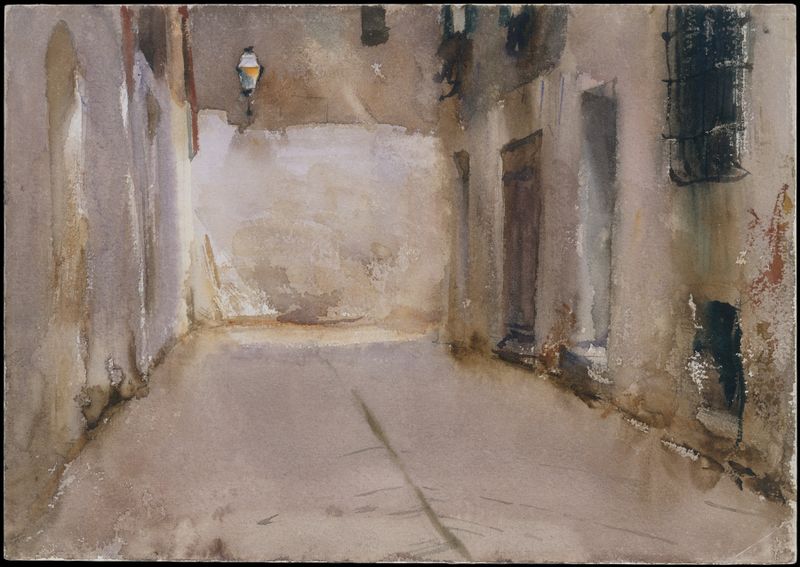
Venice
John Singer Sargent
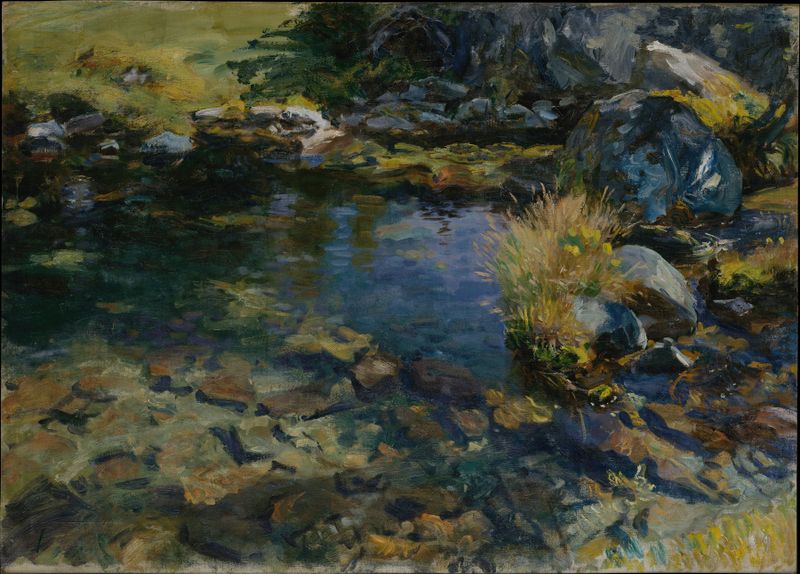
Alpine Pool
John Singer Sargent
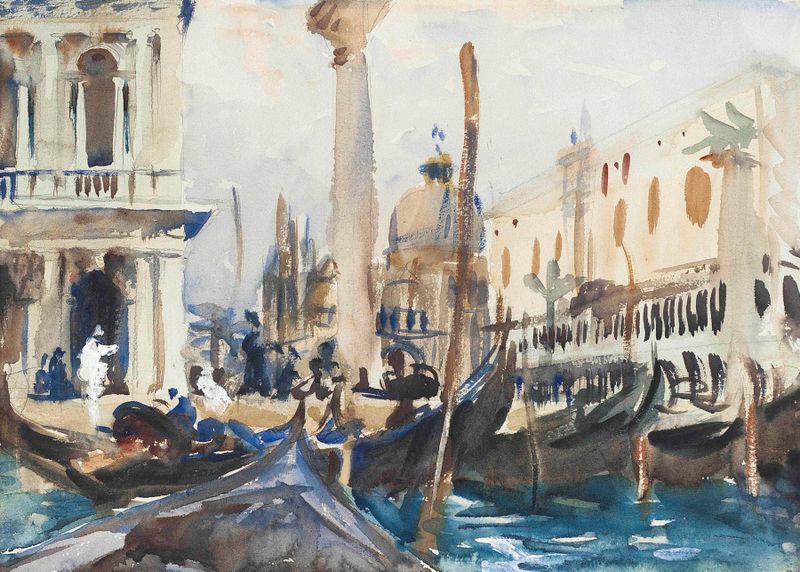
The Piazzetta with Gondolas
John Singer Sargent
The Façade of La Salute, Venice
John Singer Sargent





