
The Pointe de Tenneverges, from near Sixt — History & Facts
Where does light end, and longing begin? In the ethereal expanse of nature, the boundary is often blurred, captured in the delicate brushstrokes of a dreamlike scene. Look to the left at the towering peaks, their jagged silhouettes breaking the horizon, softened by a veil of mist. Notice how the golden sunlight spills over the mountains, creating a radiant halo that invites the eye to explore deeper into the lush valley below. The interplay of color—from the deep greens of the foliage to the soft blues of the sky—conveys a sense of tranquility while invoking a yearning for the sublime beauty of the untouched world. Yet, beneath the surface, there lies a tension between the serene landscape and the hints of chaos in the rushing waters of the river.
The artist's deliberate choice to highlight the contrasting elements of stillness and motion reveals a deeper narrative of nature's power and fragility. Each stroke breathes life into the scene while suggesting the ephemeral nature of beauty, urging viewers to contemplate their own place within this vastness, a moment suspended between reality and imagination. In 1867, Elijah Walton created this work while living near the Swiss Alps, amidst an era of burgeoning Romanticism in art. At this time, artists were increasingly looking to nature to reflect emotional states and existential questions.
Walton's focus on the sublime—the awe-inspiring beauty of the natural world—mirrored the sentiments of his contemporaries, navigating a world caught between industrialization and the longing for a more profound connection to nature.
More Artworks by Elijah Walton
Browse all →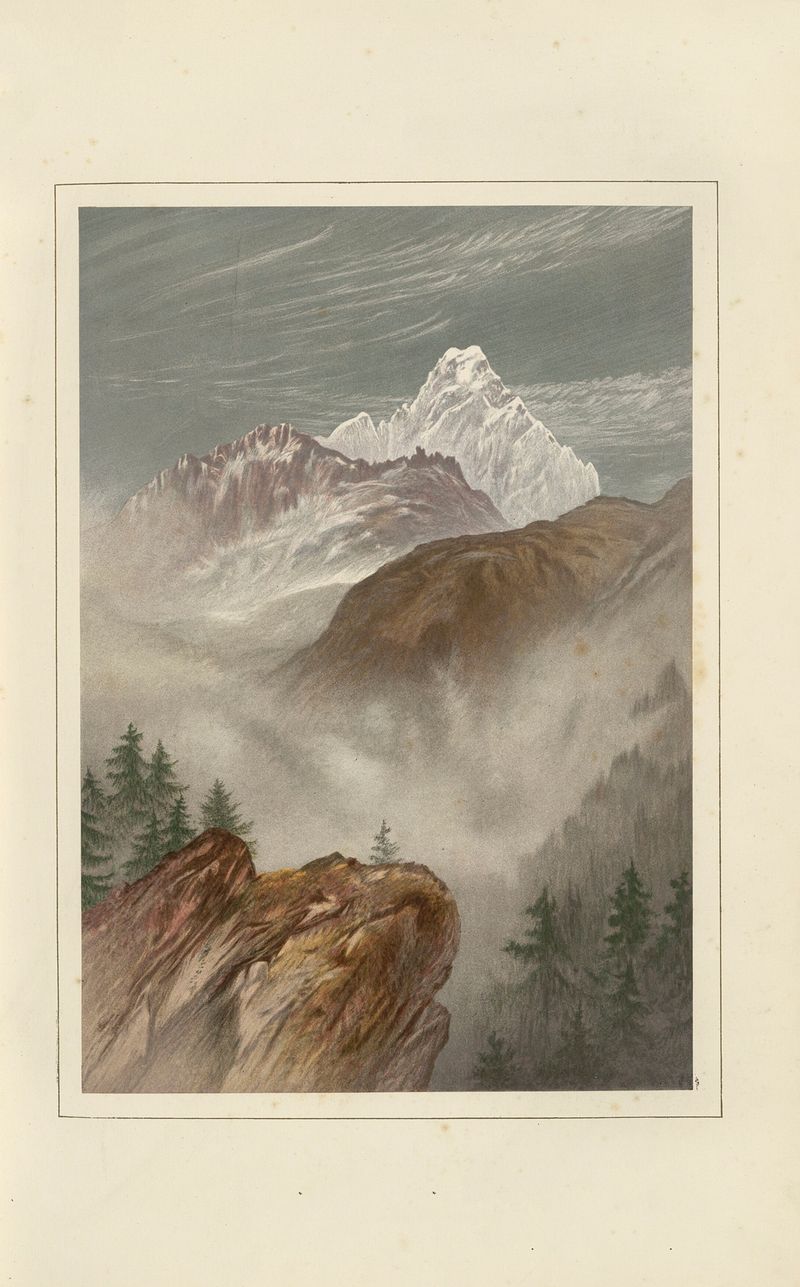
Monte Viso, from the south
Elijah Walton

The Matterhorn
Elijah Walton

The Gorner glacier
Elijah Walton

The Cascade de Roget and the Pointe de Salles
Elijah Walton
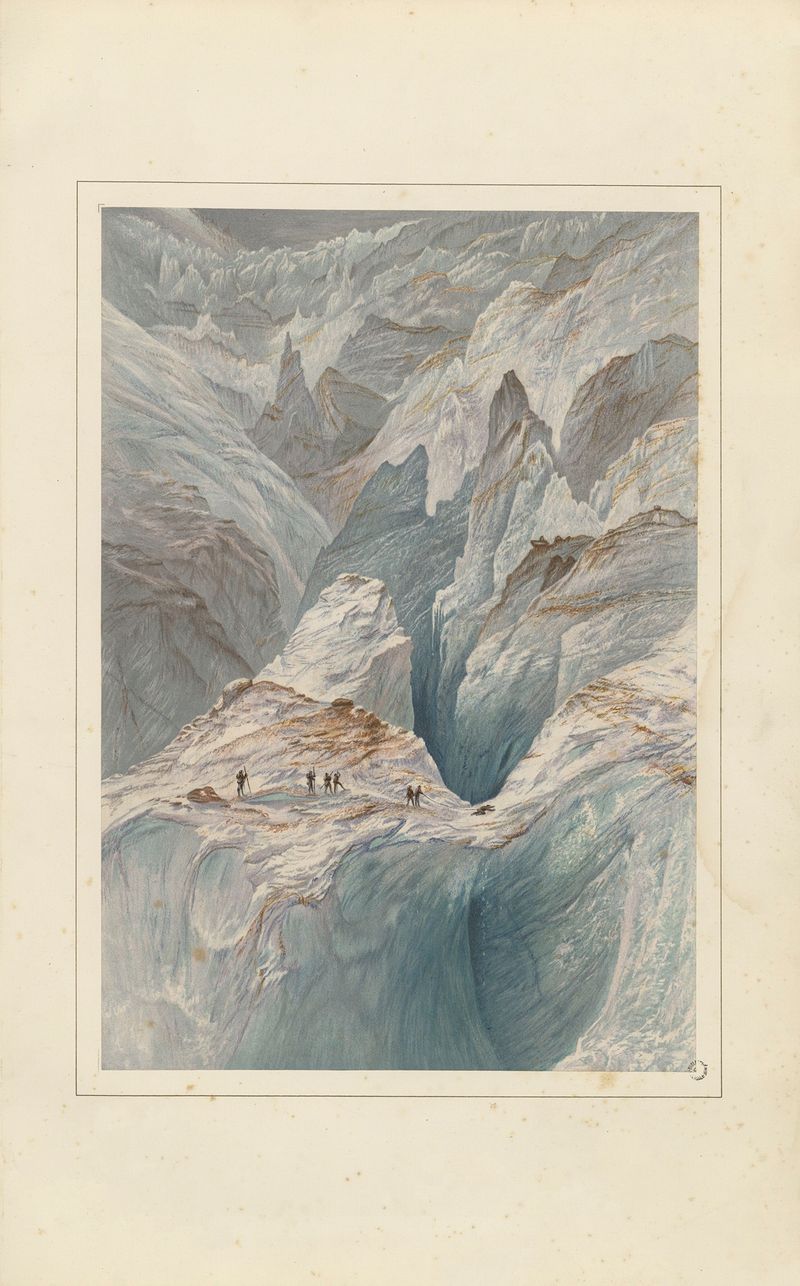
Crevasses on the Mer de Glace
Elijah Walton
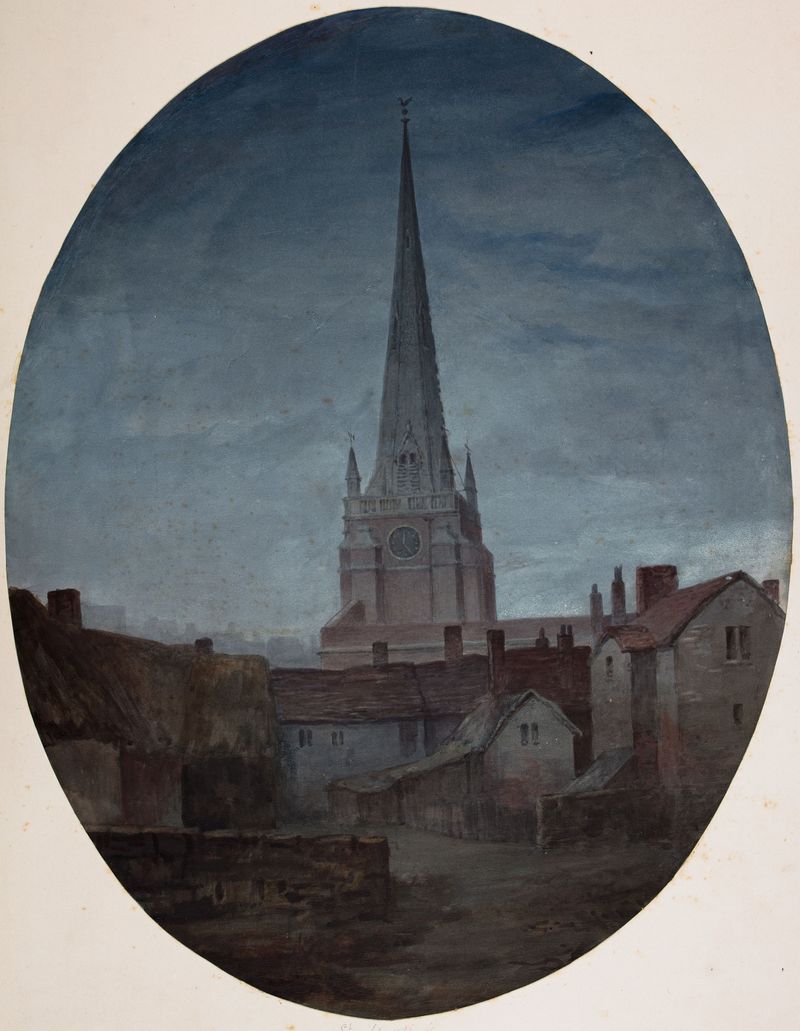
St Martin’s Church Birmingham, By Night
Elijah Walton

The Weisshorn, from near St. Niklaus
Elijah Walton

Monte Viso, from the Col de La Croix
Elijah Walton
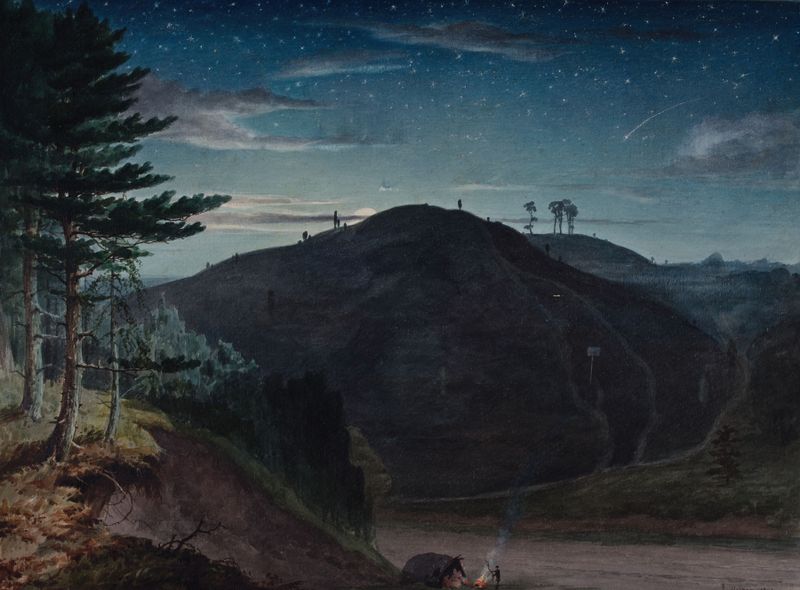
Cofton From Rednal, Moonlight
Elijah Walton
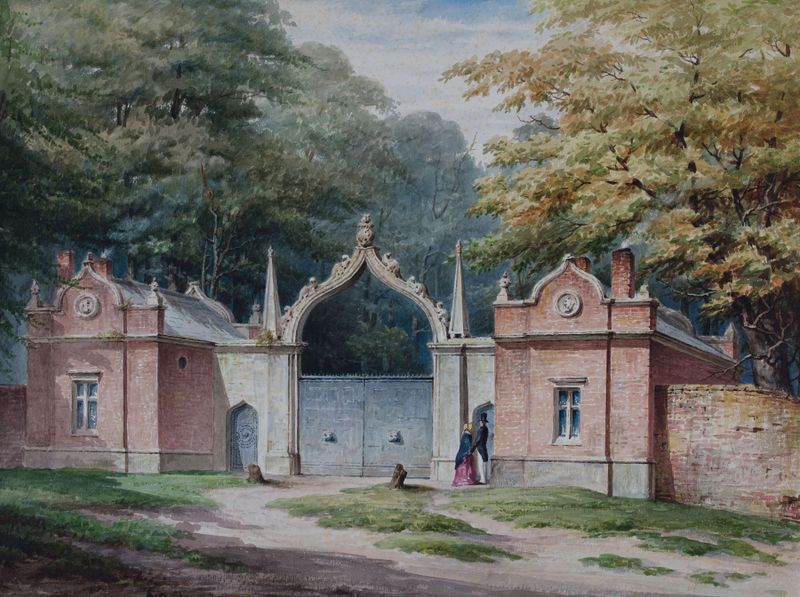
Lodge Gates, Entrance To Aston Hall
Elijah Walton





