
The Pond at the Entrance of the Woods — History & Facts
This statement resonates with the allure that nature holds, a siren song that both attracts and haunts us. In the quiet embrace of a pond, longing unfurls like a delicate bloom, hinting at the depths of desire hidden beneath serene surfaces. Focus on the tranquil water, where the reflection of the trees bends and breaks, creating an exquisite interplay of color and form. Notice how the soft greens and muted browns of the foliage contrast with the vibrant blues of the sky.
The gentle brushwork captures a moment suspended in time, inviting the viewer into a world where each stroke carries the weight of emotion. The light filtering through the trees casts a warm glow, creating a harmonious balance that seems to pulse with life and longing. Subtle nuances reveal the emotional fabric woven into the scene. The stillness of the pond suggests a moment of introspection, while the encroaching woods hint at the mysteries that lie just beyond the frame.
The transparency of the water reflects not just the surroundings, but also an inner yearning—an ache for connection with nature and self that resonates universally. The blending of colors mirrors the complexities of desire: beautiful yet fraught, peaceful yet filled with tension. During the period between 1860 and 1875, Corot was immersed in the shifting tides of the Barbizon School, where he explored the intimate relationship between humans and nature. This was a time of personal growth for him, as he sought to distill emotions through landscapes.
The calm beauty of The Pond at the Entrance of the Woods stands as a testament to his dedication to capturing not just the surface, but the deeper yearnings that accompany our existence in the natural world.
More Artworks by Jean-Baptiste-Camille Corot
Browse all →
View of Genoa
Jean-Baptiste-Camille Corot
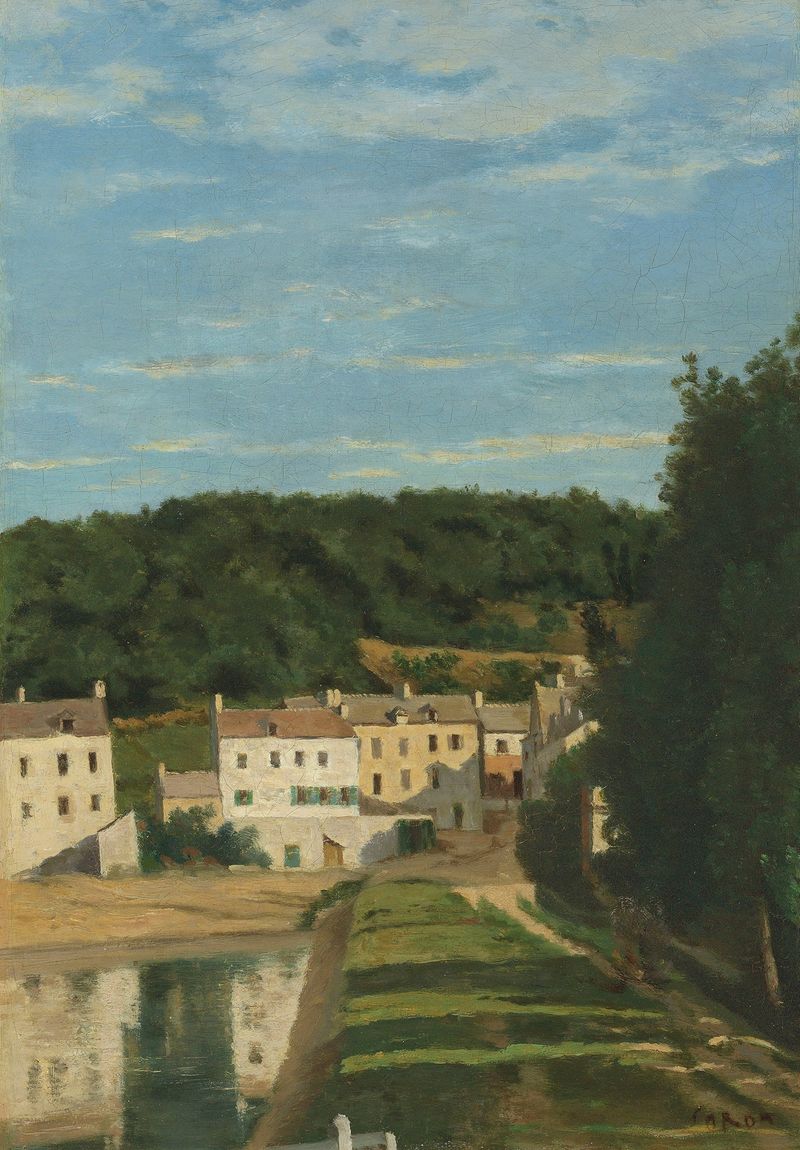
Les Maisons Cabassud À Ville D’avray
Jean-Baptiste-Camille Corot

La solitude. Souvenir de Vigen (Limousin)
Jean-Baptiste-Camille Corot
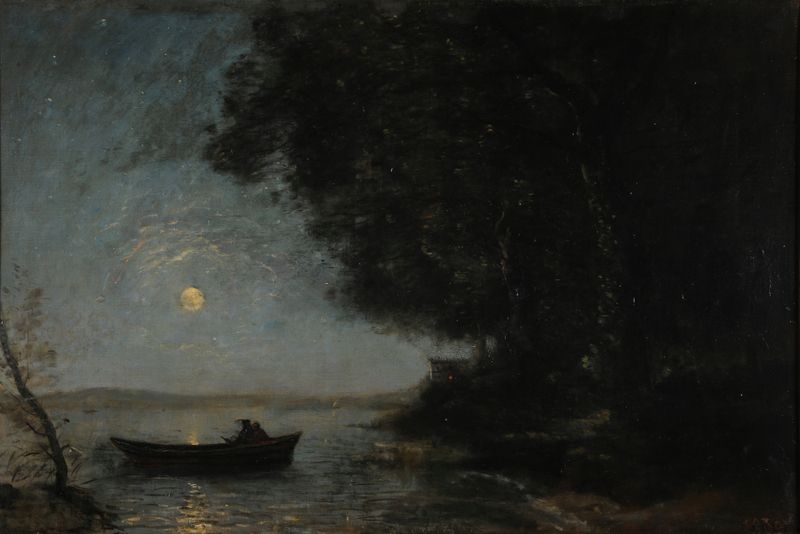
Le lac ; effet de nuit
Jean-Baptiste-Camille Corot
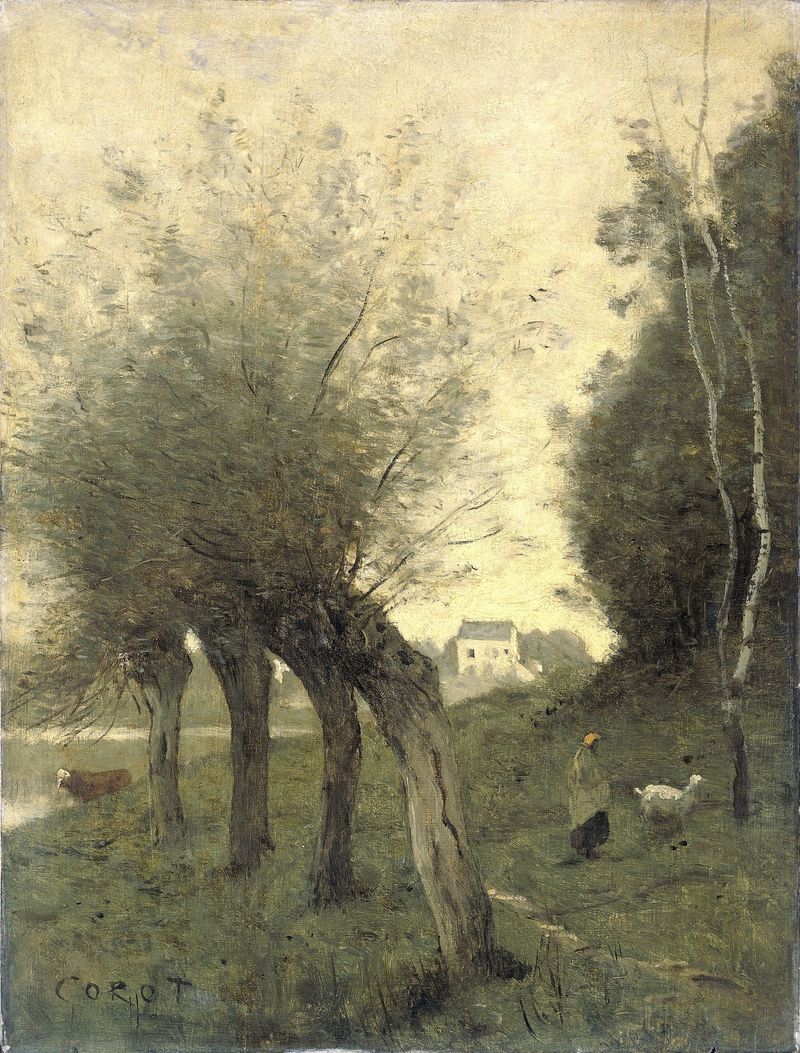
Landscape with Pollard Willows
Jean-Baptiste-Camille Corot
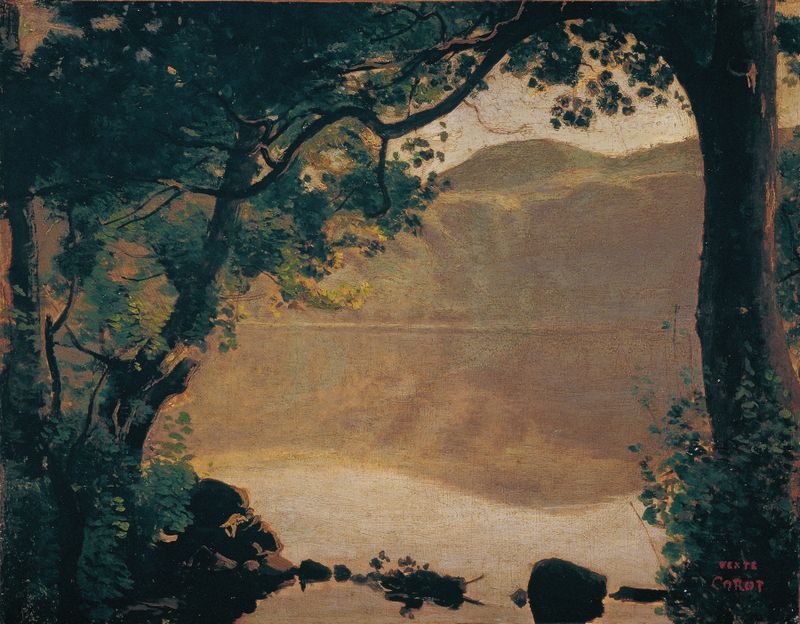
Der Nemisee
Jean-Baptiste-Camille Corot
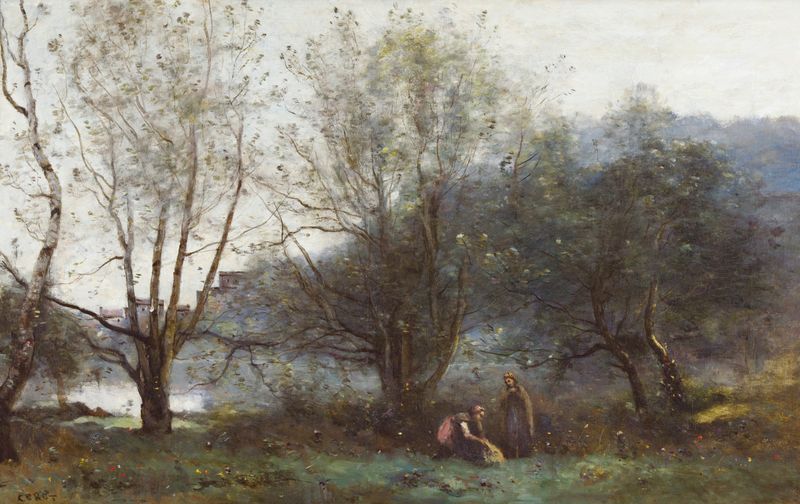
Les Étangs De Ville D’avray
Jean-Baptiste-Camille Corot
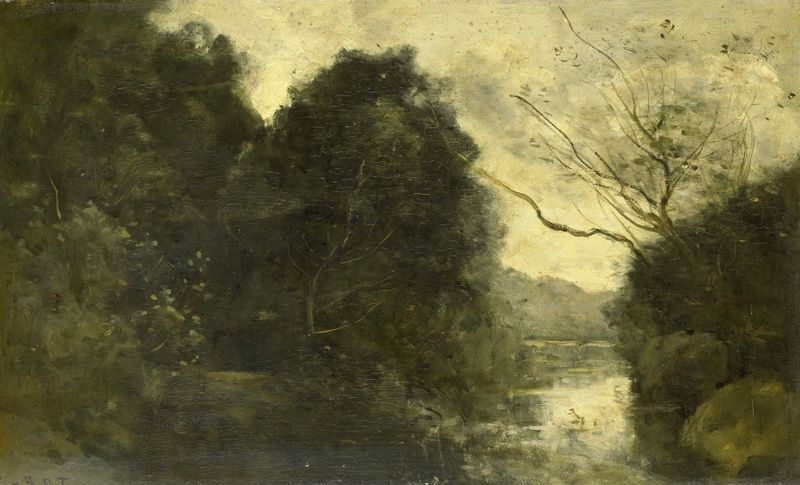
Pond in the Woods
Jean-Baptiste-Camille Corot
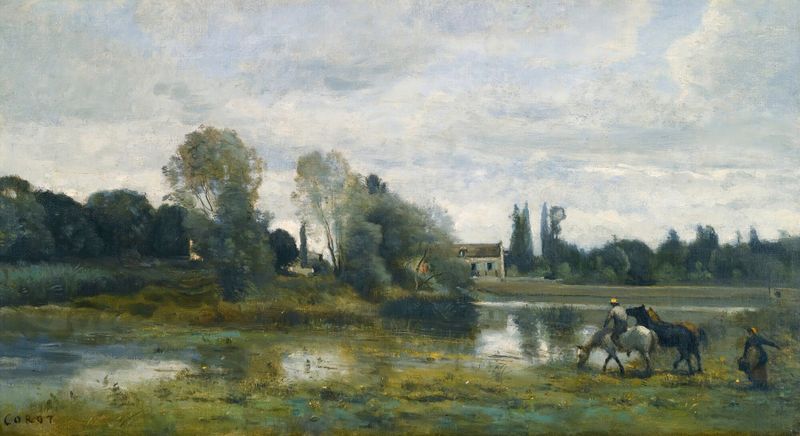
Ville D’avray; L’abreuvoir Des Chevaux
Jean-Baptiste-Camille Corot
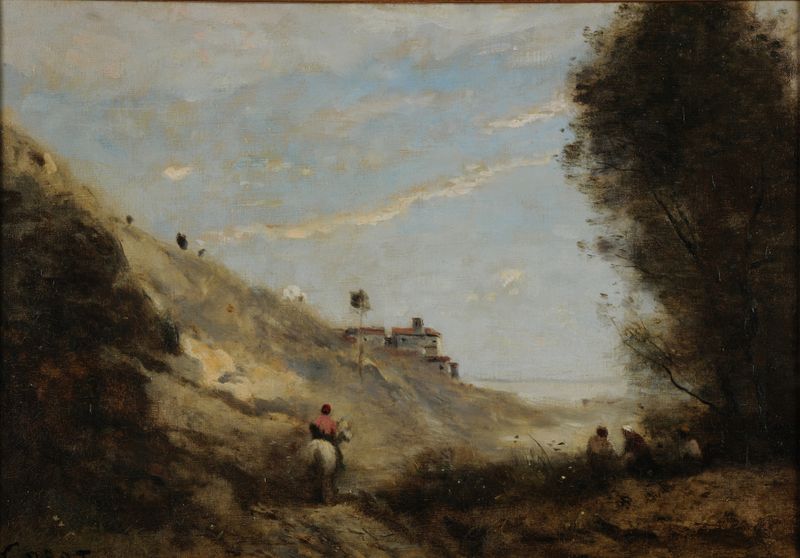
Le vallon au cavalier
Jean-Baptiste-Camille Corot





