
The Pond (La Mare) — History & Facts
In a realm where nature flourishes, the essence of tranquility whispers through each stroke of paint, echoing the unguarded beauty of existence. Look to the left at the shimmering surface of the pond, where soft hues of green and blue blend harmoniously. The gentle brushwork captures the caress of sunlight filtering through the leaves overhead, creating a dappled effect that brings the scene to life. Notice how the subtle contrasts between shadow and light guide your gaze across the peaceful landscape, weaving together elements of sky, water, and earth into a singular moment of serenity.
Each detail, from the ripples to the distant trees, feels intentional, inviting contemplation and connection. In the heart of this composition lies a tension between stillness and fluidity. The reflective surface of the water suggests a mirror, revealing not only the natural world but also the inner reflections of the observer. The surrounding foliage, lush yet restrained, symbolizes the delicate balance between human presence and the wilderness.
This interplay of elements hints at a deeper revelation: that within nature's embrace, we may confront our own truths, hidden beneath the surface like the depths of the pond itself. Created in 1855, this work emerged during a pivotal moment in Rousseau's career, as he sought to break free from the constraints of academic traditions. Living near the Forest of Fontainebleau, he immersed himself in capturing the raw beauty of the landscape. At this time, the Romantic movement was in full bloom, and Rousseau’s dedication to plein air painting signified a shift towards embracing nature's authenticity, reflective of broader artistic currents that valued personal emotion and experience.
More Artworks by Théodore Rousseau
Browse all →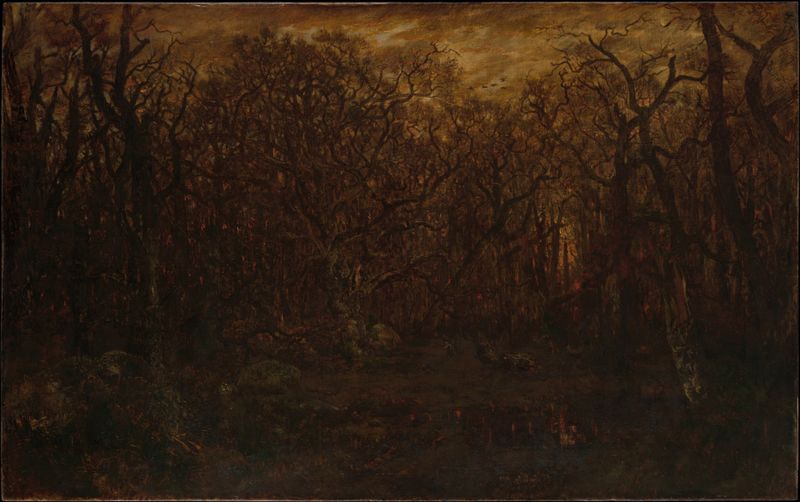
The Forest in Winter at Sunset
Théodore Rousseau
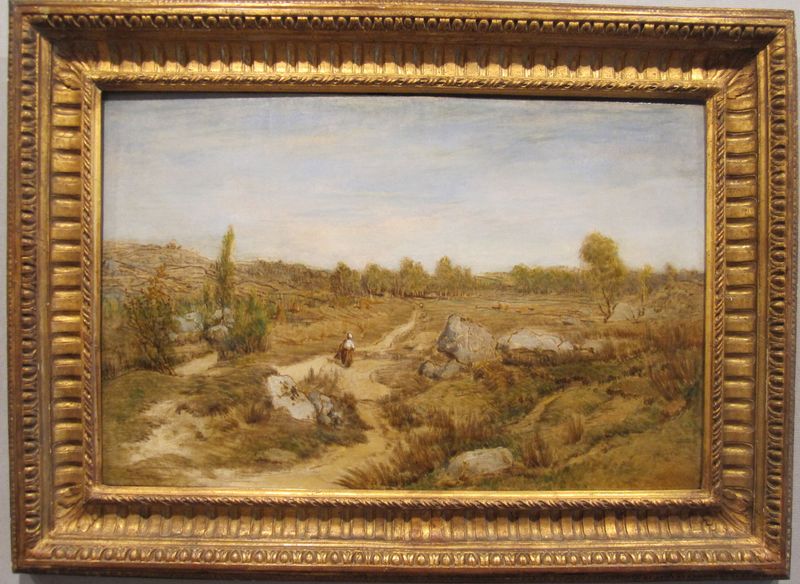
Valley of the Rouars in the Gorges d’Apremont
Théodore Rousseau
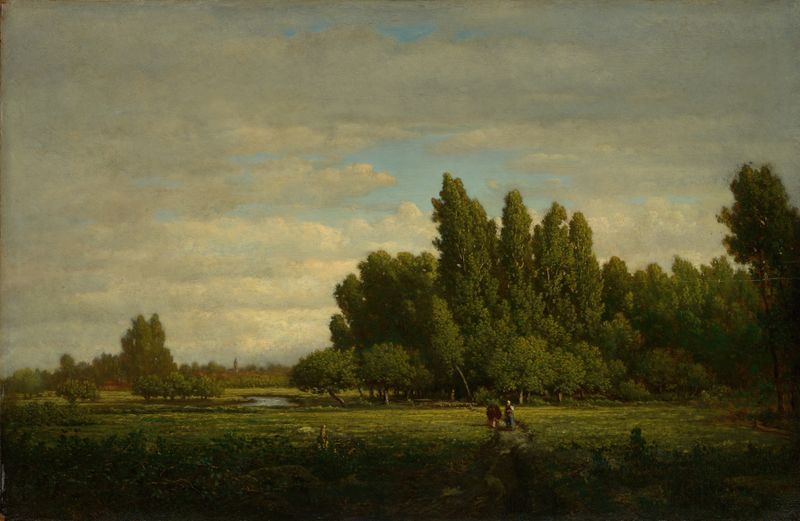
A Meadow Bordered by Trees
Théodore Rousseau
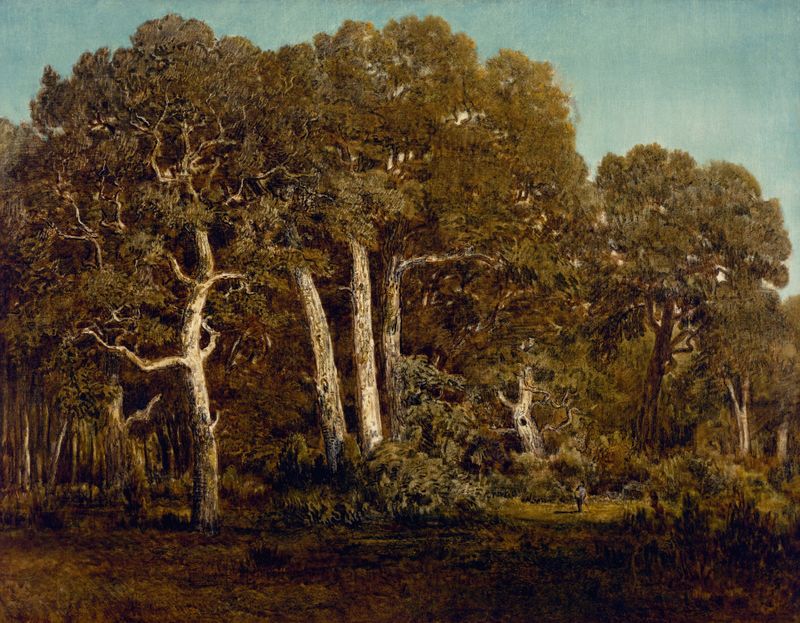
The Great Oaks of Old Bas-Bréau
Théodore Rousseau
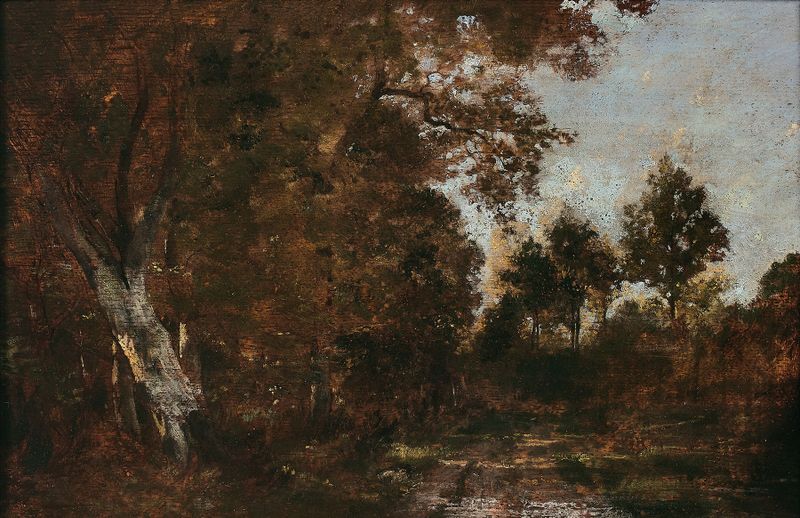
Paysage de sous-bois
Théodore Rousseau
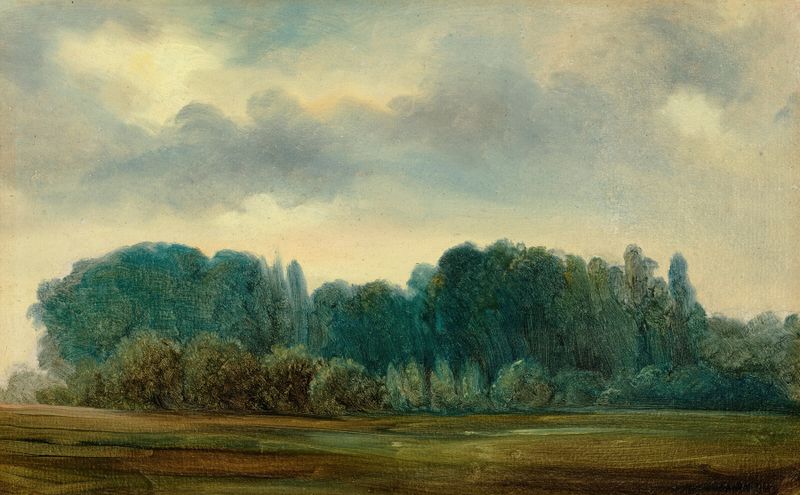
Paysage
Théodore Rousseau
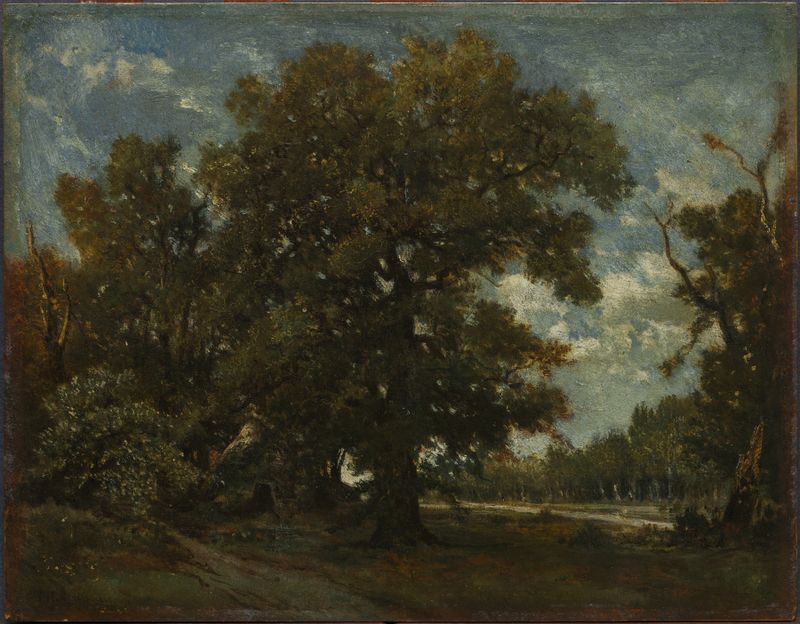
The Oak Tree
Théodore Rousseau
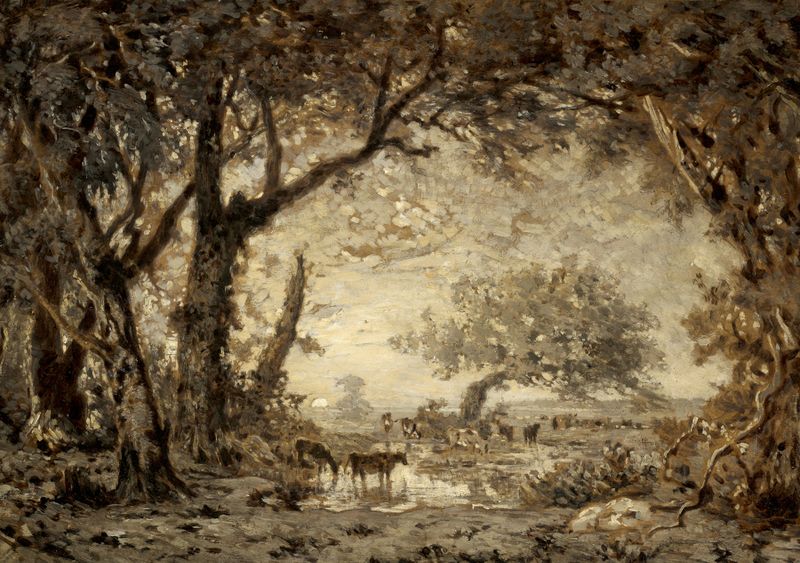
Sunset from the Forest of Fontainebleau
Théodore Rousseau
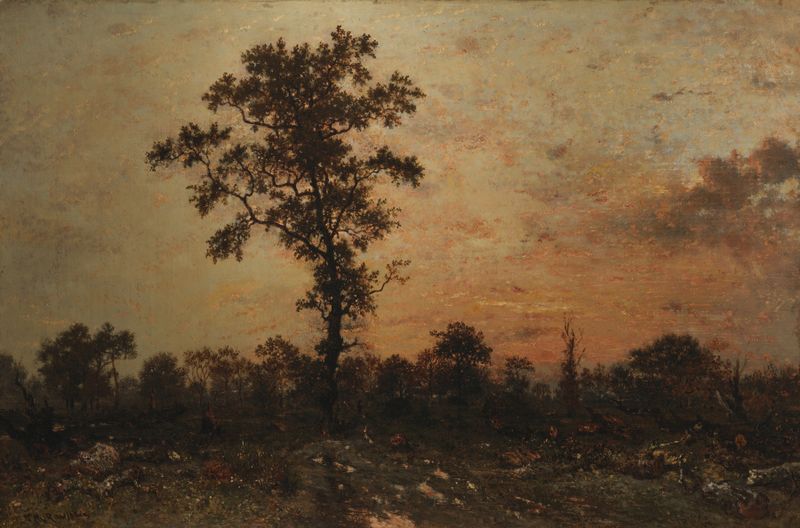
Edge of the Forest, Sun Setting
Théodore Rousseau
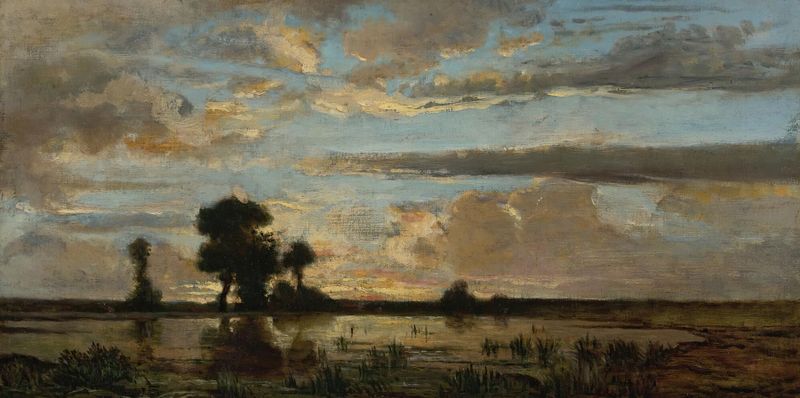
Soleil Couchant
Théodore Rousseau





