
The Pool (Memory of the Forest of Chambord) — History & Facts
It is in the interplay of light and shadow that nature reveals her most profound secrets. Here, the essence of tranquility whispers through the verdant canopy, inviting contemplation of the ephemeral beauty that surrounds us. Look to the center of the canvas where dappled sunlight spills across the water’s surface, illuminating the calm pool that reflects the trees above. Notice how the textured brushstrokes dance in harmony with the vibrant greens and earthy browns, creating a palpable sense of life.
The meticulous detailing of the foliage draws the eye outward, inviting exploration of the serene, almost enchanted forest that encircles the water. Each brushstroke possesses a rhythmic quality, harmonizing light and shade to evoke depth and atmosphere. Beneath the seemingly idyllic surface, a tension exists between the tranquility of the pool and the surrounding wilderness. The stark contrast of light and dark serves to remind us of nature's duality—the peaceful allure hiding the wild, untamed spirit of the forest.
Here, reflections ripple, echoing the transient nature of memory as we ponder the delicate balance between serenity and chaos in our own lives. In 1839, during a transformative time in the world of art, the landscape painter worked within the Forest of Chambord, capturing the essence of the natural world with an innovative approach. Rousseau, a key figure in the Barbizon school, sought to break away from the conventions of academic painting, embracing the raw beauty of untamed landscapes at a time when Romanticism was gaining momentum. This period marked a shift toward a deeper appreciation of nature, setting the stage for future movements in art.
More Artworks by Théodore Rousseau
Browse all →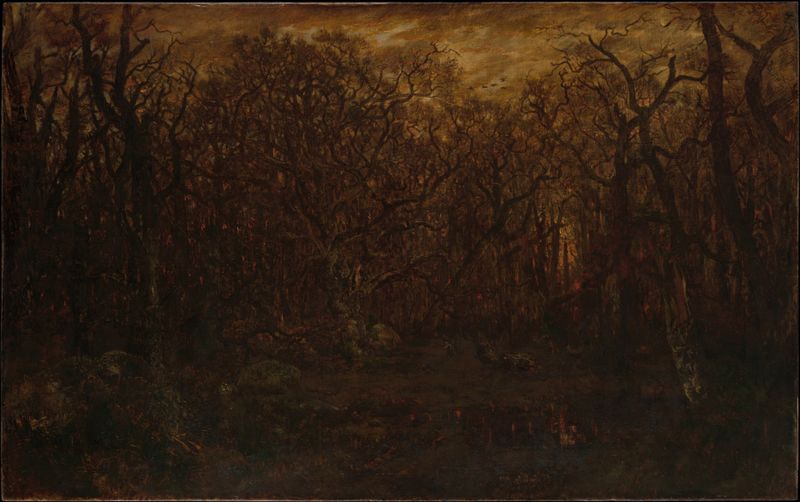
The Forest in Winter at Sunset
Théodore Rousseau
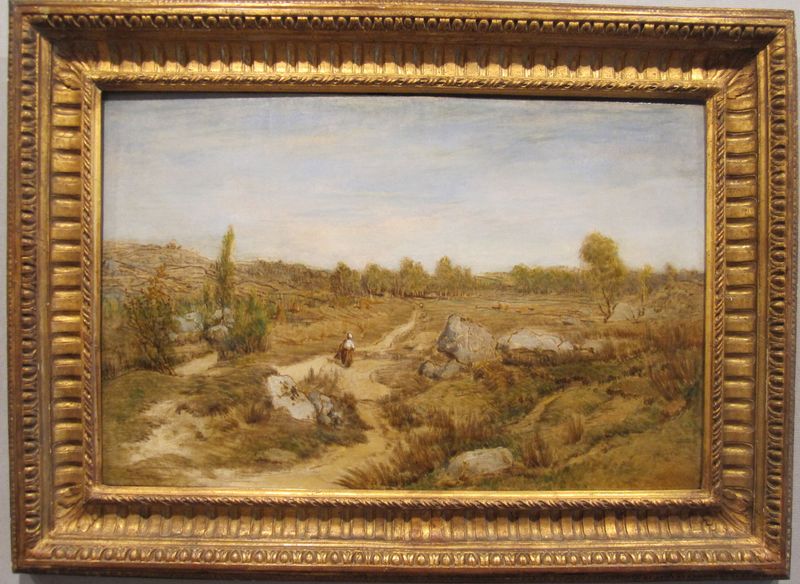
Valley of the Rouars in the Gorges d’Apremont
Théodore Rousseau
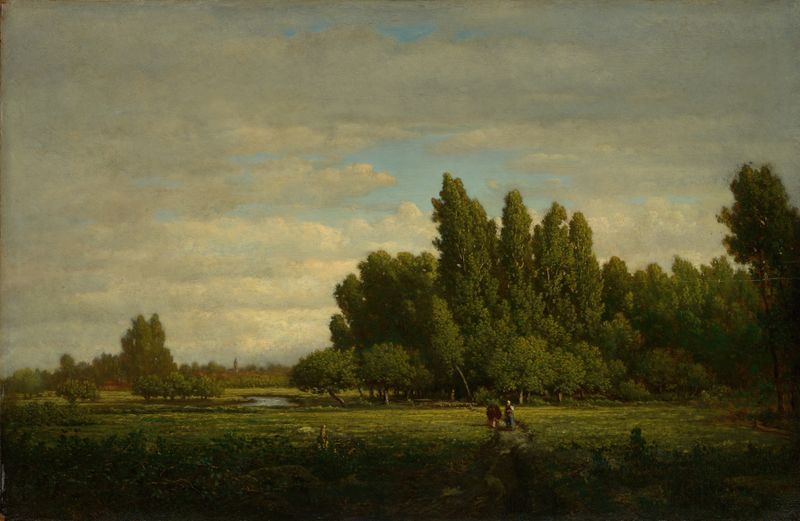
A Meadow Bordered by Trees
Théodore Rousseau
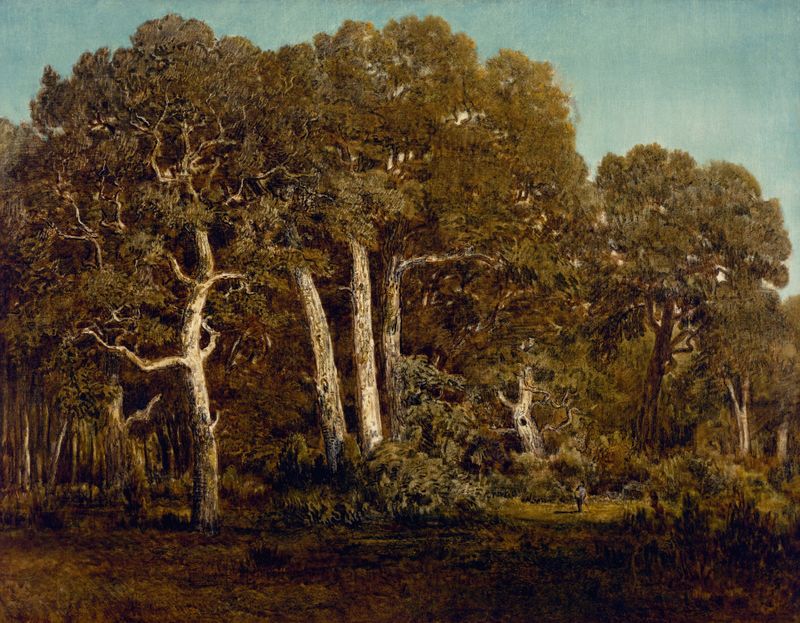
The Great Oaks of Old Bas-Bréau
Théodore Rousseau
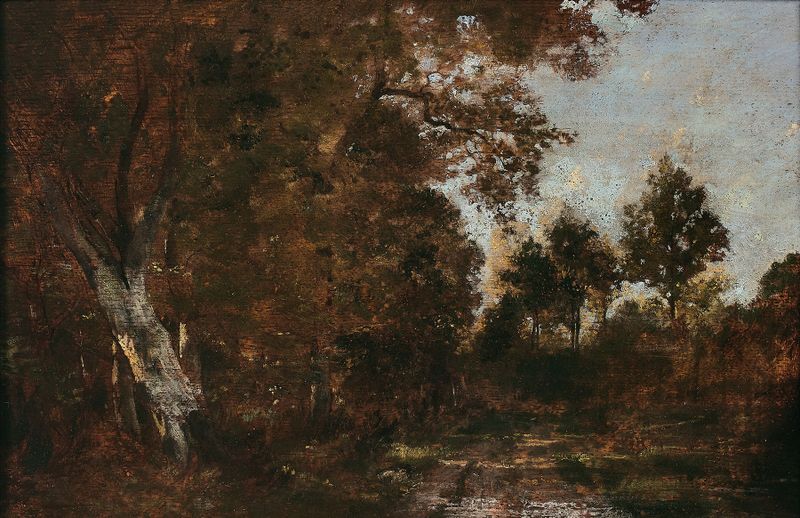
Paysage de sous-bois
Théodore Rousseau
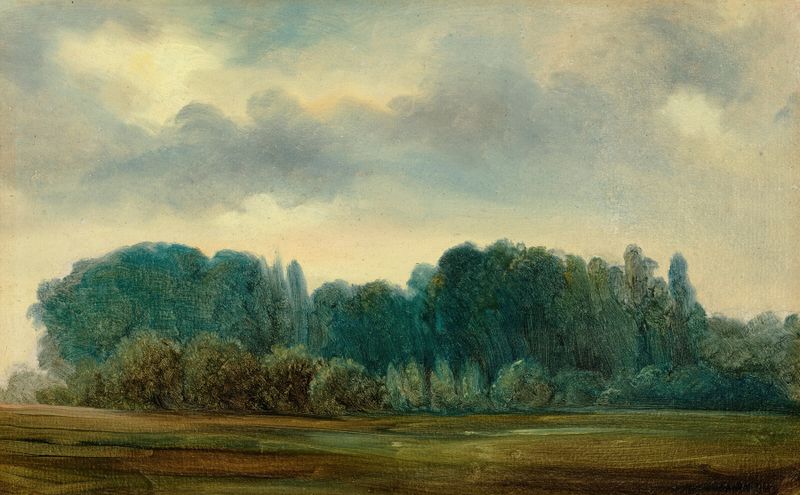
Paysage
Théodore Rousseau
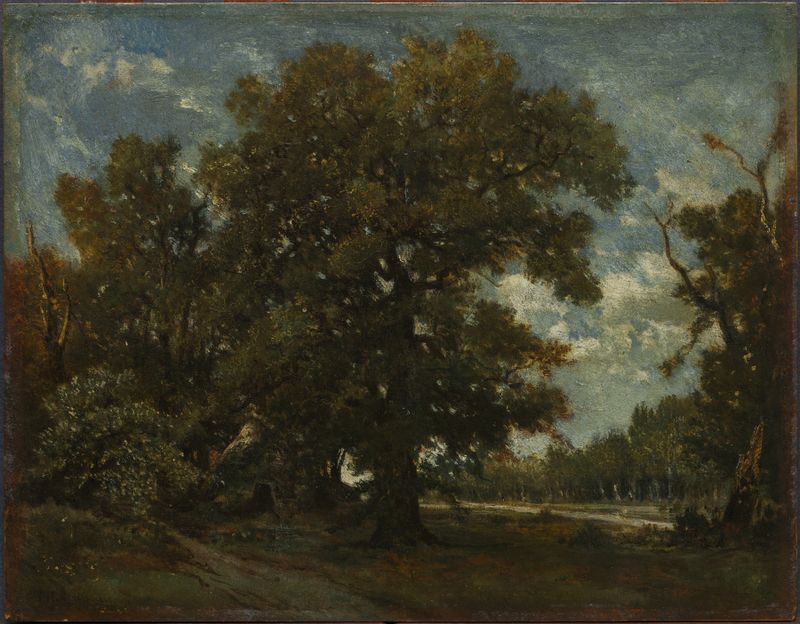
The Oak Tree
Théodore Rousseau
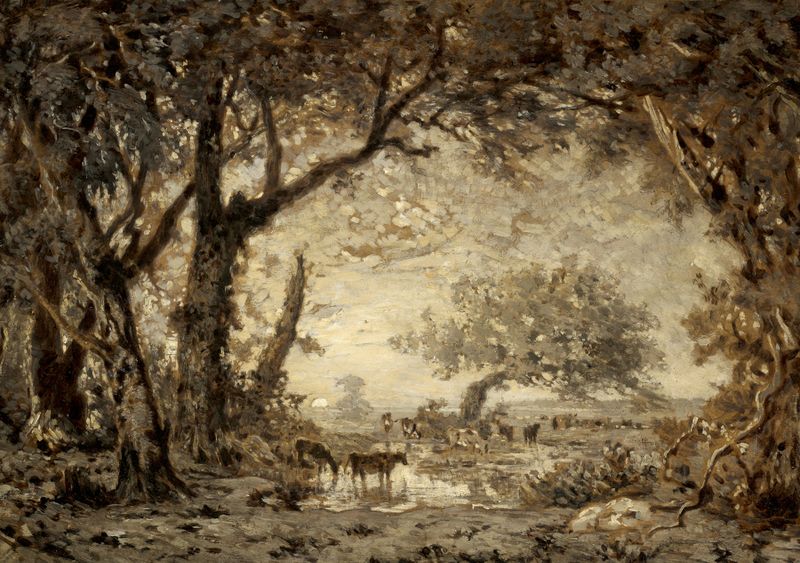
Sunset from the Forest of Fontainebleau
Théodore Rousseau
Edge of the Forest, Sun Setting
Théodore Rousseau
Soleil Couchant
Théodore Rousseau





