
The Poor House, Hadley, Hertfordshire — History & Facts
When did color learn to lie? In the midst of chaos, hues dance with abandon, whispering stories that both betray and enchant. Look to the left at the stark, somber browns and grays that envelop the dilapidated structures, their ragged contours sharply outlined against the pale sky. The careful brushwork reveals the wear of time, as if each stroke captures the sighs of history within the wood and mortar. Notice how the light filters through the clouds, illuminating the scene with an eerie glow that both highlights and hides the details, inviting viewers to explore the juxtaposition of despair and resilience. In the foreground, contrasting elements emerge; the disarray of the poor house stands in stark opposition to the lingering hints of life and hope nearby.
The dilapidation signifies instability, yet the vibrant patches of green grass suggest an unyielding spirit amidst sorrow. This tension between the structure and the life surrounding it speaks to the chaos of existence, where beauty and decay intertwine, reflecting the struggles of the human condition. In 1802, Thomas Hearne created this work during a time when England was grappling with social upheaval and economic challenges. Living in a world where the Industrial Revolution was beginning to alter landscapes and lives, Hearne's painting captures the stark realities faced by the lower classes.
His artistry not only reflects a moment in history but also underscores the evolving dialogue between art and social consciousness, a theme that would resonate through the ages.
More Artworks by Thomas Hearne
Browse all →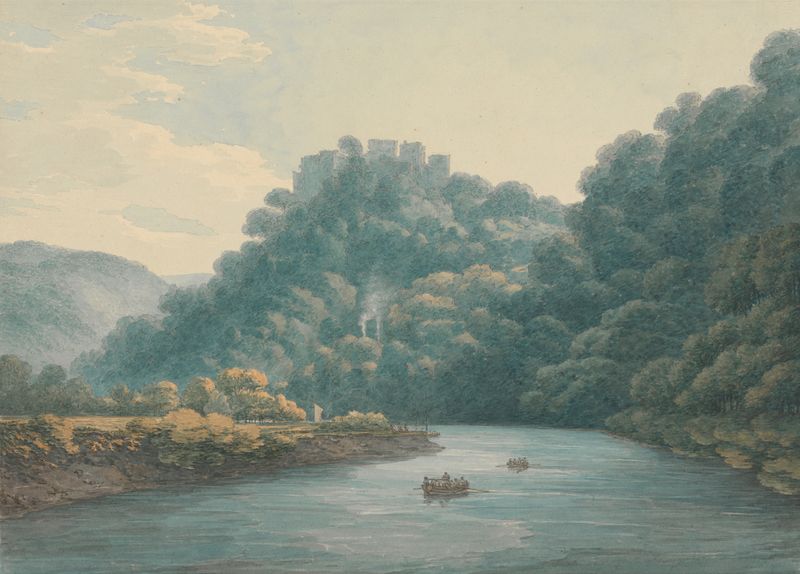
Goodrich Castle on the Wye
Thomas Hearne
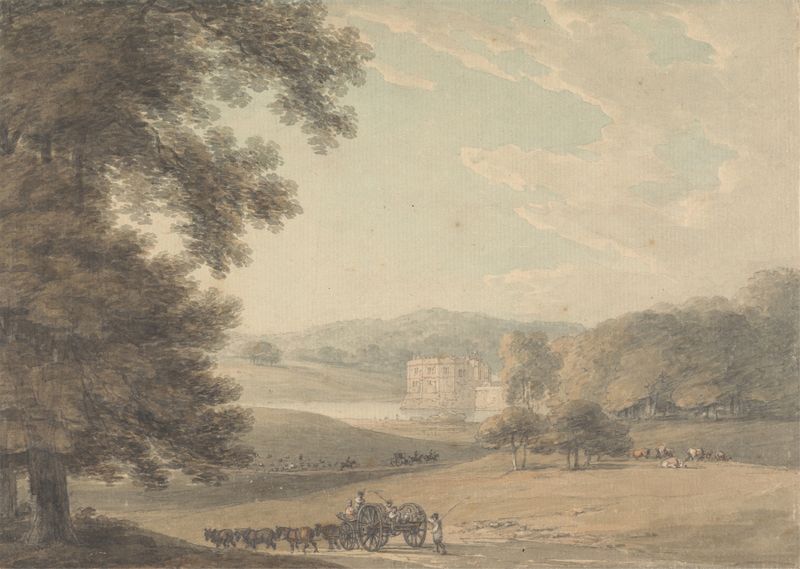
Leeds Castle, Kent
Thomas Hearne

The Ruins of Leiston Abbey
Thomas Hearne
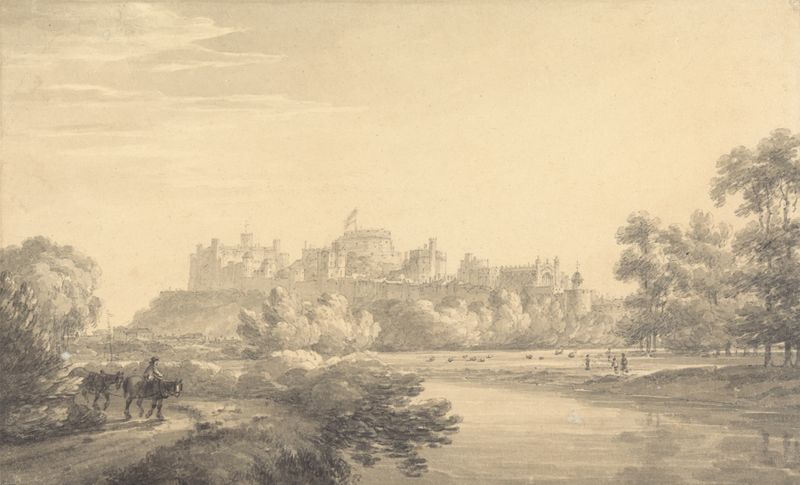
Windsor Castle
Thomas Hearne
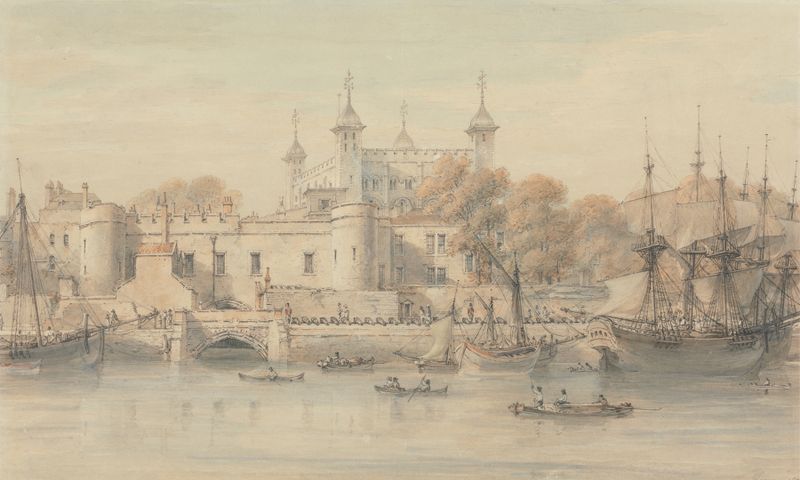
The Tower of London
Thomas Hearne
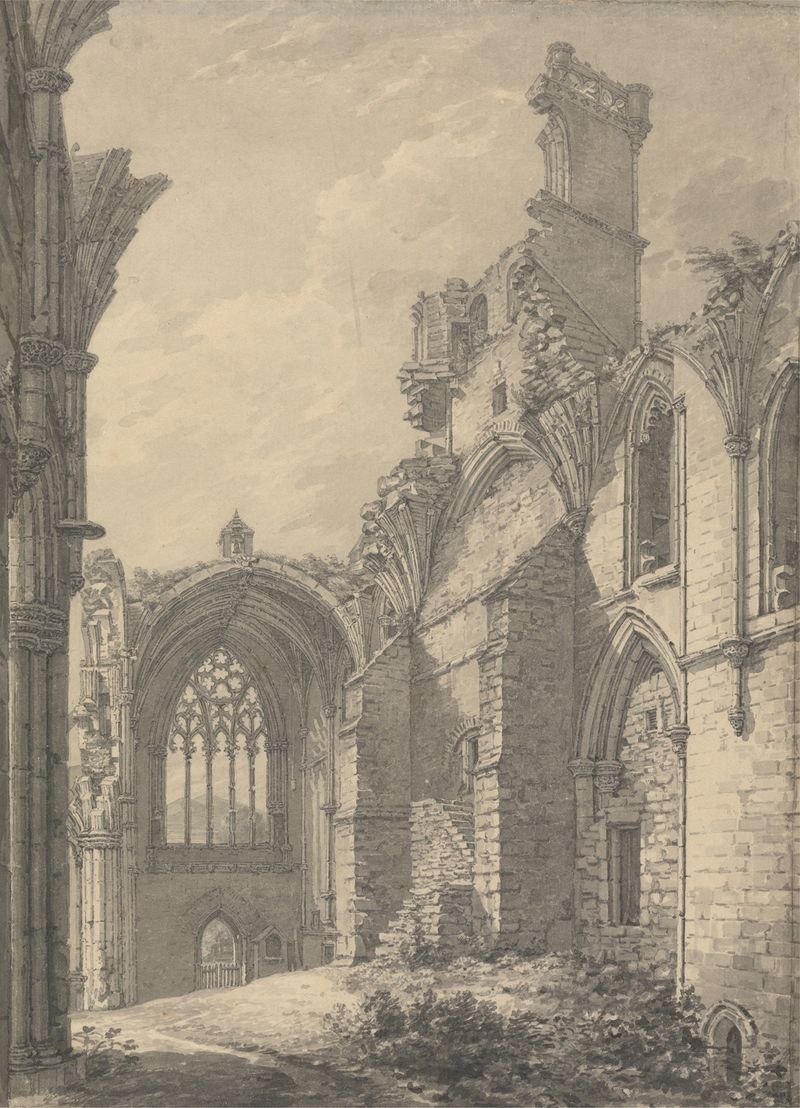
Transept of Melrose Abbey, 1778 Near Old Melrose on the River Tweed, Roxburgh
Thomas Hearne
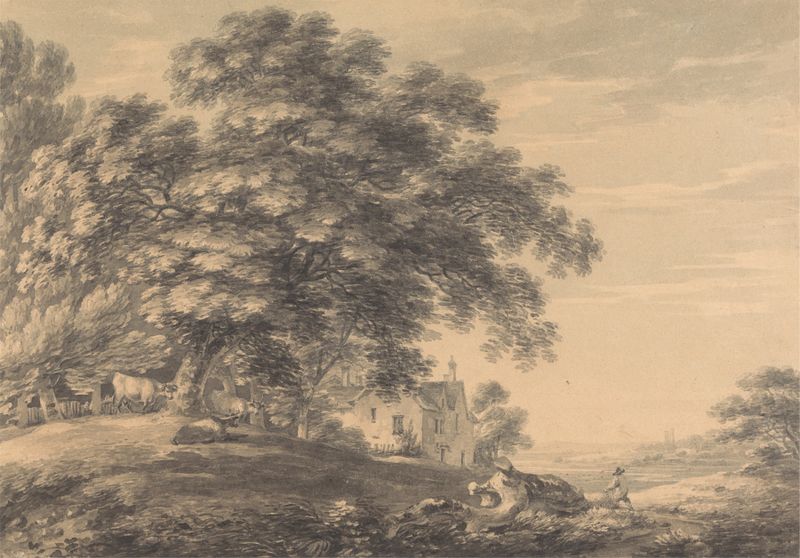
Landscape
Thomas Hearne
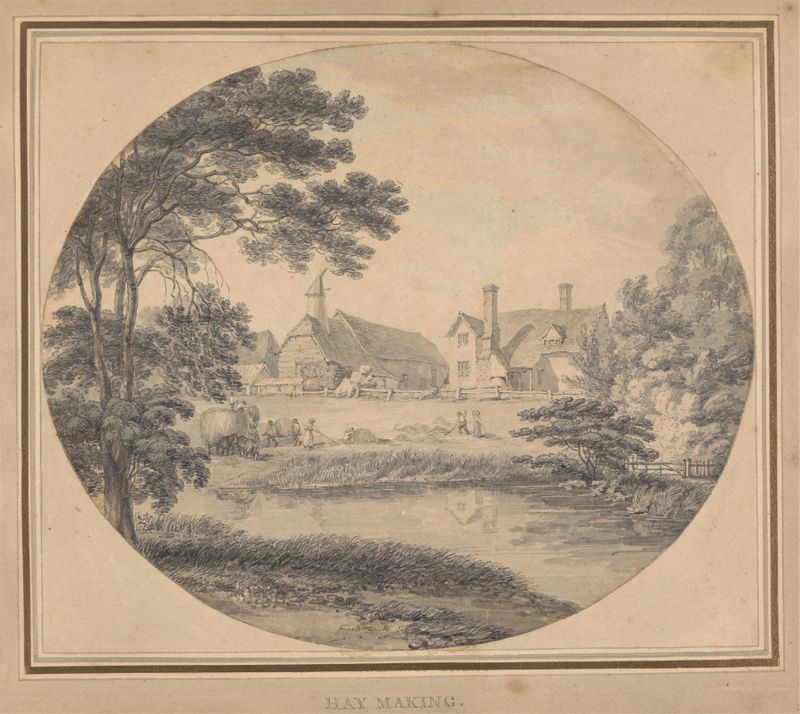
Haymaking
Thomas Hearne

Castle Acre Priory
Thomas Hearne
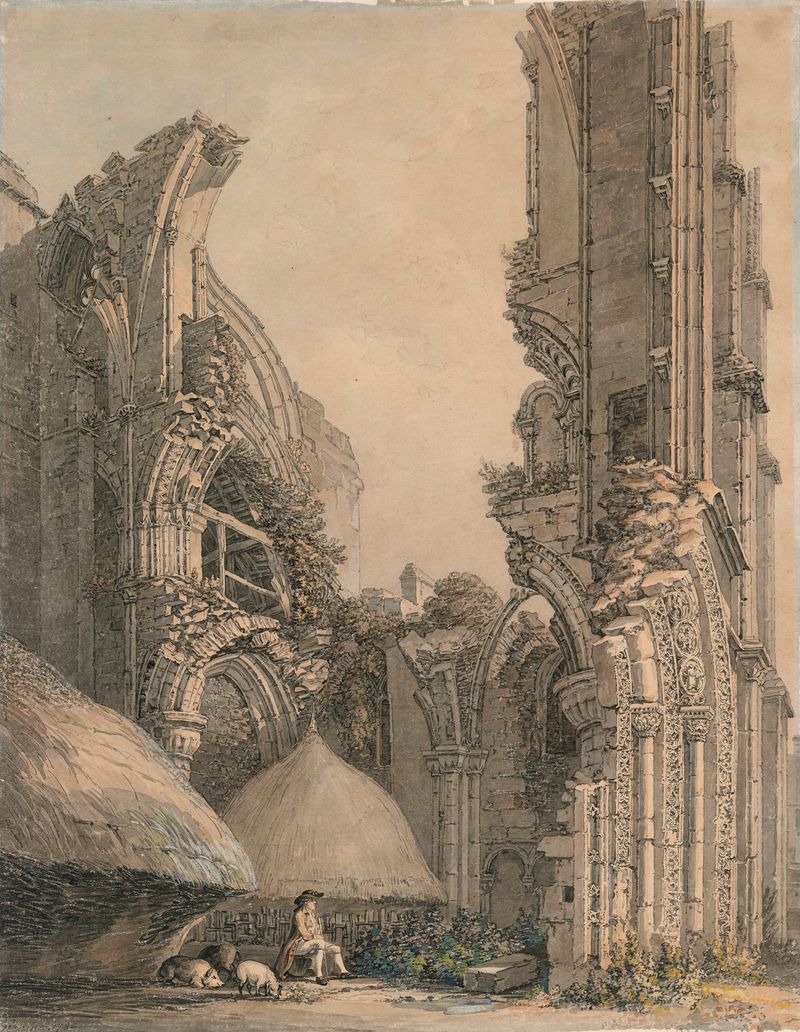
The Ruins of Malmesbury Abbey, Somerset, from the West Front (ill. for ‘The Antiquities of Great Britan’ 1807)
Thomas Hearne





