The Portal — History & Facts
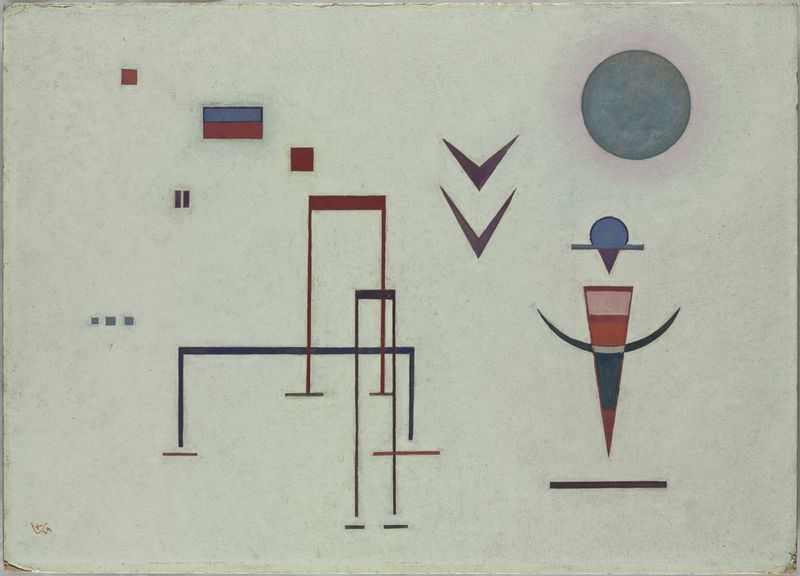
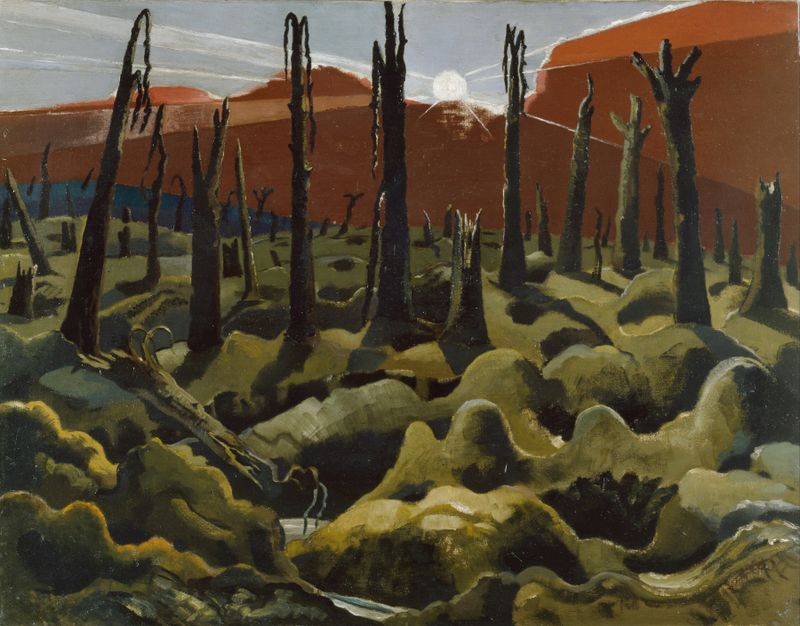
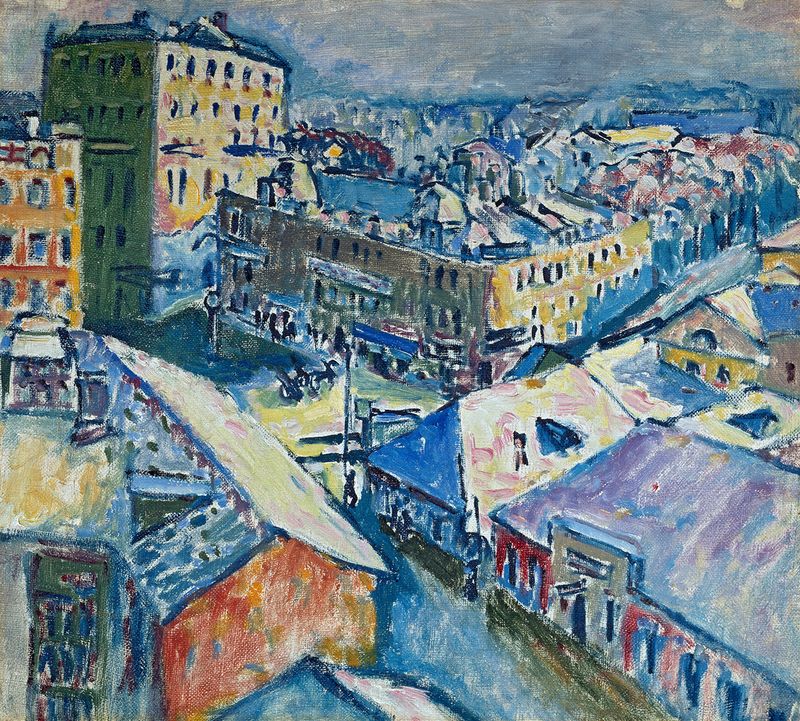
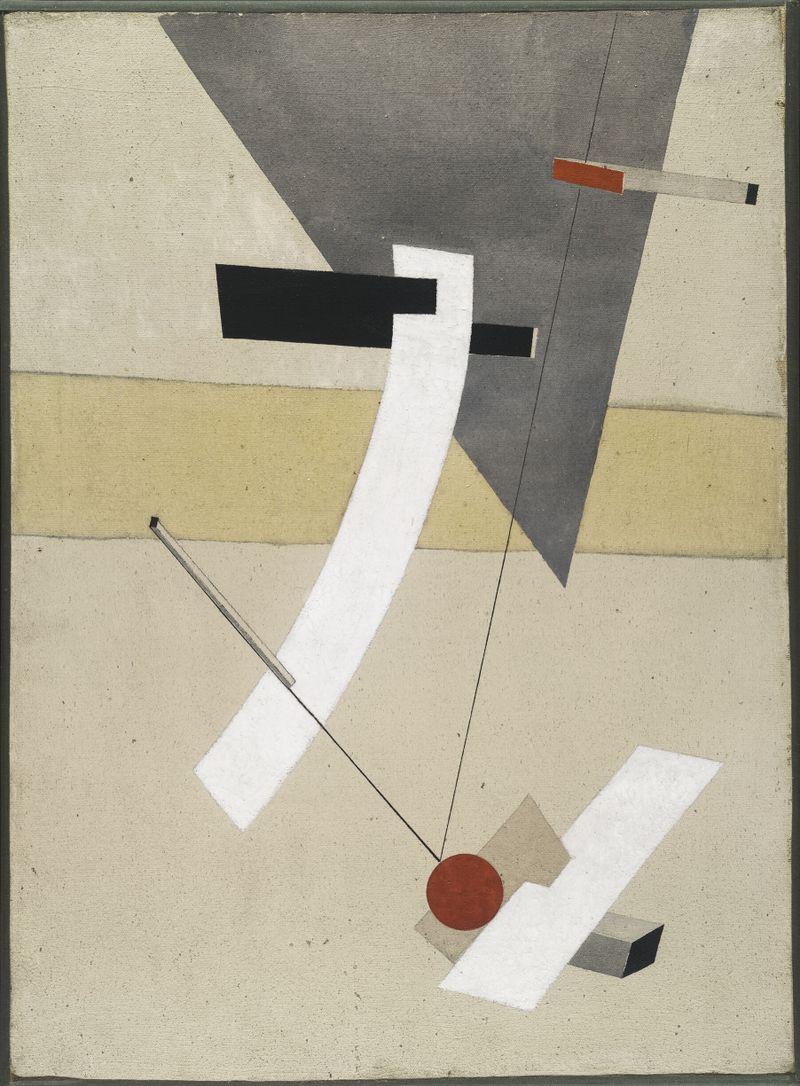
How can a moment suspended in pigment evoke both the rapture of existence and the weight of fleeting time? Look closely at the vibrant hues that burst forth from the canvas, a kaleidoscope of emotion emanating from the central vortex. The swirling patterns pull you into the depths of the composition, inviting your gaze to dance around the edges where colors blend and collide. The deliberate brushstrokes create a sense of movement, capturing the essence of an ecstatic moment while inviting contemplation of the stillness that surrounds it. As you delve deeper, notice the subtle contrasts between light and shadow, which illustrate the tension between joy and sorrow.
The harmonious interplay between warm oranges and cool blues symbolizes the duality of life—ecstasy intertwined with the inevitability of loss. Each layer of paint reveals another fragment of experience, suggesting that within the chaos of this portal lies an invitation to transcend the ordinary and embrace the extraordinary. Created during a period of great change and experimentation in the art world, this piece reflects Ernest Haskell's exploration of new techniques and emotional depth from 1915 to 1925. At a time when many artists were pushing boundaries in pursuit of abstraction, Haskell sought to balance the expressive possibilities of his craft with a profound sense of memory and perception.
His work stands as a testament to the transformational power of art, revealing layers of meaning that resonate through time.
More Artworks by Ernest Haskell
Browse all →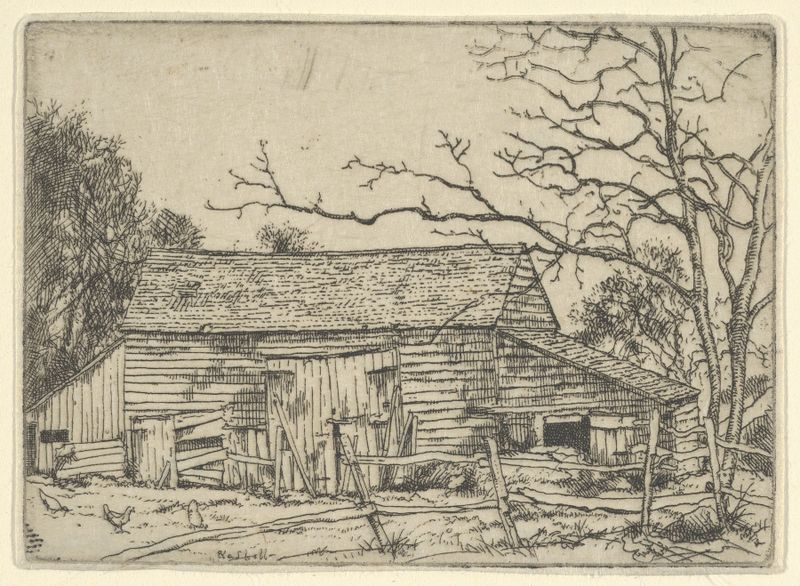
The Barn–Staten Island, N.Y.
Ernest Haskell

Four Live Oaks
Ernest Haskell
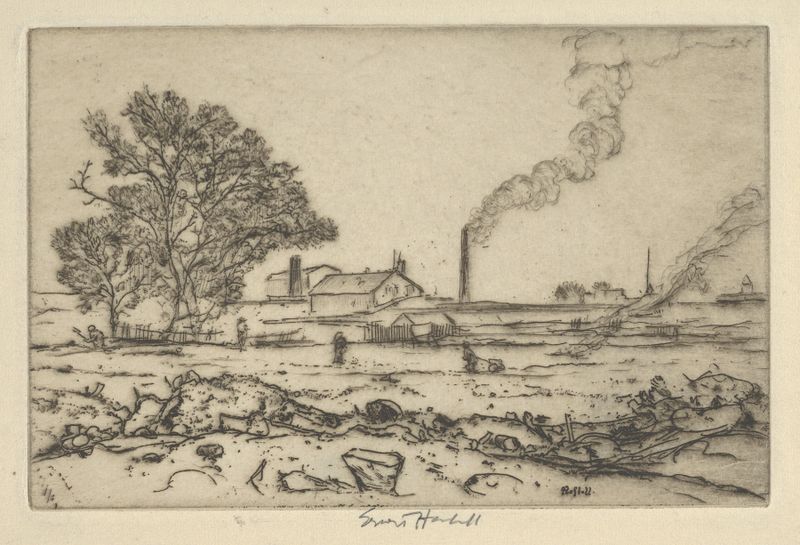
Outskirts of Boston
Ernest Haskell
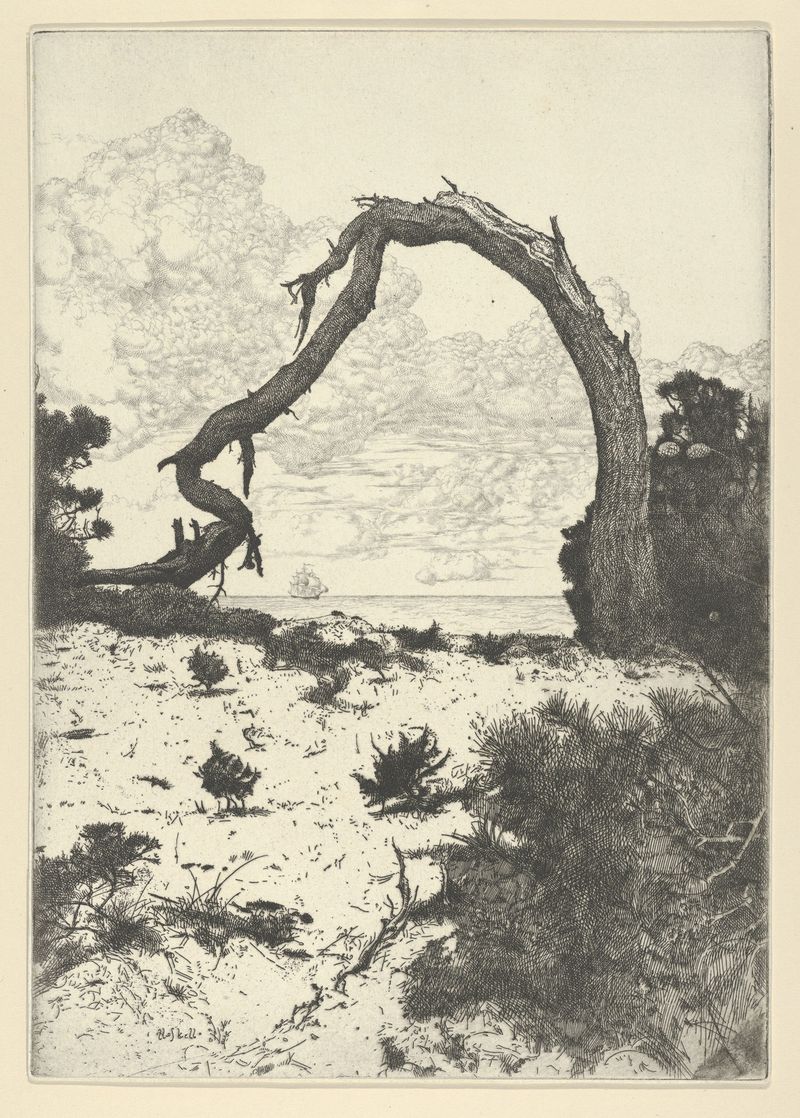
Pine Arch
Ernest Haskell

General Sherman
Ernest Haskell
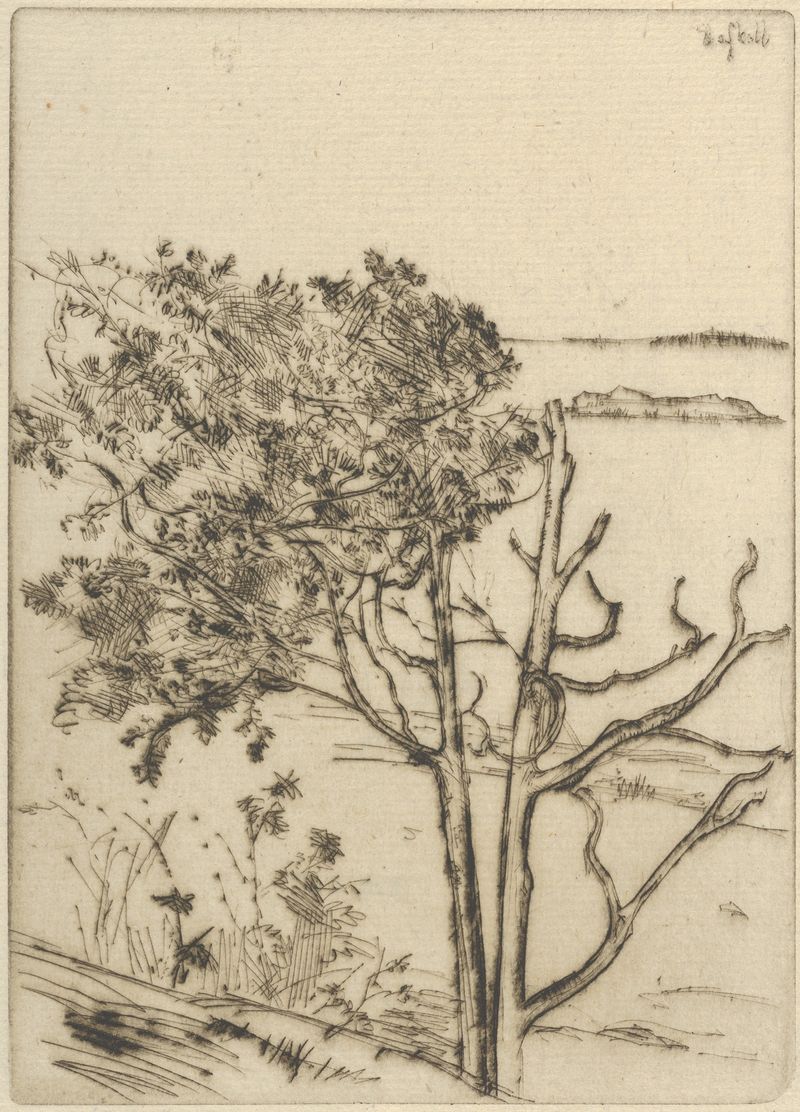
Ragged Tree – Maine
Ernest Haskell

Tide Mill
Ernest Haskell

Ship Building
Ernest Haskell
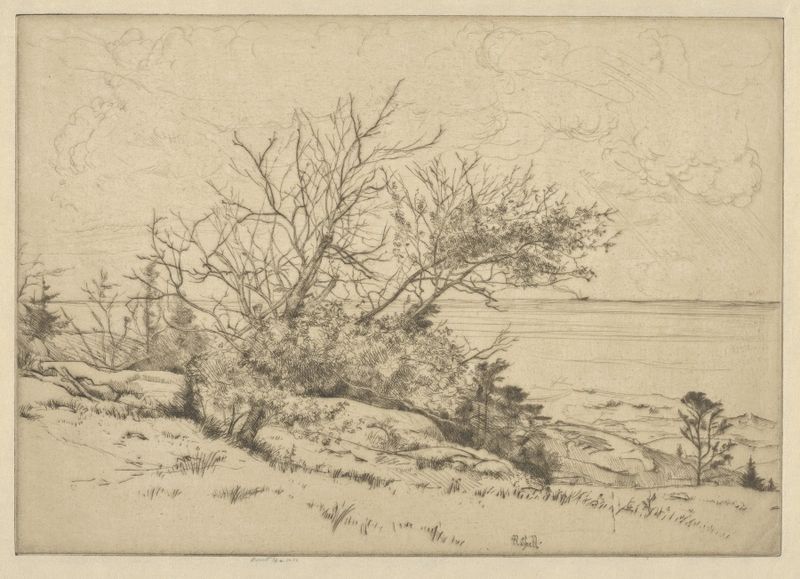
To the Southward – Ragged Island, Me.
Ernest Haskell
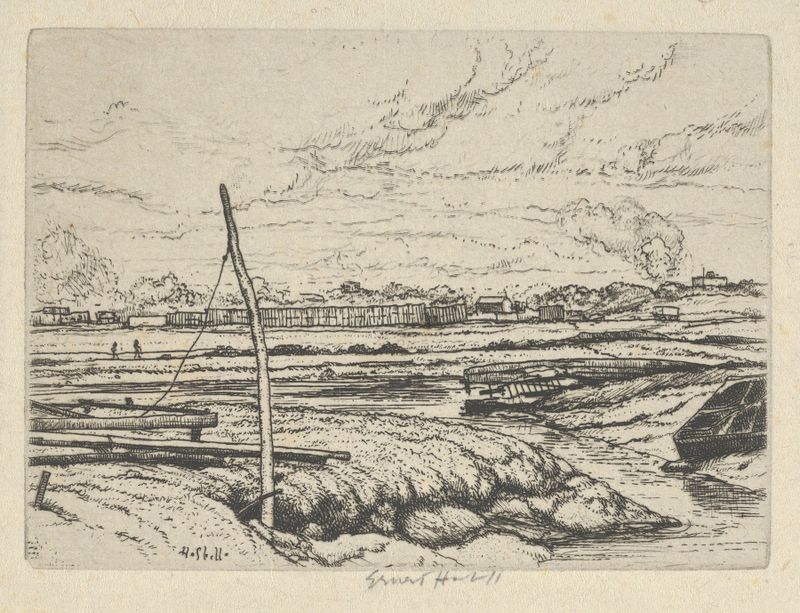
Long Island Marshes
Ernest Haskell