
The Pretty Housewife (La Jolie ménagère) — History & Facts
When Amedeo Modigliani painted The Pretty Housewife (La Jolie ménagère) in 1915, he was living in Montparnasse, Paris, surrounded by fellow artists and poets who often became his models and companions. What makes this work especially intriguing is that, unlike his more famous nudes or portraits of bohemian friends, the sitter here is an ordinary woman—her identity still unconfirmed—caught in the midst of everyday domesticity. This painting stands out in Modigliani’s oeuvre for its title alone, which hints at a rare, direct engagement with the theme of domestic life, a subject he seldom addressed so explicitly.
The year 1915 also marked a turning point for Modigliani, as he shifted from sculpture back to painting due to ill health. The woman sits upright, her hands folded neatly on her lap, her gaze both direct and distant. Modigliani elongates her neck and face, a hallmark of his style, lending her an elegance that contrasts with the plainness of her attire. The muted background and the sitter’s simple dress focus attention on her expression: reserved, perhaps weary, but dignified.
The artist’s use of cool, earthy tones and the subtle play of light across her features suggest a quiet resilience. Unlike the sensual languor of his Nu couché, here Modigliani offers a portrait of steadiness and self-possession, inviting comparison to the honest, unvarnished realism of Jean-Baptiste-Siméon Chardin’s domestic scenes. The early history of The Pretty Housewife is not fully documented, but it likely passed through the hands of Parisian dealers who championed Modigliani’s work during his lifetime. Like many of his paintings from this period, it reflects the influence of both Cubism and African sculpture, but with a warmth and humanity all his own.
Today, the painting is celebrated as a rare glimpse into Modigliani’s engagement with everyday subjects, standing apart from his more typical portrayals of artists and lovers. Its current location is not widely publicized, and its medium remains uncertain, but it continues to be studied as a key example of Modigliani’s unique vision during the turbulent years of the First World War.
More Artworks by Amedeo Modigliani
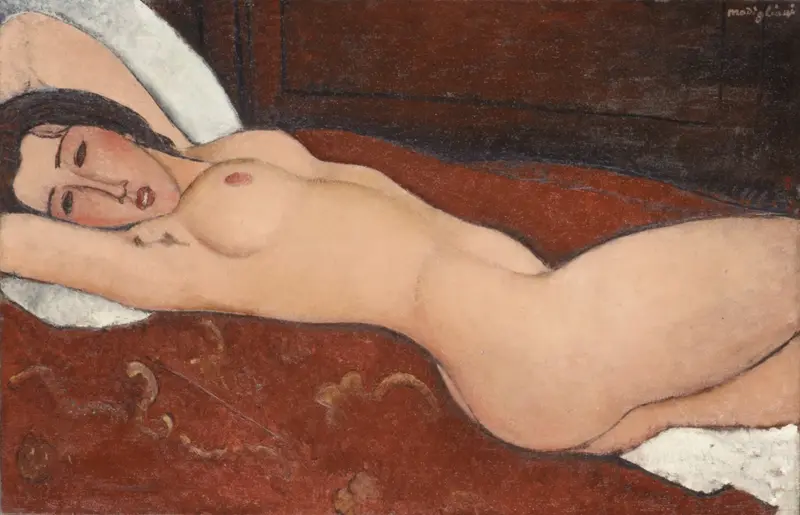
Reclining Nude
Amedeo Modigliani

Portrait Of Jeanne Hébuterne
Amedeo Modigliani

Jeanne Hébuterne
Amedeo Modigliani
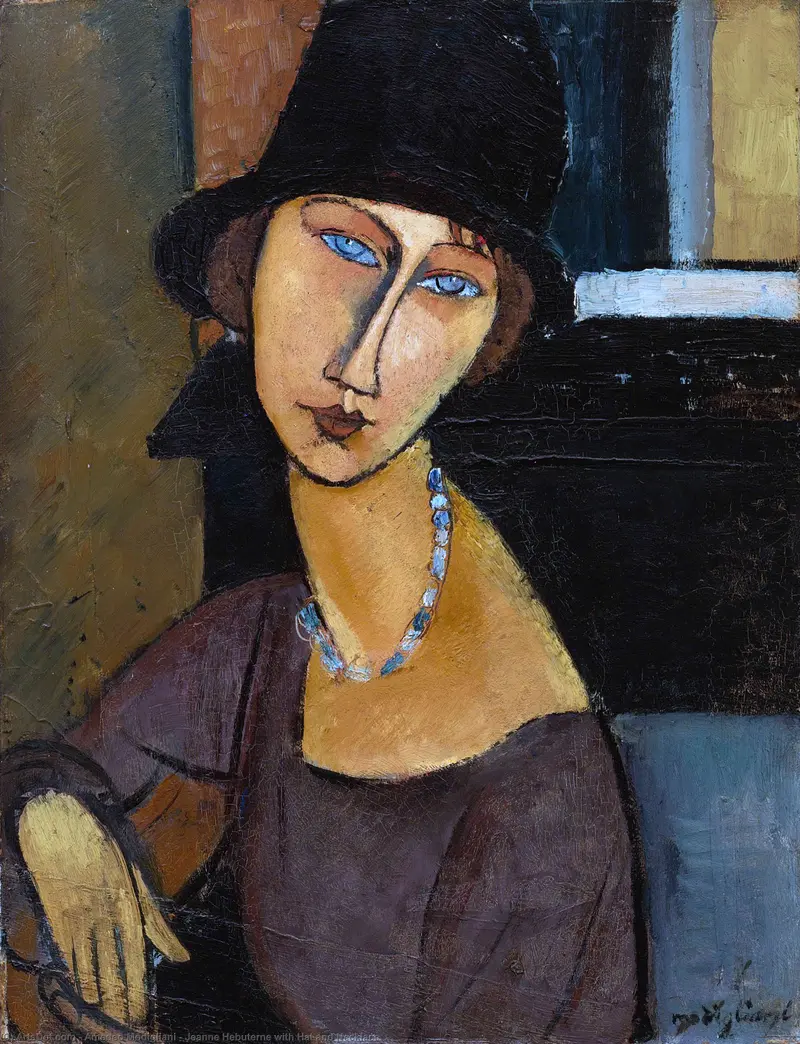
Jeanne Hébuterne with Hat and Necklace
Amedeo Modigliani
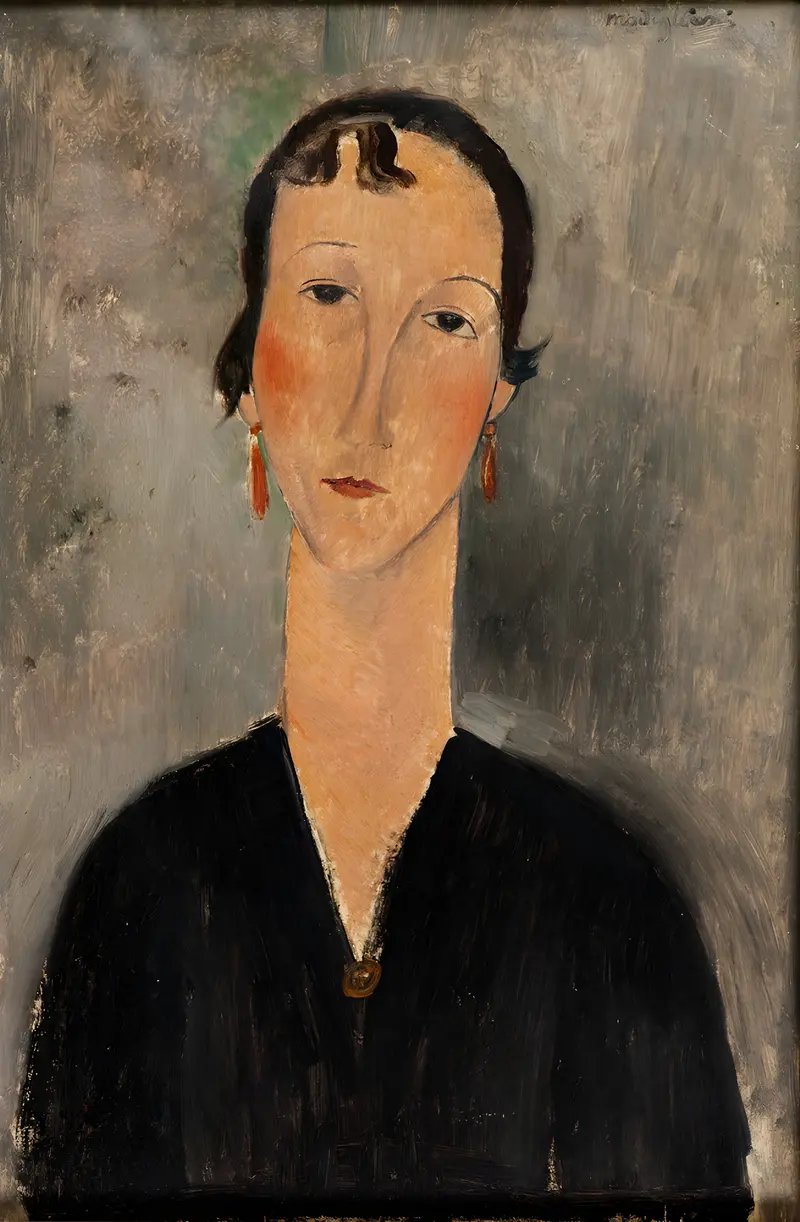
Femme aux boucles d'oreilles
Amedeo Modigliani
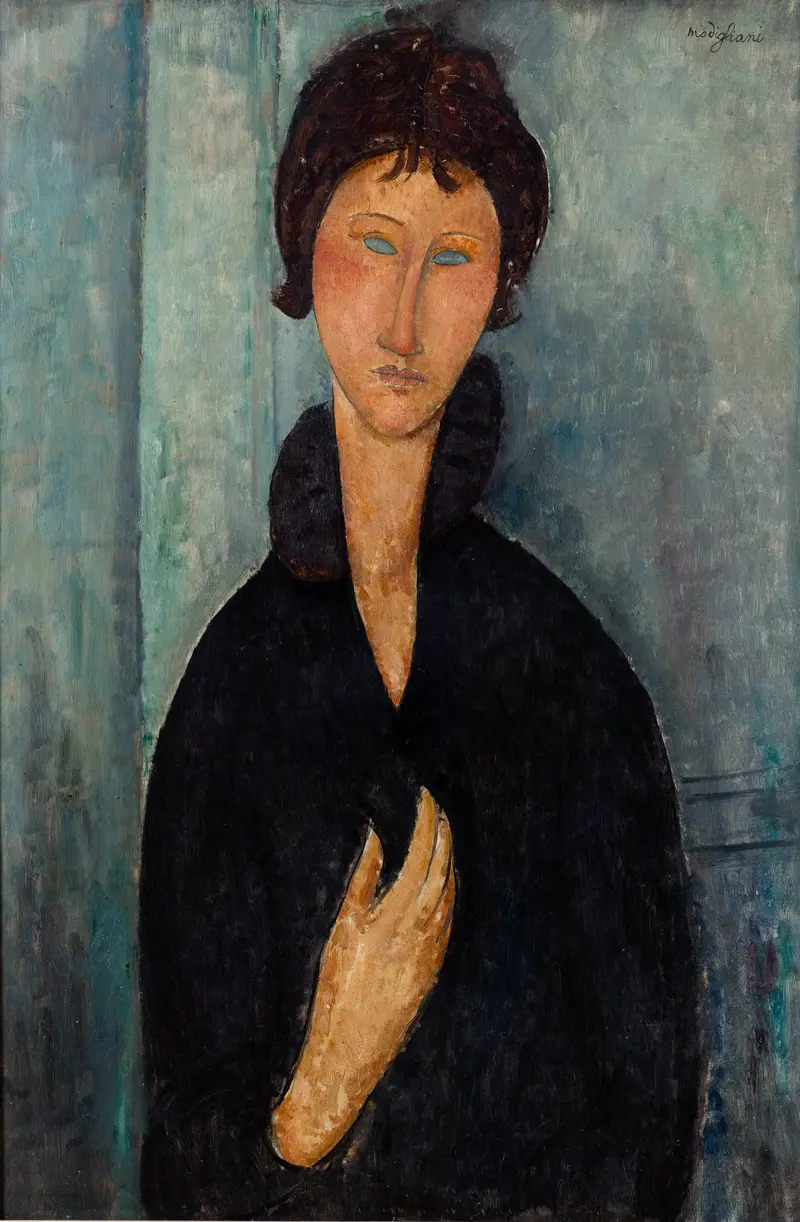
Femme aux yeux bleus
Amedeo Modigliani
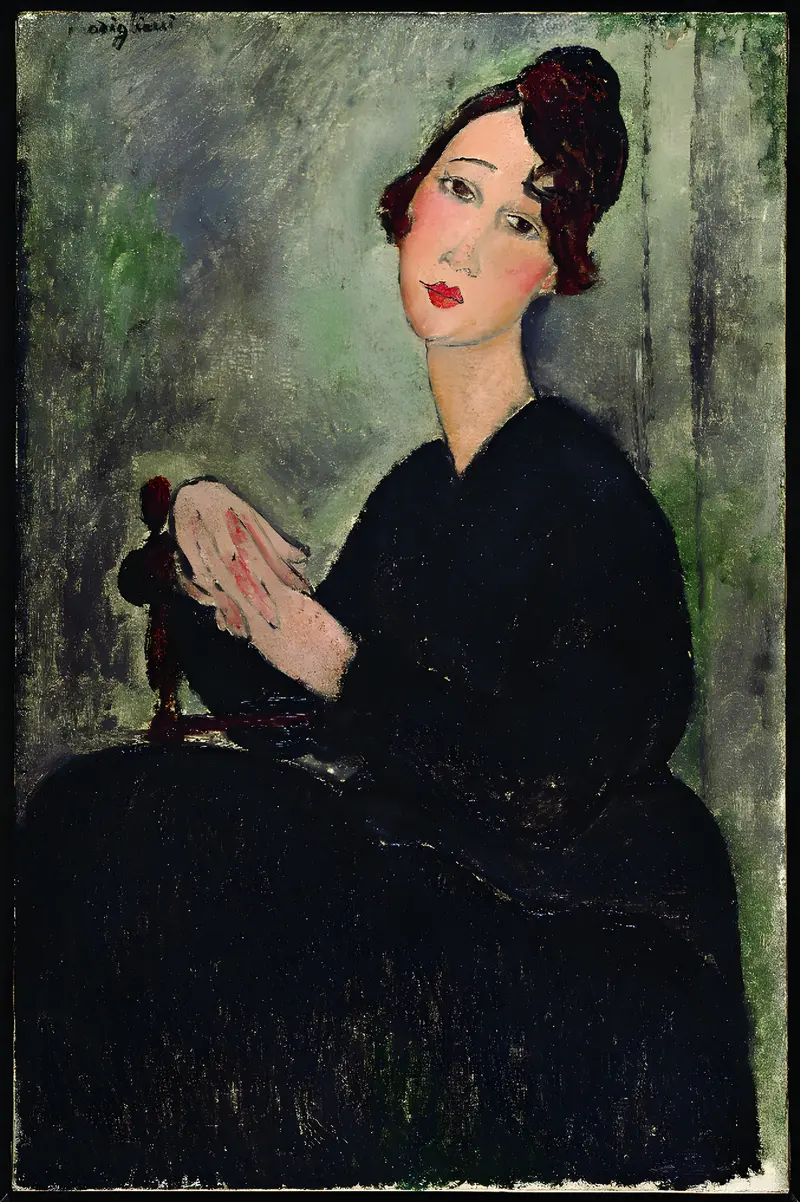
Portrait of Dedie
Amedeo Modigliani
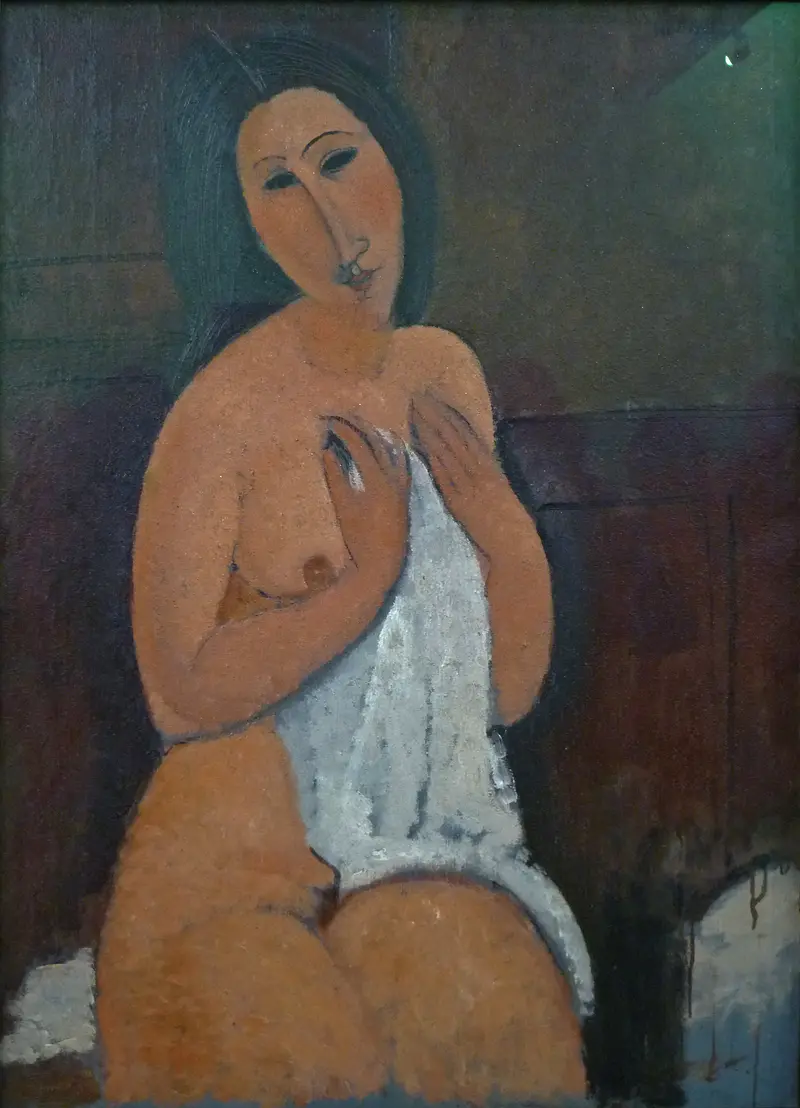
Seated nude with shirt
Amedeo Modigliani
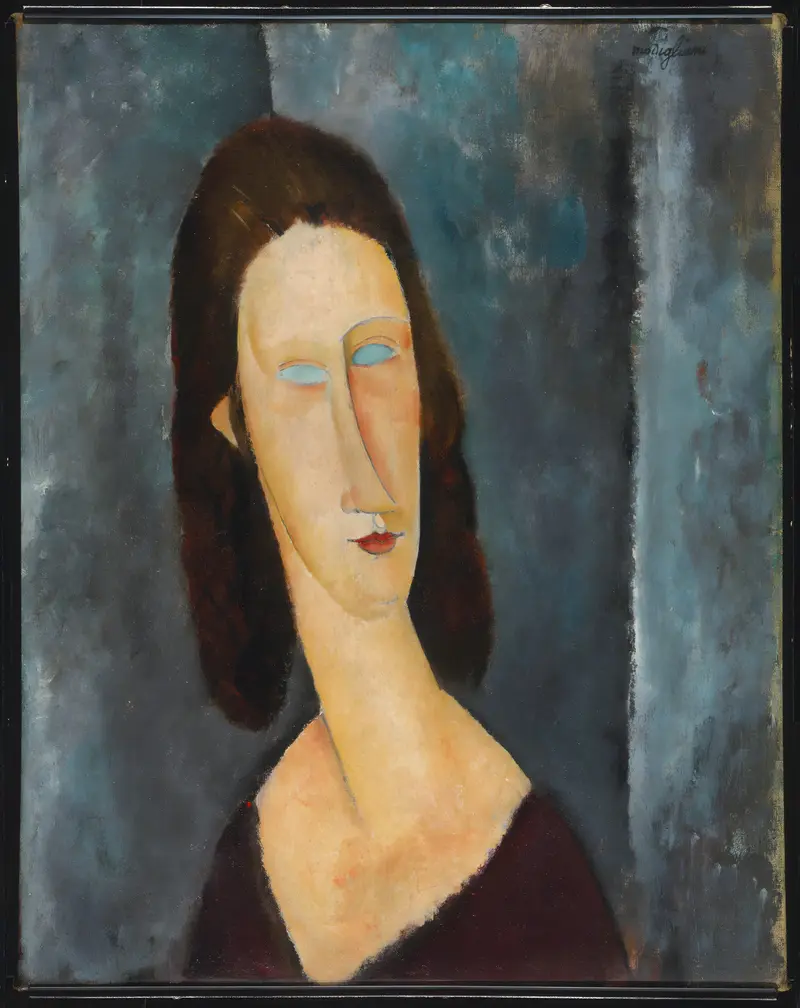
Blue Eyes (Portrait of Madame Jeanne Hébuterne)
Amedeo Modigliani
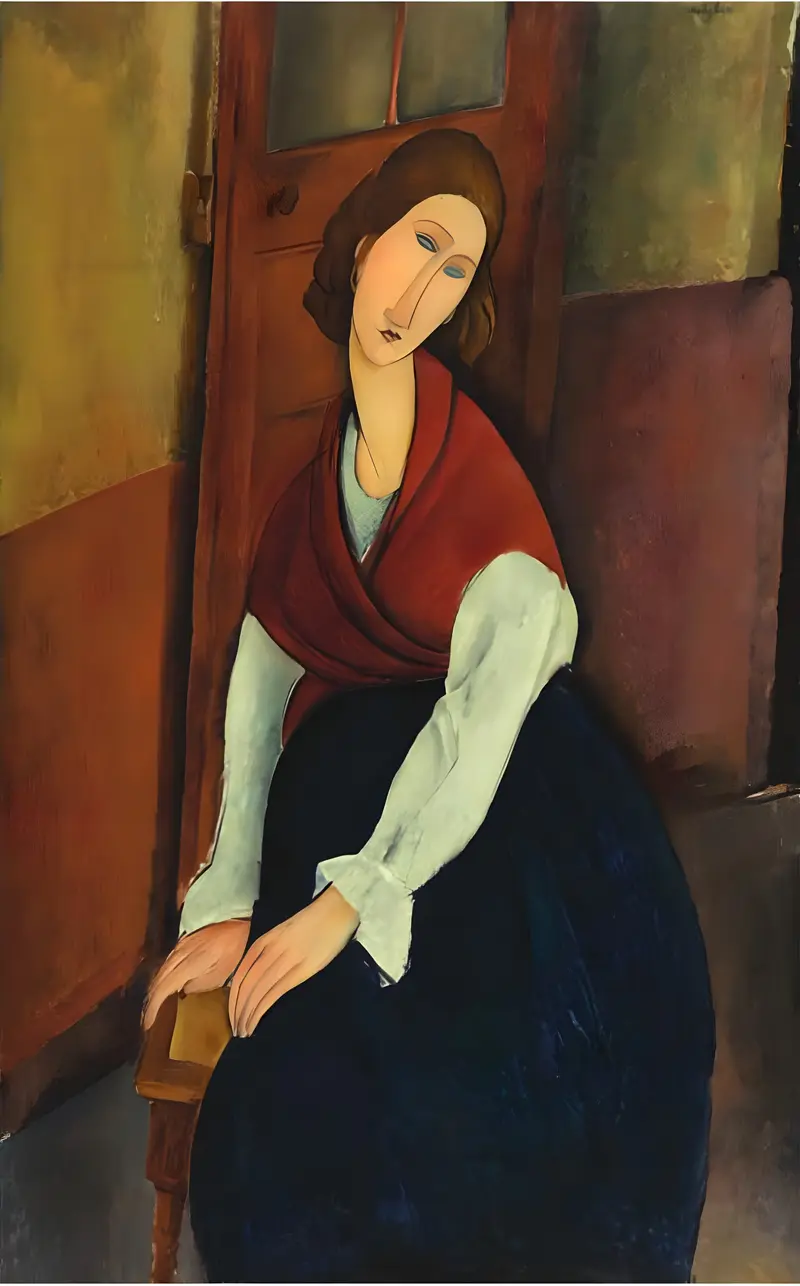
Jeanne Hebuterne in Red Shawl
Amedeo Modigliani





