
The Prostasis (portico) of the Caryatids on the Erechtheion — History & Facts
This delicate interplay lies at the heart of architectural art, where stone speaks volumes in its quiet presence. The essence of creation breathes life into each corner of this magnificent piece, inviting contemplation and reverence. Focus on the intricate details of the Caryatids that elegantly support the portico. Look closely at the folds of their draped garments, where shadow and light intertwine, revealing the masterful craftsmanship.
Notice how the soft palette of warm earth tones contrasts with the cool blues of the sky, creating a harmonious balance that draws the eye upward. Each figure, poised with grace, embodies both strength and fragility, capturing an eternal moment frozen in time. Delve deeper into the symbolic weight of the Caryatids, representing the guardianship of knowledge and history. Their stoic expressions evoke a profound sense of nostalgia, as if they hold the memories of ages past.
The juxtaposition of their human form against the robust architecture not only highlights the tension between nature and structure but also reflects the enduring spirit of creativity that transcends time. The piece resonates with the viewer, prompting reflections on the passage of time and the legacy of humanity's artistic endeavors. Carl Friedrich Heinrich Werner created this artwork during a period of the 19th century in Germany, a time when neoclassicism was in vogue and artists sought to revive the grandeur of ancient Greece and Rome. Amidst a burgeoning interest in historical accuracy and romanticism, he aimed to connect contemporary viewers with the timeless beauty of classical architecture.
Werner's work reflects his dedication to capturing the essence of art as a living narrative, a testament to the enduring power of human expression.
More Artworks by Carl Friedrich Heinrich Werner
Browse all →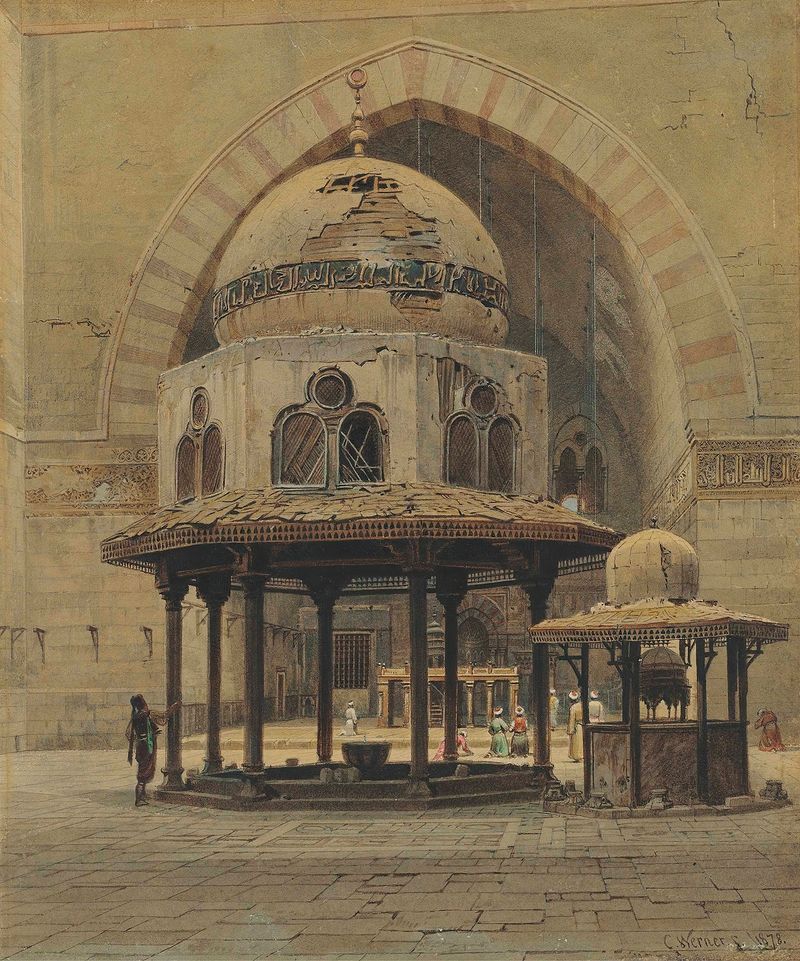
Mosque of Sultan Hassan, Cairo
Carl Friedrich Heinrich Werner
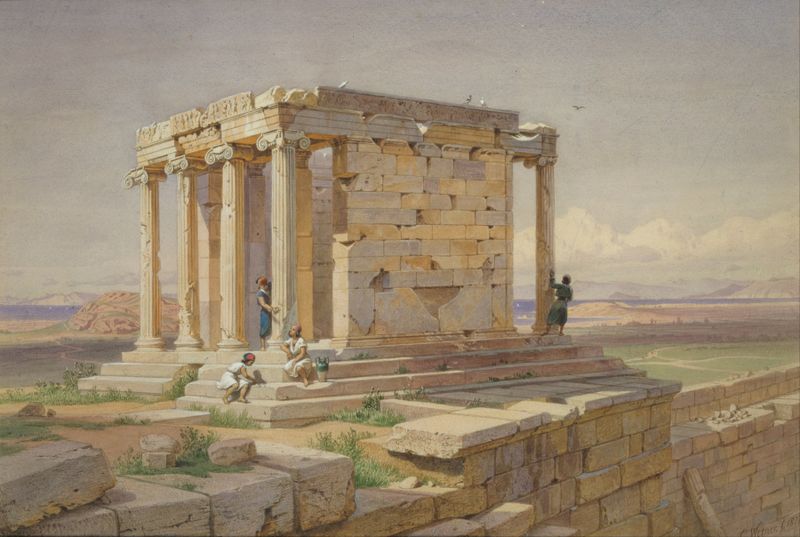
The Temple of Athena Nike. View from the North-East
Carl Friedrich Heinrich Werner
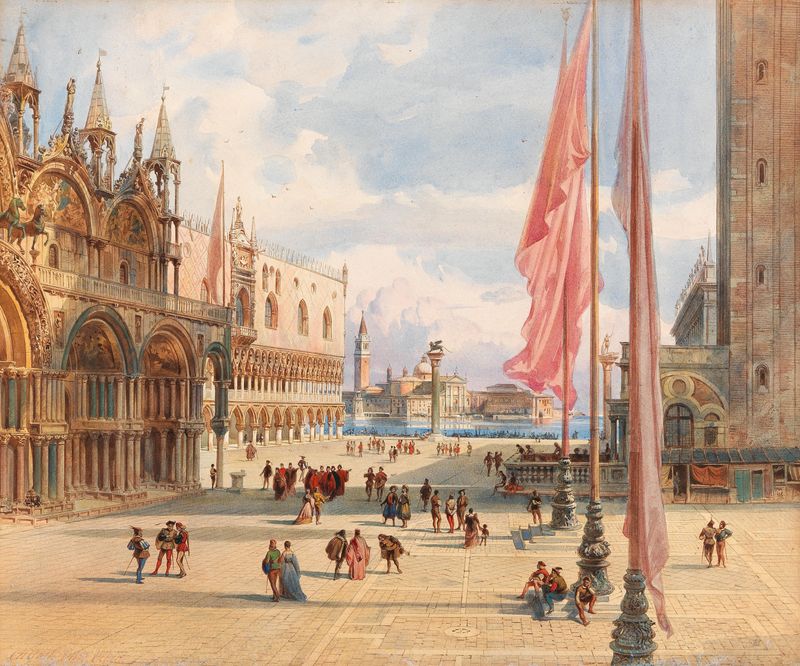
Marcus Square In Venice
Carl Friedrich Heinrich Werner

Canal Grande and Rialto Bridge
Carl Friedrich Heinrich Werner
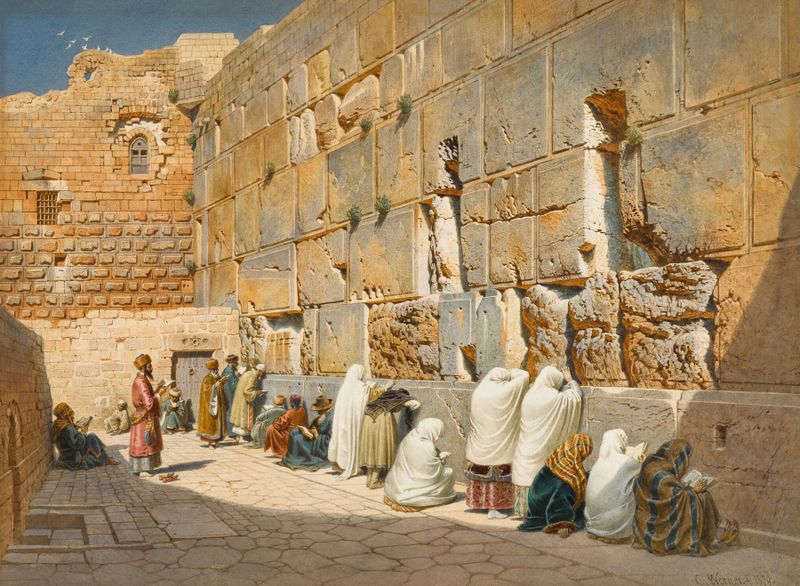
The Wailing Wall, Jerusalem
Carl Friedrich Heinrich Werner
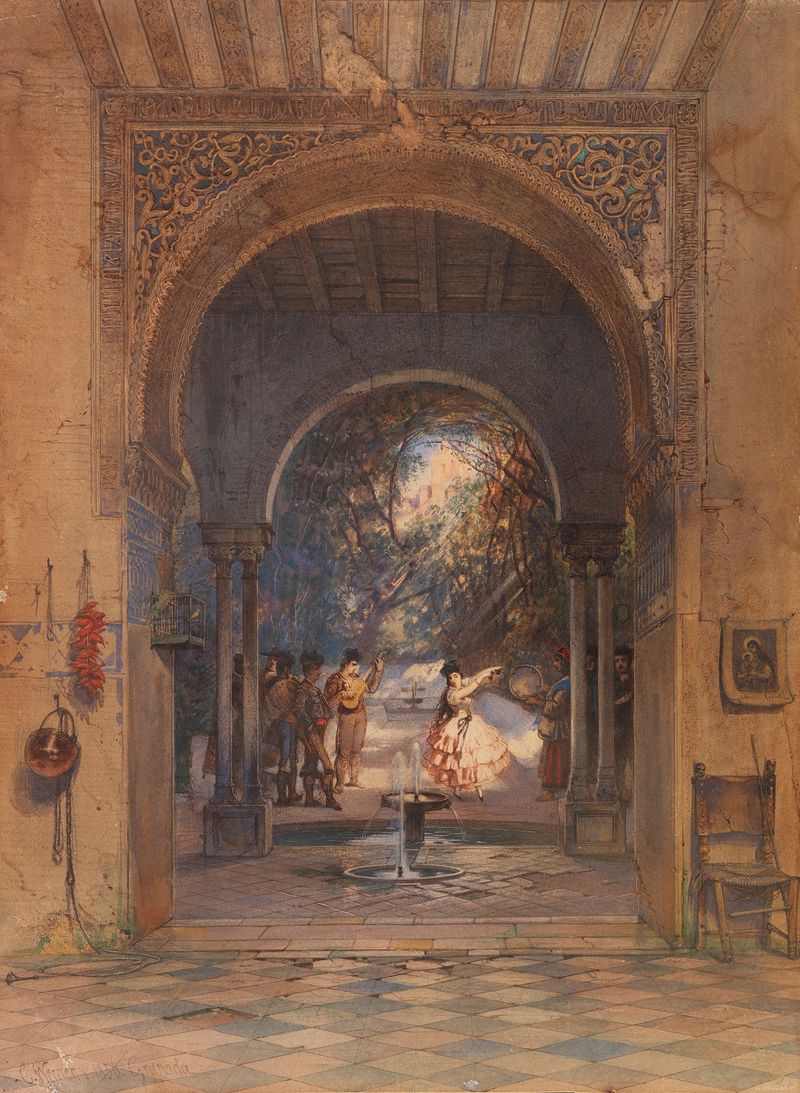
Kastagnettentänzerin in der Alhambra in Granada
Carl Friedrich Heinrich Werner
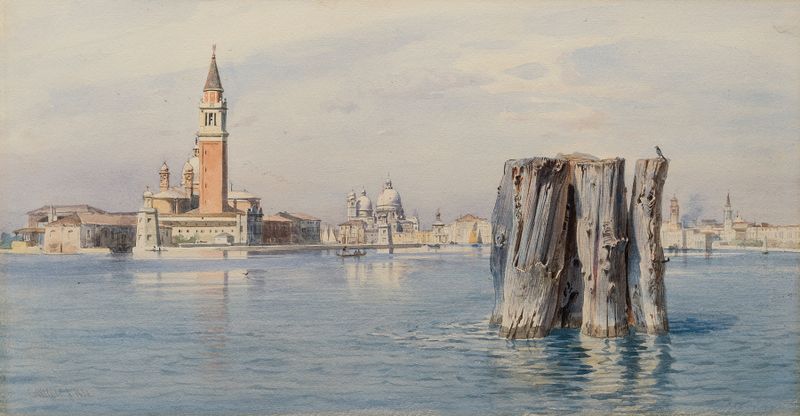
Ansicht von San Giorgio Maggiore und Santa Maria della Salute in Venedig
Carl Friedrich Heinrich Werner
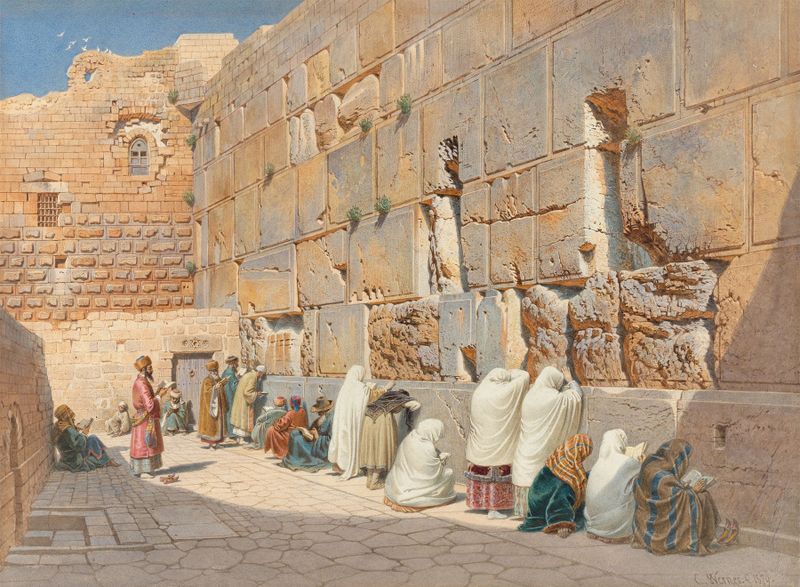
The Wailing Wall in Jerusalem
Carl Friedrich Heinrich Werner
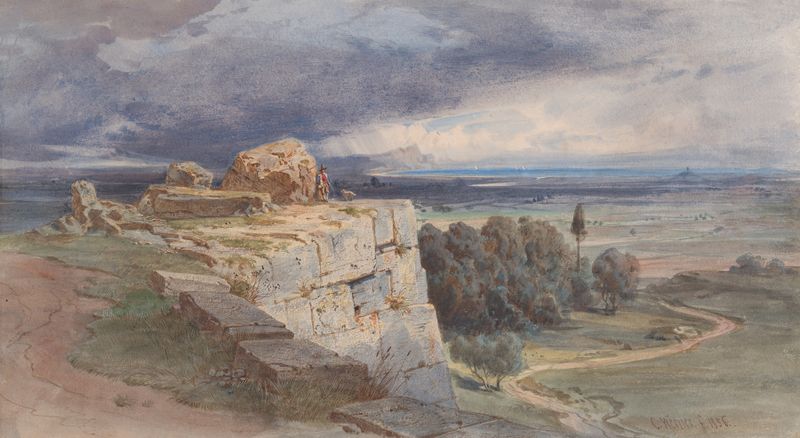
View of Norba from the North, towards San Felice Circeo
Carl Friedrich Heinrich Werner
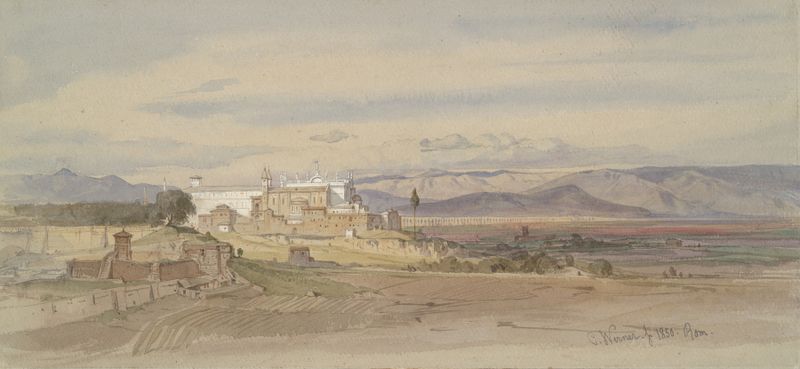
Roman Landscape with San Giovanni in Laterano
Carl Friedrich Heinrich Werner
More Architecture Art
Browse all →
The statue of Liberty
Frédéric Auguste Bartholdi

View of Houses in Delft, Known as ‘The Little Street’
Johannes Vermeer

View of Houses in Delft, Known as ‘The Little Street’
Johannes Vermeer

The Cathedral in Rouen. The portal, Grey Weather
Claude Monet

The yellow house
Vincent van Gogh

The Church in Auvers-sur-Oise, View from the Chevet
Vincent van Gogh