
The Quays at Rouen — History & Facts
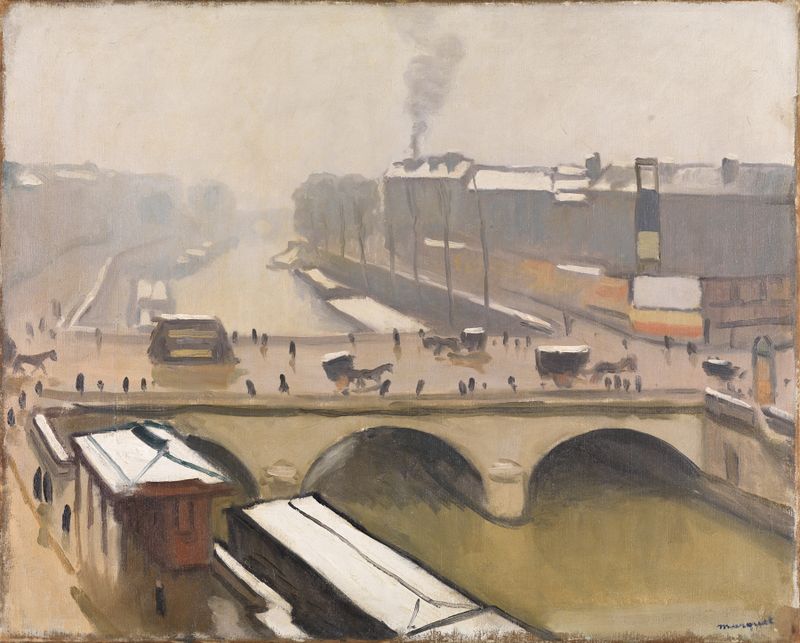
In The Quays at Rouen, a tapestry of hues invites the viewer into a world of transformation, where the essence of a place transcends mere representation. Look to the center of the canvas, where the tranquil waters shimmer under a soft sky, reflecting the interplay of light and color. Notice how Marquet employs a palette of blues and gentle pastels to evoke a sense of calmness, while the delicate brushwork creates ripples that breath life into the scene. The boats, painted with quick, confident strokes, guide the eye through the composition, leading to the subtle architectural outlines that frame the horizon. Peering deeper, one finds a dialogue between stillness and movement—between the solidity of the quays and the transient nature of the water.
The stark contrast between the warm golden buildings and the cool shadows suggests a duality of existence, perhaps symbolizing the passage of time and the ephemeral experience of beauty. This tension reflects the artist's exploration of change, hinting at both the continuity of life and the inevitability of transformation. In 1912, Marquet was living in Paris, amid a burgeoning avant-garde movement that sought to redefine artistic expression. The city was alive with innovation, yet the artist sought solace in the quiet beauty of calm waterways.
His focus on color and light during this period marked a pivotal moment in his career, as he moved toward a more personal and emotive style, capturing both the ephemeral and the eternal in his landscapes.
More Artworks by Albert Marquet
Browse all →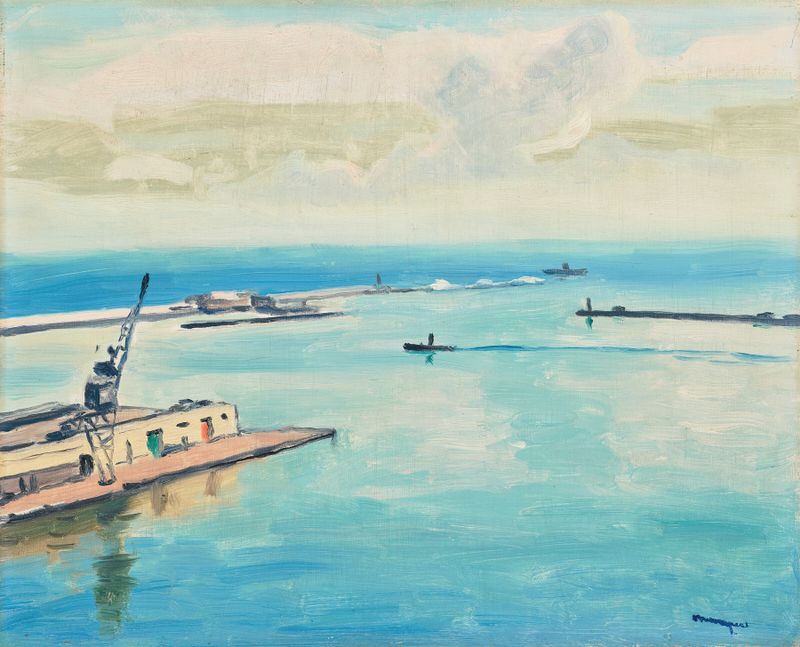
Le Port d’Alger
Albert Marquet
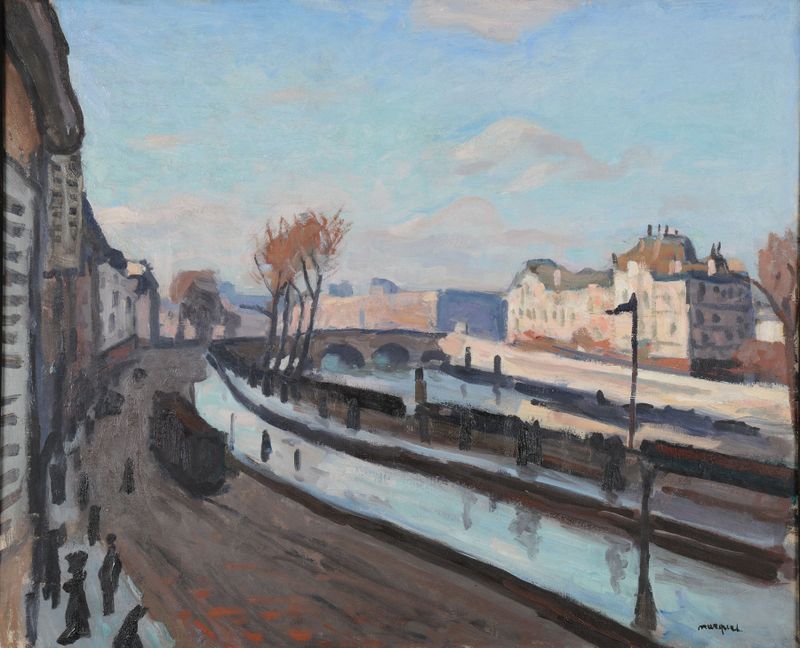
Le quai des Grands Augustins
Albert Marquet
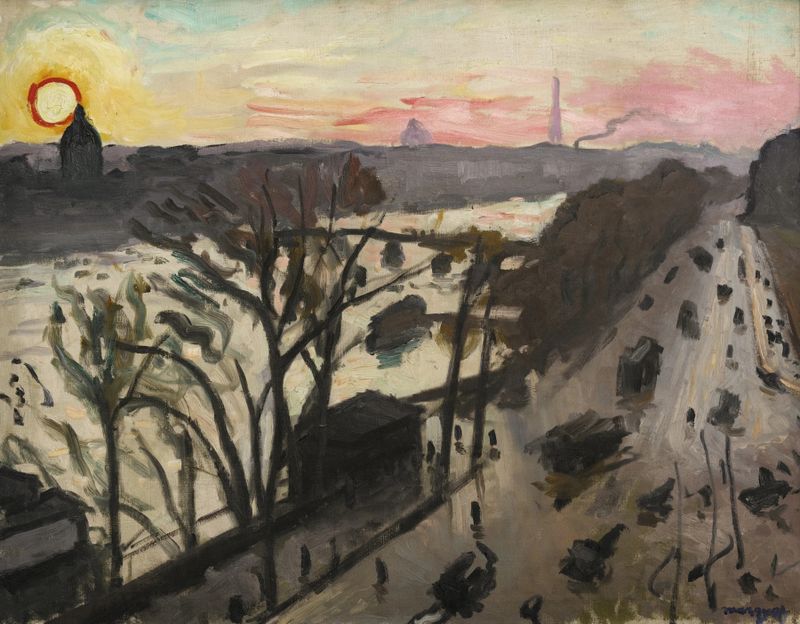
Paris, quai du Louvre, soleil d’hiver
Albert Marquet
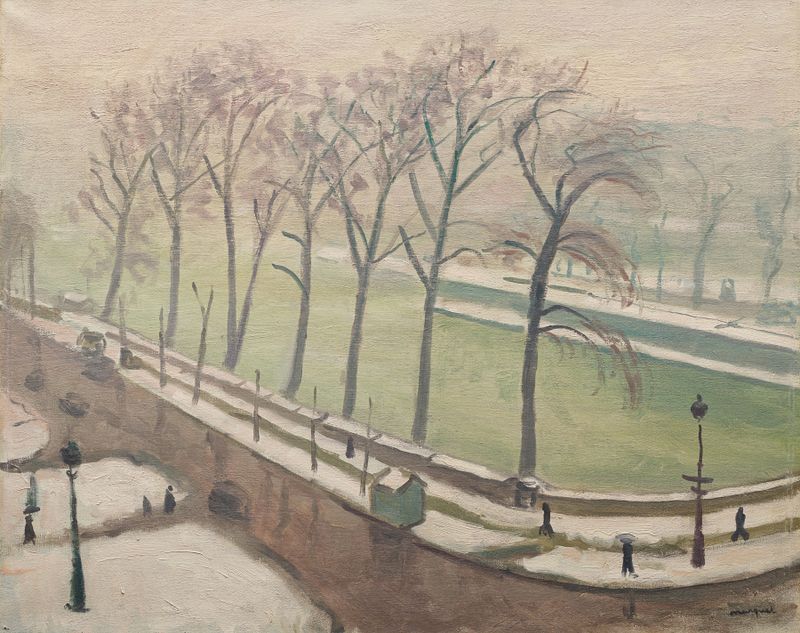
Pont-Neuf sous la neige
Albert Marquet
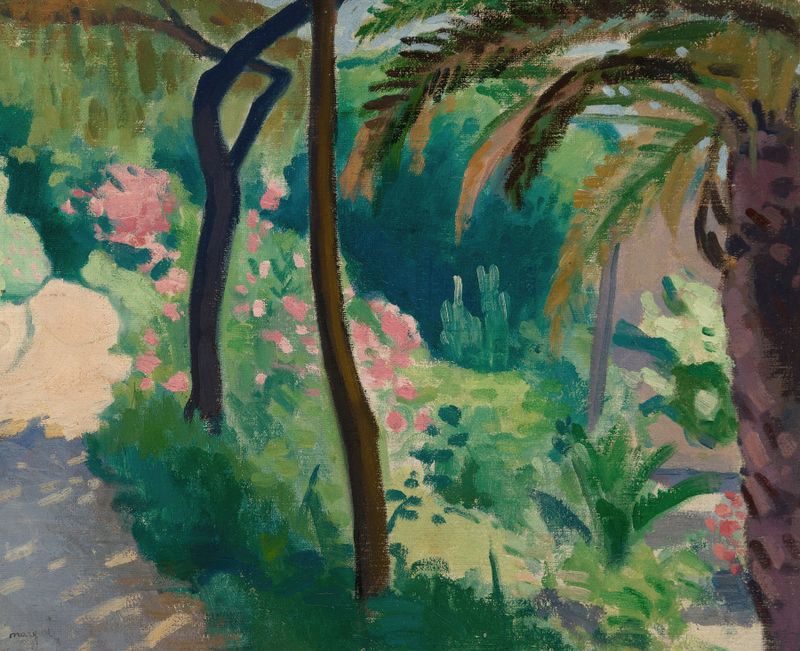
Le jardin à l’Estaque
Albert Marquet
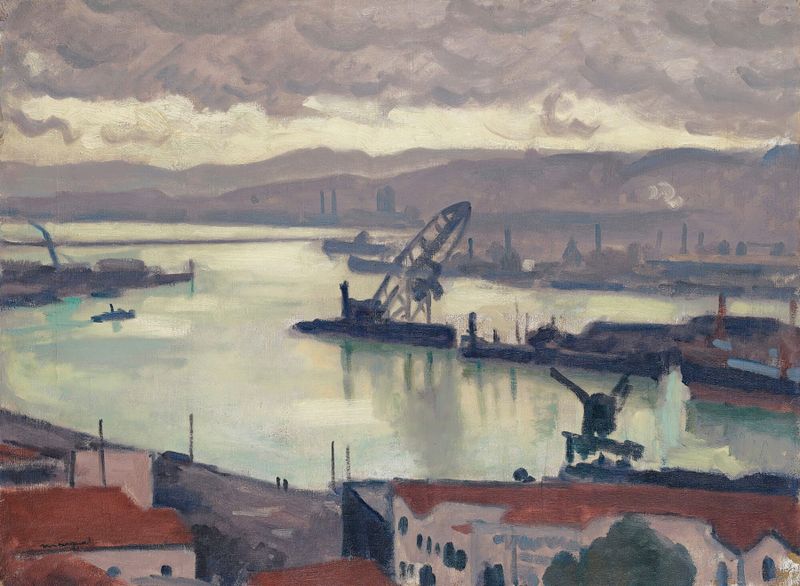
Alger, Temps Gris
Albert Marquet
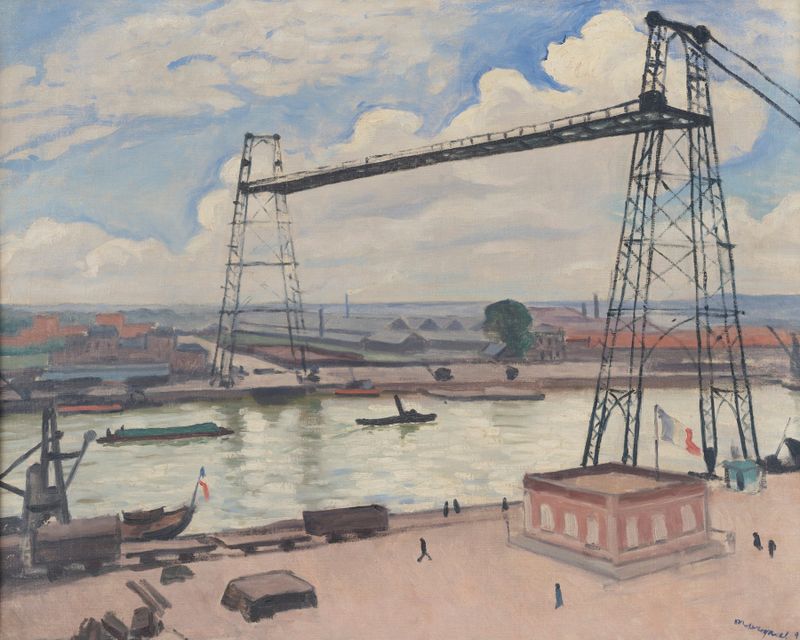
Rouen, le pont transbordeur
Albert Marquet
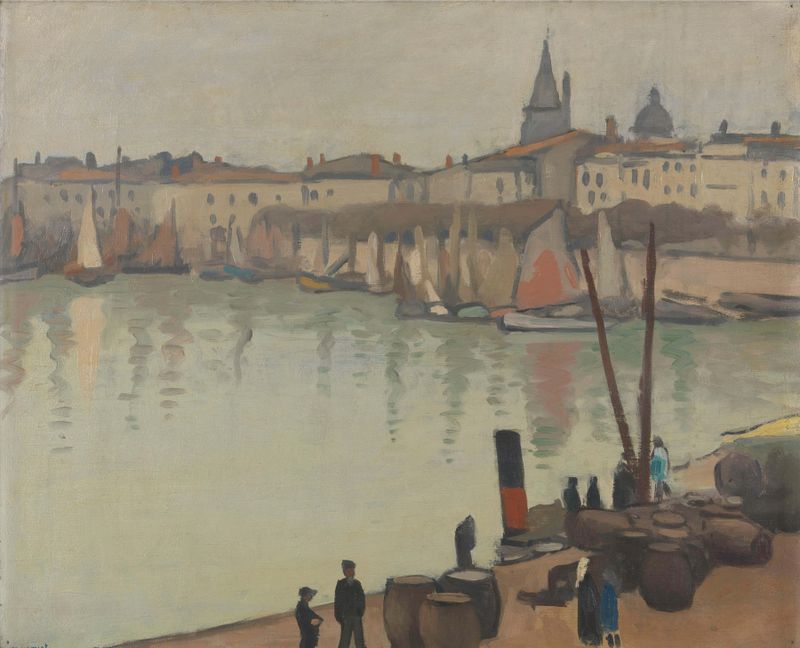
Port of La Rochelle
Albert Marquet

Berge de la Seine à Méricourt
Albert Marquet
View of the Pont Saint-Michel in Paris
Albert Marquet





