
The Quest of the Golden Girl — History & Facts
A woman, veiled and radiant, emerges from darkness in The Quest of the Golden Girl by Ethel Reed, her form bathed in a halo of yellow light that slices through the gloom. The viewer’s eye is drawn first to her face—serene, almost spectral—framed by a luminous aura that feels both protective and unreachable. Below her, a shadowed figure bows his head, nearly swallowed by the blackness, suggesting longing, reverence, or perhaps defeat.
The bold, swirling typography and stylized floral motifs at the bottom root the image firmly in the Art Nouveau tradition, but it is the interplay of light and shadow that gives the work its haunting charge, inviting us to wonder at the nature of the “quest” and the unattainable ideal the golden girl represents. Created around 1900, this work belongs to a world in flux, when posters and illustrated covers were not just advertisements but declarations of modern taste. The Art Nouveau movement, with its sinuous lines and fascination with the feminine muse, found fertile ground in the publishing houses of London and New York—cities named here as beacons of literary commerce. Ethel Reed, one of the few women to achieve recognition in this male-dominated field, often imbued her designs with a sense of mystery and psychological depth.
Though little is recorded about the specific journey of this piece, its preservation in the Boston Public Library’s collection speaks to the enduring allure of book art from this era, when the boundary between literature and visual art was thrillingly porous. Let your gaze linger on the golden light; it is both a promise and a question.
More Artworks by Ethel Reed
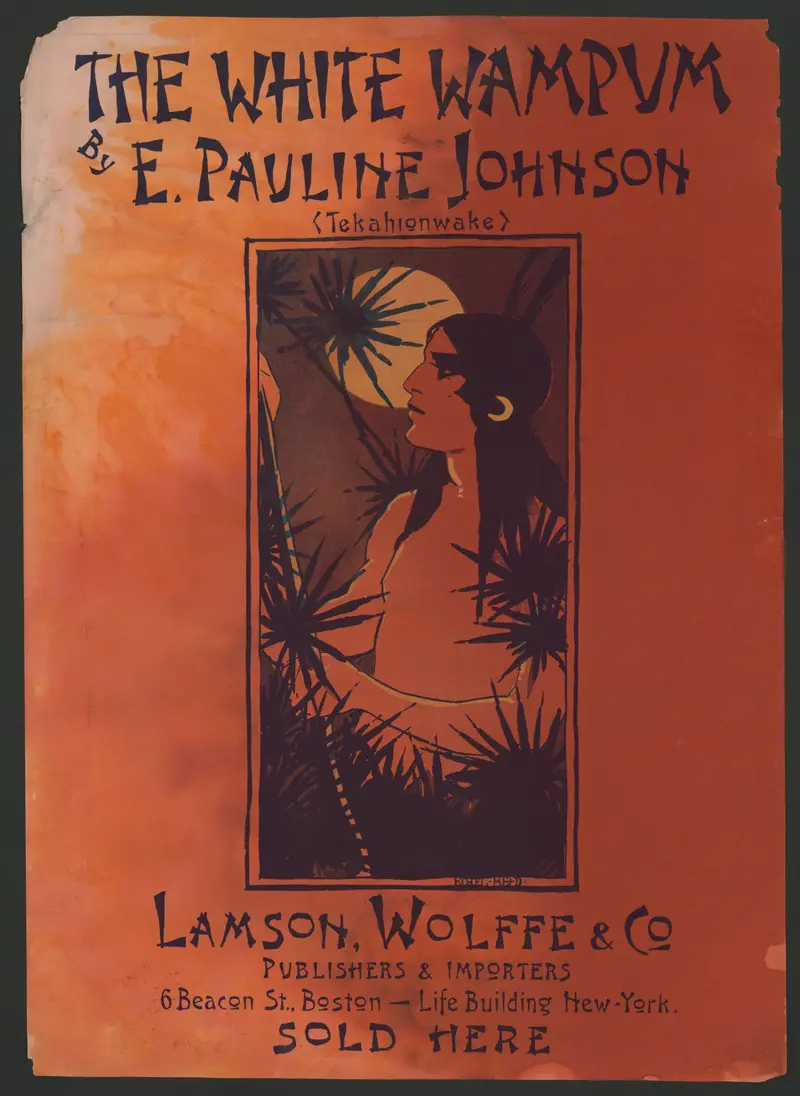
The White Wampum
Ethel Reed
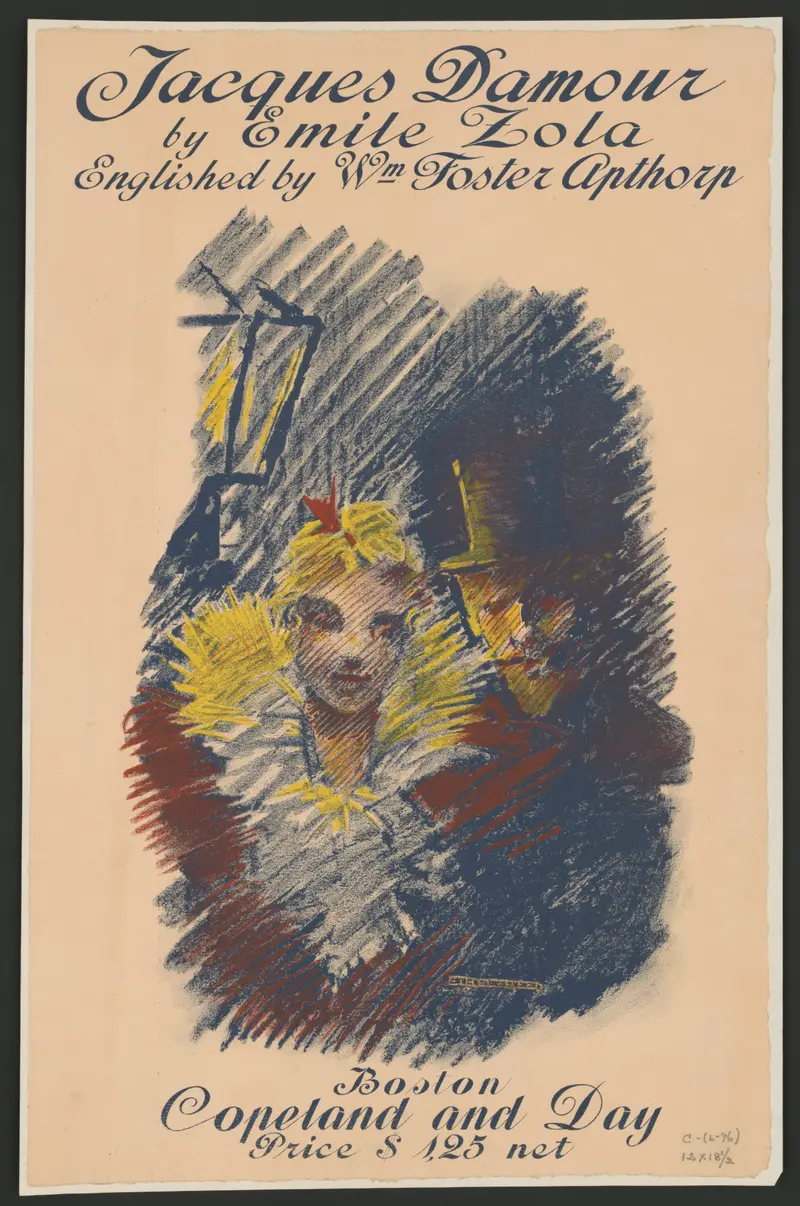
Jacques Damour
Ethel Reed
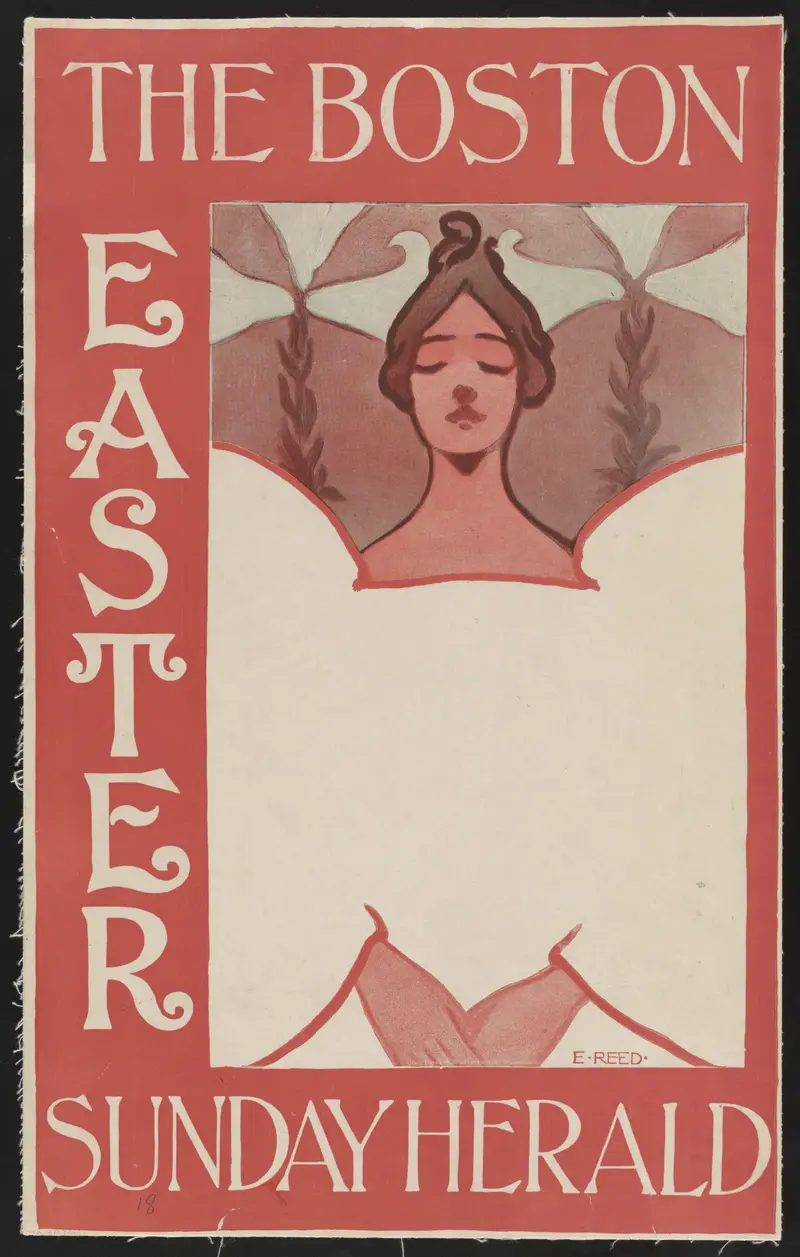
The Boston Sunday Herald: Easter
Ethel Reed
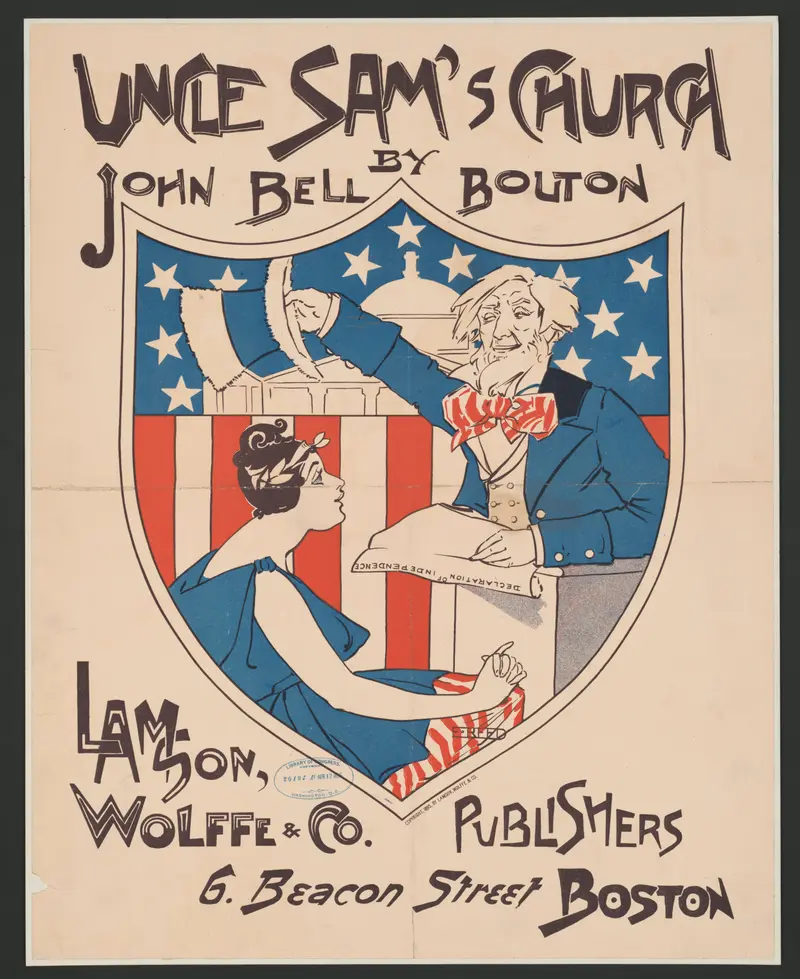
Uncle Sam's Church
Ethel Reed
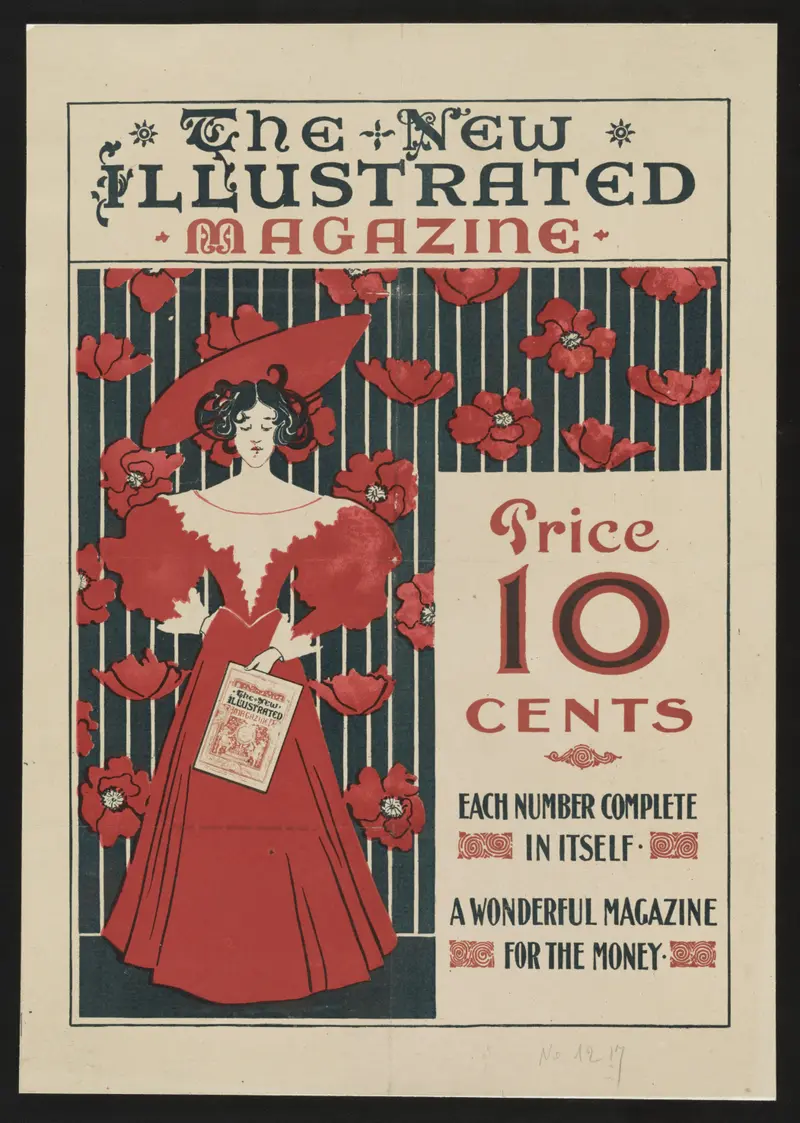
The New Illustrated Magazine
Ethel Reed
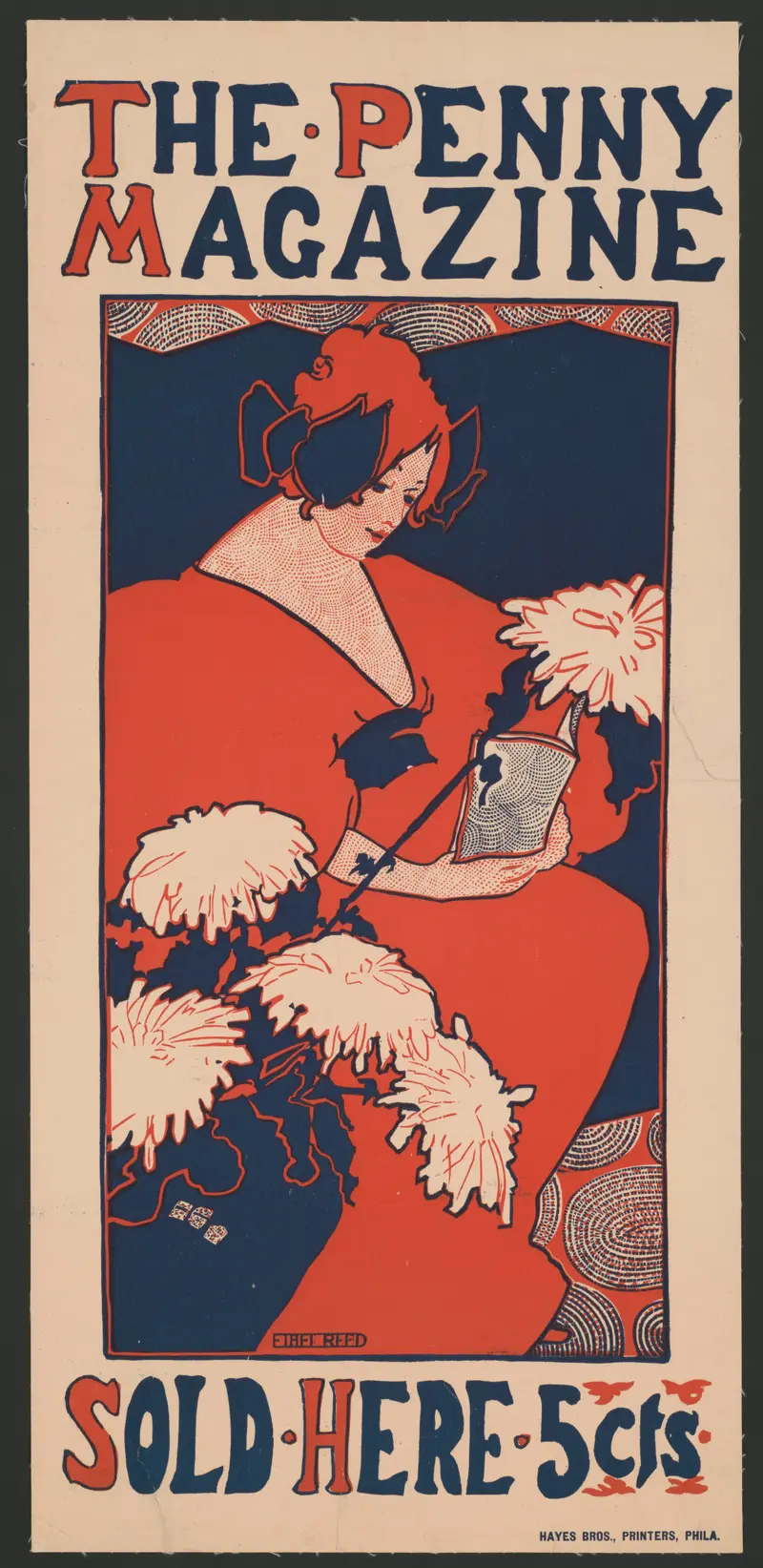
The Penny Magazine
Ethel Reed
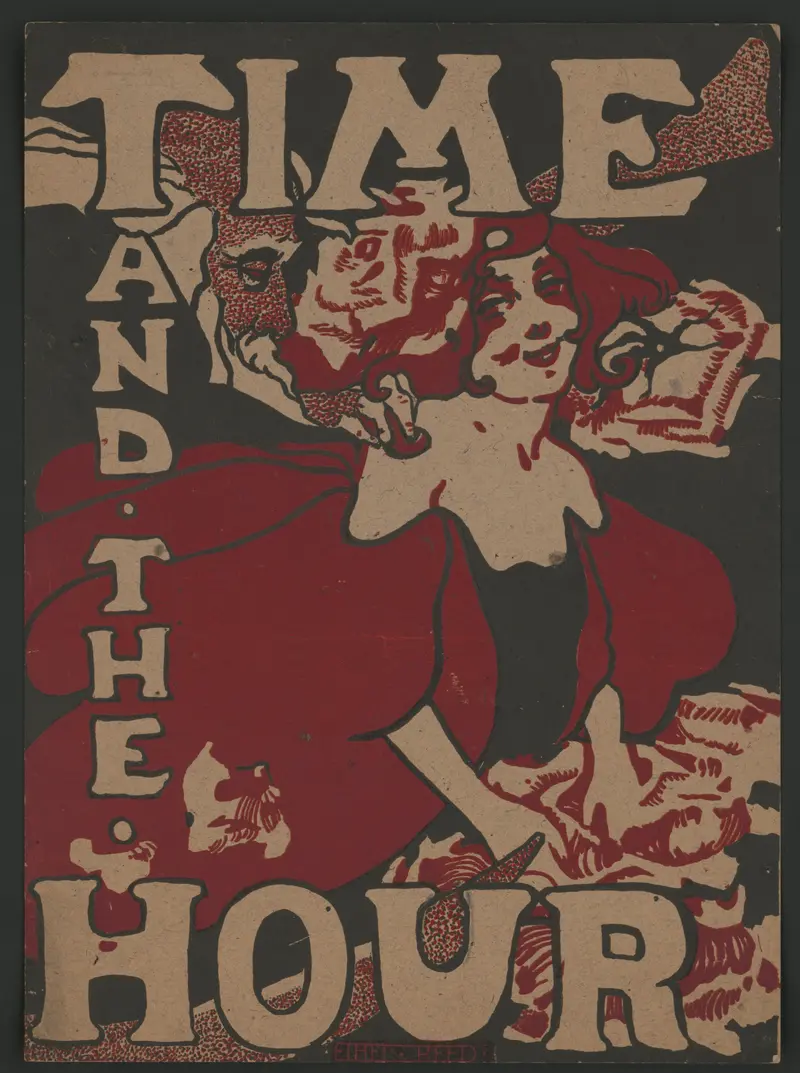
Time and the Hour
Ethel Reed
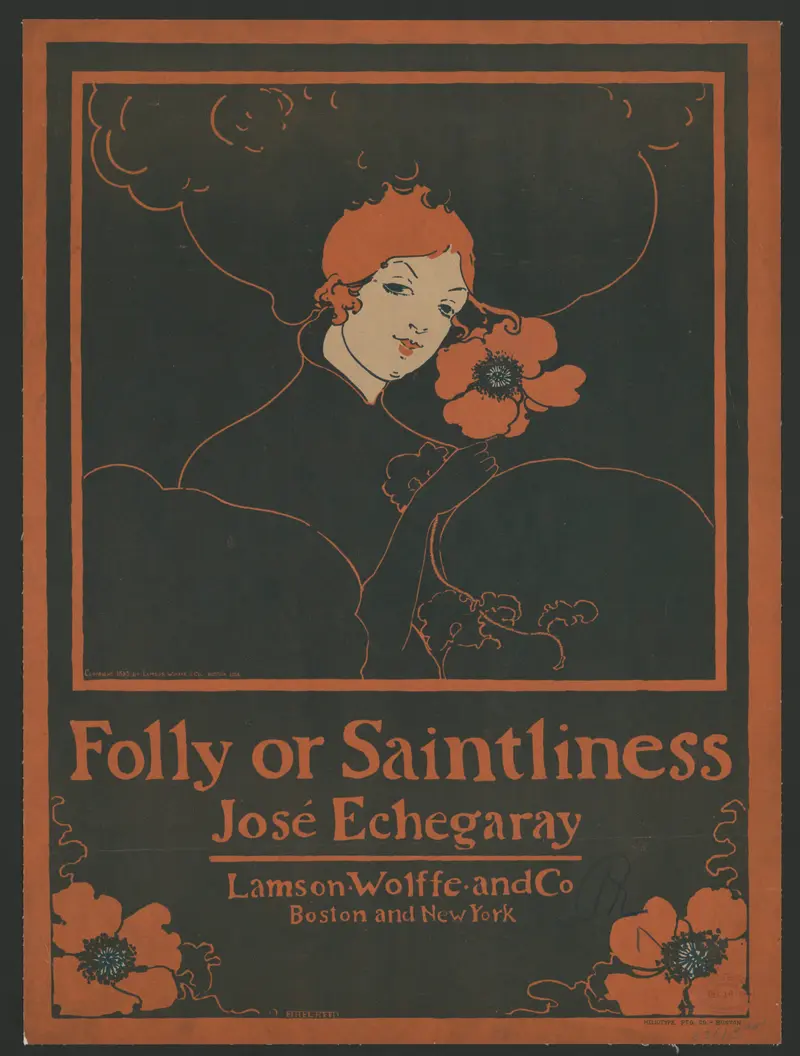
Folly or Saintliness
Ethel Reed
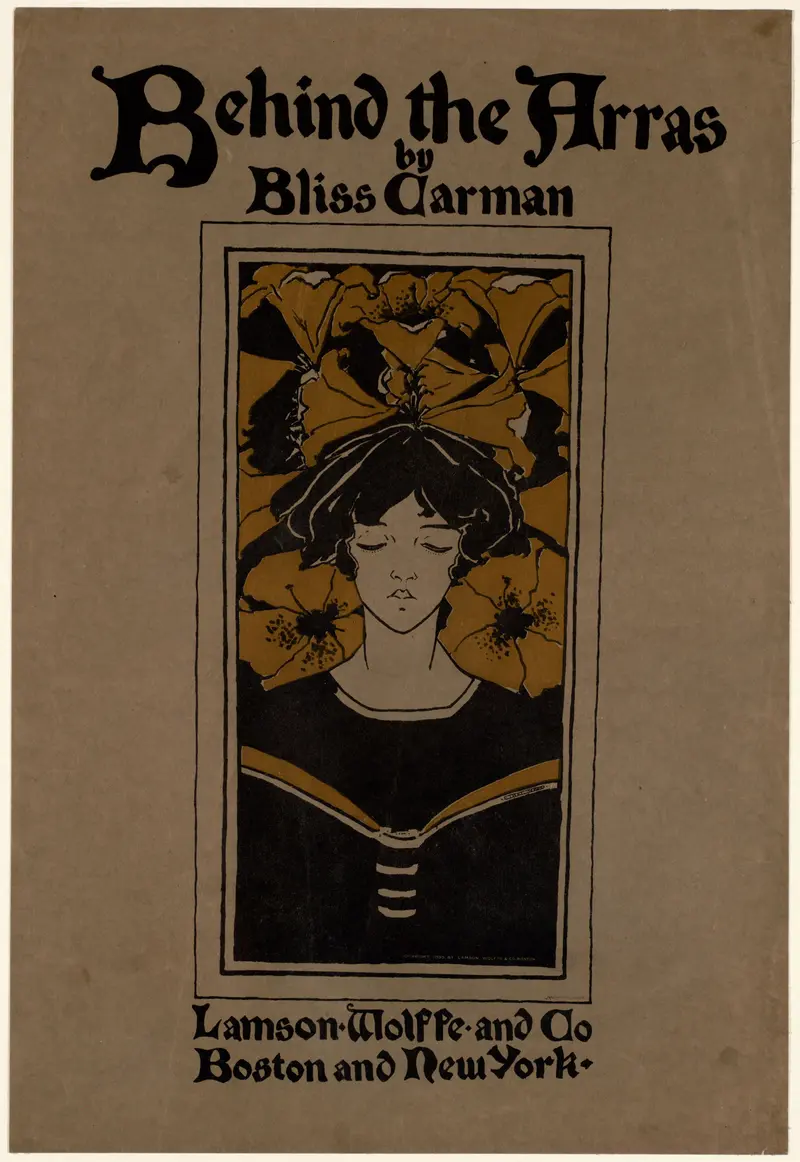
Behind the Arras
Ethel Reed
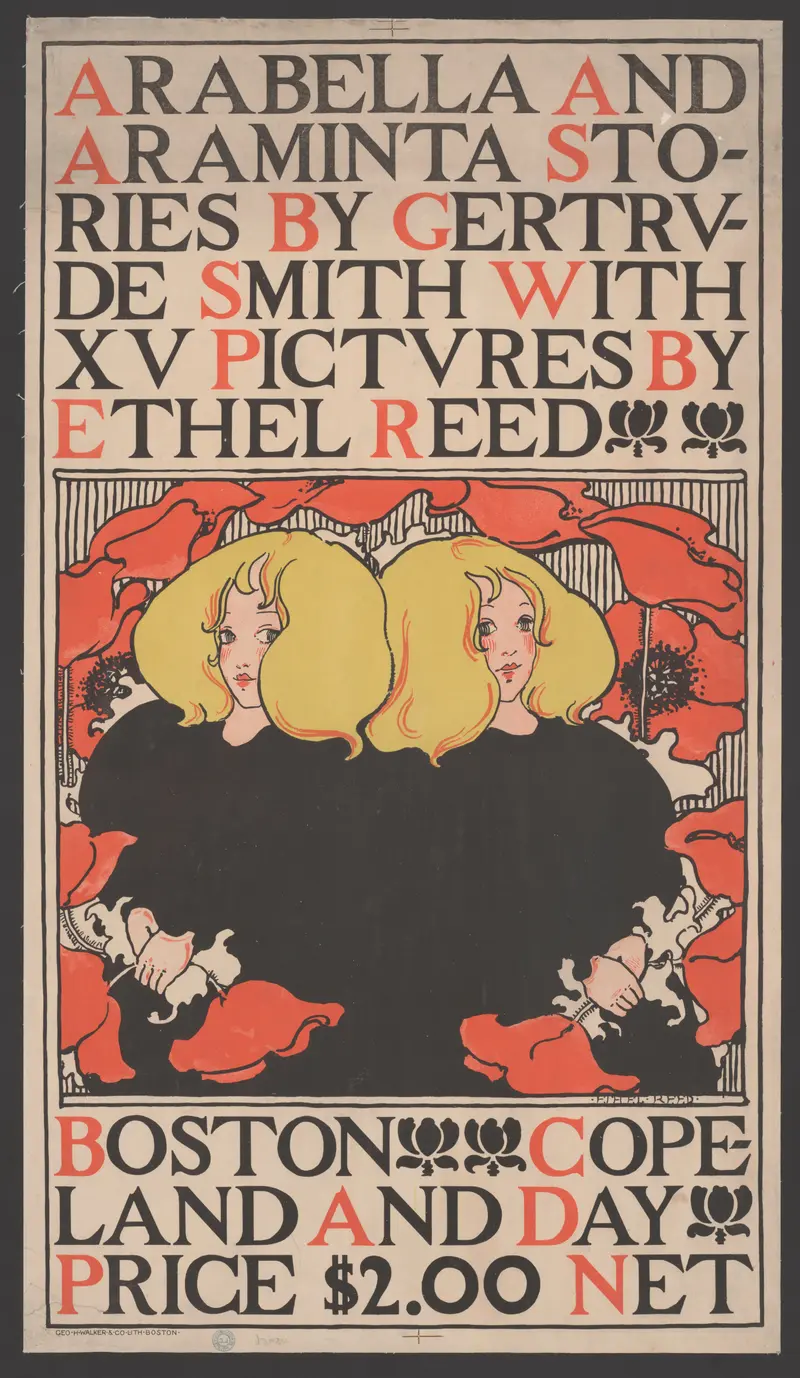
Arabella and Araminta Stories
Ethel Reed





