The Rain Shower — History & Facts
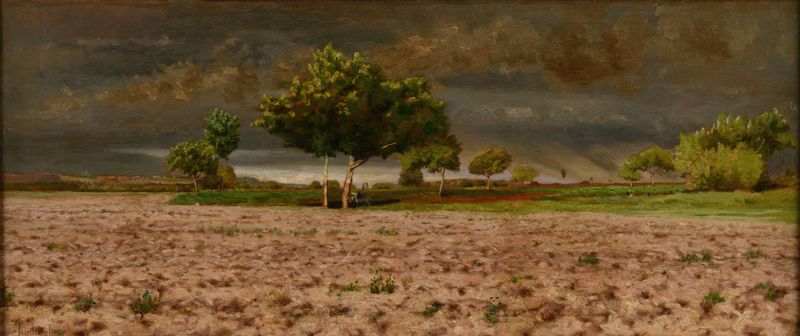
This unfinished thought resonates deeply within the melancholic depths of our most intimate experiences. It stirs a longing for connection and understanding amid the chaos of existence. Look to the left, where a delicate play of light filters through the foliage, illuminating the scene with a soft, almost ethereal glow. The gentle hues of green and blue create a tranquil backdrop as raindrops, painted with meticulous care, cling to tree leaves like pearls yearning to fall.
The overall composition invites the viewer to pause, encouraging reflection as each stroke captures a fleeting moment suspended in time. Notice the contrast between the vibrant splashes of color and the subdued tones that suggest the weight of the atmosphere. This duality speaks to the emotional tension inherent in the scene, where nature’s beauty is tinged with an underlying sadness, echoing the complexity of human emotions. The interplay of light and shadow reveals not just a rainy moment but a deeper narrative about solitude, longing, and the quiet resonance of life that often goes unnoticed. Antoine Chintreuil painted this work in 1868, during a period marked by his exploration of naturalism and chromatic expression.
Living in France, Chintreuil was influenced by the burgeoning Impressionist movement, which sought to capture light and atmosphere with innovative techniques. At this time, he was immersed in nature, reflecting on its power to evoke profound emotional responses, which he skillfully translates onto the canvas in The Rain Shower.