Discover insights about this artwork
The raising of Lazarus (after Rembrandt) — History & Facts
In The Raising of Lazarus (after Rembrandt), Vincent van Gogh depicts a powerful biblical scene. The painting is filled with rich colors, primarily deep blues, earthy browns, and vibrant reds. Figures are arranged around the central character, Lazarus, who is being raised from the dead.
The expressions of the onlookers convey a mix of shock and awe. The painting is executed in oil on canvas, showcasing van Gogh's characteristic brushwork. The texture is thick and expressive, with visible strokes that add depth to the figures and setting. The composition draws the viewer's eye towards Lazarus, emphasizing his resurrection.
The use of light and shadow creates a dramatic atmosphere. Vincent van Gogh created this work in the late 1880s, inspired by Rembrandt's earlier depiction of the same biblical story. This painting reflects van Gogh's fascination with religious themes and his desire to convey emotion through color and form. Interestingly, this piece is part of a series where van Gogh explored the theme of resurrection.
It showcases his unique interpretation of a classic subject.
More Artworks by Vincent van Gogh
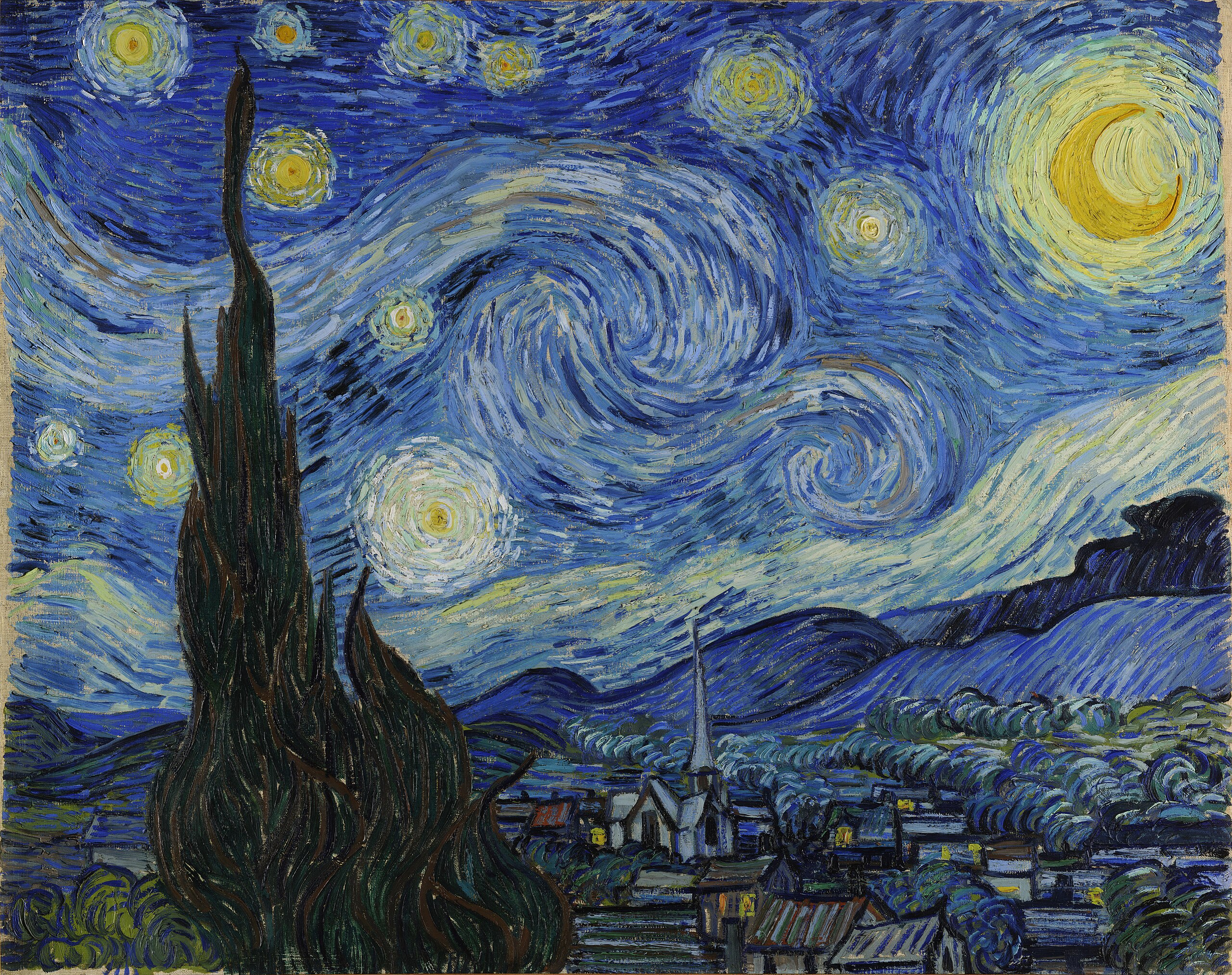
Starry Night
Vincent van Gogh
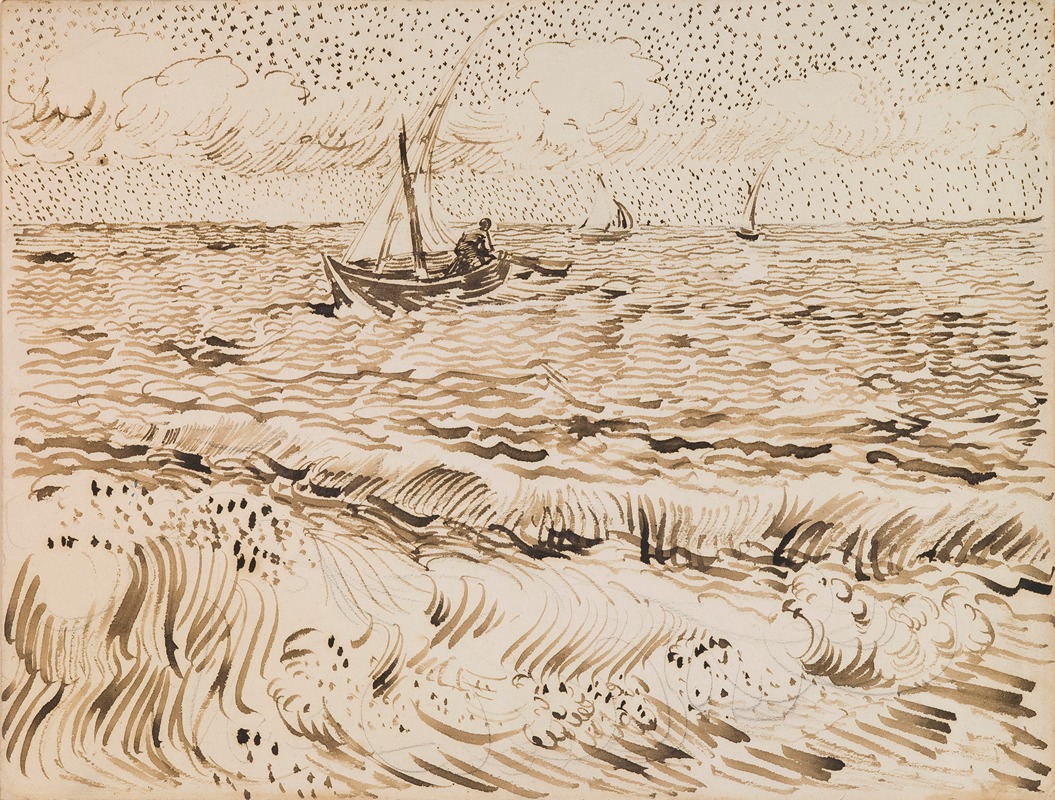
Fishing Boats at Saintes-Maries-de-la-Mer
Vincent van Gogh
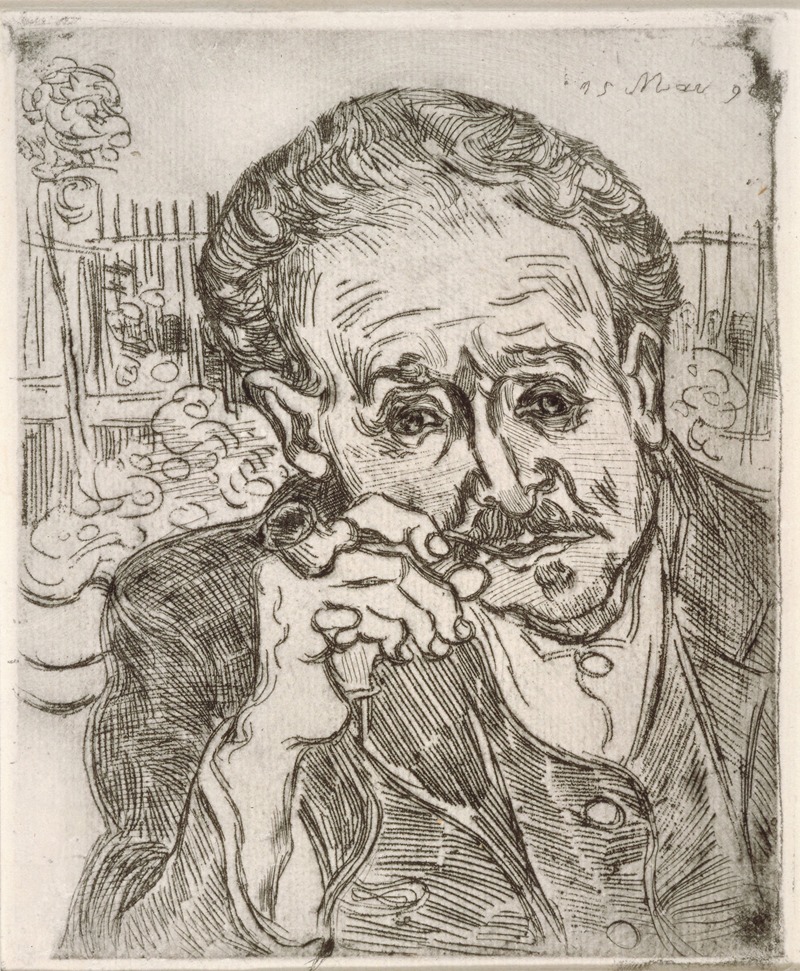
Portrait of Dr. Gachet (Auvers-sur-Oise)
Vincent van Gogh
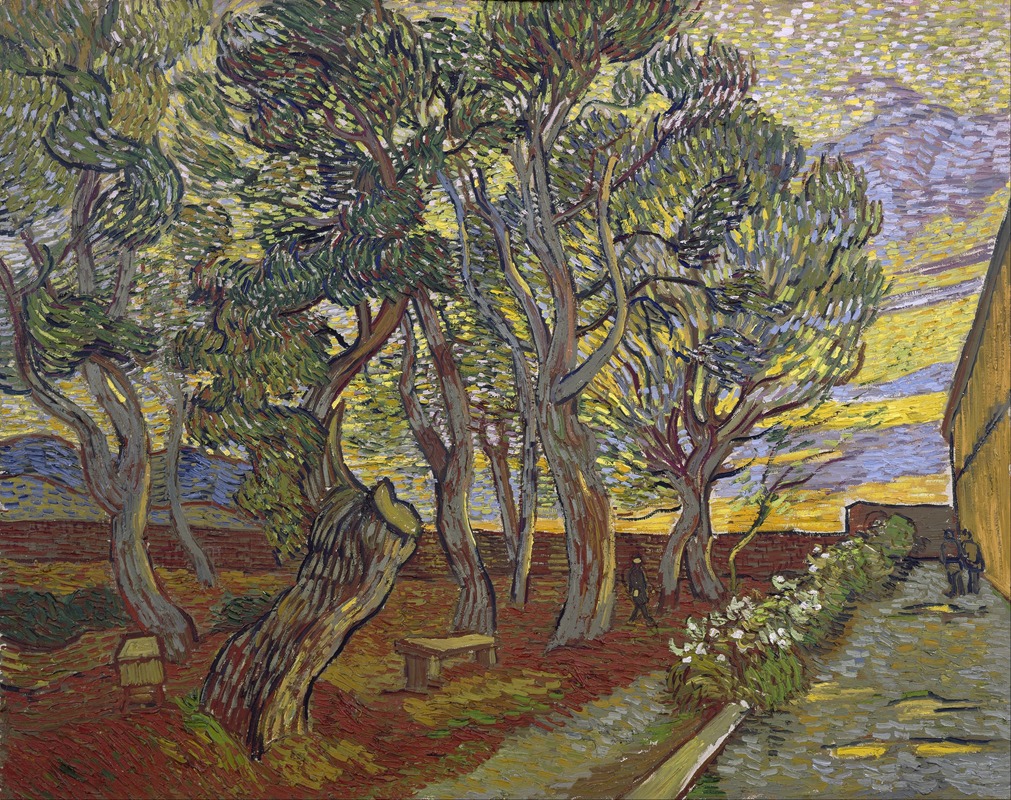
The garden of Saint Paul’s Hospital
Vincent van Gogh
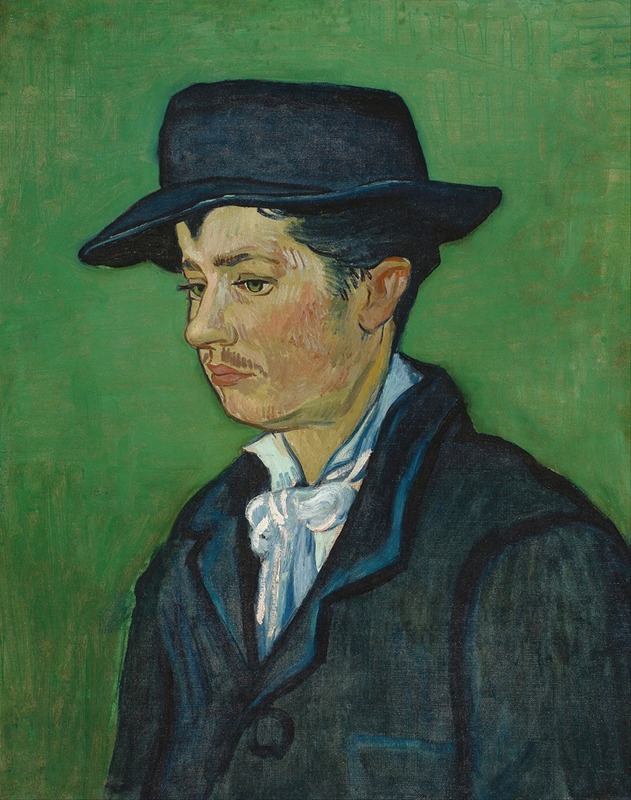
Portrait Of Armand Roulin
Vincent van Gogh
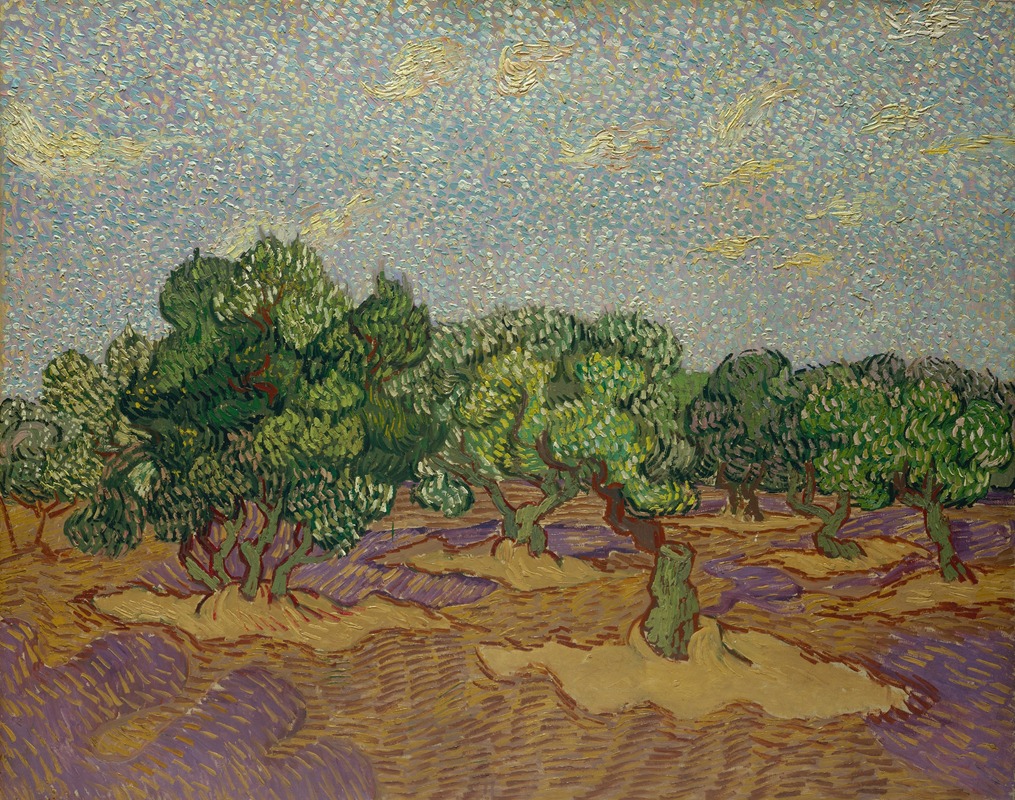
Olive Trees
Vincent van Gogh
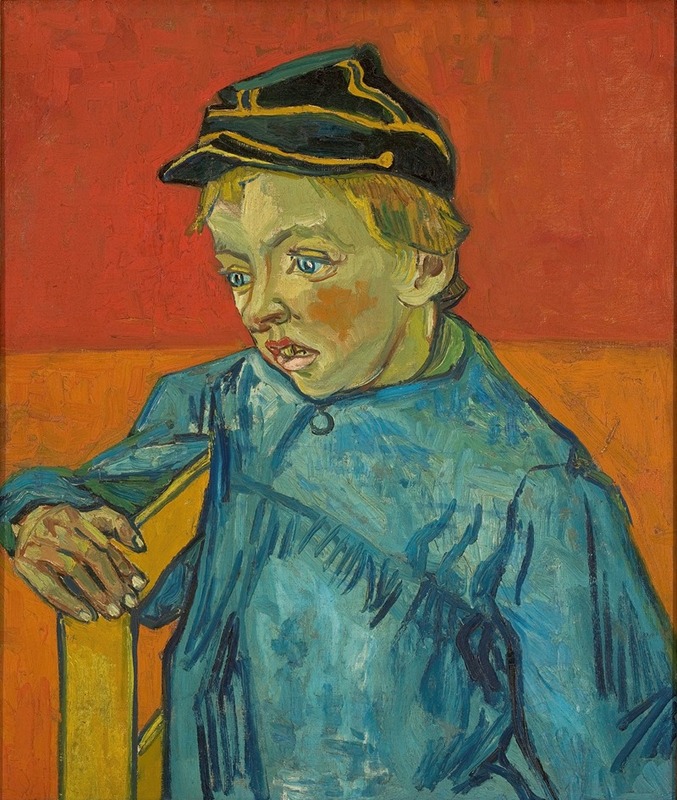
The Schoolboy (Camille Roulin)
Vincent van Gogh
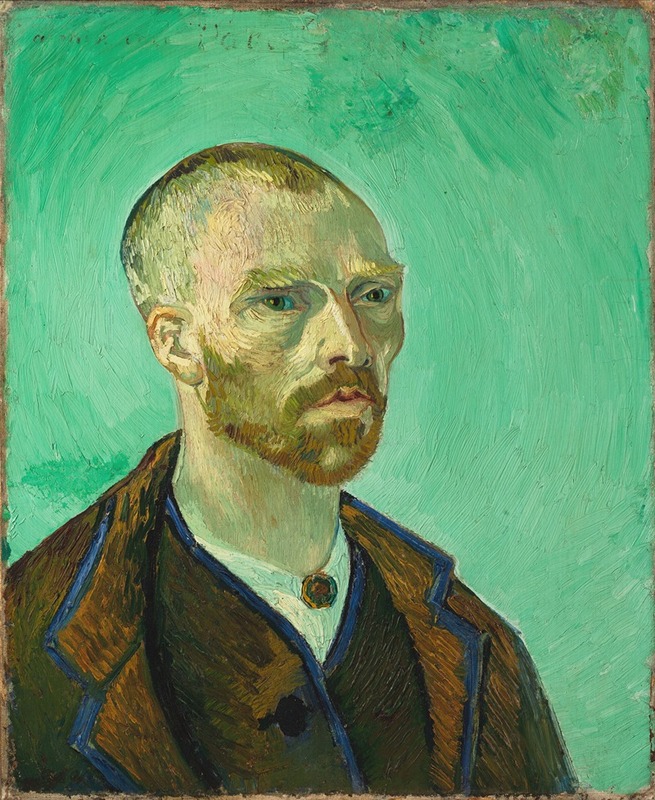
Self Portrait (dedicated to Paul Gauguin)
Vincent van Gogh
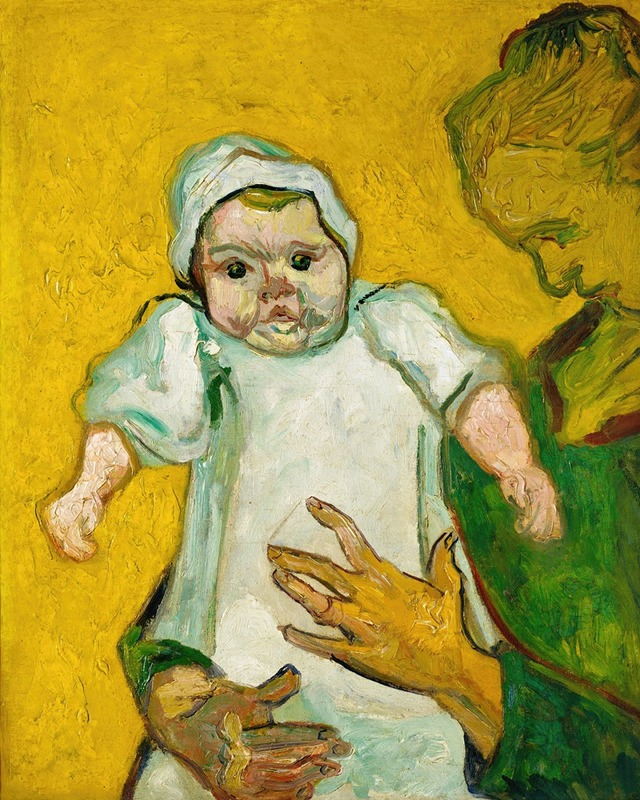
Madame Roulin and Her Baby
Vincent van Gogh
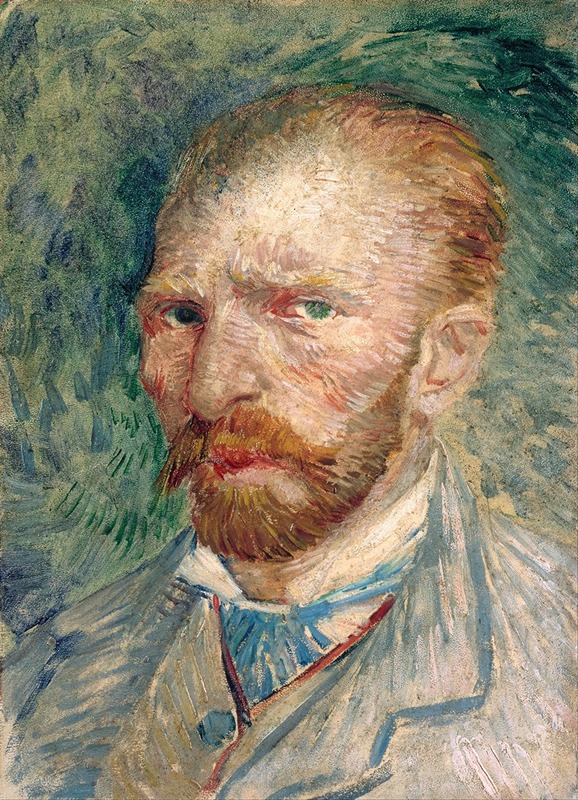
Self-Portrait
Vincent van Gogh