
The Raising of Lazarus — History & Facts
In The Raising of Lazarus, Guercino presents a vivid scene filled with dramatic colors. The painting features Lazarus emerging from his tomb, surrounded by a crowd of astonished figures. The use of light and shadow adds depth to the composition, enhancing the emotional impact.
The rich palette includes deep reds, bright whites, and earthy tones, creating a striking visual contrast. This artwork is executed in oil on canvas, a common medium for the Baroque period. The dimensions are approximately 170 x 240 cm, making it a large-scale piece that commands attention. Guercino's technique showcases his skill in rendering human emotions and physical forms with precision.
The dynamic poses of the figures convey a sense of movement and urgency. Guercino, an Italian Baroque painter, was known for his dramatic use of light and color. The Raising of Lazarus is one of his notable works, completed in the 1620s. An interesting fact about this painting is that it was commissioned by the church, reflecting the importance of religious themes in his oeuvre.
This work exemplifies the emotional intensity characteristic of Baroque art.
More Artworks by Guercino

The Entombment
Guercino
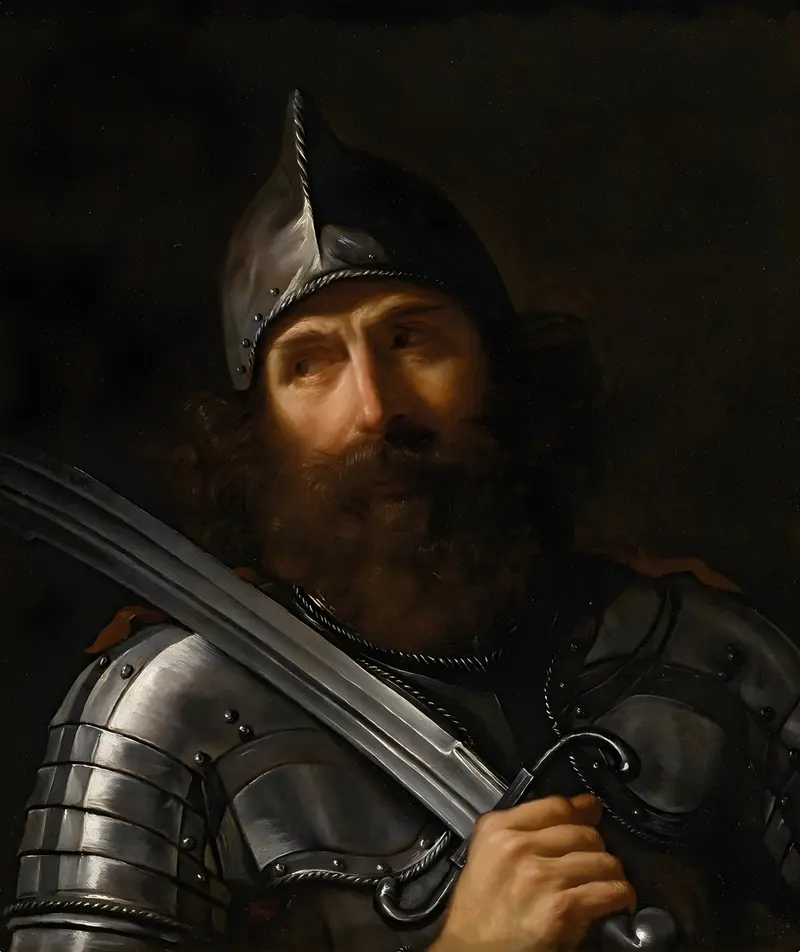
Mars
Guercino
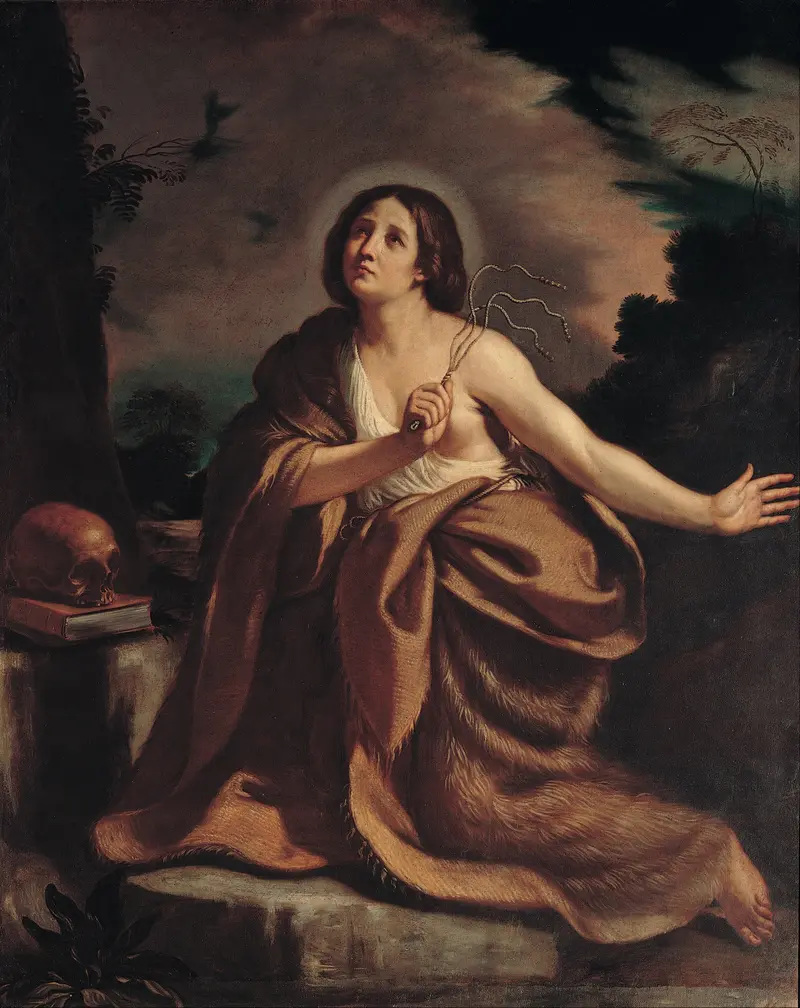
Penitent Magdalene
Guercino
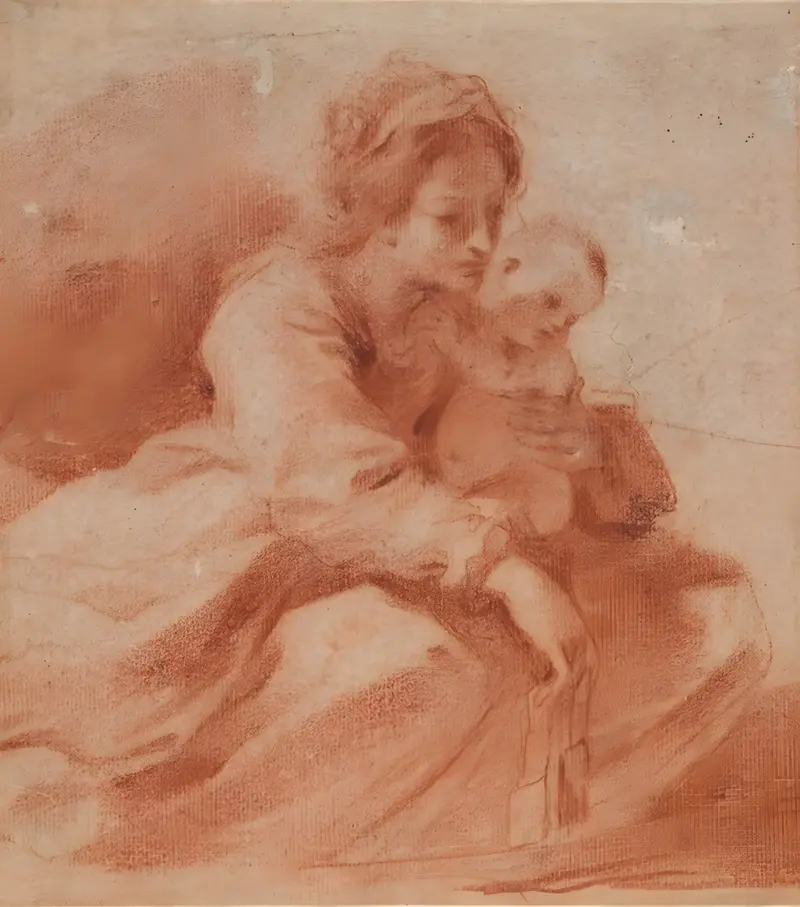
The Virgin and Child (for the Madonna del Carmine Presenting a Scapular to a Carmelite, in Cento’s Pinacoteca Civica, c.1615)
Guercino
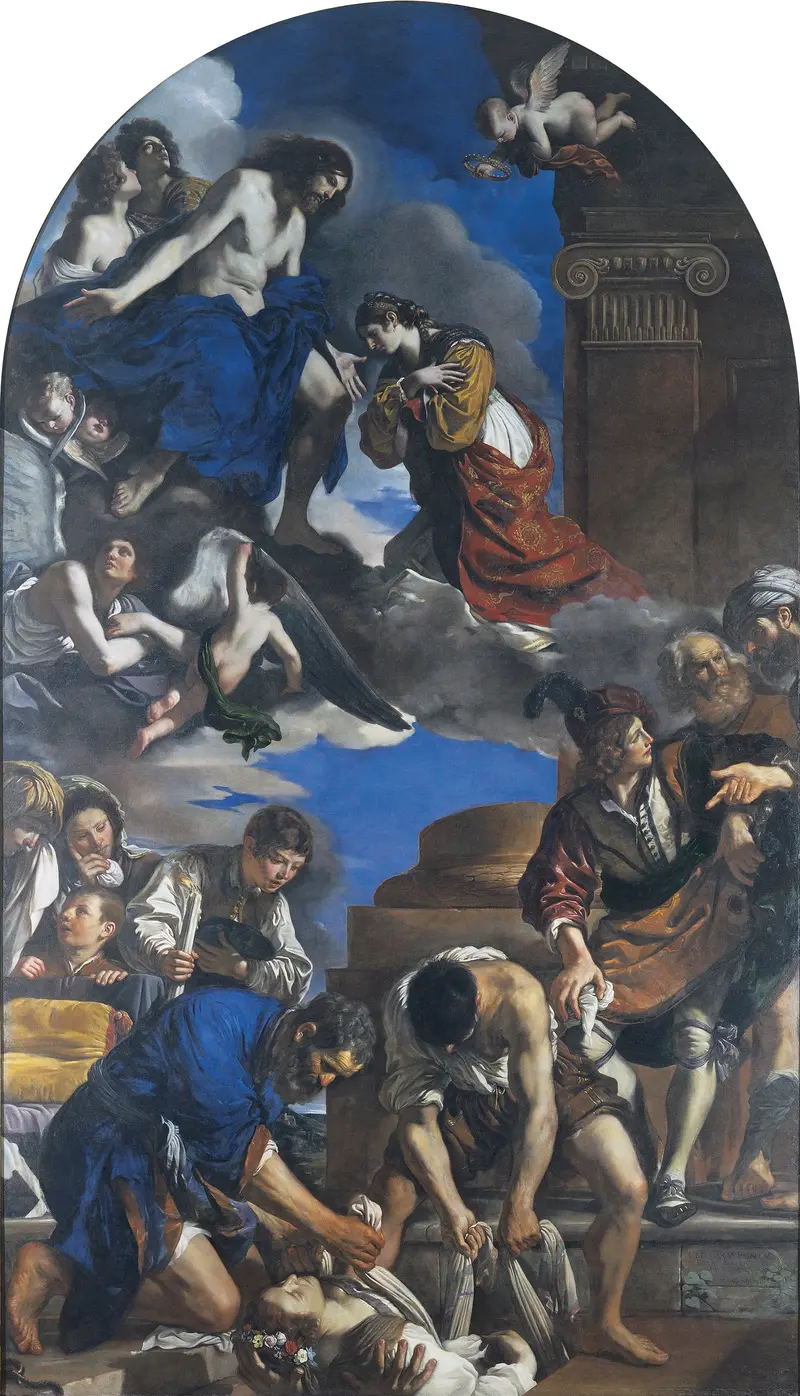
Burial of Saint Petronilla
Guercino
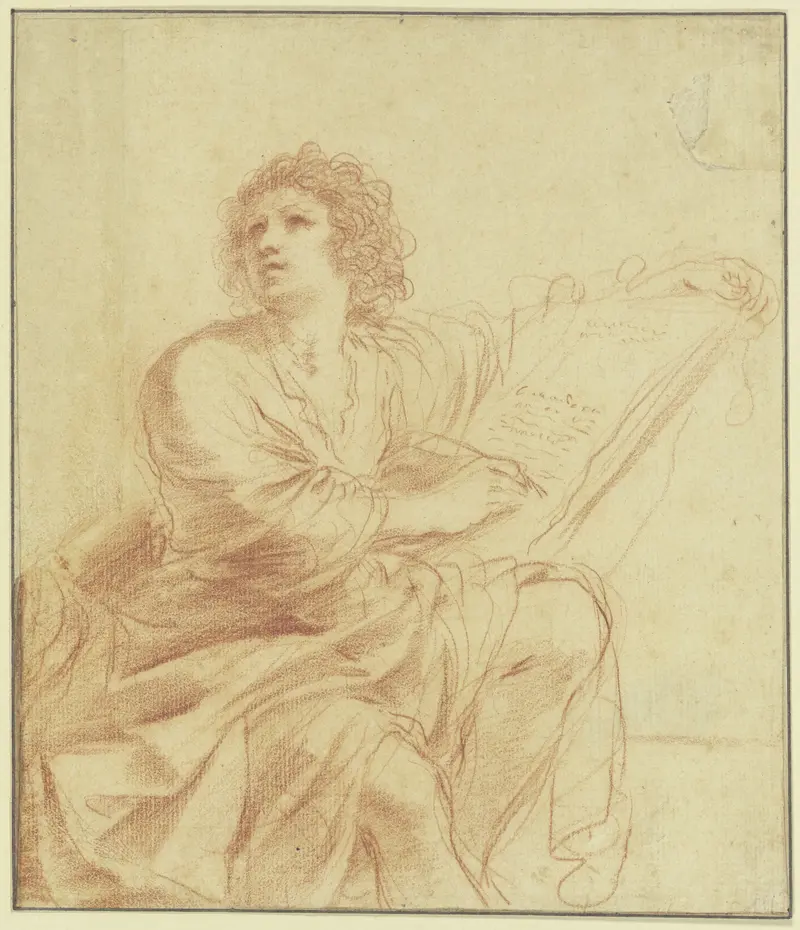
Johannes der Evangelist, sitzend und schreibend
Guercino
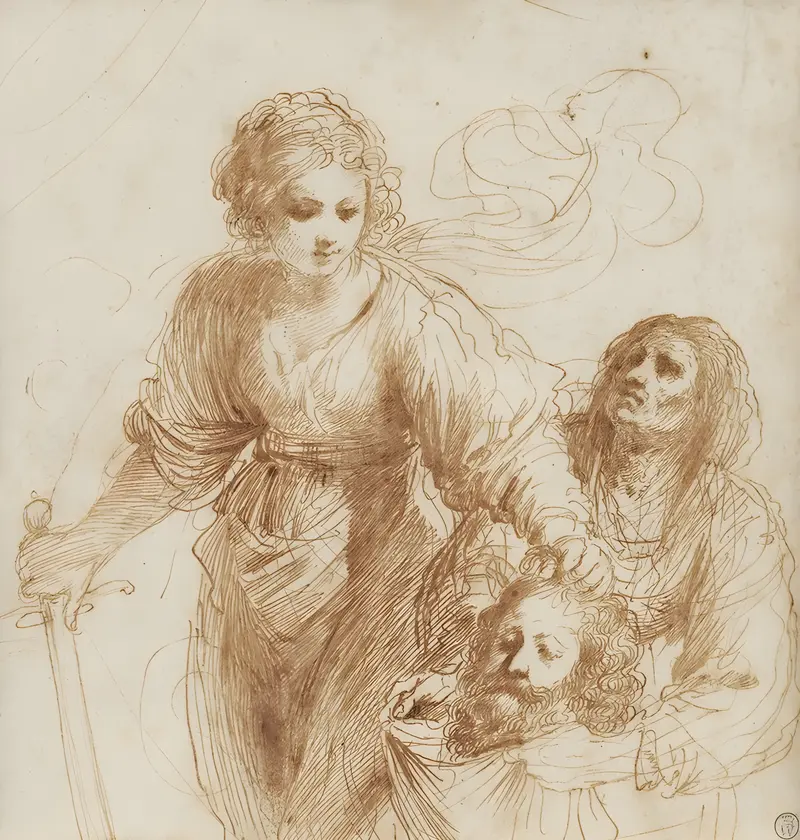
Judith with the Head of Holofernes
Guercino
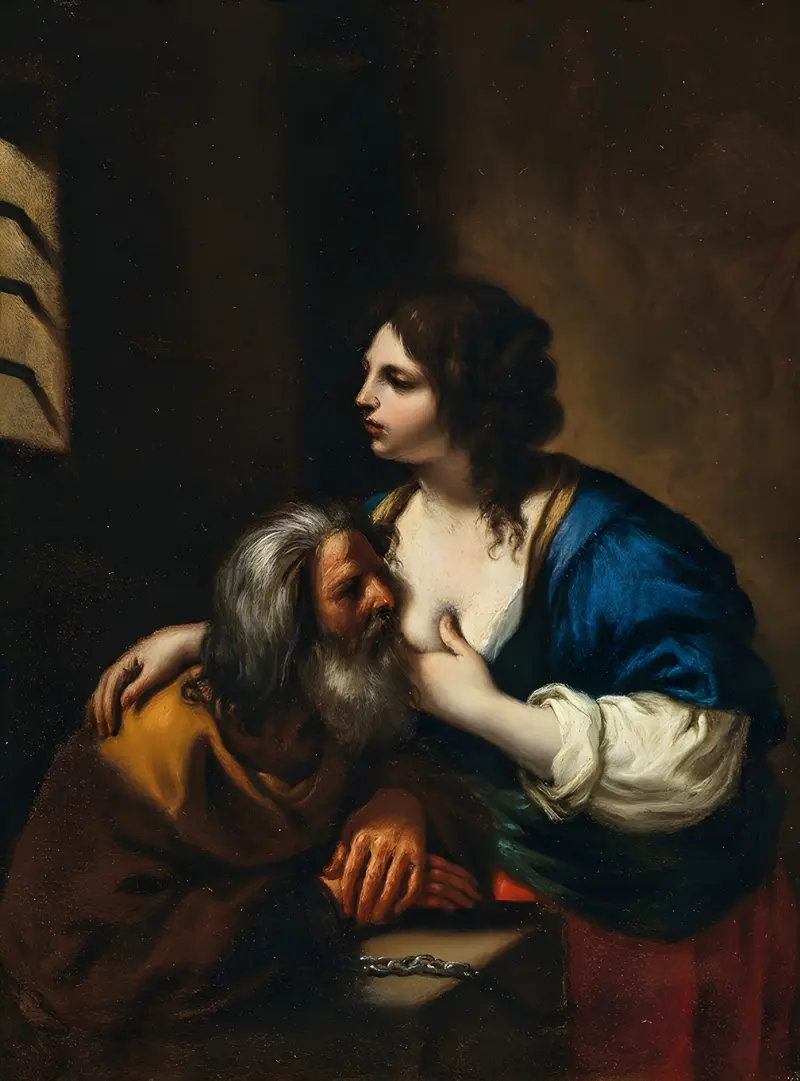
Caritas Romana
Guercino
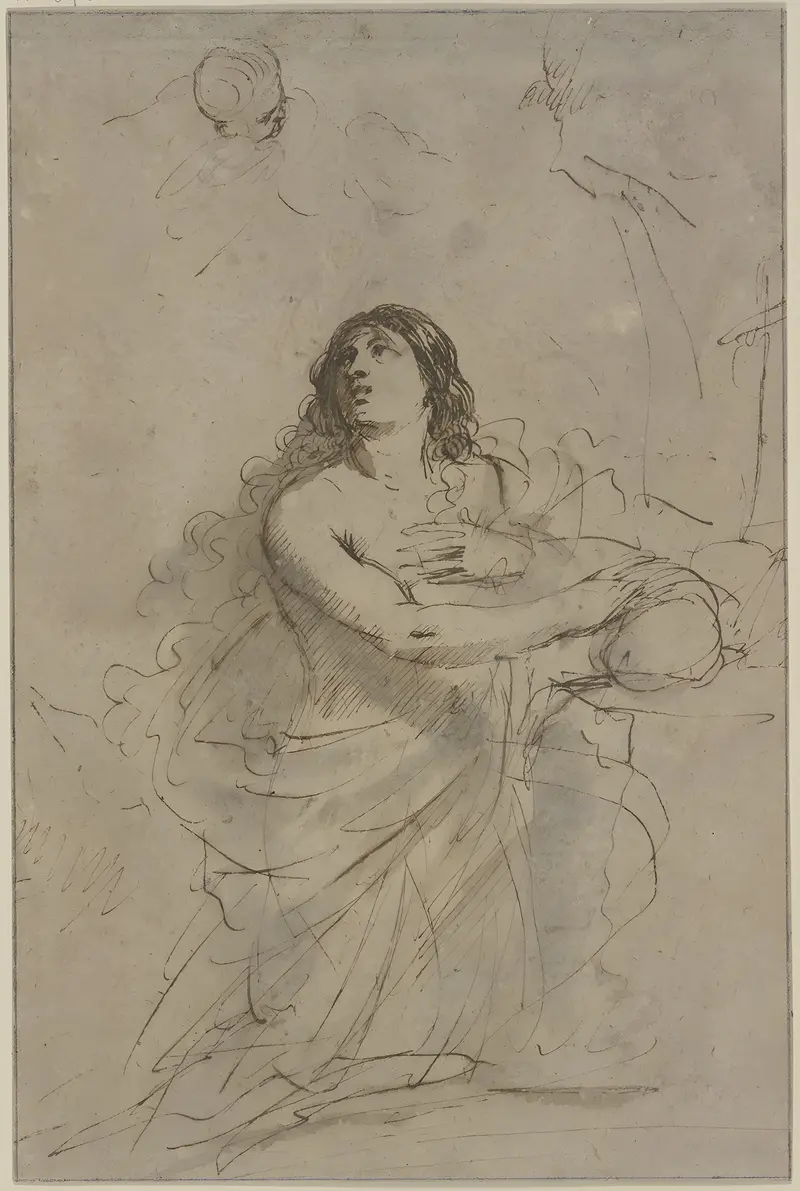
Atoning Magdalene
Guercino
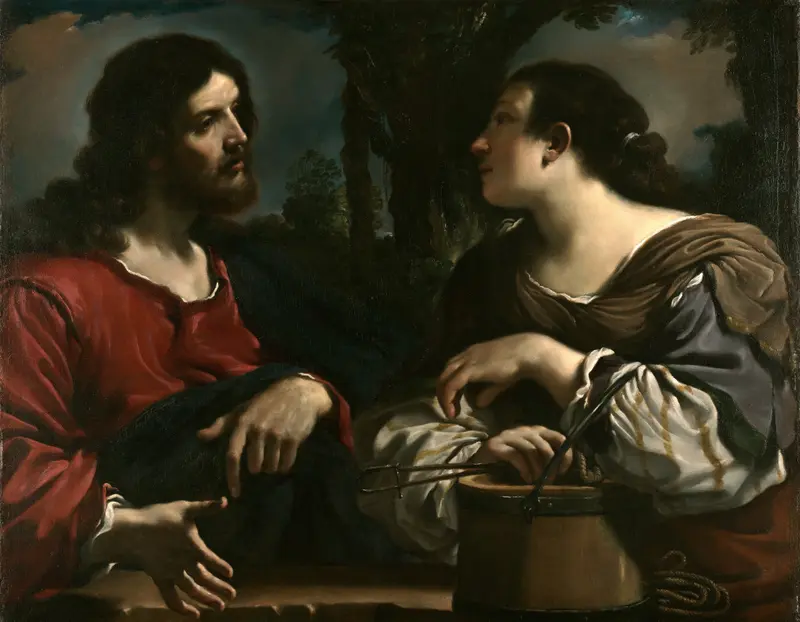
Christ And The Woman Of Samaria
Guercino





