
The Rädelseer Gate in Iphoven — History & Facts
Could a single brushstroke hold eternity? In the quiet solitude of the canvas, there exists a void filled with possibility and reflection. Focus on the delicate archway that stands at the center of this work, a gateway between worlds. Notice how the muted colors of the surrounding landscape—soft grays and gentle greens—contrast with the starkness of the gate itself, drawing your eye to its enigmatic shape. The light filters through the open space, emphasizing the texture of the brushstrokes that frame the entry, creating a tension between the solid structure and the ethereal light that suggests an invitation to an unseen realm. As you explore the edges of the canvas, the subtle play of shadows hints at forgotten stories and untraveled paths.
The absence of figures invites contemplation, leaving the viewer to ponder what lies beyond the gate. This sense of emptiness is profound; it evokes the tension between presence and absence, suggesting that the void can be as rich in meaning as filled spaces. Here, silence speaks, and the unfilled moments resonate with the weight of choice—a haunting reminder of the roads not taken. Eduard Zetsche created this work during an unrecorded period of his life, likely in the late 19th century.
He was influenced by the Romantic movement, focusing on the interplay of nature and human emotions. At this time, artists were increasingly exploring themes of isolation and introspection, reflecting broader societal shifts. This piece captures the essence of that exploration, melding his artistic vision with a universal contemplation of existence.
More Artworks by Eduard Zetsche
Browse all →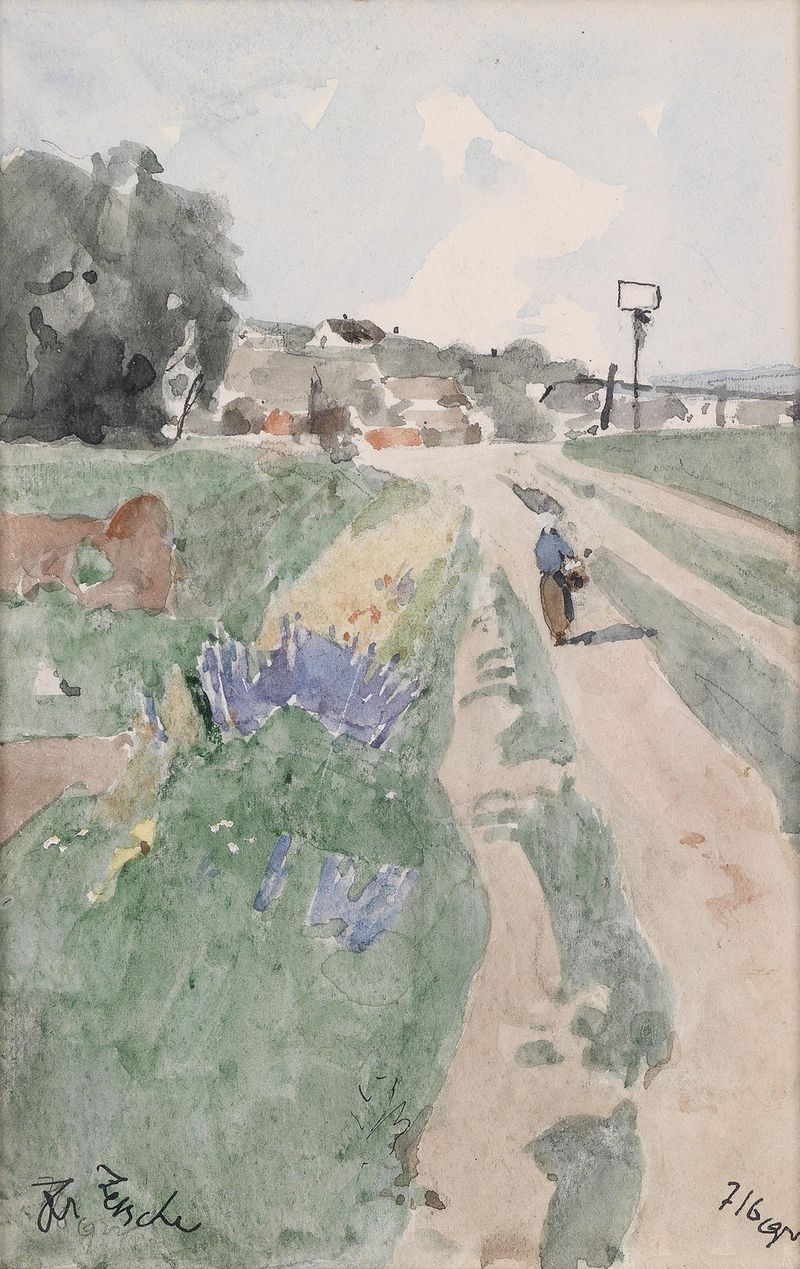
Weg bei Hadersdorf
Eduard Zetsche
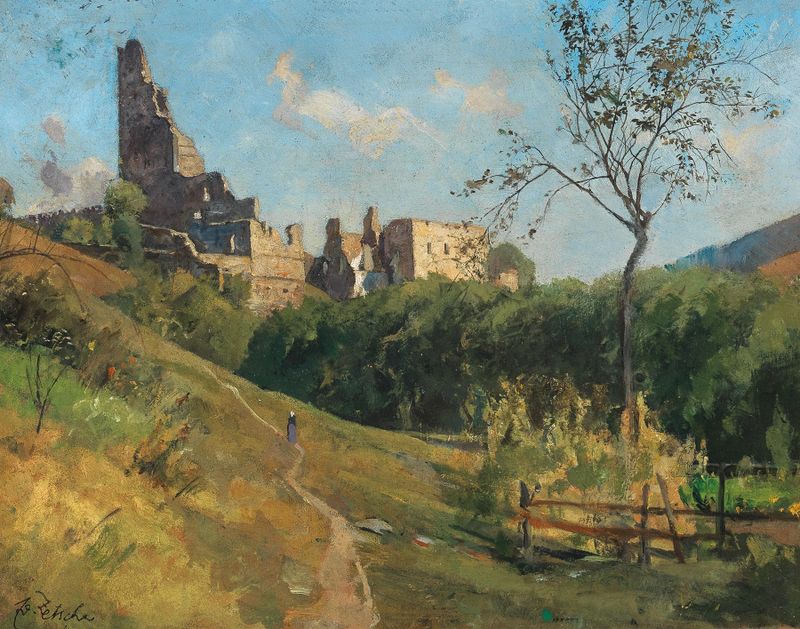
Ruins in the Wachau region
Eduard Zetsche
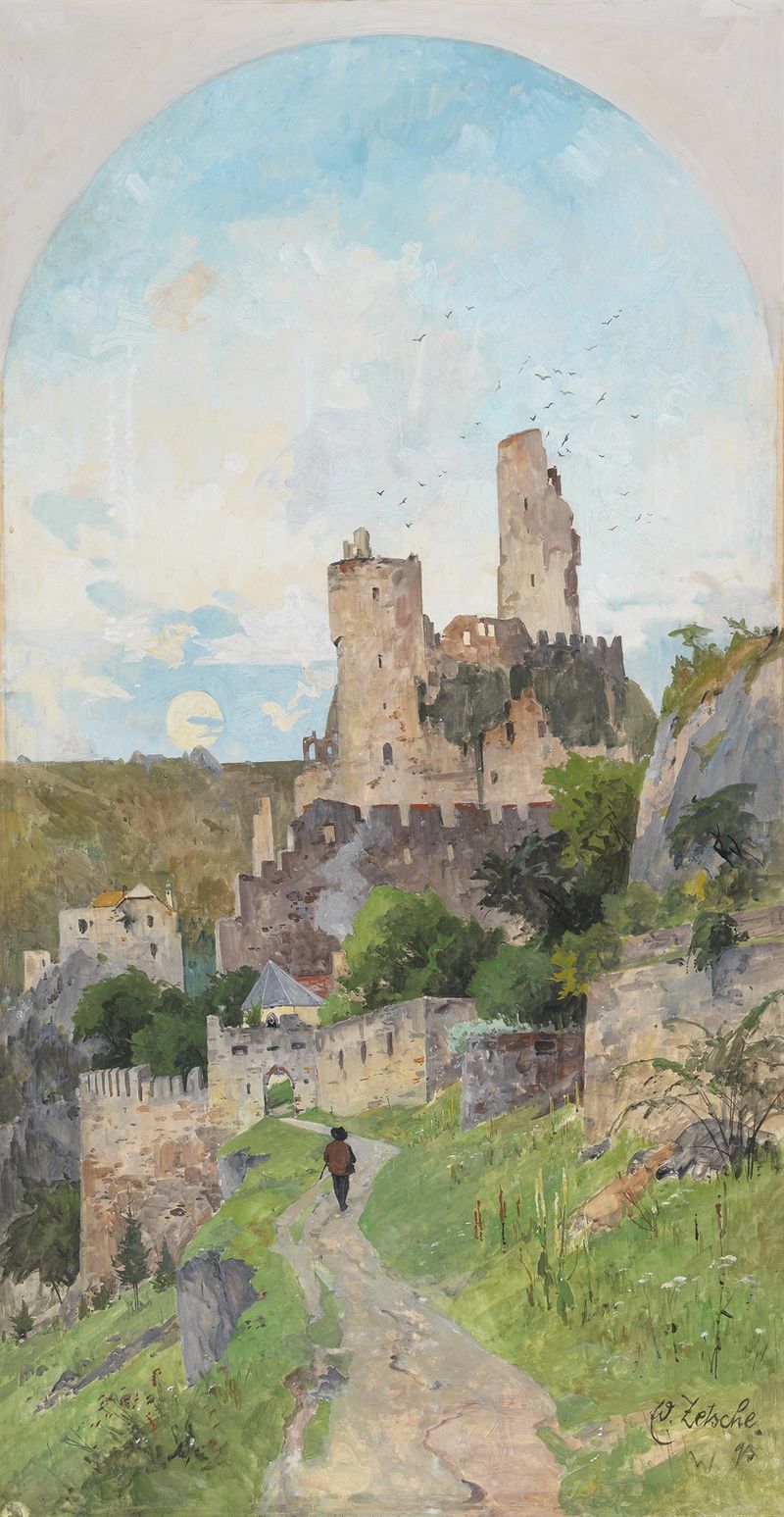
Blick auf die Ruine Dürnstein
Eduard Zetsche
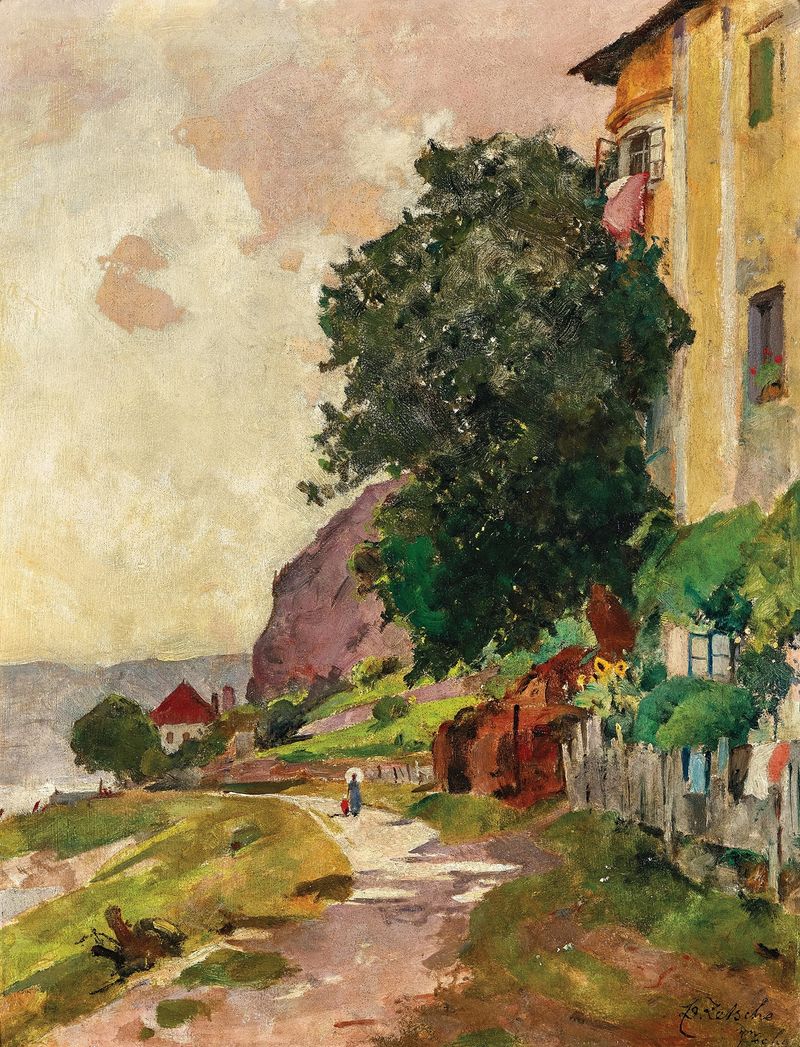
Beim Förthof, Ramsau
Eduard Zetsche
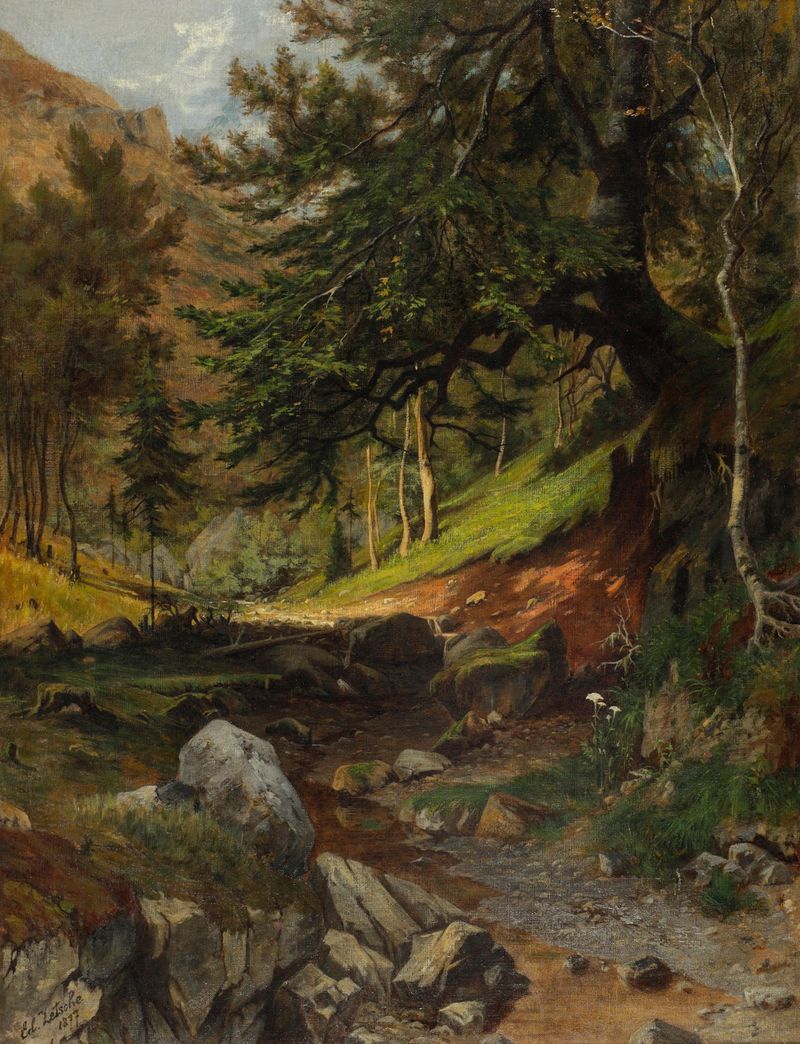
Waldpartie mit Bachlauf
Eduard Zetsche
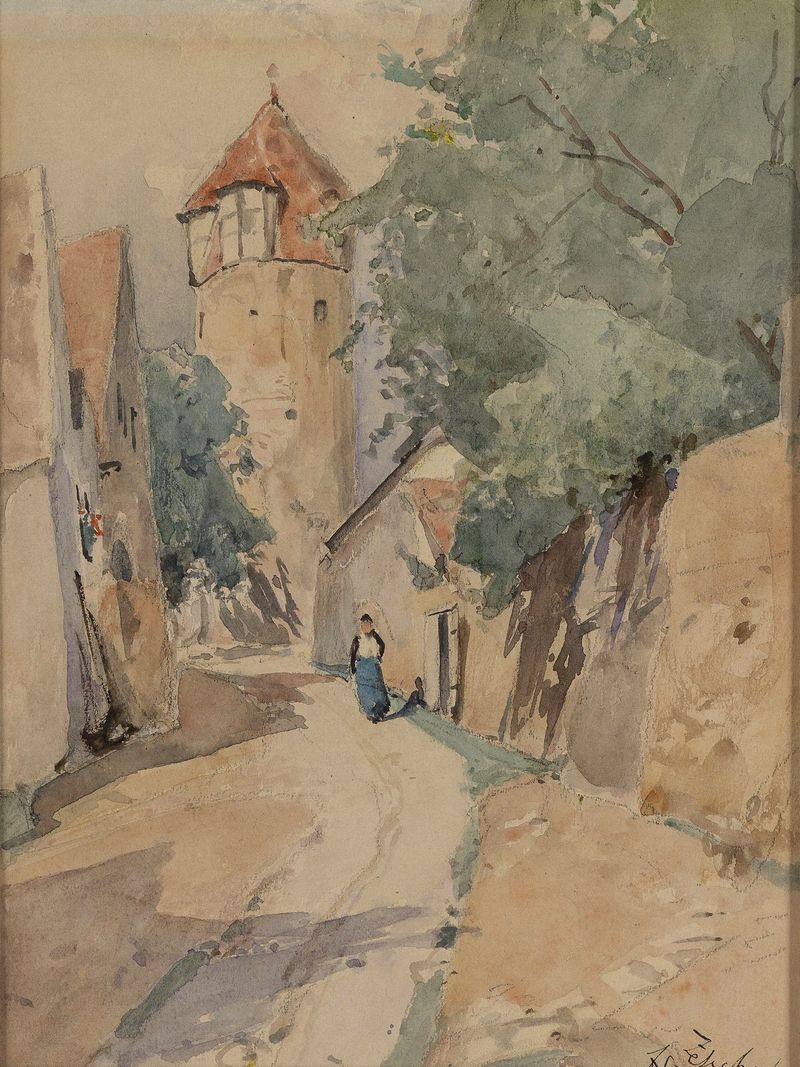
Sulzbach
Eduard Zetsche

Praterpartie
Eduard Zetsche
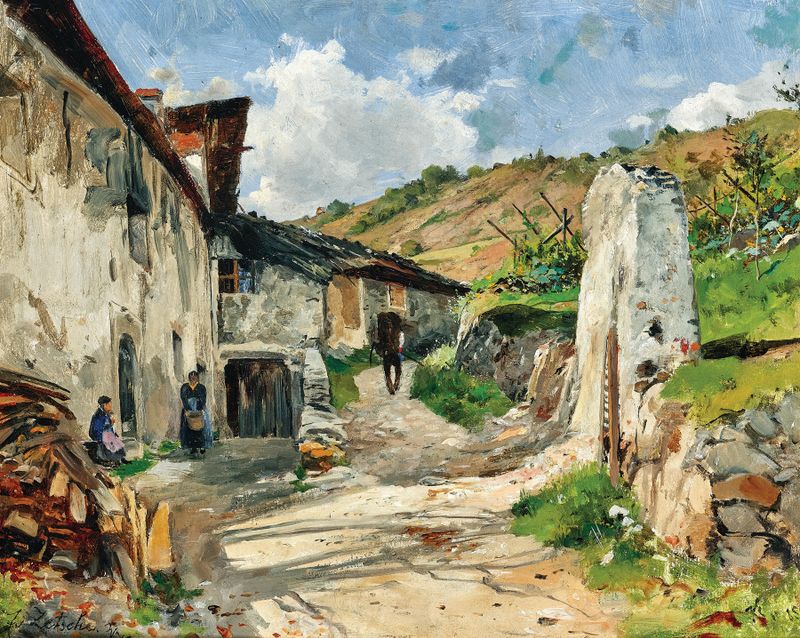
Wachau region, a path to a vineyard near a village
Eduard Zetsche

Motiv bei Lichtenwörth
Eduard Zetsche
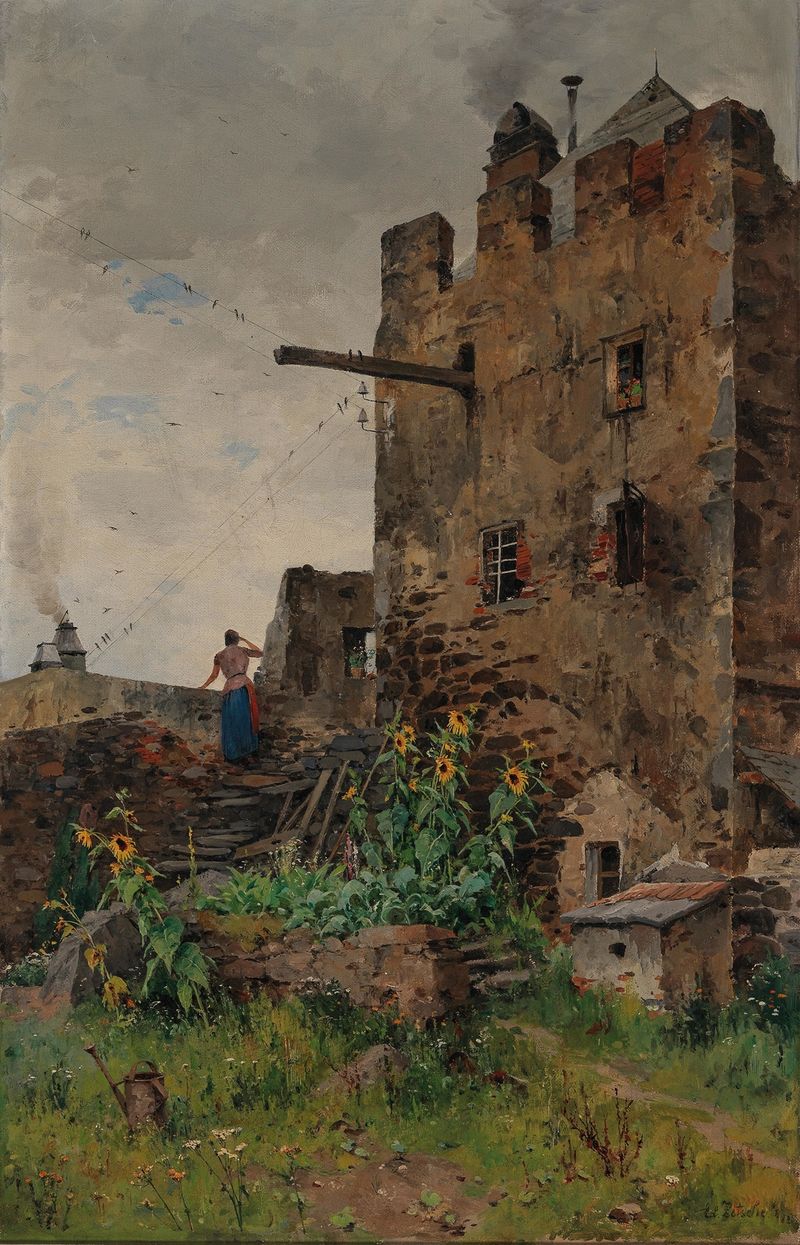
Wachau, Scene of Dürnstein, by the Old Town Wall
Eduard Zetsche
More Architecture Art
Browse all →
The statue of Liberty
Frédéric Auguste Bartholdi

View of Houses in Delft, Known as ‘The Little Street’
Johannes Vermeer

View of Houses in Delft, Known as ‘The Little Street’
Johannes Vermeer

The Cathedral in Rouen. The portal, Grey Weather
Claude Monet

The yellow house
Vincent van Gogh

The Church in Auvers-sur-Oise, View from the Chevet
Vincent van Gogh