
The Receding Wave — History & Facts
In the heart of every yearning lies a deep desire to capture the ephemeral, a fleeting moment that transcends time and space. Look to the center where the wave, a magnificent blend of azure and teal, seems to exhale, curling back into the vast expanse of the ocean. Notice the delicate interplay of light and shadow; the sun’s glimmer dances atop the water, rendering the scene both vibrant and serene. The artist employs bold brushstrokes to convey the wave’s movement, as if it were not merely water, but a living entity caught in the throes of nature’s rhythm.
The horizon, painted in soft pastels, creates a tranquil backdrop that enhances the wave's dynamic presence. Amidst the wave’s retreat lies a subtle commentary on transience, captured in the delicate foamy edges that hint at what has been lost. The juxtaposition of the energetic wave against the stillness of the ocean invites contemplation on the nature of change and impermanence. This emotional tension resonates with the viewer, invoking a sense of nostalgia for moments that slip away just as swiftly as they arrive; it is nature's poignant reminder of beauty’s fleeting nature. In 1909, Thomas Moran painted this piece while residing in the United States, at a time when artists were increasingly drawn to the subjects of nature and the American landscape.
The advent of Impressionism had begun to influence his style, pushing him to explore the interplay of light and color in his compositions. This period marked a pivotal moment in the art world, as artists sought to convey emotional truths through the lens of the natural world, reflecting the burgeoning environmental awareness of their time.
More Artworks by Thomas Moran
Browse all →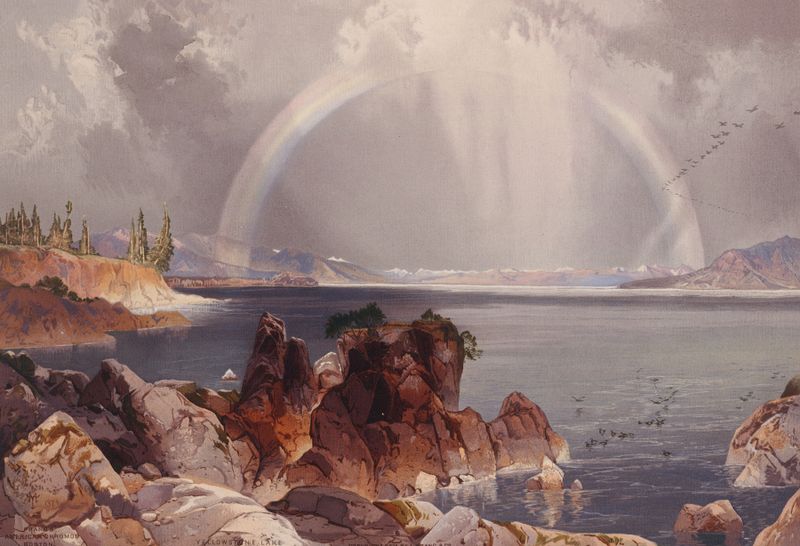
Yellowstone Lake
Thomas Moran

Grand Canyon of the Colorado River
Thomas Moran

Grand Canyon, Colorado River
Thomas Moran

The Towers of Tower Falls, Yellowstone
Thomas Moran
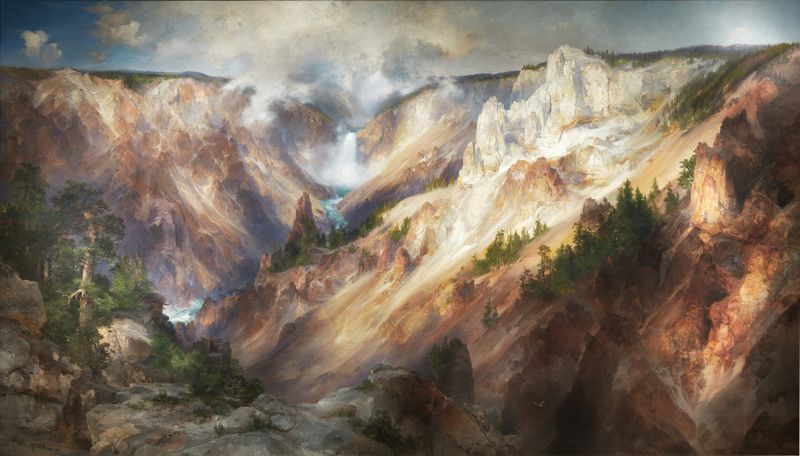
The Grand Canyon Of The Yellowstone
Thomas Moran

Mountain of the Holy Cross
Thomas Moran

Cliffs Of The Upper Colorado River, Wyoming Territory
Thomas Moran
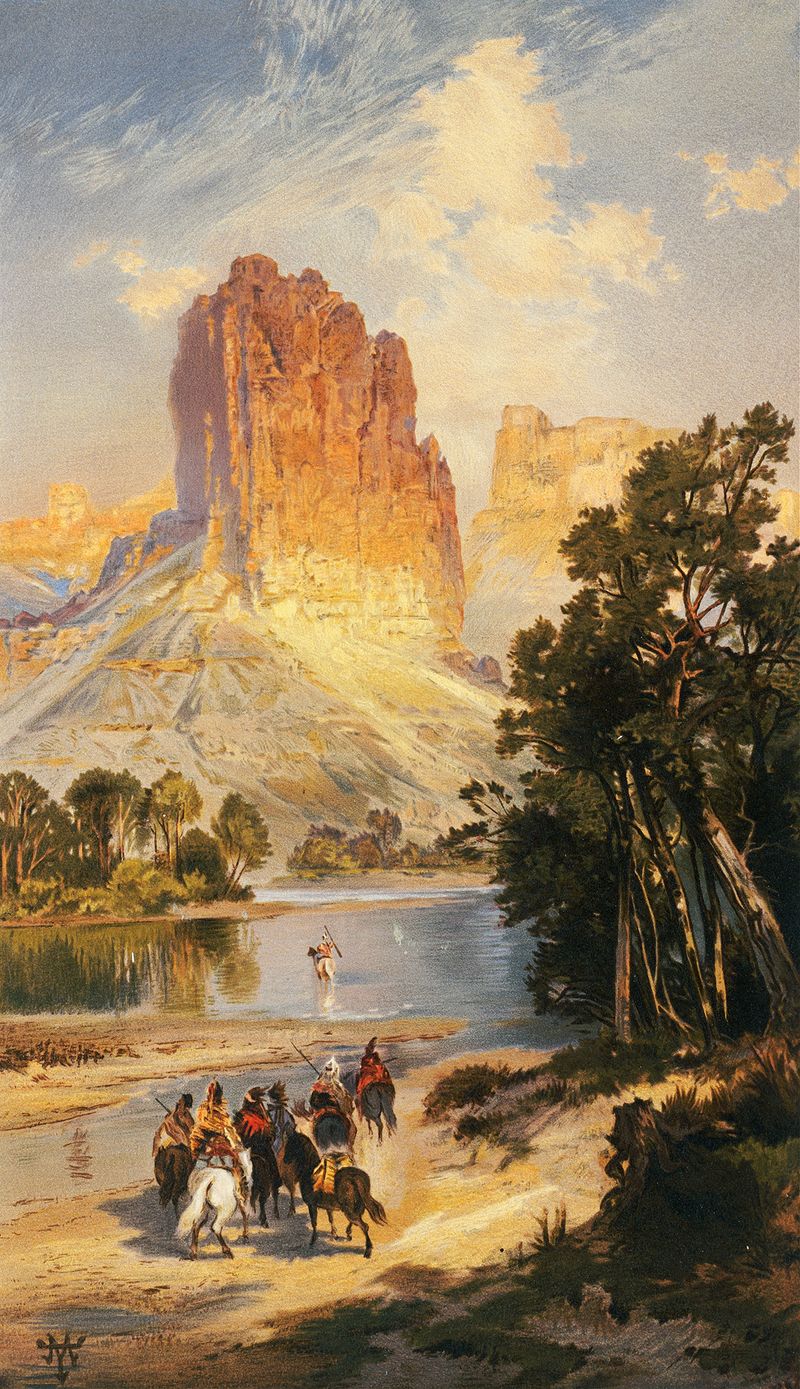
Cliffs of the Upper Colorado River, Wyoming Territory
Thomas Moran

Mammoth Hot Springs, Yellowstone
Thomas Moran
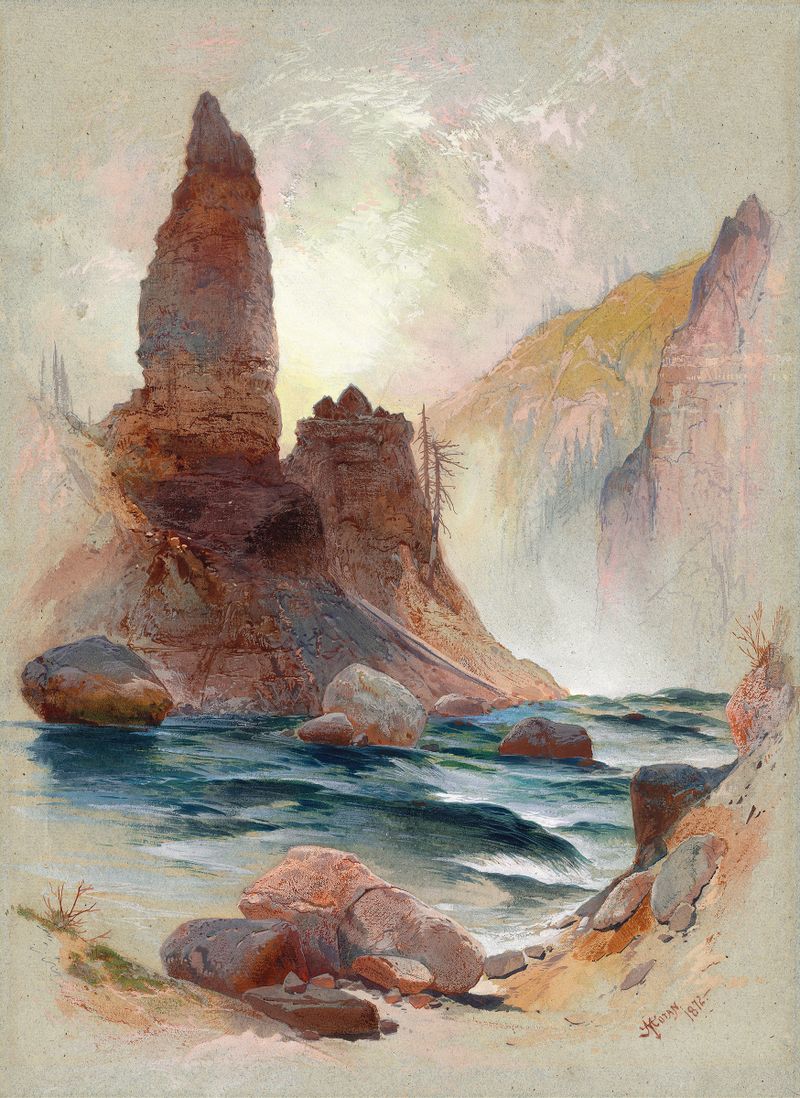
Tower at Tower Falls, Yellowstone
Thomas Moran





