
The Red Horseman (Vasilisa the Beautiful) — History & Facts
A blaze of scarlet cuts through the hush of the forest, and it’s this jolt of color that first seizes the eye in The Red Horseman (Vasilisa the Beautiful) by Ivan Bilibin. The horse, mane and tail aflame, surges forward with wild energy, its rider poised and focused, half-shrouded by the slender birch trunks. Every detail is placed with intention: the patterned bridle, the embroidered tunic, the torch held high—each a signal of fairy-tale ritual and Russian folklore.
The forest, dense and layered, presses in around the horseman, but the palette’s warmth and the stylized border of clover and oak leaves keep the scene suspended between danger and enchantment. Even the wildflowers at the horse’s feet seem to lean in, caught in the wake of this mythic passage. Created in 1902 as an illustration for the Russian fairy tale of Vasilisa, this work belongs to the golden age of Russian book art, when artists like Bilibin reimagined folk stories for a new era of readers. Commissioned illustrations such as this were prized by publishers and collectors alike, intended to bring the old tales to life for children and adults at a time when Russian identity was being fiercely debated and rediscovered.
The ornamental frame and flattened perspective echo the influence of Art Nouveau and traditional Russian lubok prints, blending the modern with the ancient. Though the details of this particular illustration’s journey remain obscure, its presence in an online archive today is a reminder of how folk imagination and artistic craft can keep a story vivid—inviting us to look again, and lose ourselves in the forest’s depths.
More Artworks by Ivan Bilibin

Ivan Tsarevich and the Firebird
Ivan Bilibin

View Of The Nile
Ivan Bilibin
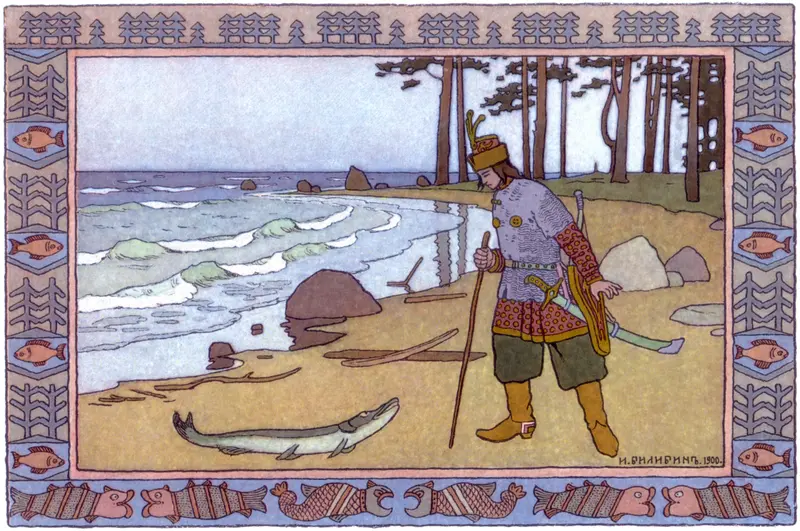
Ivan Tsarevich and the Pike (The Frog Princess)
Ivan Bilibin
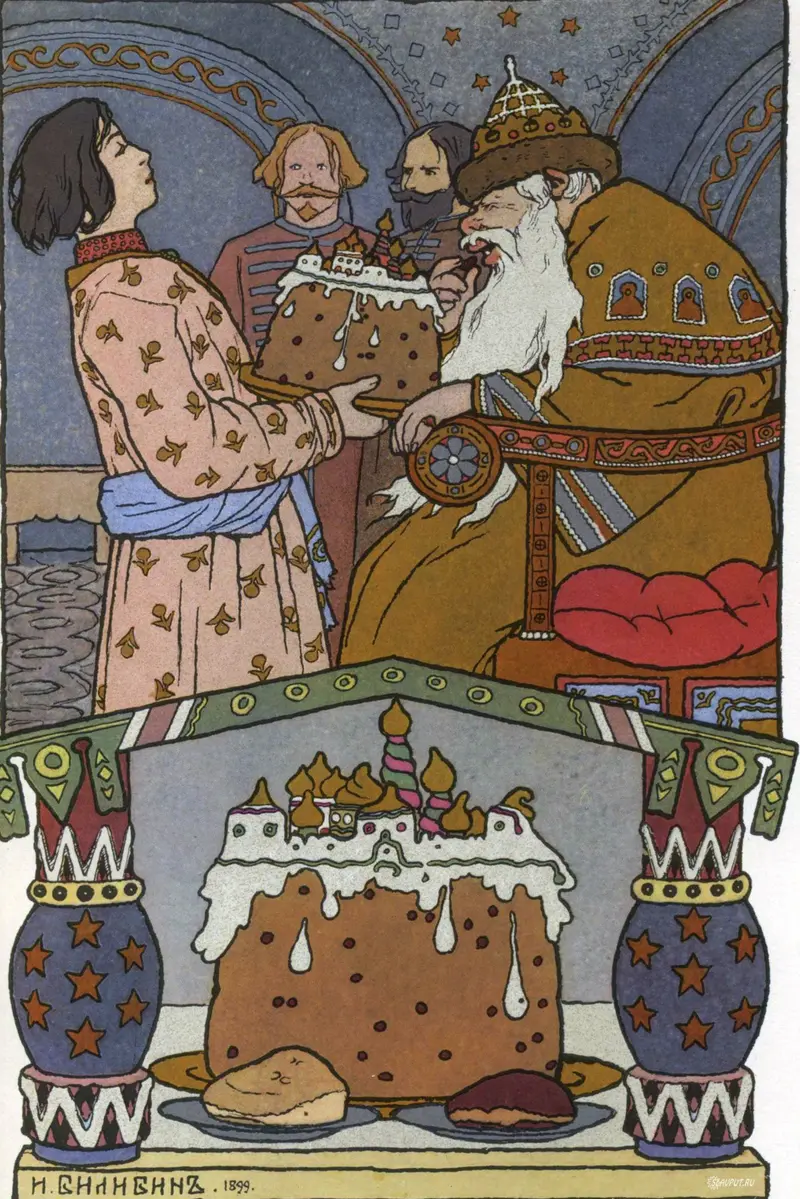
Presenting the Loaf to the Tsar (The Frog Princess)
Ivan Bilibin
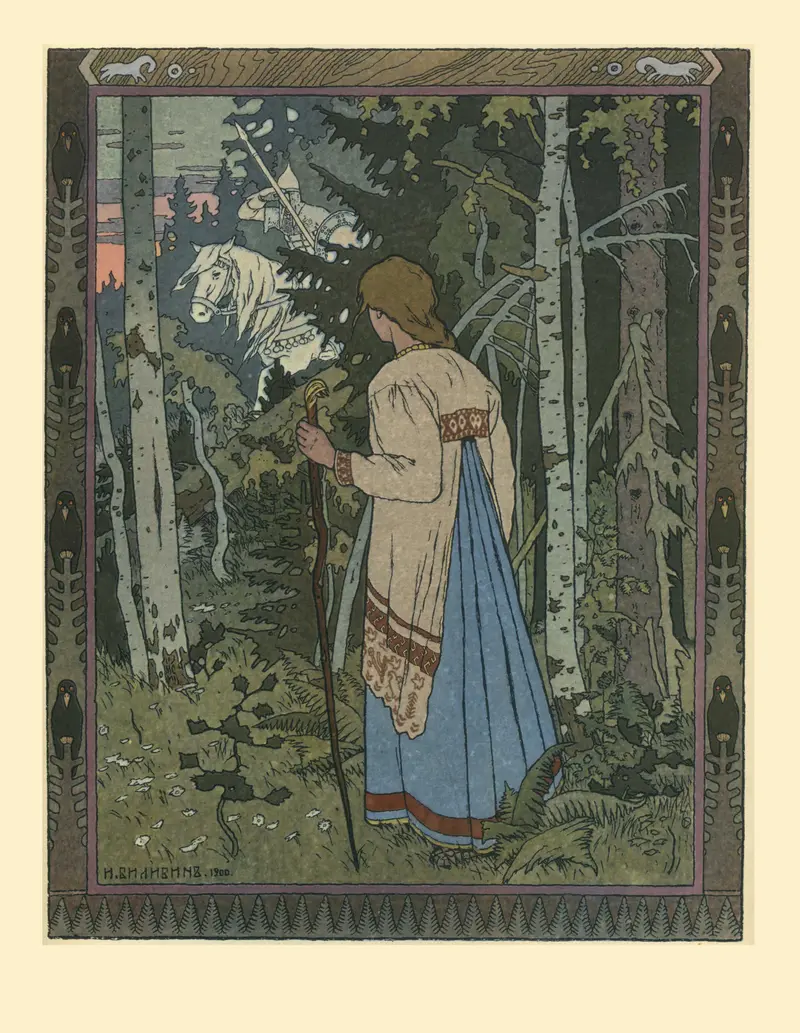
The White Horseman (Vasilisa the Beautiful)
Ivan Bilibin
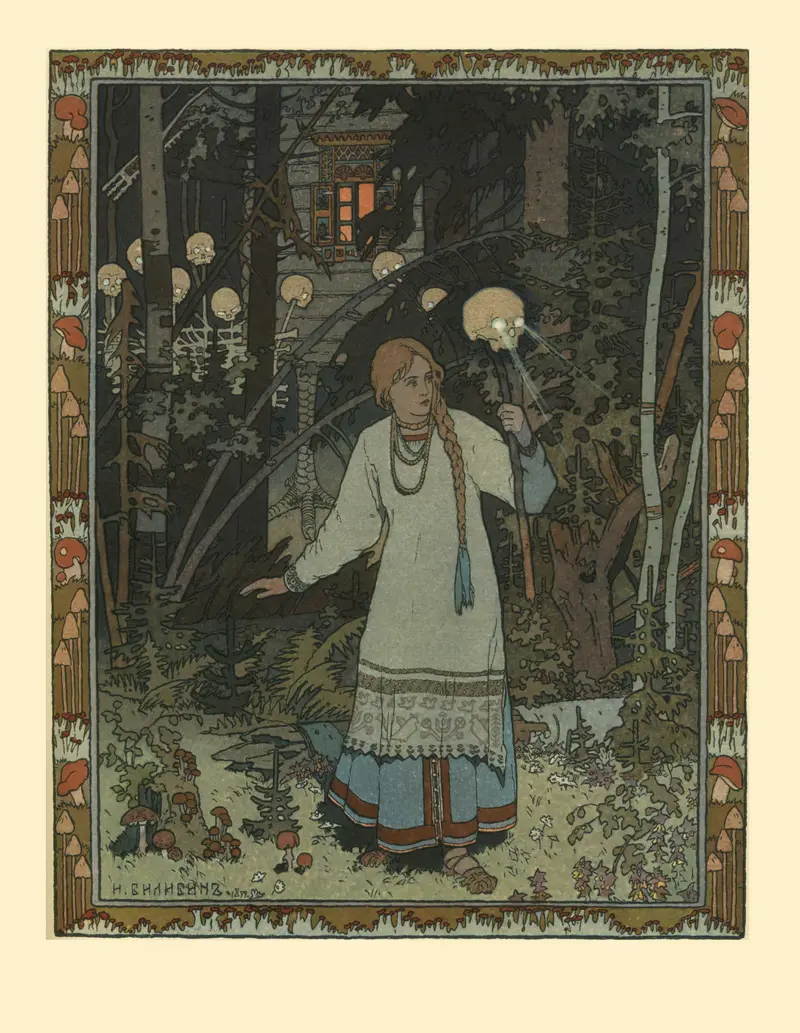
Vasilisa the Beautiful at the Hut of Baba Yaga
Ivan Bilibin
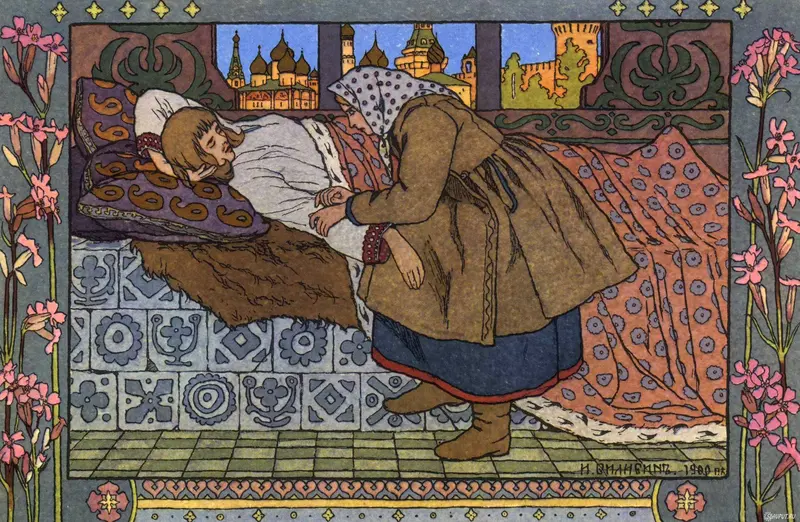
The Maiden Finds Finist (The Feather of Finist the Falcon)
Ivan Bilibin
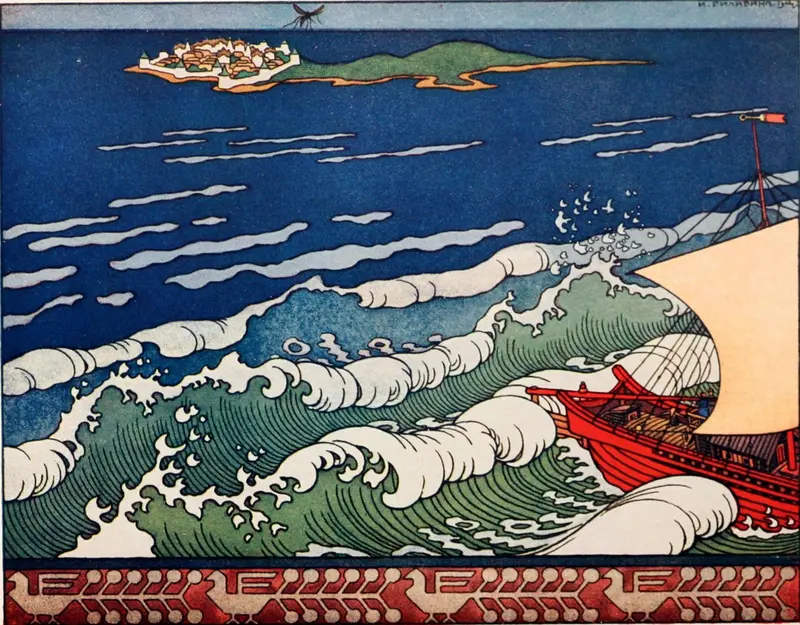
The Ship on the Stormy Sea
Ivan Bilibin
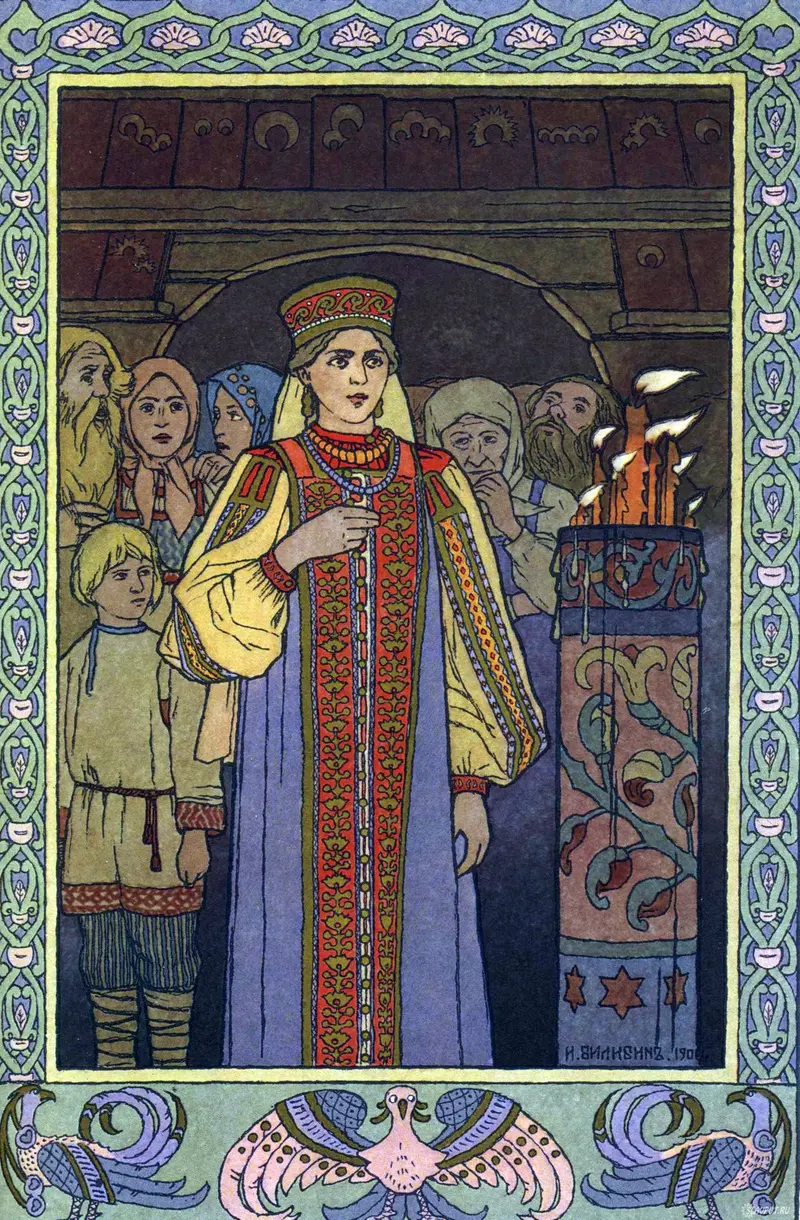
Maryushka and Her Sisters (The Feather of Finist the Falcon)
Ivan Bilibin
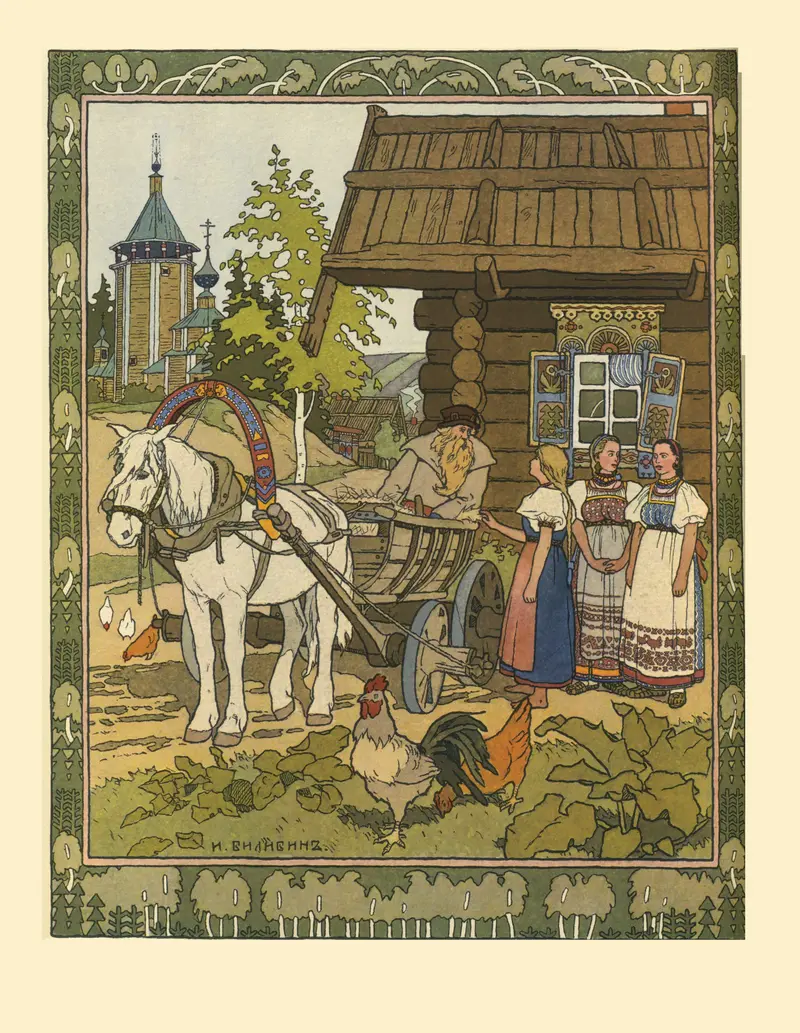
At the Maiden's Farmstead (The Feather of Finist the Falcon)
Ivan Bilibin




