
The Red House — History & Facts
Did the painter know this moment would outlive them? In The Red House, the essence of stillness and the weight of time converge, inviting reflection on our own fleeting existence. Look to the left at the vibrant red house, its warm hue contrasting sharply with the cool greens and blues of the surrounding landscape. Notice how the sunlight bathes the structure, creating an inviting glow that pulls you deeper into the scene. The brushstrokes are both loose and deliberate, evoking a sense of intimacy as they depict the soft, undulating hills and the delicate play of shadow and light.
The composition draws your eye naturally to the house, anchoring the viewer in this serene moment of rural life. Yet, beneath the surface, a subtle tension unfolds. The house stands resolute, a silent witness to the passage of time, surrounded by nature that ebbs and flows in seasons of change. The interplay of light suggests a fleeting moment, hinting at the deeper inevitability of decay and renewal that all things must face.
There's a harmony here, a balance between manmade and natural that speaks to our place within the world, urging contemplation on what endures and what fades. In 1892, Robinson created this piece while living in France, influenced by the Impressionist movement's embrace of color and light. At this time, he was exploring the American landscape after a period spent absorbing European techniques. His work reflects both personal exploration and the broader shift in artistry, as painters sought to capture not just scenes but emotions and fleeting moments, aligning with a growing desire for transcendence in everyday life.
More Artworks by Theodore Robinson
Browse all →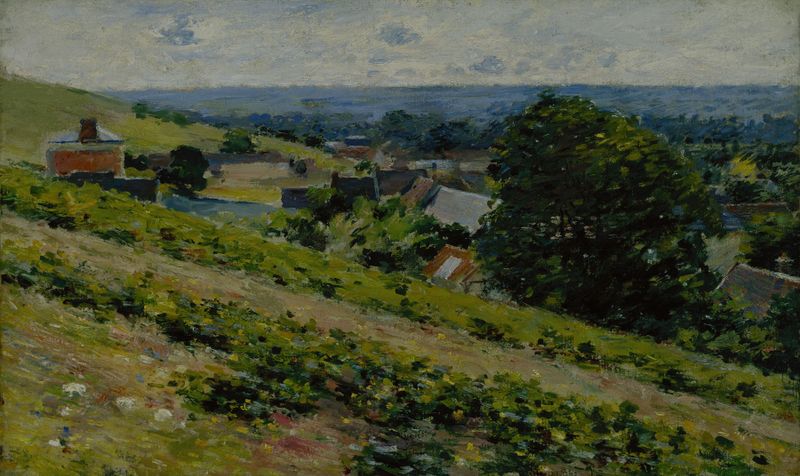
From the Hill, Giverny
Theodore Robinson

Giverny
Theodore Robinson

Old Church At Giverny
Theodore Robinson
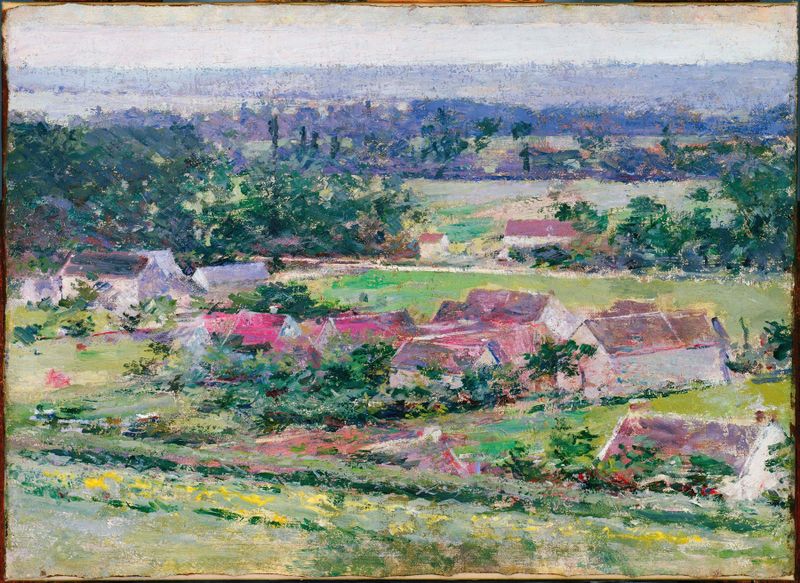
Giverny
Theodore Robinson
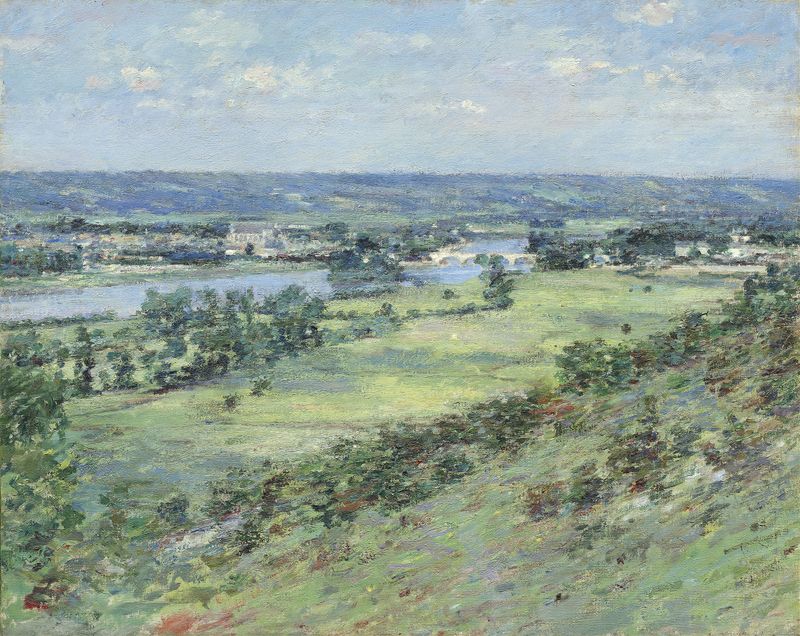
The Valley of the Seine,from the Hills of Giverny
Theodore Robinson
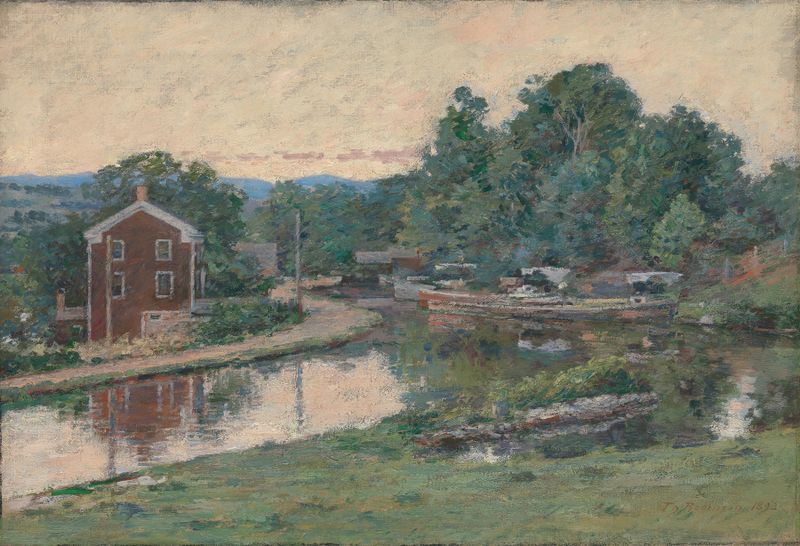
Evening at the Lock, Napanoch, New York
Theodore Robinson
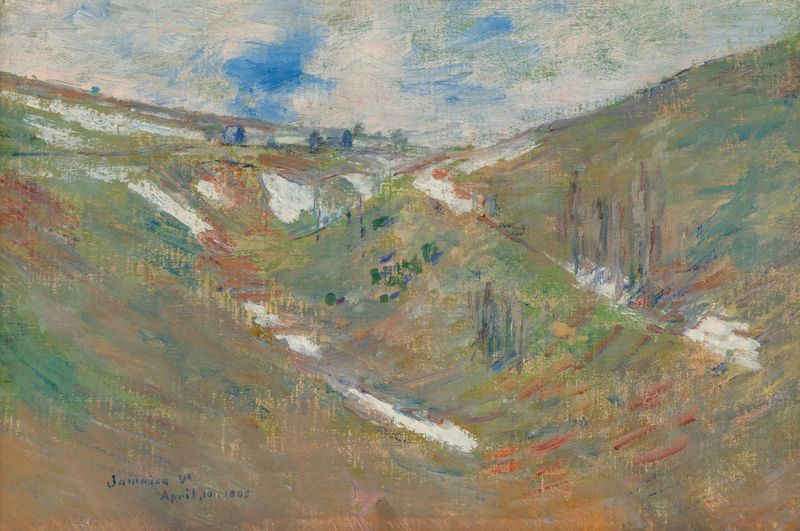
Jamaica, Vermont
Theodore Robinson
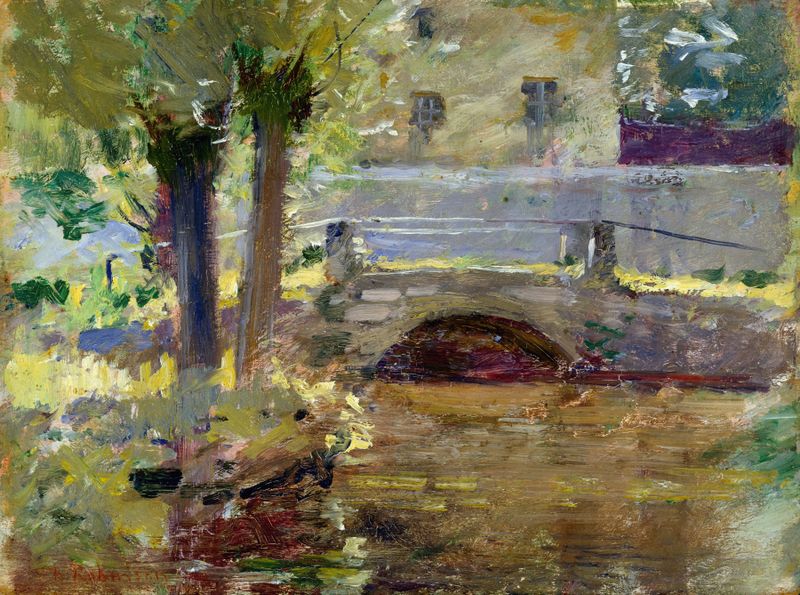
The Bridge at Giverny
Theodore Robinson

House In Virginia
Theodore Robinson
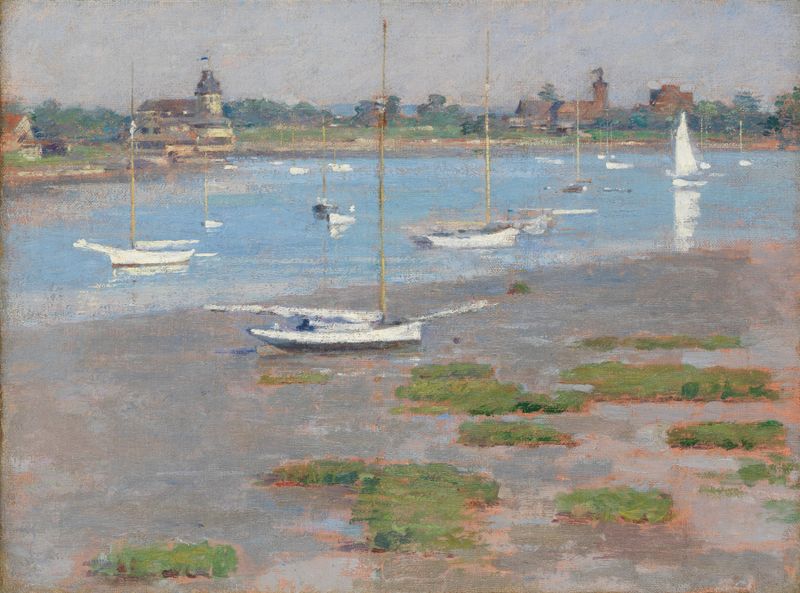
Low Tide, Riverside Yacht Club
Theodore Robinson





