
The Rest on The Flight into Egypt — History & Facts
In the stillness of The Rest on The Flight into Egypt, movement whispers through serene figures and a gentle landscape, inviting us to pause and feel. Look to the center, where the Holy Family finds respite beneath a sprawling tree. The earthy hues of ochre and green envelop them, while dappled light filters through the leaves, creating a sense of warmth and safety. The soft contours of Mary and Joseph cradle the child, their poses radiating a profound tenderness.
Notice how the delicate play of light not only illuminates their faces but also dances upon the folds of their garments, transforming the canvas into a tableau of tranquility. Amid the serene atmosphere, deeper meanings emerge. The juxtaposition of the resting family against the backdrop of impending journey evokes themes of sacrifice and protection. The tree stands as a symbol of life and shelter, yet it also suggests the transient nature of existence, as they are en route to escape danger.
The viewer recognizes the tension in their stillness—an intimate moment charged with the anticipation of movement and the weight of their future. Cornelis van Poelenburch painted this work between 1630 and 1640, during a flourishing period of Dutch art that embraced both realism and emotion. Living in Utrecht, he was influenced by the Caravaggesque style that emphasized dramatic lighting and intimate narratives. At this time, he navigated through a personal and artistic evolution, infusing his landscapes with a lyrical quality that resonated with an audience eager for connection amid the tumult of the 17th century.
More Artworks by Cornelis van Poelenburch
Browse all →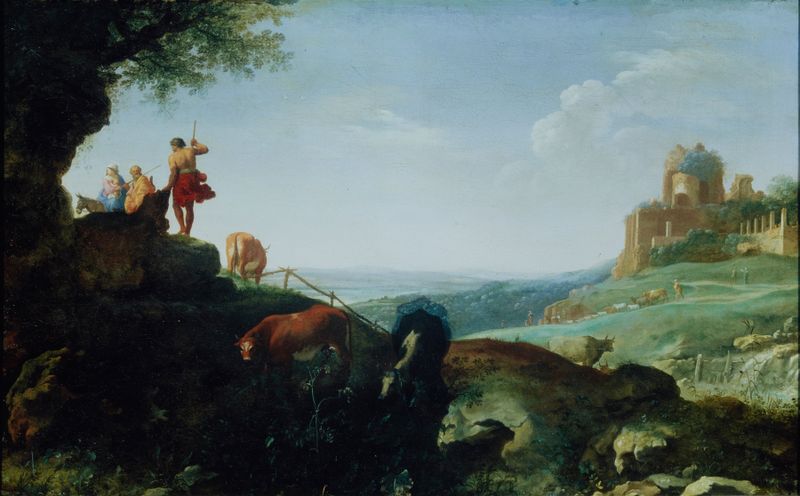
Landscape with the Flight to Egypt
Cornelis van Poelenburch

Figures Dancing near a Ruin
Cornelis van Poelenburch

Landscape with a Ruin
Cornelis van Poelenburch

Landscape with Bathing Nudes
Cornelis van Poelenburch
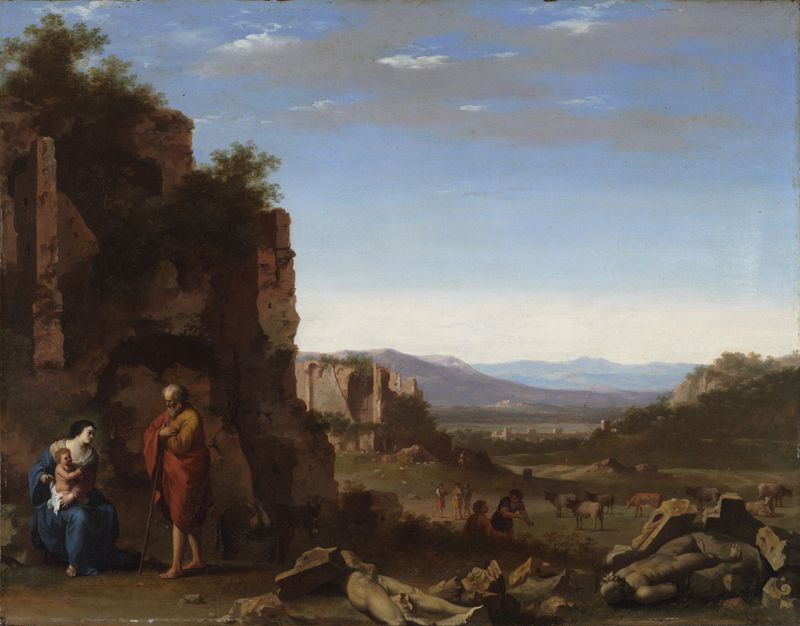
Rest on the Flight into Egypt
Cornelis van Poelenburch
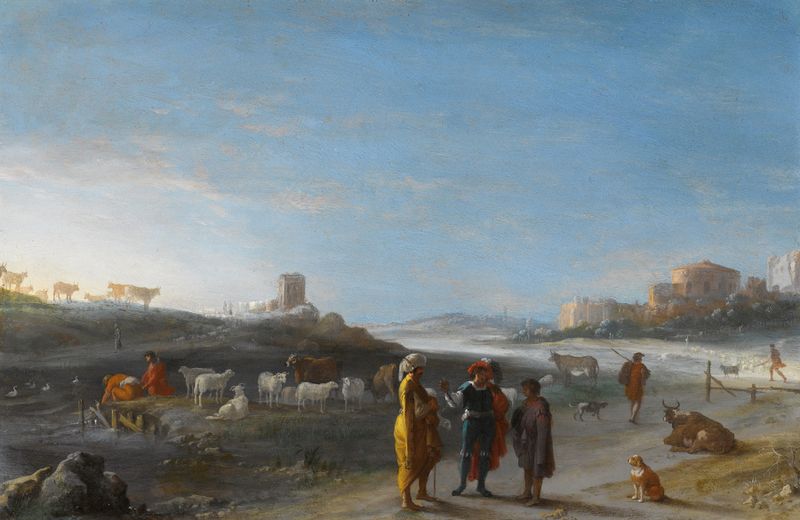
An Italianate Landscape with an unidentified Subject from the Old Testament
Cornelis van Poelenburch
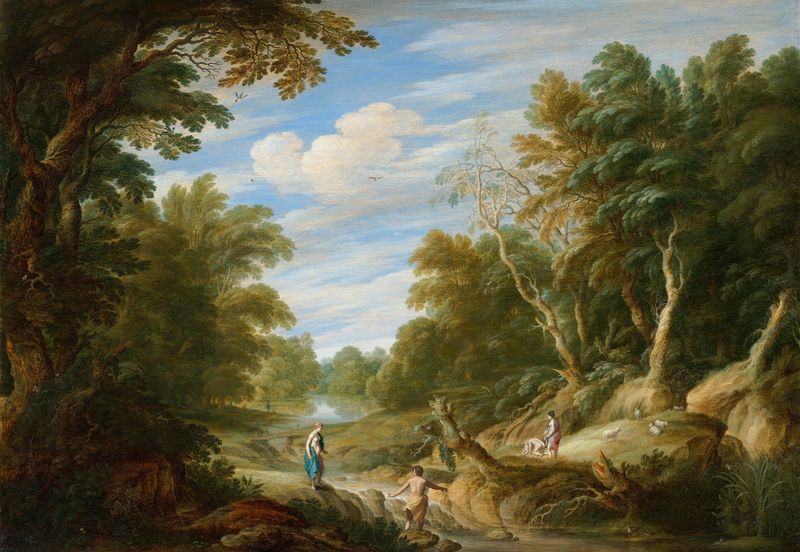
Wooded Landscape with Figures
Cornelis van Poelenburch

Feast of the gods
Cornelis van Poelenburch
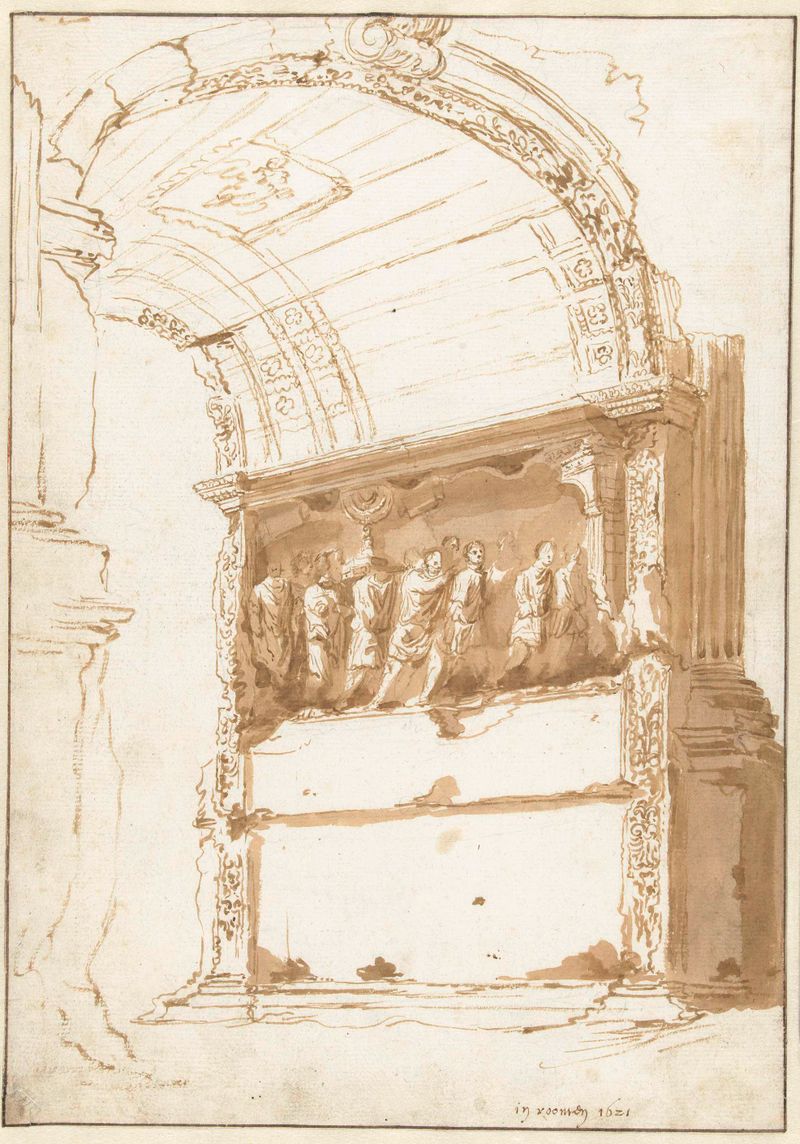
De boog van Titus
Cornelis van Poelenburch
More Religious Art
Browse all →
The Return of the Prodigal Son
Rembrandt van Rijn

The Garden of Earthly Delights
El Bosco

Count Orgaz’ funeral
El Greco

The Hundred Guilder Print: the central piece with Christ preaching, the plate arched
Rembrandt van Rijn

The Descent from the Cross
Rogier van der Weyden

The return of the prodigal son
Rembrandt van Rijn