
Figures Dancing near a Ruin — History & Facts
Could a single brushstroke hold eternity? In Figures Dancing near a Ruin, innocence is embodied in the delicate interplay of figures, nature, and the echoes of a bygone era, inviting viewers to explore the fleeting moments of joy amid decay. Look to the left at the graceful figures, their arms extended as if to embrace the warmth of the sun. Notice how the light filters through the foliage, casting dappled shadows that dance across their jubilant faces. The soft palette of pastel hues blends seamlessly, evoking a sense of nostalgia, while the crumbling ruin in the background serves as a poignant reminder of impermanence.
This careful composition draws you in, allowing you to relish the joyous abandon of the dancers while contemplating the ruins of the world they occupy. Within the work, the contrast between the lively figures and their dilapidated surroundings speaks to the tension between youth and time. The dancers, with their uninhibited laughter, symbolize innocence, while the weathered stones remind us of history's relentless march. This duality captures the essence of fleeting beauty, prompting reflections on the transient nature of life, where joy and decay coexist in harmony. Cornelis van Poelenburch created this piece in 1624 while living in Italy, a period that deeply influenced his artistry.
The artist was immersed in the vibrant Baroque scene, exploring themes of nature and human emotion against the backdrop of classical ruins. This painting reflects not only his technical skill but also the cultural fascination with the idyllic and the pastoral, capturing a moment that resonates through time.
More Artworks by Cornelis van Poelenburch
Browse all →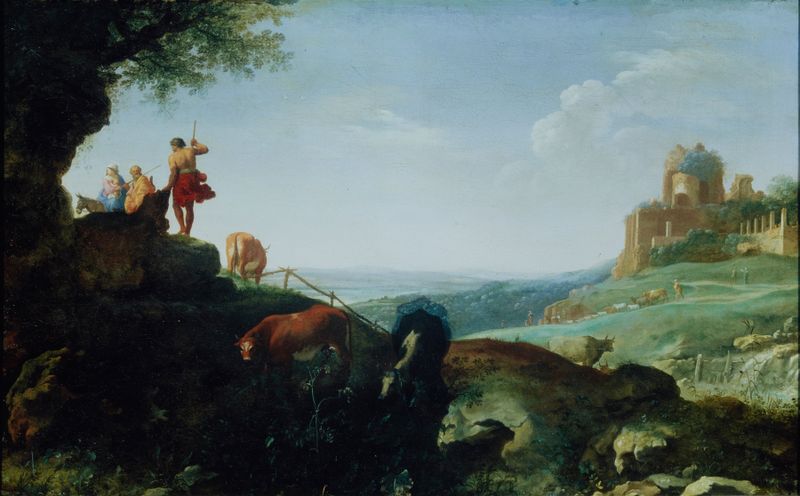
Landscape with the Flight to Egypt
Cornelis van Poelenburch

Landscape with a Ruin
Cornelis van Poelenburch

Landscape with Bathing Nudes
Cornelis van Poelenburch
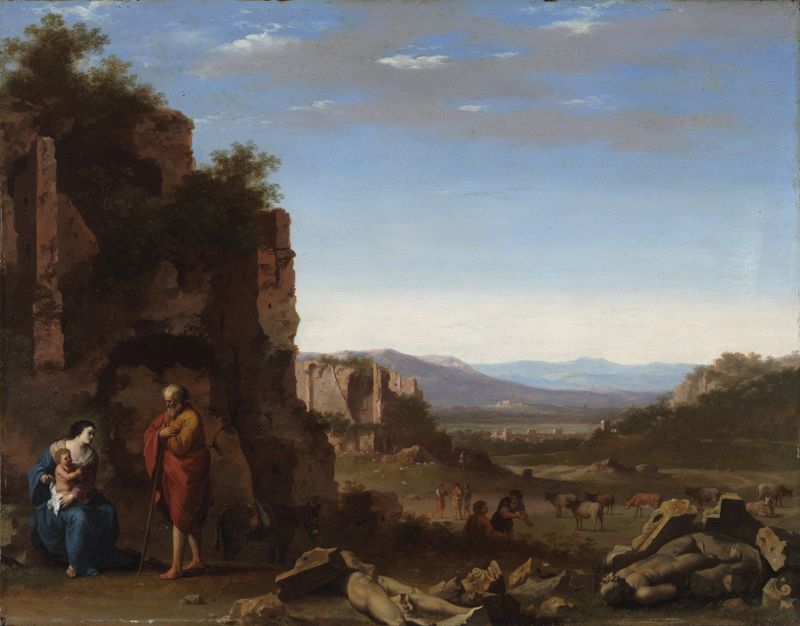
The Rest on The Flight into Egypt
Cornelis van Poelenburch
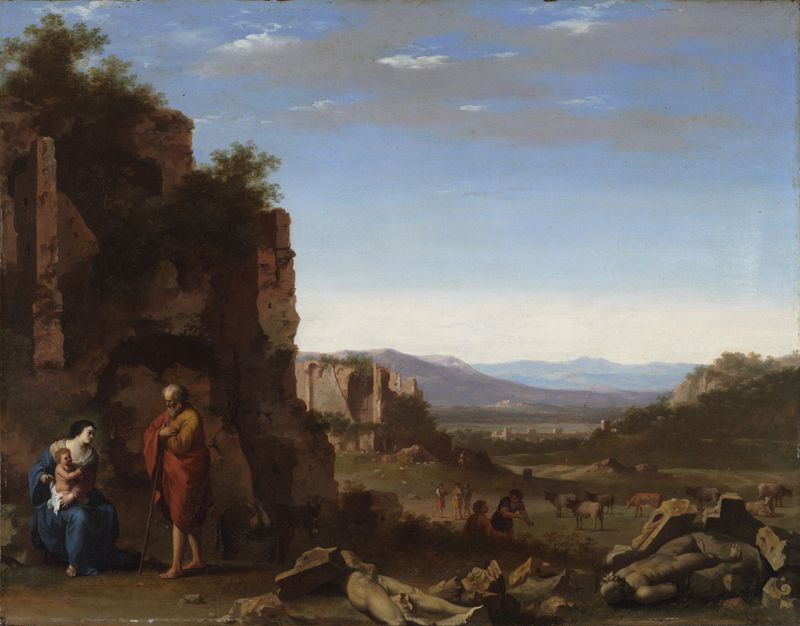
Rest on the Flight into Egypt
Cornelis van Poelenburch
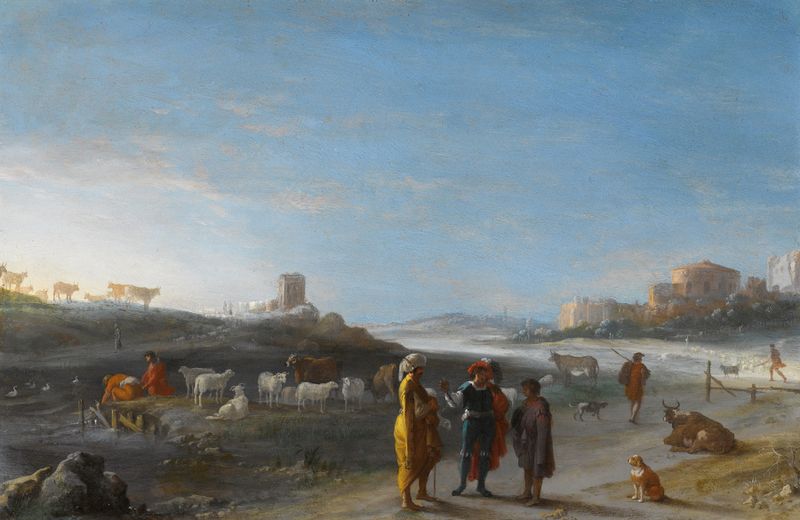
An Italianate Landscape with an unidentified Subject from the Old Testament
Cornelis van Poelenburch
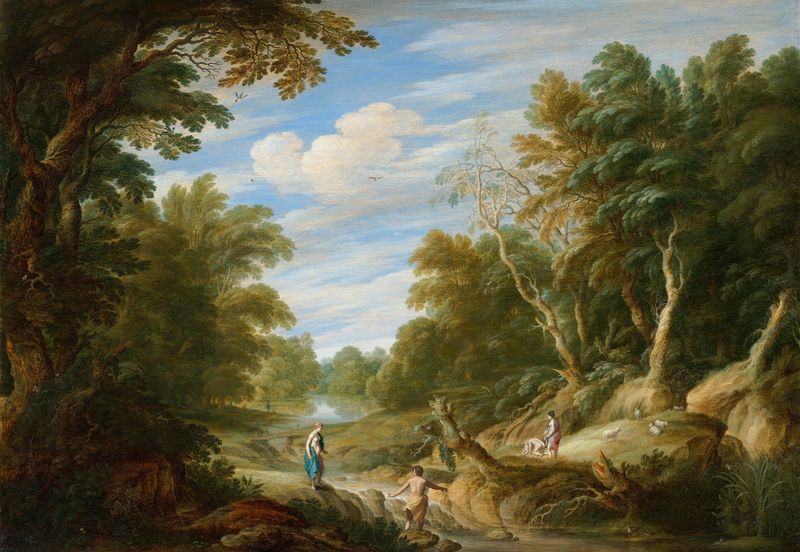
Wooded Landscape with Figures
Cornelis van Poelenburch

Feast of the gods
Cornelis van Poelenburch
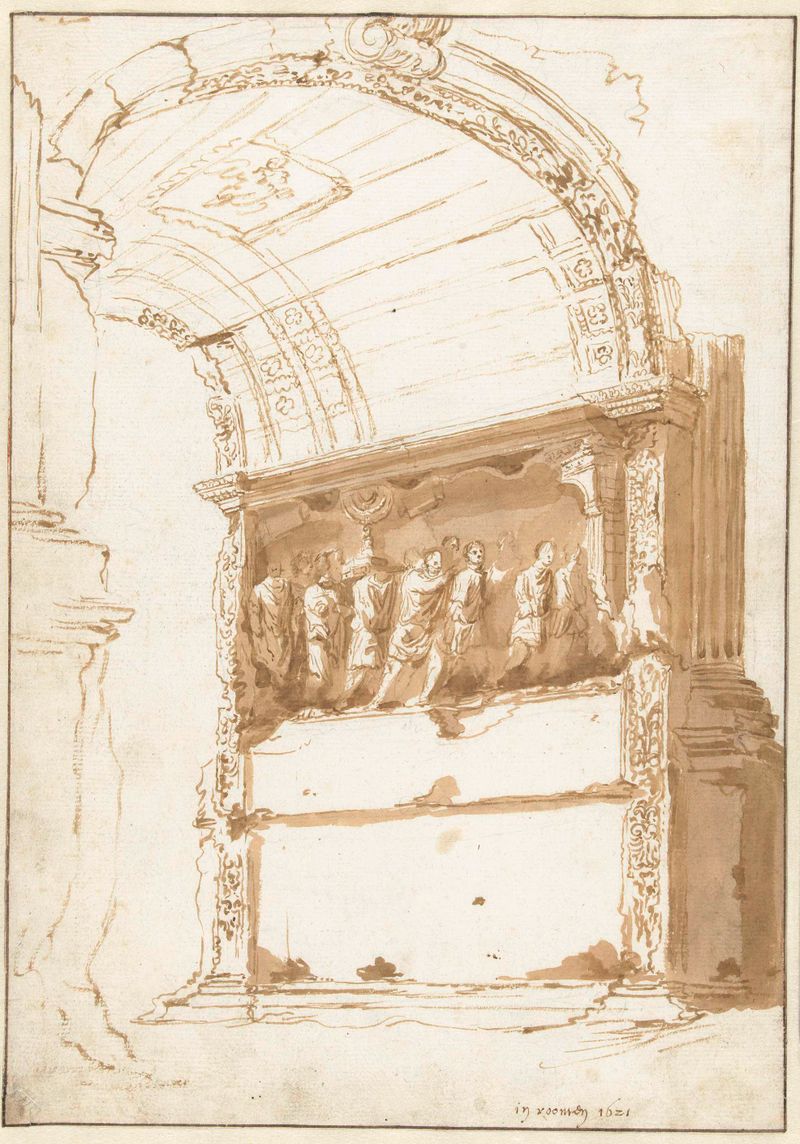
De boog van Titus
Cornelis van Poelenburch





