
Wooded Landscape with Figures — History & Facts
Could beauty survive in a century of chaos? In Wooded Landscape with Figures, the answer seems to dwell in the delicate balance between tranquility and tension, inviting contemplation of what lies beneath the serene surface. Look to the foreground, where two figures navigate the verdant underbrush, their gestures hinting at a shared purpose. The soft greens and muted browns of the foliage envelop them, framing this intimate encounter. Notice how the dappled light filters through the trees, casting intricate shadows that dance along the forest floor, creating a visual tapestry that connects the earthly and the ethereal.
The composition draws your eye deeper into the canvas, inviting you to explore the intertwining paths that lead both towards and away from the figures, symbolic of life’s myriad choices. Yet, beneath this idyllic surface lurks a sense of betrayal, as the figures' posture suggests a tension; they may be engaged in a whispered secret, or perhaps one is leading the other into a hidden conflict. The juxtaposition of their closeness against the vastness of the landscape evokes vulnerability in the face of nature's overwhelming beauty. The trees, tall and stoic, stand witness to this fragile moment, embodying a quiet resistance against the chaos of the world outside their tranquil confines. In the late 1620s, Cornelis van Poelenburch found himself amidst a flourishing art scene in Utrecht, a time when the Dutch were grappling with both artistic innovation and the social strife of the Thirty Years' War.
This painting emerged from a period where landscapes became a means to express the duality of human experience—beauty intertwined with turmoil, a reflection of the world that surrounded him as he painted in the tradition of the Utrecht Caravaggisti, merging light and shadow with profound emotional resonance.
More Artworks by Cornelis van Poelenburch
Browse all →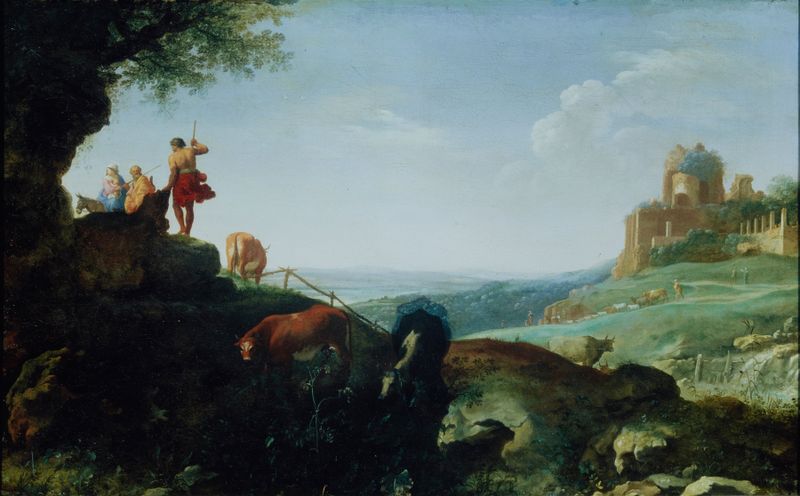
Landscape with the Flight to Egypt
Cornelis van Poelenburch

Figures Dancing near a Ruin
Cornelis van Poelenburch

Landscape with a Ruin
Cornelis van Poelenburch

Landscape with Bathing Nudes
Cornelis van Poelenburch
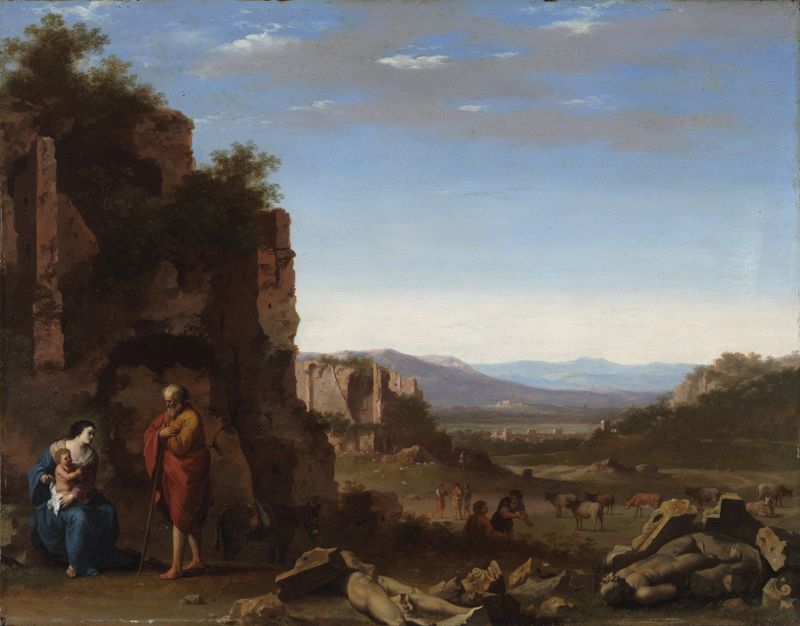
The Rest on The Flight into Egypt
Cornelis van Poelenburch
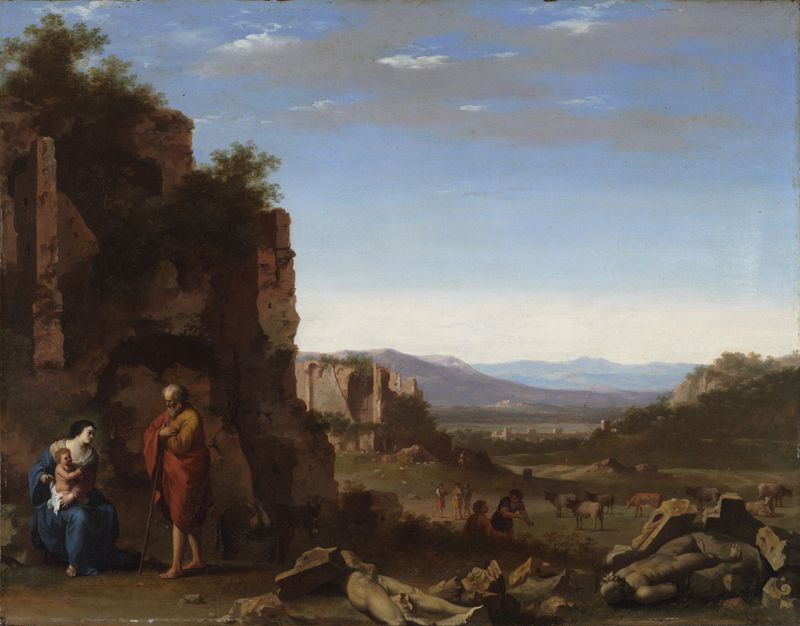
Rest on the Flight into Egypt
Cornelis van Poelenburch
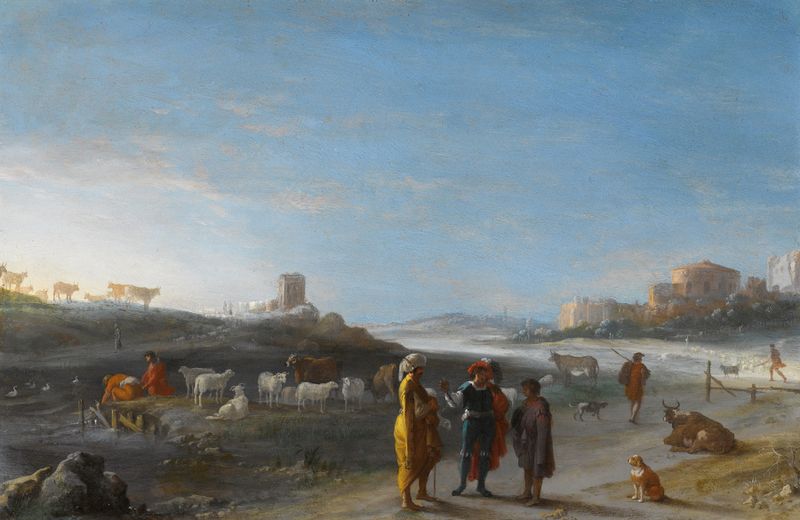
An Italianate Landscape with an unidentified Subject from the Old Testament
Cornelis van Poelenburch

Feast of the gods
Cornelis van Poelenburch
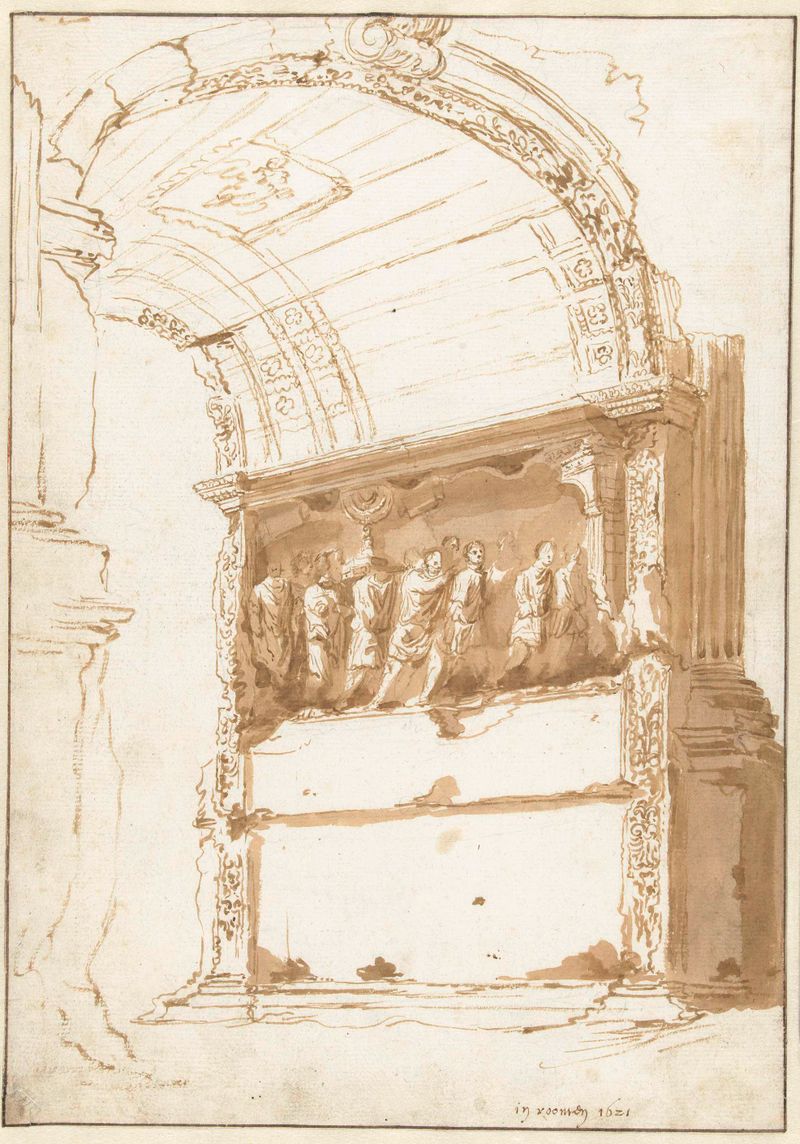
De boog van Titus
Cornelis van Poelenburch





