Feast of the gods — History & Facts
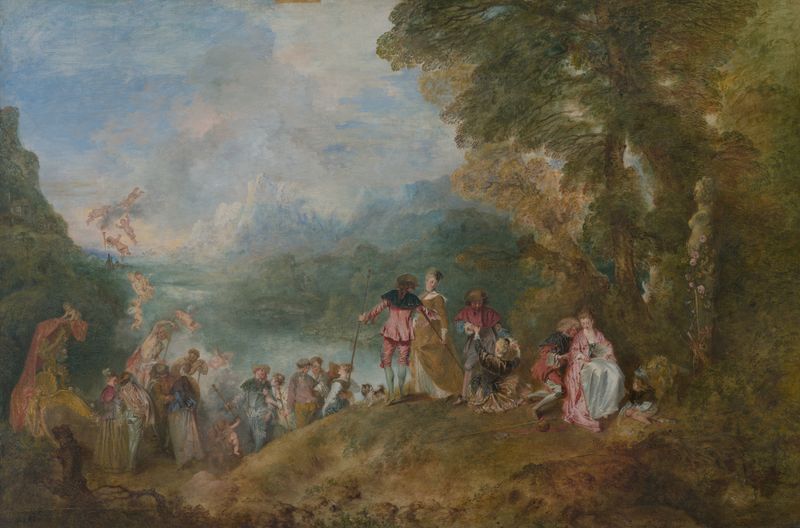
In a lush, verdant glade, gods and mortals converge beneath a canopy of brilliant sunlight. Laughter mingles with the soft rustle of leaves, as a feast sprawls across the ground, laden with fruits, wine, and the essence of indulgence. The air is saturated with a palpable tension, an ethereal blend of divine revelry and fleeting human existence, where joy dances hand-in-hand with the specter of ephemeral time. Look to the center of the composition, where a bountiful table draws the eye; it brims with color and abundance.
Notice how the reds and golds of ripe fruits leap forth, vibrant against the deep green foliage framing the scene. The artist employs masterful light and shadow, creating an illusion of depth that invites viewers to partake in the feast. Each figure is elegantly posed, their gestures expressive yet serene, capturing a moment that feels both alive and suspended in time. Yet, beneath the surface of this idyllic celebration lies a deeper tension.
The interplay between gods and men suggests a commentary on mortality and the inevitable passage of time. Each figure, while engaged in merriment, is cloaked in an aura of nostalgia, as if they are keenly aware that such moments of bliss are fleeting and precarious. This duality—joy intertwined with melancholy—infuses the painting with a rich emotional complexity, urging contemplation on the nature of existence. Cornelis van Poelenburch painted this work in the early 1600s during a period of flourishing artistic innovation in the Netherlands.
Living in Utrecht, he was influenced by the burgeoning Baroque movement, which emphasized dramatic contrasts and vibrant colors. The era was marked by a fascination with mythological themes, as artists sought to elevate their subjects, reflecting both the human experience and the divine—a hallmark embodied in this sumptuous gathering.
More Artworks by Cornelis van Poelenburch
Browse all →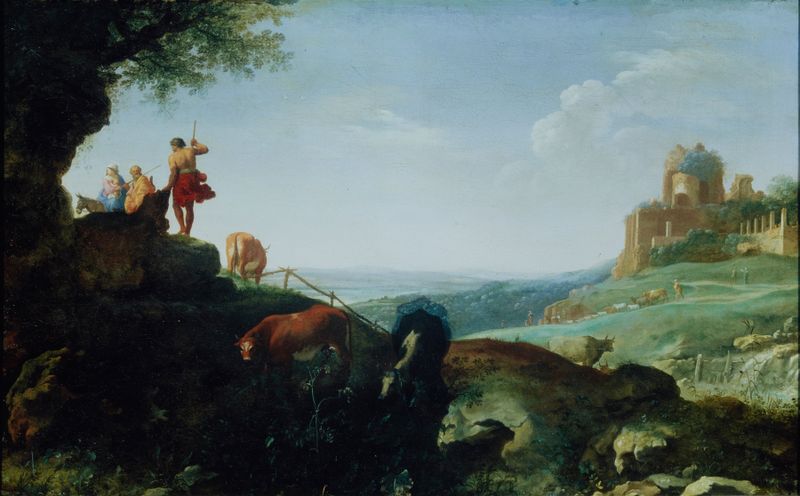
Landscape with the Flight to Egypt
Cornelis van Poelenburch

Figures Dancing near a Ruin
Cornelis van Poelenburch

Landscape with a Ruin
Cornelis van Poelenburch

Landscape with Bathing Nudes
Cornelis van Poelenburch
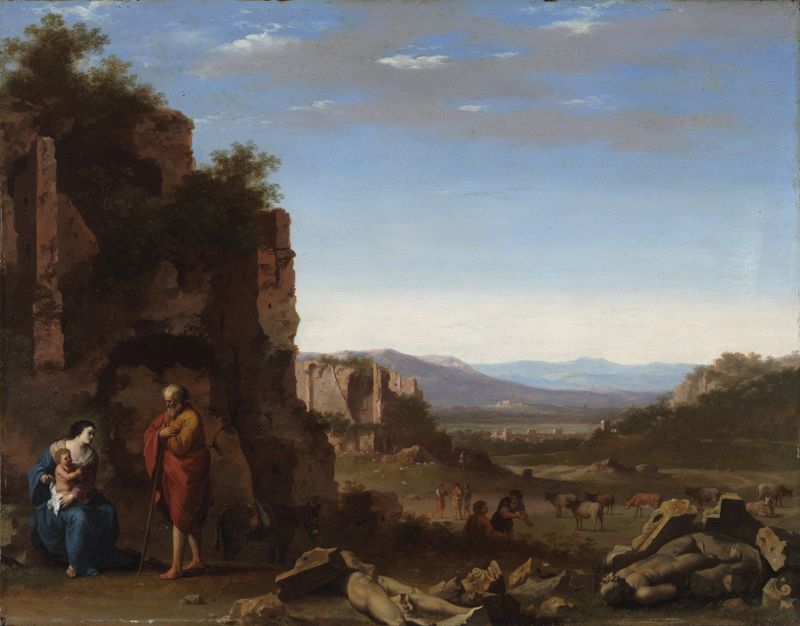
The Rest on The Flight into Egypt
Cornelis van Poelenburch
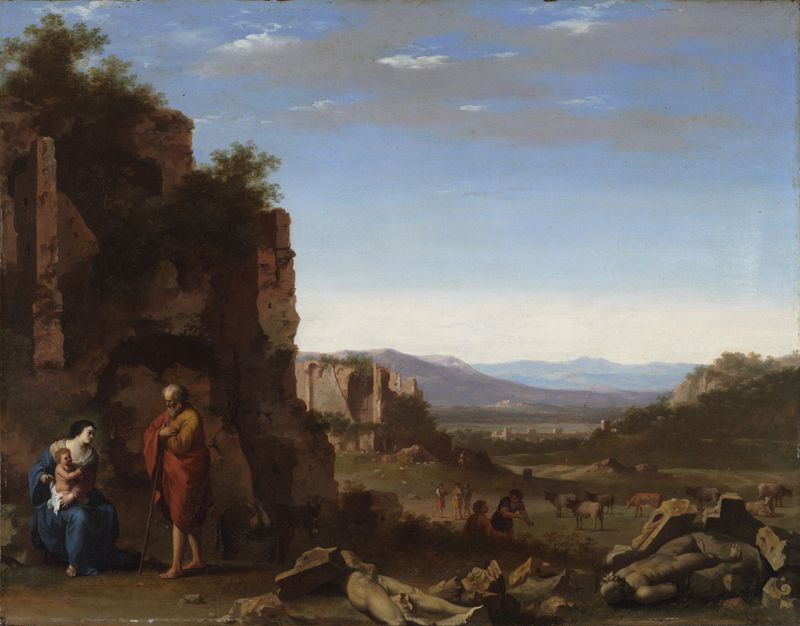
Rest on the Flight into Egypt
Cornelis van Poelenburch
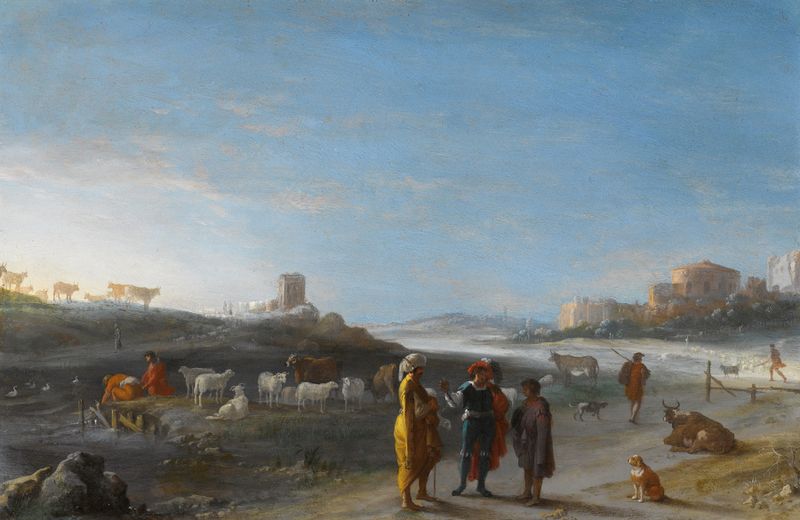
An Italianate Landscape with an unidentified Subject from the Old Testament
Cornelis van Poelenburch
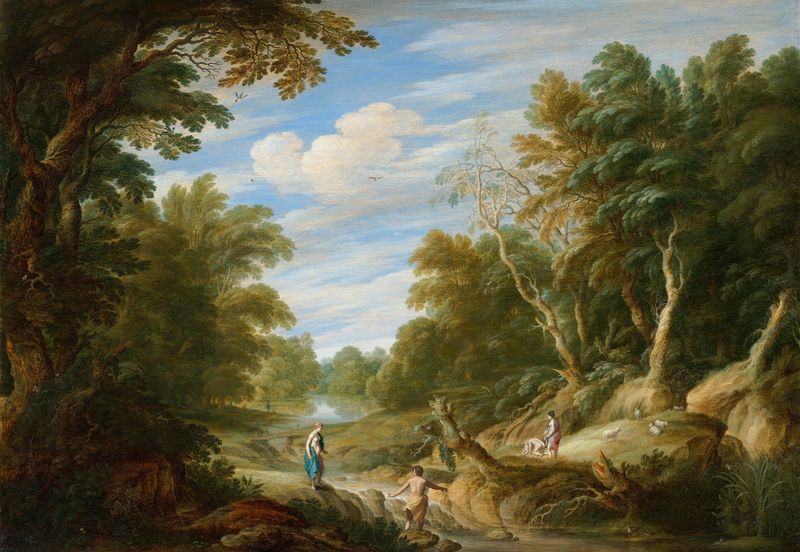
Wooded Landscape with Figures
Cornelis van Poelenburch
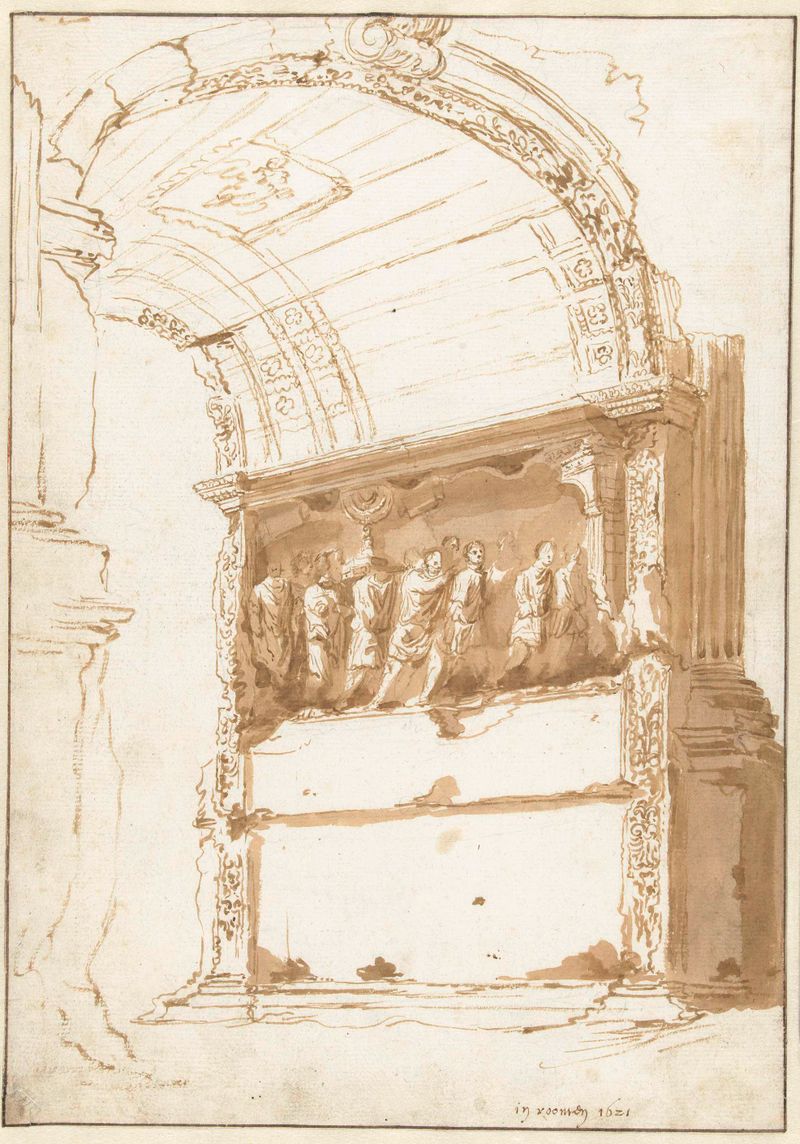
De boog van Titus
Cornelis van Poelenburch