
The Rhythm of the Cypress — History & Facts
Where does light end, and longing begin? In the interplay of shadow and illumination, The Rhythm of the Cypress evokes a profound sense of emptiness that resonates within the soul. Look to the left at the towering cypress trees, their elongated forms reaching toward an expansive sky, which is awash in hues of pale blue and soft gold. The artist's delicate brushwork captures the rhythmic sway of the branches, conveying movement despite their stillness. Notice how the light filters through the foliage, casting intricate patterns that play on the ground, creating a dance of shadows that invites contemplation. The tension between the vibrant sky and the somber, dark trunks reflects an internal struggle—a yearning for connection against the backdrop of isolation.
The careful balance of colors underscores this contrast; the ethereal brightness of the sky suggests hope, while the deep greens of the trees symbolize the weight of solitude. Each stroke and hue invites a dialogue about the nature of existence and the spaces we inhabit, both physically and emotionally. Created between 1915 and 1925, this work emerged during a period of significant transformation in the world of art and society. Haskell was deeply engaged in the American artistic scene, exploring themes of nature and introspection.
This era saw a growing interest in capturing the subtleties of the human experience against the vastness of the natural world, a sentiment that resonates powerfully in this piece.
More Artworks by Ernest Haskell
Browse all →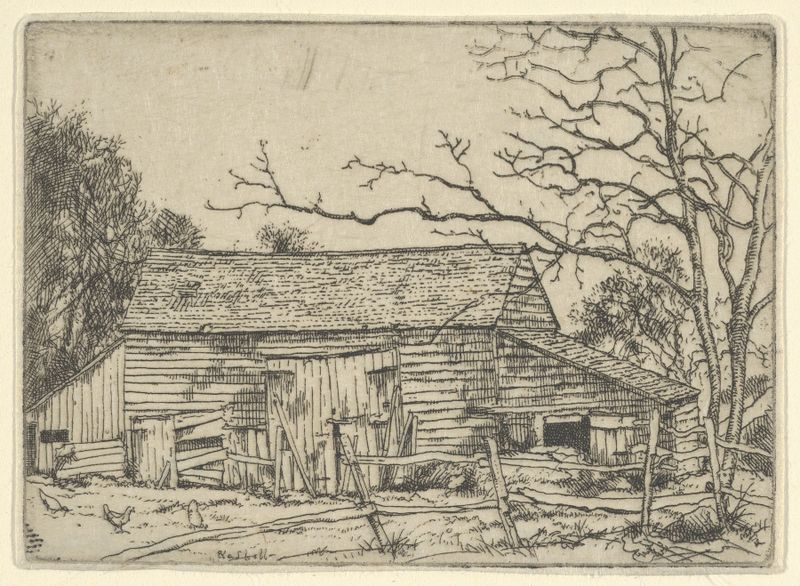
The Barn–Staten Island, N.Y.
Ernest Haskell

Four Live Oaks
Ernest Haskell
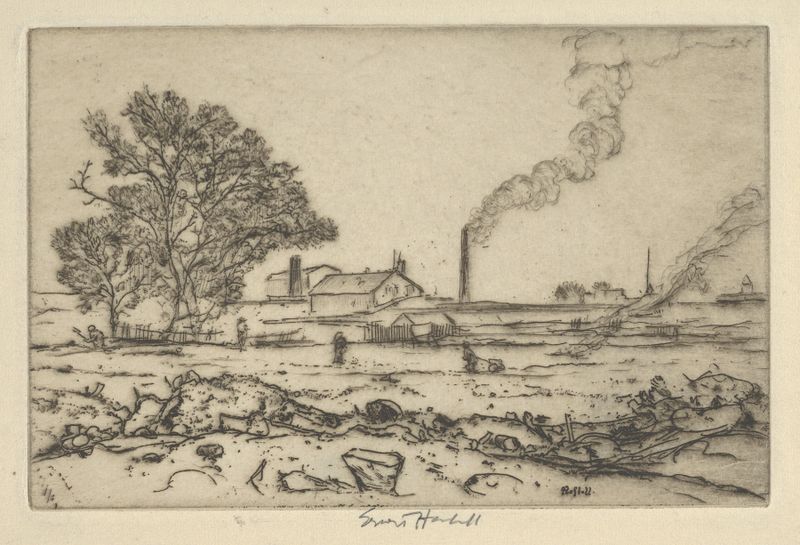
Outskirts of Boston
Ernest Haskell
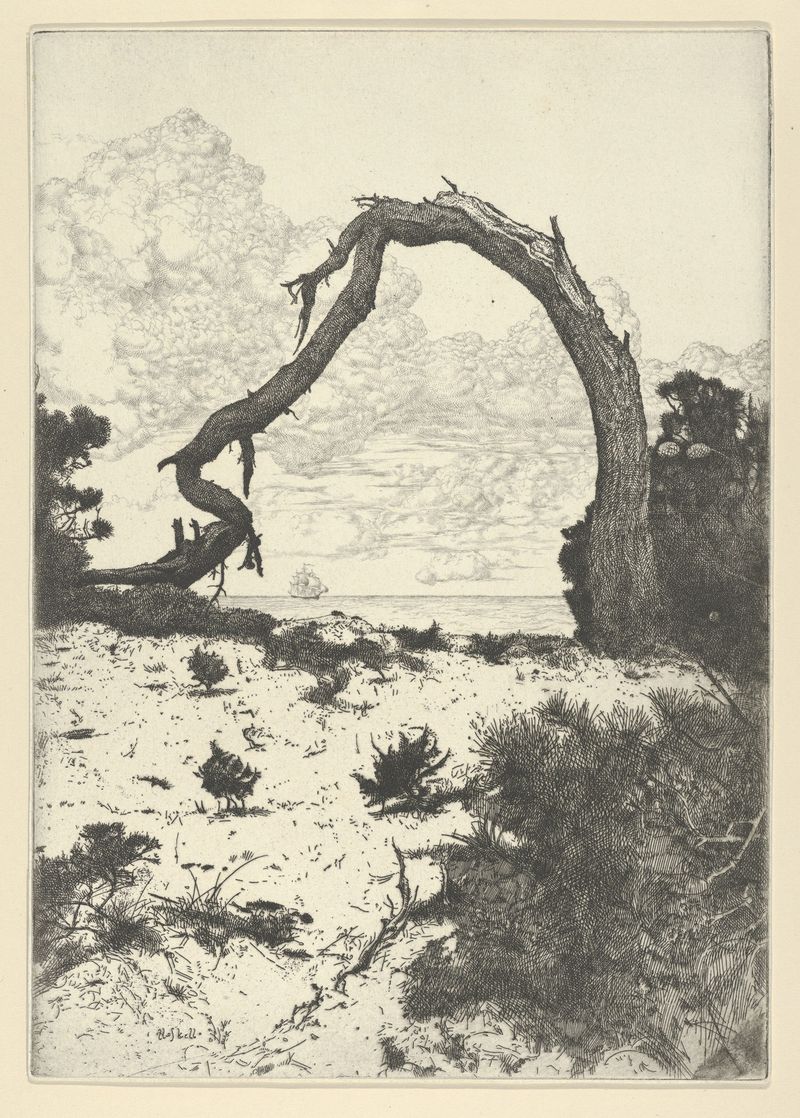
Pine Arch
Ernest Haskell

General Sherman
Ernest Haskell
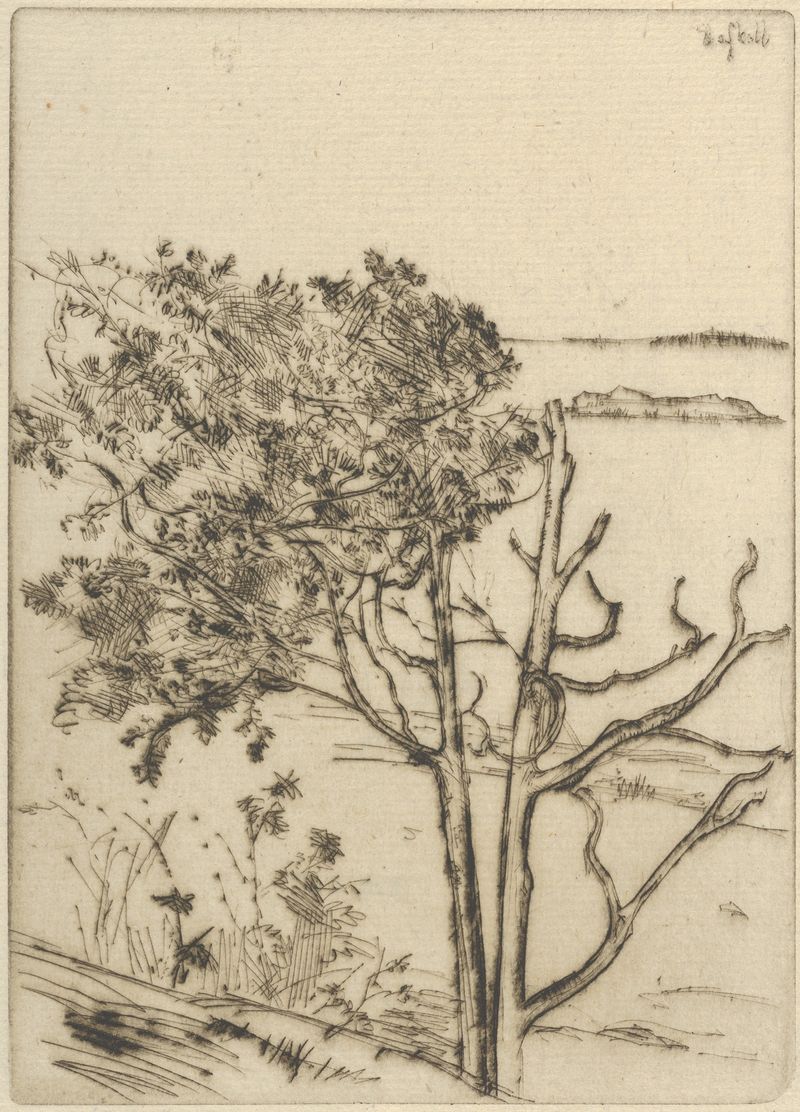
Ragged Tree – Maine
Ernest Haskell

Tide Mill
Ernest Haskell

Ship Building
Ernest Haskell
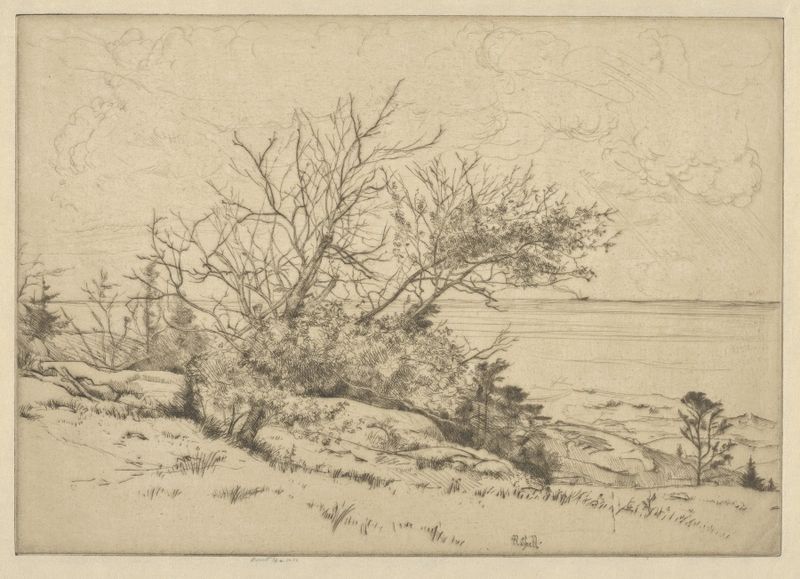
To the Southward – Ragged Island, Me.
Ernest Haskell
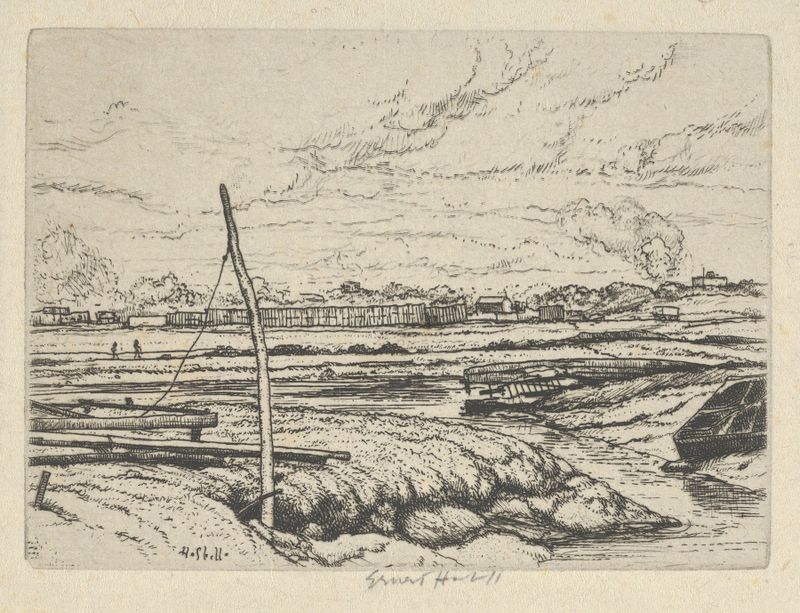
Long Island Marshes
Ernest Haskell





