
The road to Paris in Fontainebleau forest — History & Facts
Did the painter know this moment would outlive them? Captured in the lush embrace of Fontainebleau, The Road to Paris invites viewers to tread a path not only through nature but through time itself. The imagery evokes a sense of transcendence, urging us to consider the fleeting nature of existence against the backdrop of a world that endures. Focus on the winding road that meanders through the verdant forest, drawing your eye deeper into the landscape. Notice how the dappled sunlight filters through the leaves, casting a warm glow that highlights the textures of the foliage.
The brushwork, both loose and deliberate, captures the interplay of light and shadow, creating a dynamic tension between the serene and the turbulent. Each stroke seems to breathe life into the scene, inviting you to pause, reflect, and explore. Within this tranquil setting lies a dichotomy between stillness and motion. The road suggests movement, perhaps a journey toward Paris, yet the dense trees stand sentinel, their presence reflecting the weight of time.
The soft palette of greens and browns communicates a sense of calm, yet hints at the inevitable passage of life. One might consider what dreams lie beyond the horizon; the painting whispers of hope, aspiration, and the pursuit of something greater. Rousseau painted this work during a pivotal period in the 19th century, a time when artists began to shift their focus from historicism to capturing nature's essence. Living in the forest itself, he found inspiration in the changing seasons and the intimate details of the landscape.
This painting exemplifies his dedication to plein air observation, anchoring his artistic vision in the vibrant French countryside amidst the growing movement toward realism and the evolving Impressionist style.
More Artworks by Théodore Rousseau
Browse all →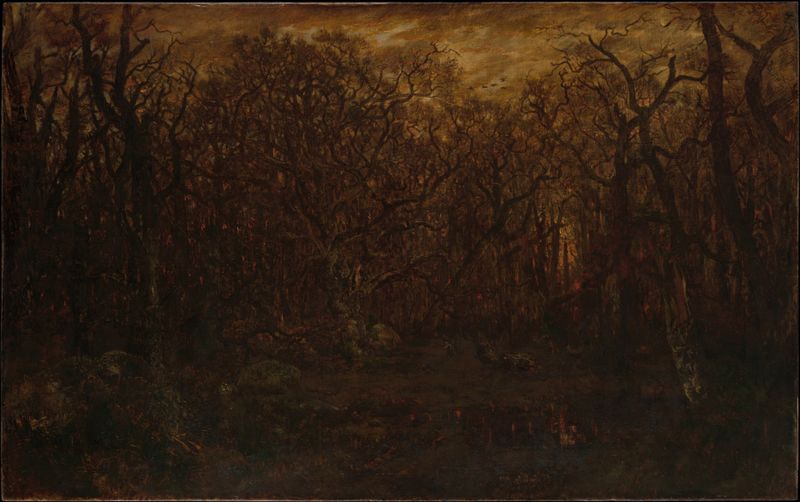
The Forest in Winter at Sunset
Théodore Rousseau
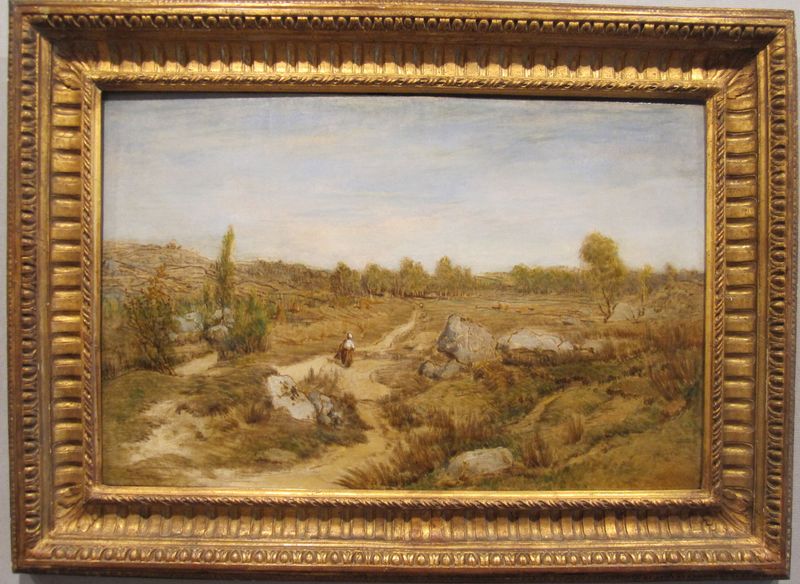
Valley of the Rouars in the Gorges d’Apremont
Théodore Rousseau
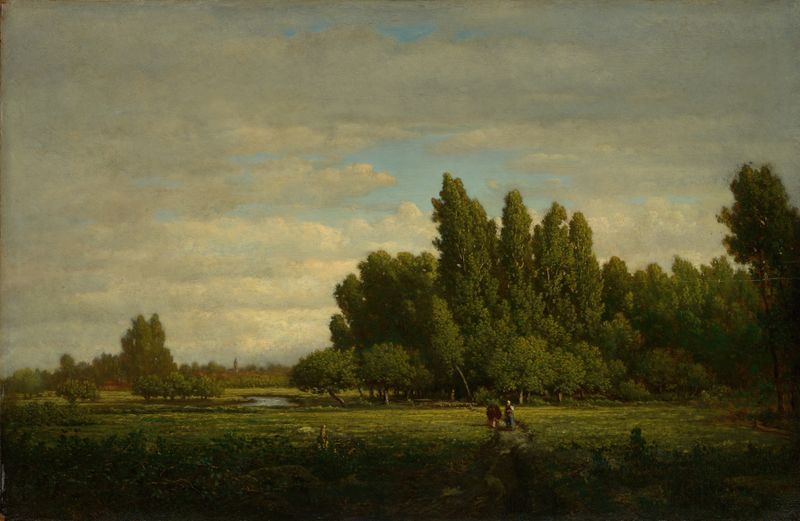
A Meadow Bordered by Trees
Théodore Rousseau
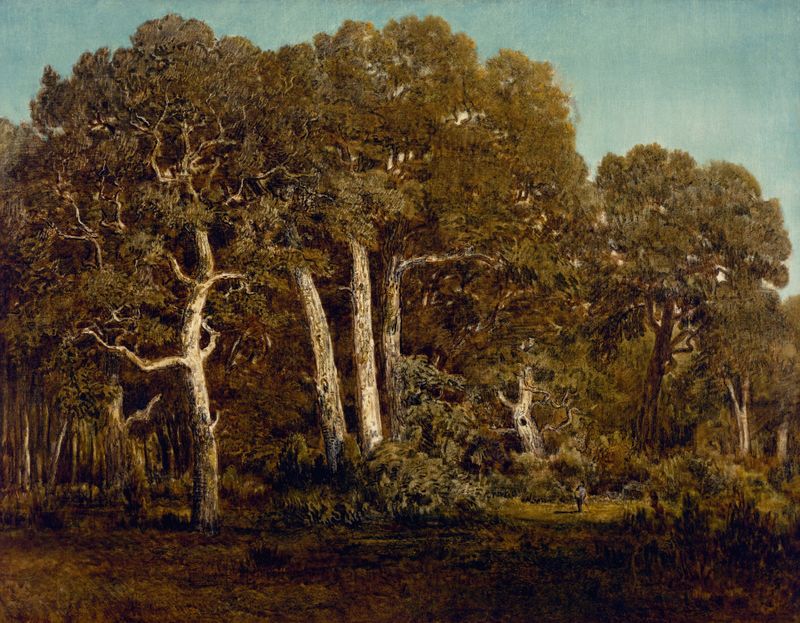
The Great Oaks of Old Bas-Bréau
Théodore Rousseau
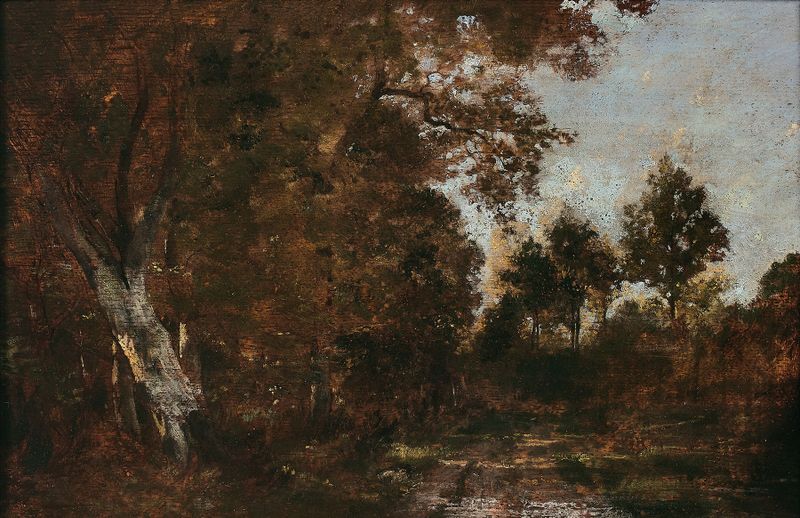
Paysage de sous-bois
Théodore Rousseau
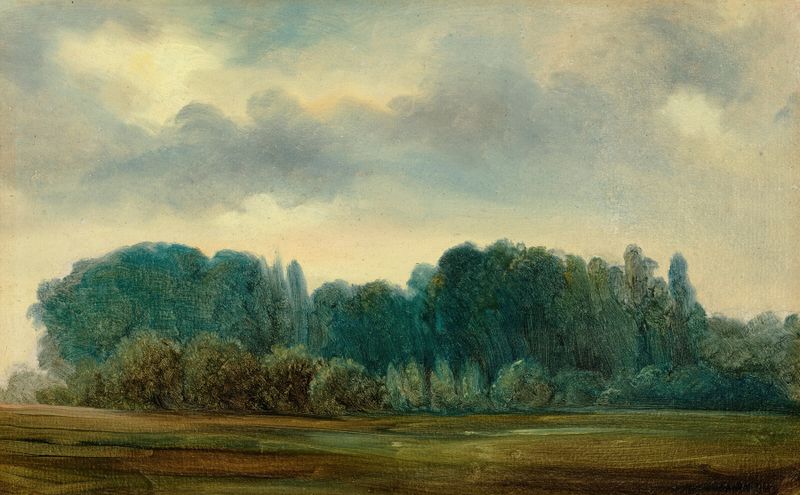
Paysage
Théodore Rousseau
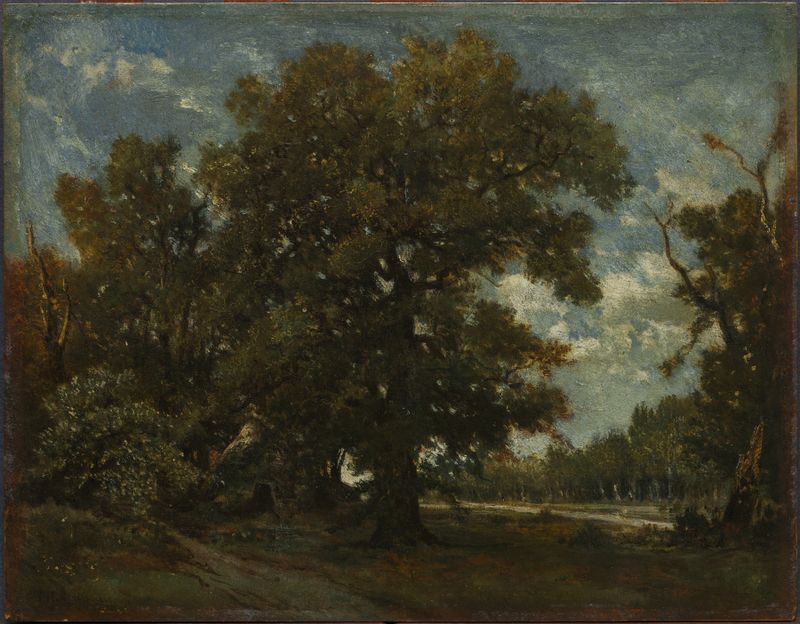
The Oak Tree
Théodore Rousseau
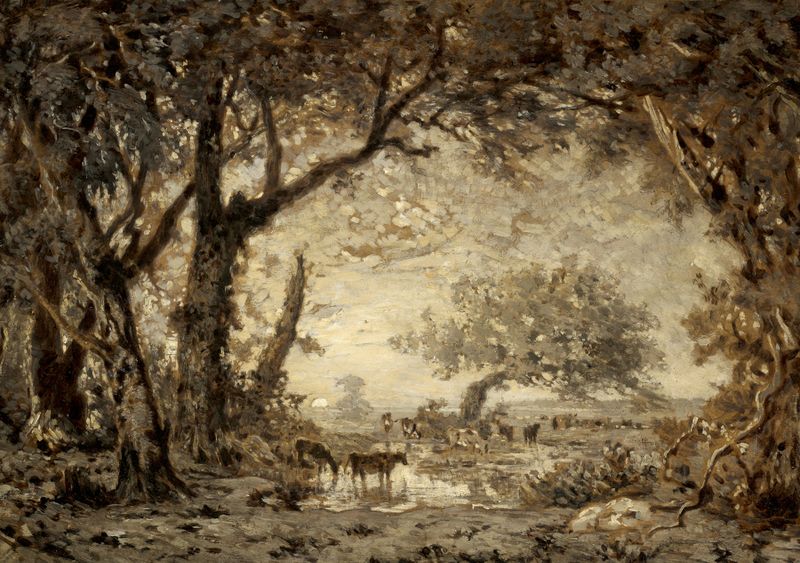
Sunset from the Forest of Fontainebleau
Théodore Rousseau
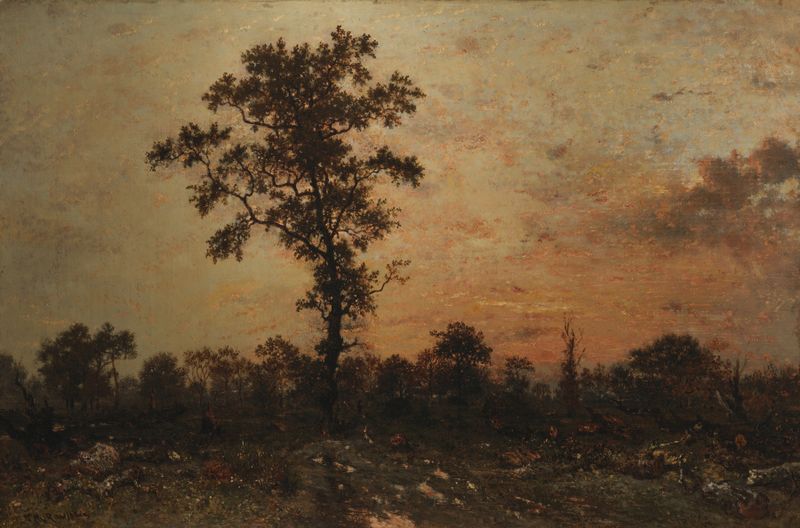
Edge of the Forest, Sun Setting
Théodore Rousseau
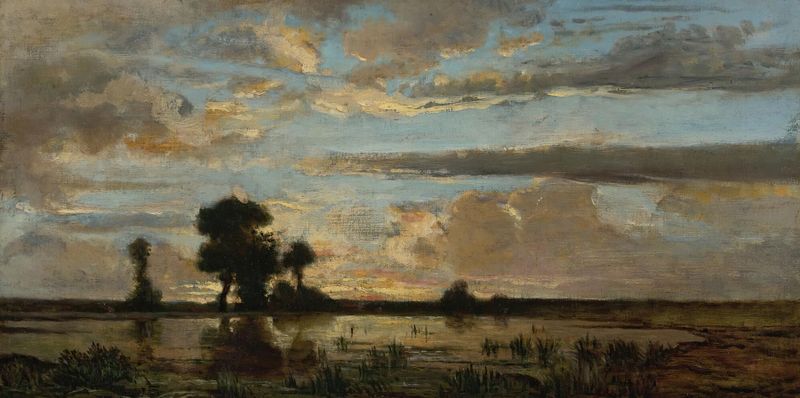
Soleil Couchant
Théodore Rousseau





