
The Rope Bridge at Serinagur — History & Facts
Could beauty survive in a century of chaos? In The Rope Bridge at Serinagur, the viewer is drawn into a world of precarious balance, where nature’s splendor hangs in fragile harmony with human endeavor. Look to the center where the bridge stretches tautly across a turbulent chasm, its intricate weave commanding immediate attention. The artist employs a rich palette of greens and browns, contrasting the lush foliage with the starkness of the rocky gorge below. Notice how the sunlight filters through the canopy, casting dappled patterns on the bridge, imbuing the scene with a sense of hope amidst tension.
The composition draws the eye along the span, inviting contemplation of the figures traversing the bridge, their presence a testament to courage. Beyond the visible, the artwork pulses with emotional undertones. The bridge symbolizes the delicate connection between the known and the unknown, a testament to the human spirit's resilience in the face of fear. Yet, the looming mountains and dark ravine suggest an ever-present danger, hinting at the precariousness of existence.
Each brushstroke seems to whisper of the tension between aspiration and peril, a duality mirrored in the figures’ hesitant strides. Created in 1800, this piece reflects Thomas Daniell's experiences in India, where he sought to capture the beauty of the landscapes alongside the cultural upheavals of the time. The late 18th and early 19th centuries were marked by political turmoil and colonial expansion, influencing artists to explore themes of conflict and harmony in their works. This painting stands not only as a visual marvel but also as a conversation between nature and humanity during a period of transformation.
More Artworks by Thomas Daniell
Browse all →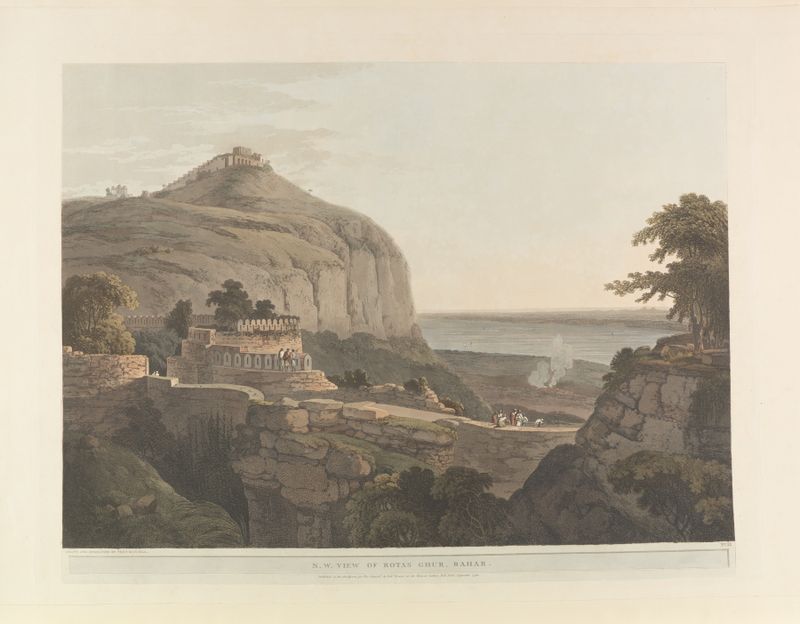
Oriental scenery Pl.20
Thomas Daniell
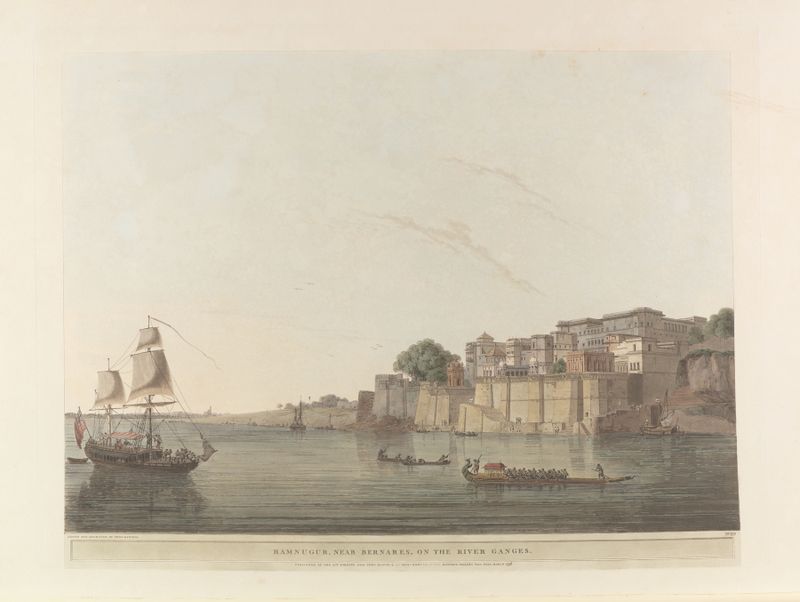
Oriental scenery Pl.14
Thomas Daniell
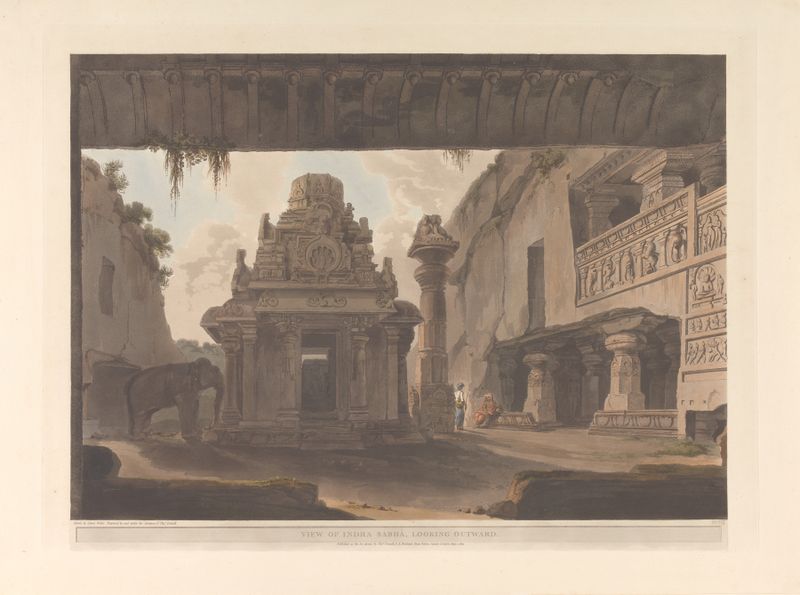
Oriental scenery Pl.32
Thomas Daniell
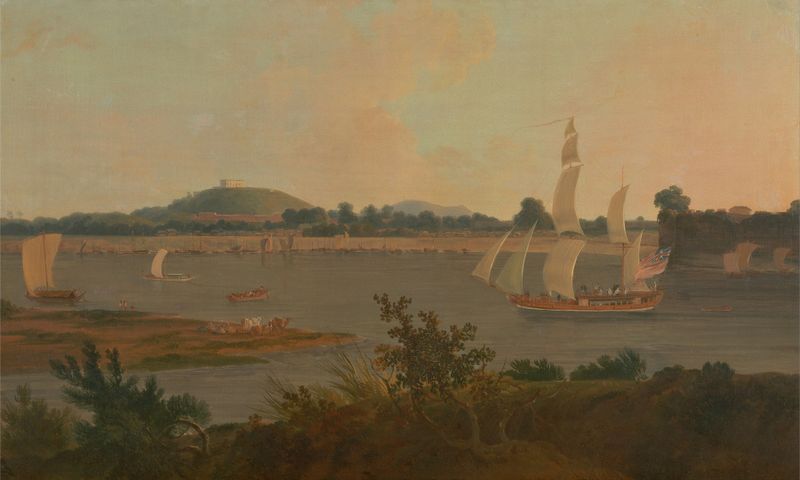
Pinnace sailing down the Ganges past Monghyr Fort
Thomas Daniell
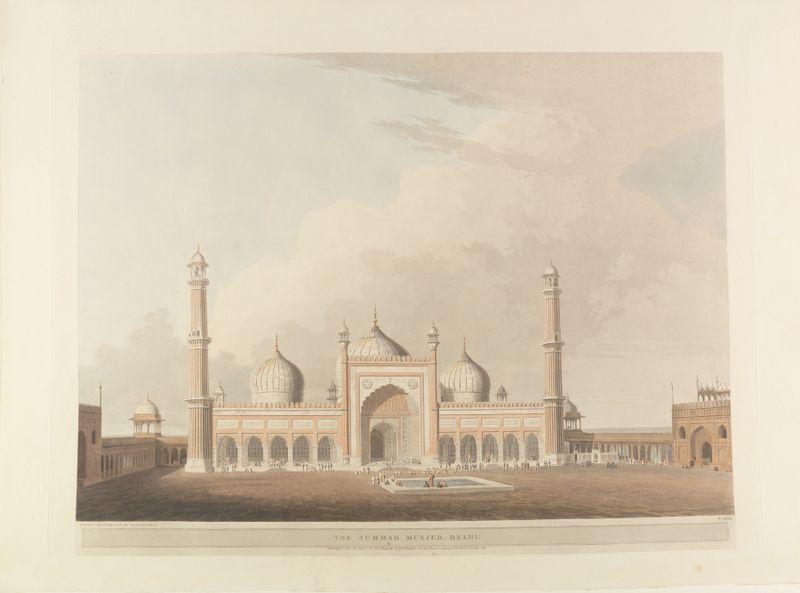
Oriental scenery Pl.23
Thomas Daniell
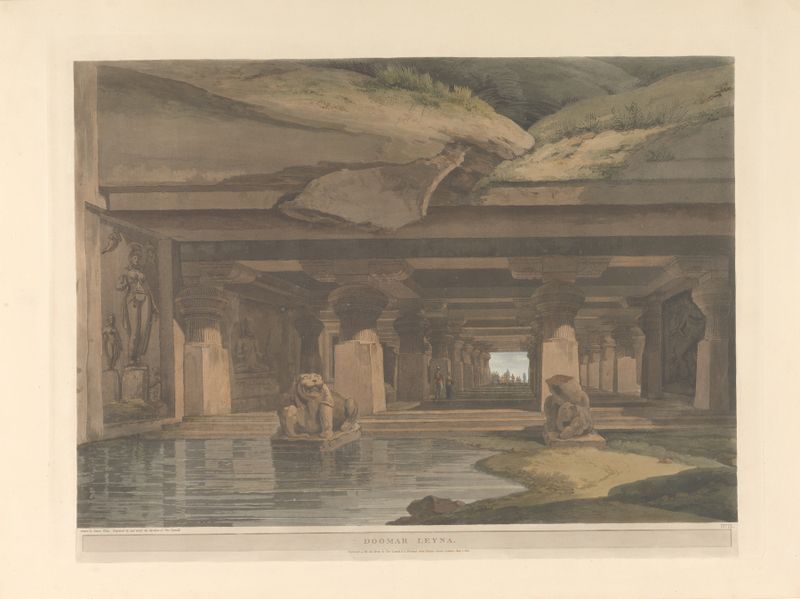
Oriental scenery Pl.34
Thomas Daniell
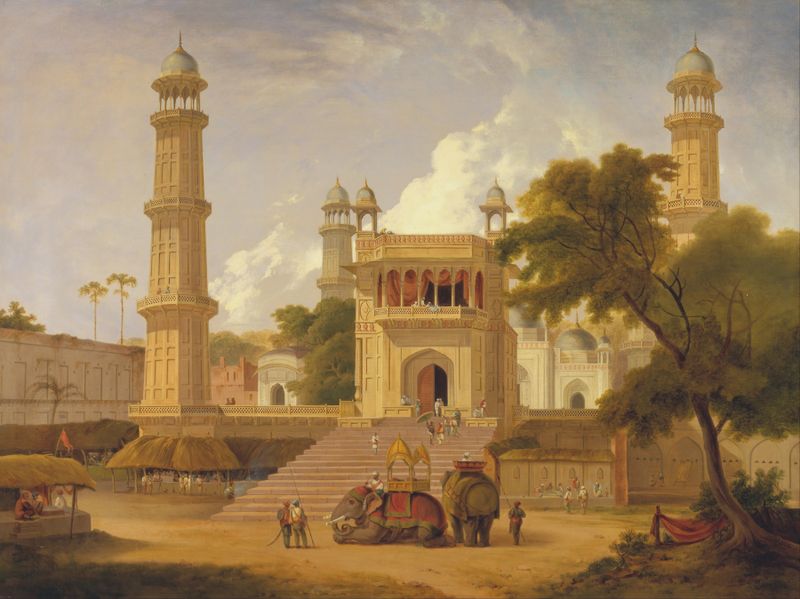
Indian Temple, Said to Be the Mosque of Abo-ul-Nabi, Muttra
Thomas Daniell
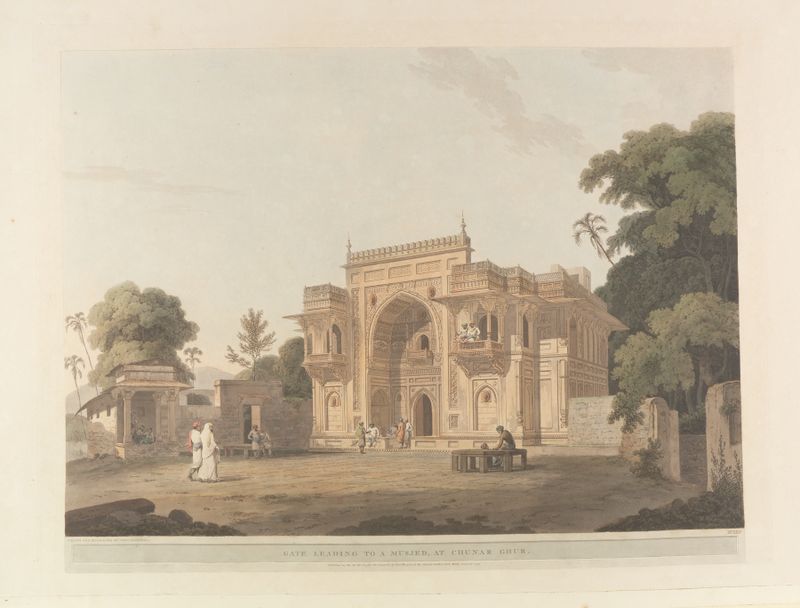
Oriental scenery Pl.24
Thomas Daniell
Oriental scenery Pl.05
Thomas Daniell

Aurangzeb’s Mosque
Thomas Daniell





