
The Ruins of the College of Lincluden, near Dumfries — History & Facts
Can beauty exist without sorrow? In The Ruins of the College of Lincluden, near Dumfries, the artist captures a moment frozen in time, where splendor and decay intertwine, whispering tales of bygone eras. Look to the left at the crumbling stone facade, its once-proud arches now softening under the gentle touch of creeping ivy. The muted palette of earthy browns and subtle greens invites the viewer into this melancholic landscape, while the dappled light filters through the trees, casting fractured shadows on the ground below. The composition is masterfully balanced, with the ruins standing resolute against a backdrop of a cloud-streaked sky, evoking a sense of both nostalgia and tranquility. Yet, within this serene setting lies an undercurrent of fear, a reminder of impermanence.
The ivy, though beautiful, signifies nature's reclamation, an encroaching force that consumes what humanity once built. The stark contrast between the vibrant growth and the decaying stone elicits questions about legacy and the inevitability of time. Each crack in the masonry tells a story of loss, while the serene landscape serves as a bittersweet celebration of what remains. In 1806, Thomas Hearne painted this evocative piece amidst a burgeoning Romantic movement that sought to portray nature’s sublime beauty alongside the remnants of human achievement.
Living in England during a period of industrial revolution and societal change, the artist found solace and inspiration in the ruins of the past, using his brush to document the fragile relationship between man and nature, forever tethered to the echoes of history.
More Artworks by Thomas Hearne
Browse all →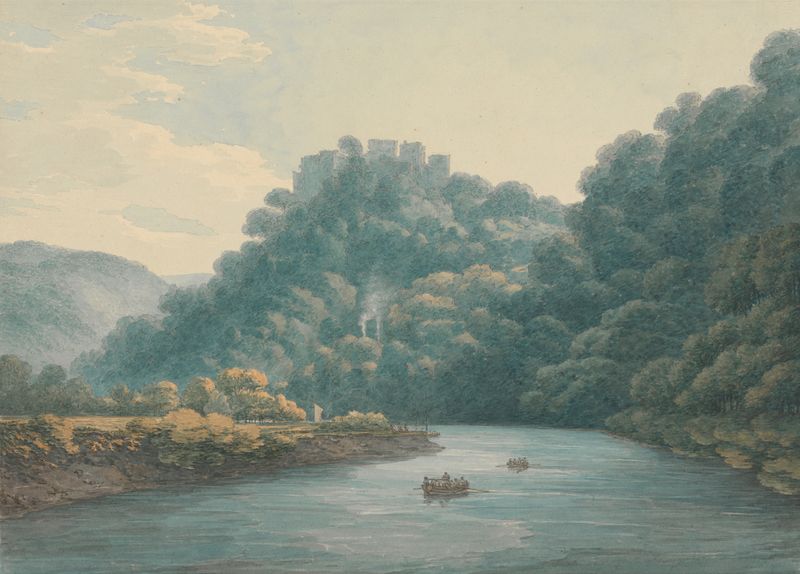
Goodrich Castle on the Wye
Thomas Hearne
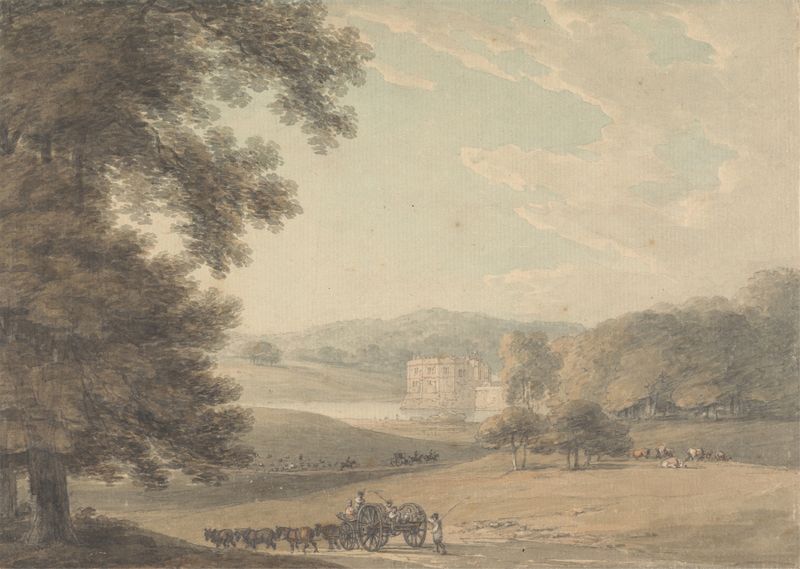
Leeds Castle, Kent
Thomas Hearne

The Ruins of Leiston Abbey
Thomas Hearne
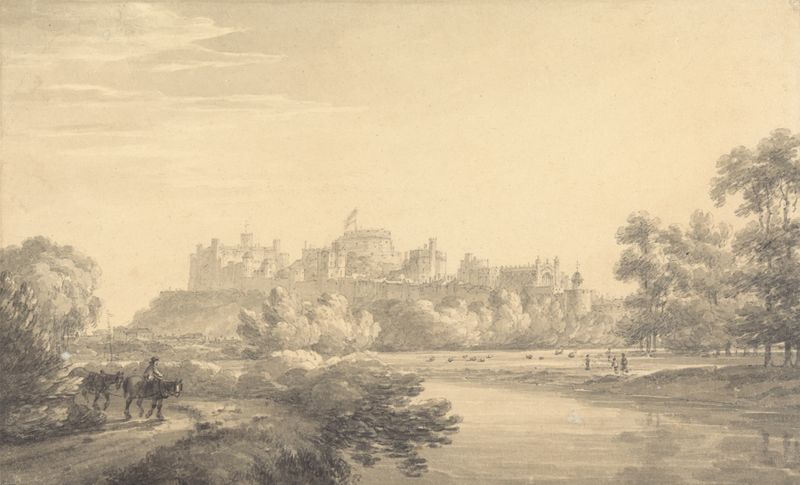
Windsor Castle
Thomas Hearne
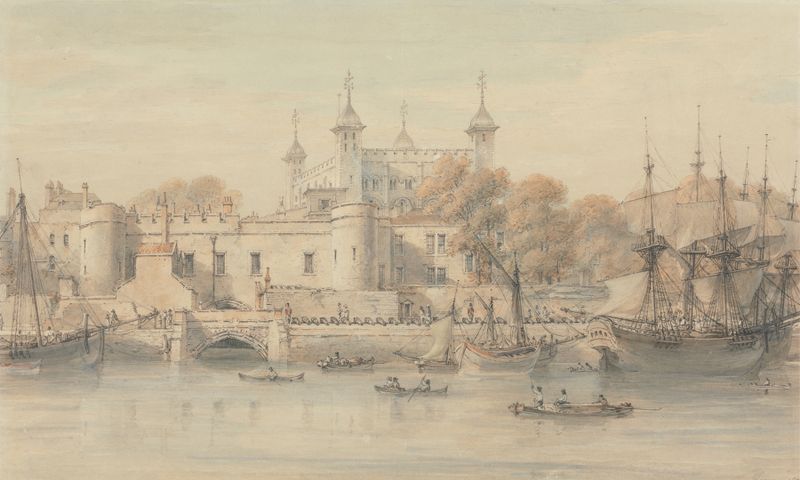
The Tower of London
Thomas Hearne
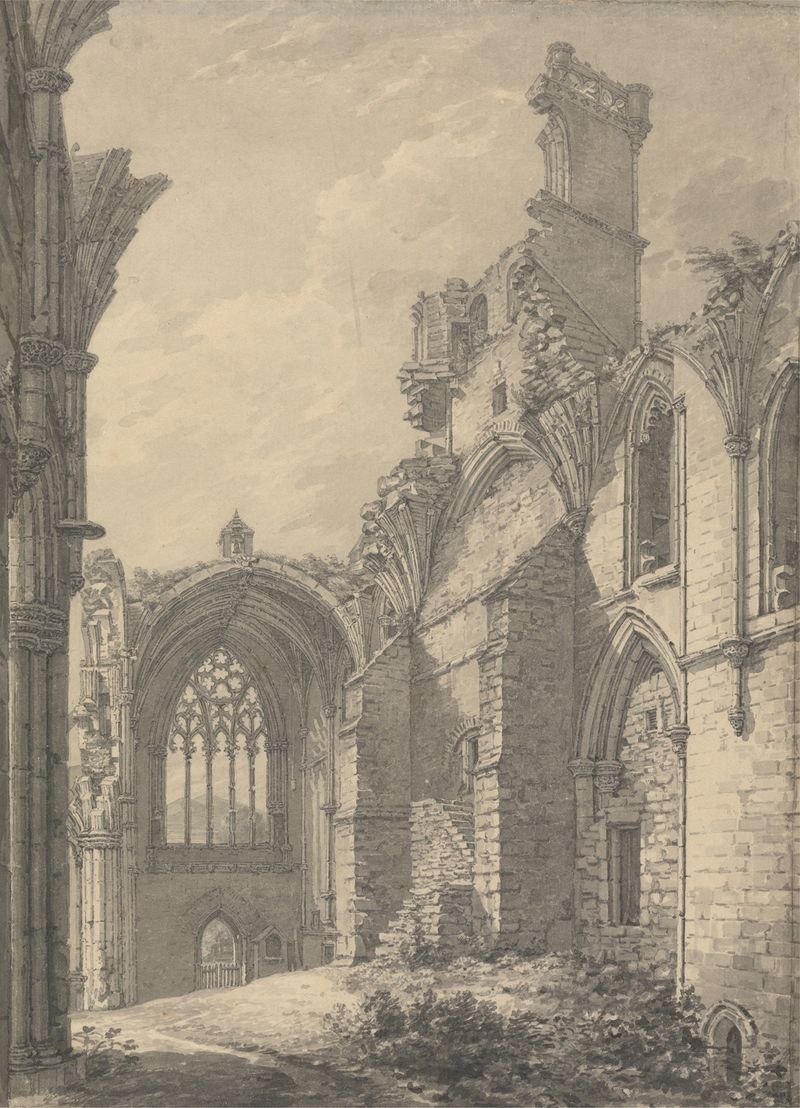
Transept of Melrose Abbey, 1778 Near Old Melrose on the River Tweed, Roxburgh
Thomas Hearne
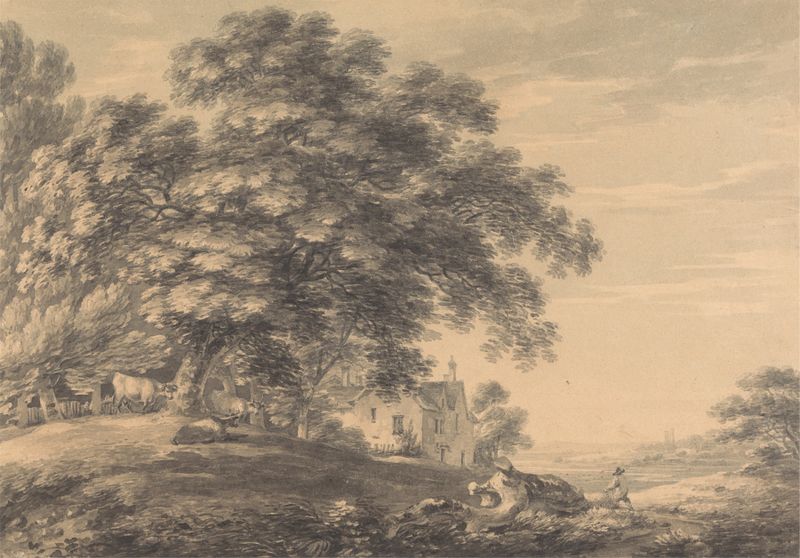
Landscape
Thomas Hearne
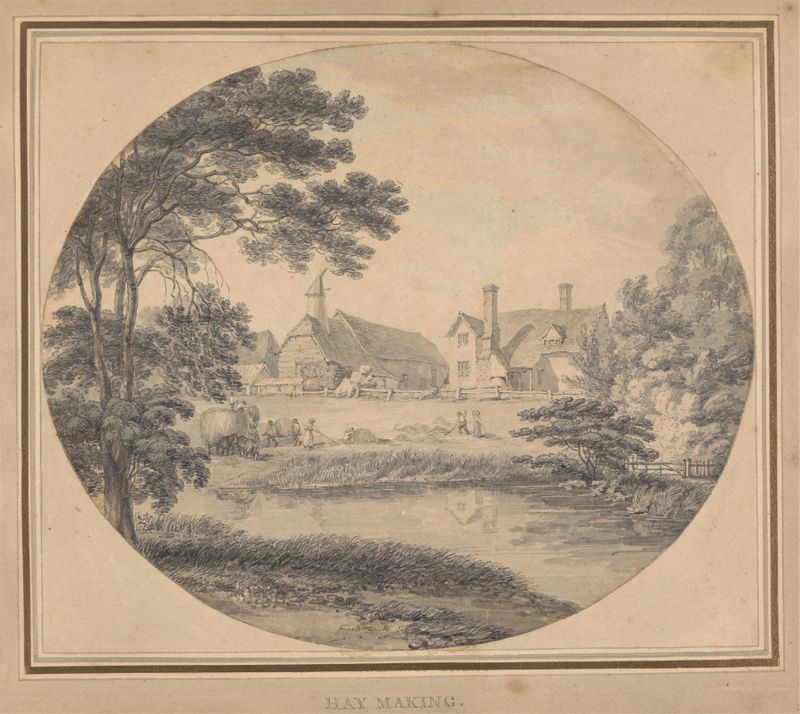
Haymaking
Thomas Hearne

Castle Acre Priory
Thomas Hearne
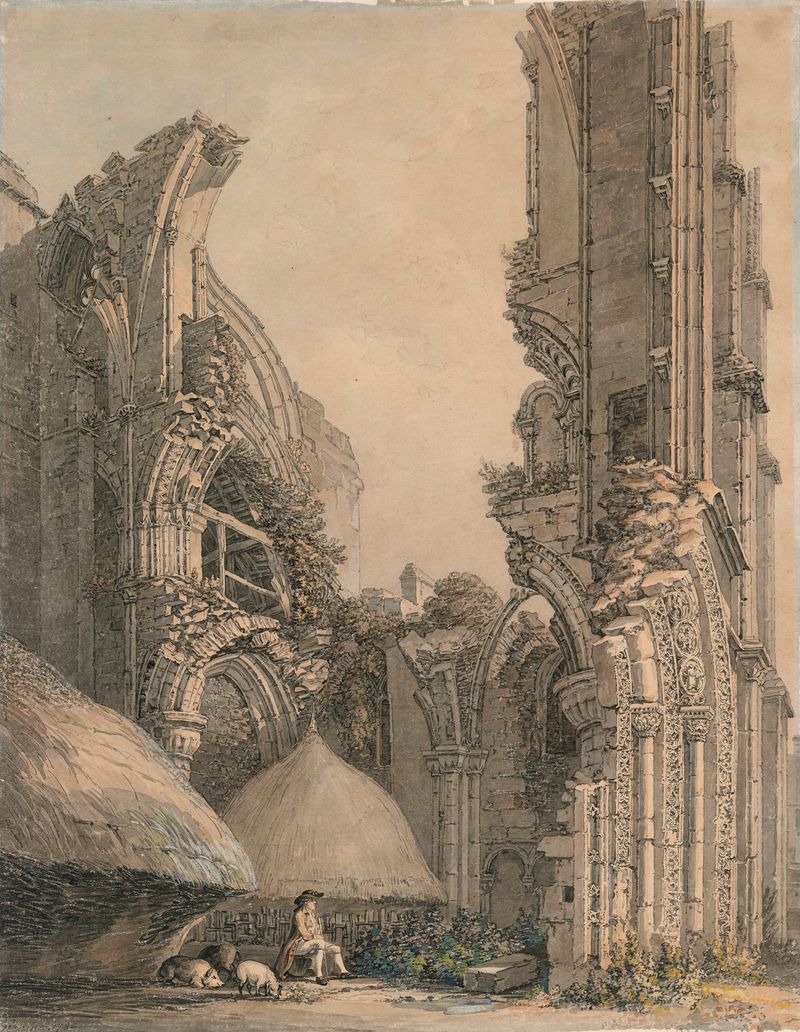
The Ruins of Malmesbury Abbey, Somerset, from the West Front (ill. for ‘The Antiquities of Great Britan’ 1807)
Thomas Hearne
More Architecture Art
Browse all →
The statue of Liberty
Frédéric Auguste Bartholdi

View of Houses in Delft, Known as ‘The Little Street’
Johannes Vermeer

View of Houses in Delft, Known as ‘The Little Street’
Johannes Vermeer

The Cathedral in Rouen. The portal, Grey Weather
Claude Monet

The yellow house
Vincent van Gogh

The Church in Auvers-sur-Oise, View from the Chevet
Vincent van Gogh