
The Ruins of the Imperial Palaces in Rome — History & Facts
Could beauty survive in a century of chaos? In The Ruins of the Imperial Palaces in Rome, the remnants of grandeur whisper stories of glory entwined with decay, inviting contemplation of what remains when empires fall. Look to the left, where the crumbling columns rise like sentinels against the horizon, their shadows stretching long across the desiccated earth. The artist employs a muted palette, dominated by ochres and earthy greens, which evoke both nostalgia and loss. Notice how the light filters through the ruins, illuminating fragments of stone that glimmer with a spectral beauty.
The exquisite detail of foliage creeping through cracks serves as a poignant reminder of nature's resilience in the face of human folly. Beneath the surface, the work embodies the tension between permanence and impermanence. Each stone tells a tale of the past, while the encroaching vegetation suggests an inevitable reclamation. This duality reflects the fragility of civilization itself — as time erodes the triumphs of humanity, nature persistently lays claim, drawing a haunting parallel between beauty and transience.
The ruins become a metaphor for hope, suggesting that even in decay, there is a story worth preserving. In 1831, Rottmann painted this piece during a time of significant turmoil across Europe, marked by political upheavals and shifting cultural landscapes. He was exploring the romantic idealization of ruins, a reflection on the past that resonated with the public's growing fascination for history and nostalgia. This work not only illustrates the aesthetic beauty of decay but also encapsulates the artist's own journey of grappling with the remnants of a once-glorious legacy amidst a rapidly changing world.
More Artworks by Carl Rottmann
Browse all →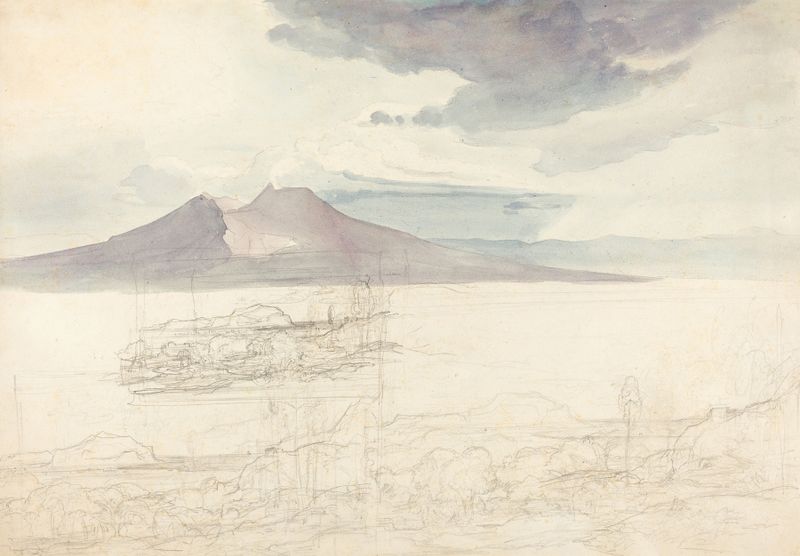
Panoramic Views of Vesuvius and Monte Pellegrino
Carl Rottmann
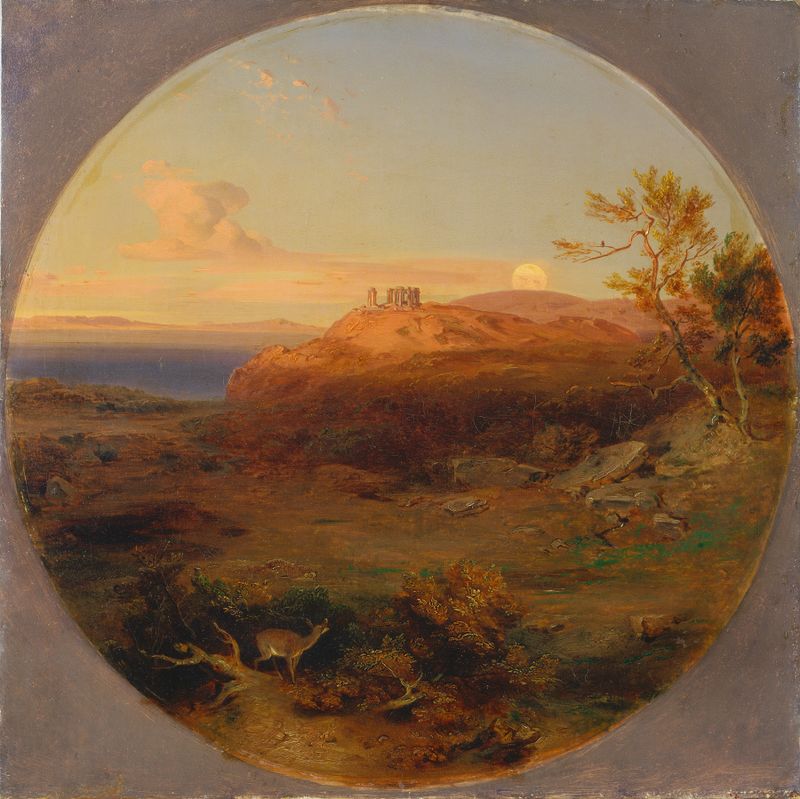
Greek Landscape on the Island of Aegina
Carl Rottmann
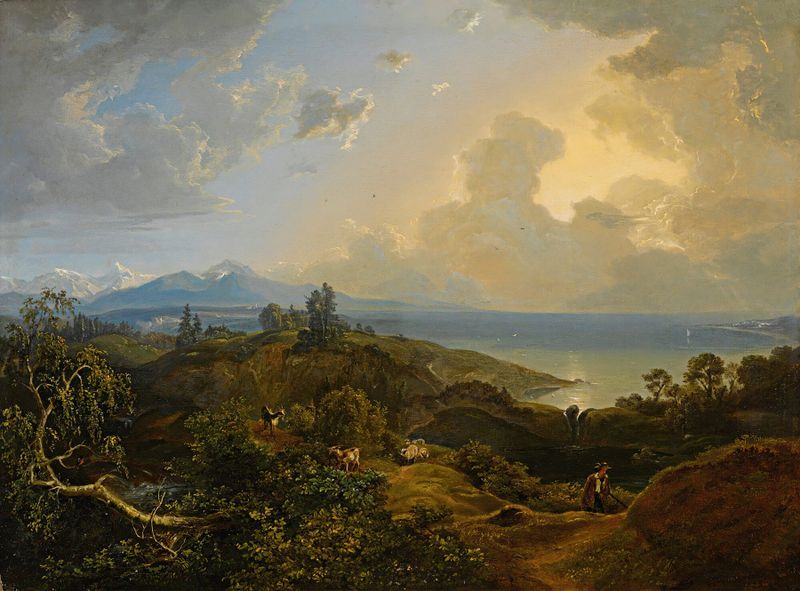
An extensive landscape in Bavaria or the Salzkammergut
Carl Rottmann
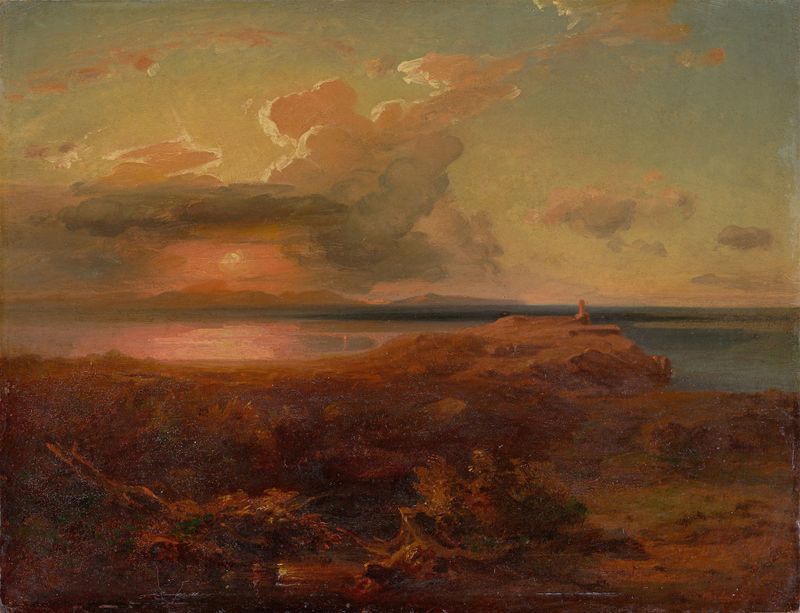
Ägina mit dem Apollotempel
Carl Rottmann

Landscape
Carl Rottmann

Die Insel Ägina mit den Ruinen des Hekatetempels
Carl Rottmann
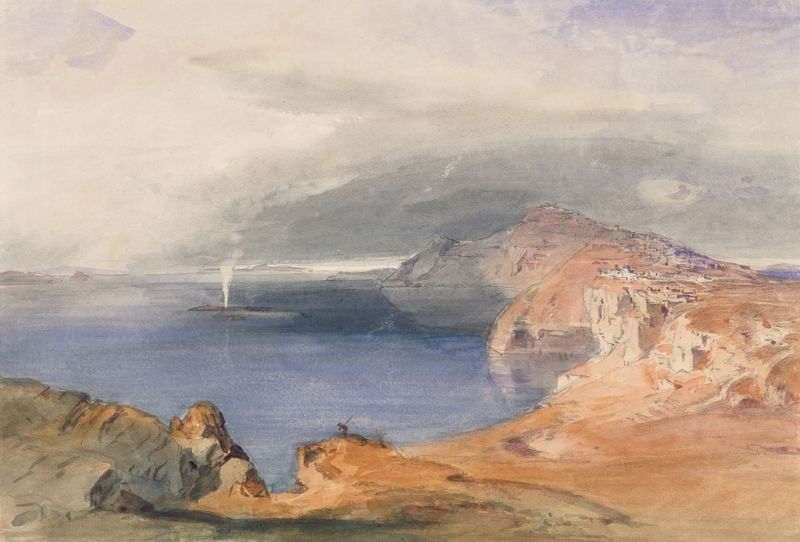
Santorini (Thira)
Carl Rottmann

Athens, seen from the well
Carl Rottmann
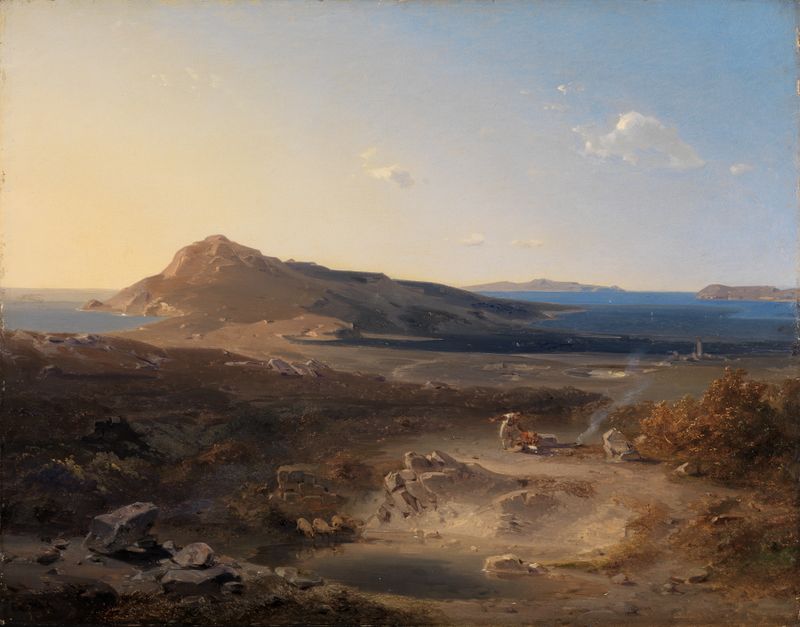
Die Insel Delos
Carl Rottmann

Olympia
Carl Rottmann





