The Sacrifice of the Daughters of Jephtha — History & Facts
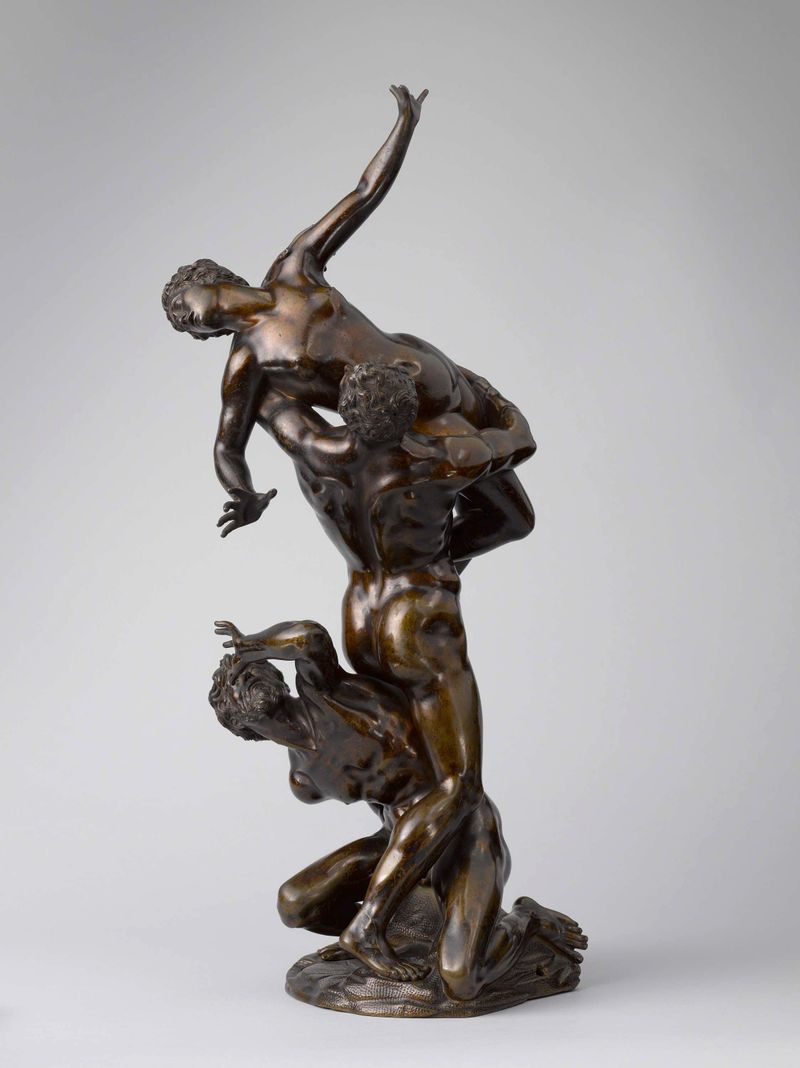
When did color learn to lie? Within the rich hues of this 17th-century masterpiece, the borders of reality and myth dissolve, inviting the viewer into a moment suspended in time and emotion. Look to the center, where a figure, a father, stands resolute amid the chaos of his daughters’ despair. The deep reds and golds draw the eye, creating a stark contrast with the somber tones surrounding them. Notice how the artist expertly employs chiaroscuro, illuminating the subjects’ faces while casting shadows that deepen the weight of their sacrifice.
The posture of the daughters—arms raised, faces etched with fear and resignation—profoundly captures their emotional turmoil. Every brushstroke articulates a narrative of conflict between duty and love. Delve deeper into the tension present in the faces of the figures. The juxtaposition of the father's stern expression against the daughters’ vulnerability speaks volumes about familial sacrifice and the burdens of responsibility.
Each tear-streaked cheek tells a story of innocence lost and the tragic cost of war. The background fades into obscurity, reinforcing the isolation of this pivotal moment, where personal tragedy intertwines with a larger, almost mythological theme of sacrifice. The artist behind this poignant composition remains unidentified, yet the piece was likely created during a period of religious fervor and social upheaval in Europe. The late 17th century was marked by a shift in artistic expression, where themes of suffering and martyrdom were explored in greater depth.
This era, rife with conflicts and the deep questioning of human fate, resonated within the brushstrokes, intertwining personal and collective narratives that echo through history.
More Artworks by Unidentified artist
Browse all →
Self-portrait with a Bandaged Ear and Pipe
Unidentified artist

Feast in the House of Levi
Unidentified artist
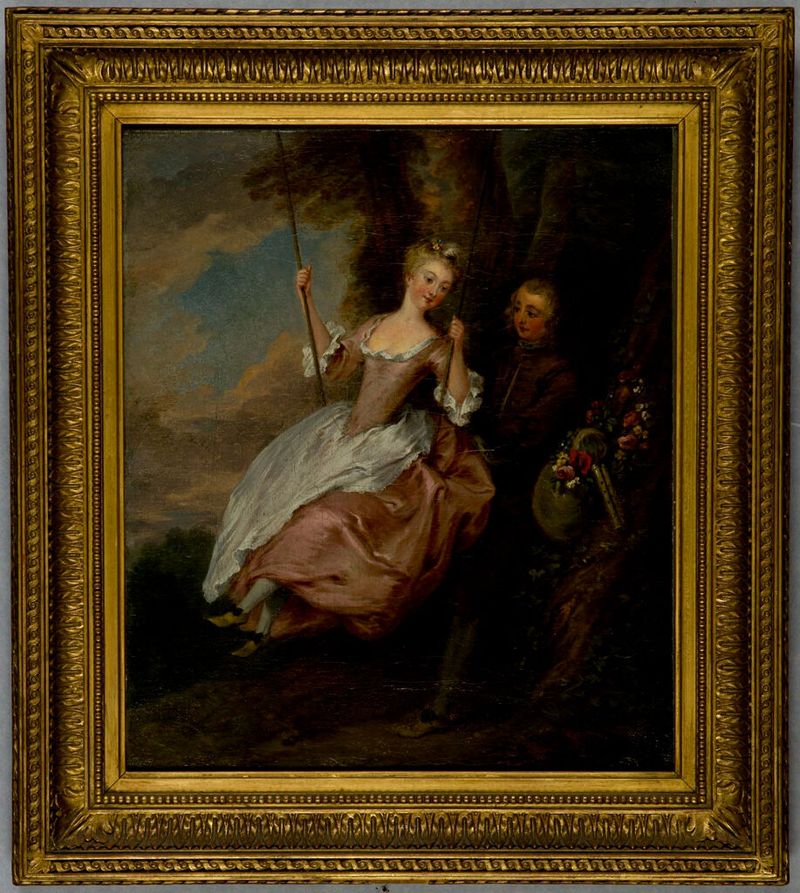
The Swing
Unidentified artist

Geoffrey Chaucer (1340?-1400)
Unidentified artist

Portrait of Michelangelo after the "Strozzi" original in the Uffizi Gallery
Unidentified artist
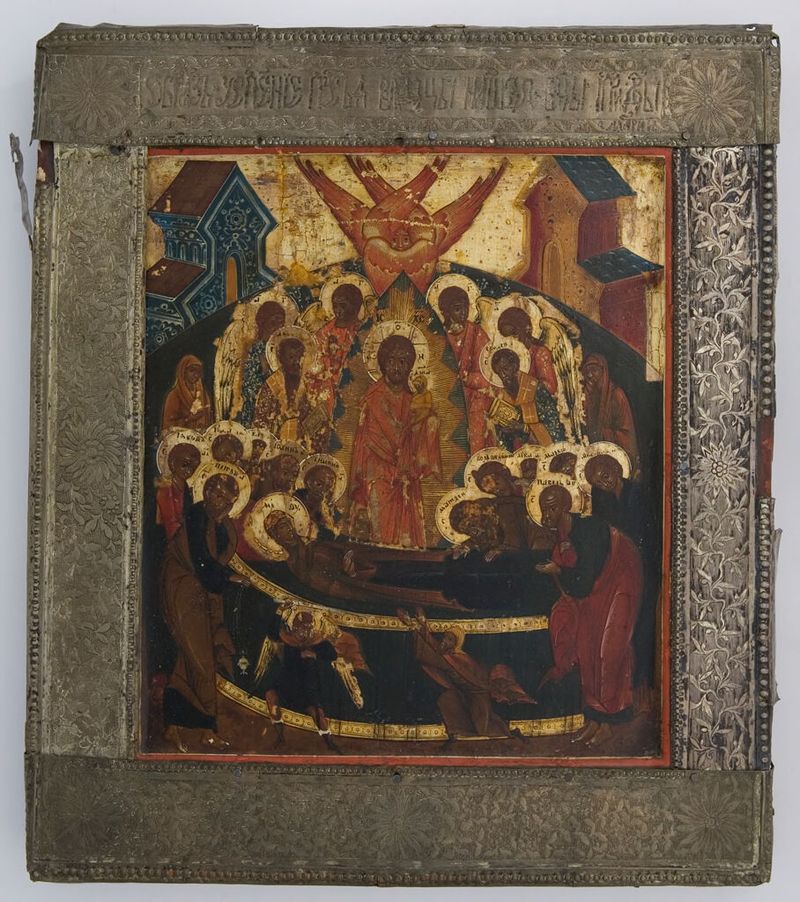
Dormition of the Virgin
Unidentified artist

Charles I (after a van Dyck painting in the Staatliche Museen, Gemaldegalerie, Dresden)
Unidentified artist

Madonna and Child
Unidentified artist

John Winthrop, the Younger (1606-1676)
Unidentified artist

Crucifix with the Virgin and Saint John the Evangelist, Christ the Redeemer, and a Praying Woman
Unidentified artist